Every year the Oxford English Dictionary (OED) announces its new additions of words to its tomes for various English variants: Canadian English, Indian English, Scottish English… and Australian English. Well, the 2026 batch is out and Australia has reacted. The past week has seen Australians subjected to vox pops, making thousands of critical comments on ragebait articles and watching social media clips going through the list of words and testing whether these are worth their weight in being immortalised print-wise in the OED.
Now, as someone who’s job is to localise text for Australian audiences, you better know your shit from clay. To do this means observing the minutiae in print and online writing, speech, signage, everything to see what’s making Australian English what it is. That’s something I’ve been doing professionally for almost two decades, so I might as well throw my hat into the ring and give my own humble opinion on what’s in and what’s out on this list (watch out Cosmopolitan magazine – 1980s reference there!)
So here’s my two bob’s worth…
I’ll give them all a final grade on whether these are safe/relevant to use with Australians. To team with the theme, they’ll each get either a “yeah nah” or a “nah yeah”.
Hold on…what does “yeah nah” and “nah yeah” mean?
Well, I’m glad you asked. Conveniently enough, “yeah nah” is first on the list of new OED Australian English additions.
yeah nah, adv.
Used esp. in spoken response to a suggestion, statement, etc., typically to express hesitancy or dissent: ‘Yes, but..’.
The use of yeah nah is highly contextual, and may express acknowledgement, mitigation, or hesitation on the part of the speaker; it can also be used as an expression of emphatic disapproval or dissent.
The first definition is not completely accurate. “Yeah nah” never means “yes”; it’s always a “no”.
The second part is spot on – what nuance of no in “yeah nah” is being implied ultimately is determined by context.
In most cases, “yeah nah” actually means “I acknowledge what you said but it’s a no.” There’s no hesitancy here – it’s quite clear.
And with this going in, then its opposite “nah yeah” should have joined in too. And what does “nah yeah” mean? “It shouldn’t be like that but it’s a clear yes”.
So the rule is with both these, just pay attention to what comes at the end.
Disclaimer: one of my sisters is a proper yeah nah-sayer. Nah yeah!
Nah yeah! 👍
branch stacking, n. in branch, n.
Australian Politics. The manipulative or unscrupulous practice of recruiting new (and esp. relatively uncommitted) members to join a party branch so as to secure votes for a particular candidate in a preselection.
Absolutely correct, especially the “relatively uncommitted” reference. This is definitely a term heard far too often in Australian political reporting and circles. Interesting to see that it’s been in use since the 1930s. The 1990s were the boom years for branch stacking. The numbers of these new members recruited usually go into the hundreds a pop!
Nah yeah! 👍
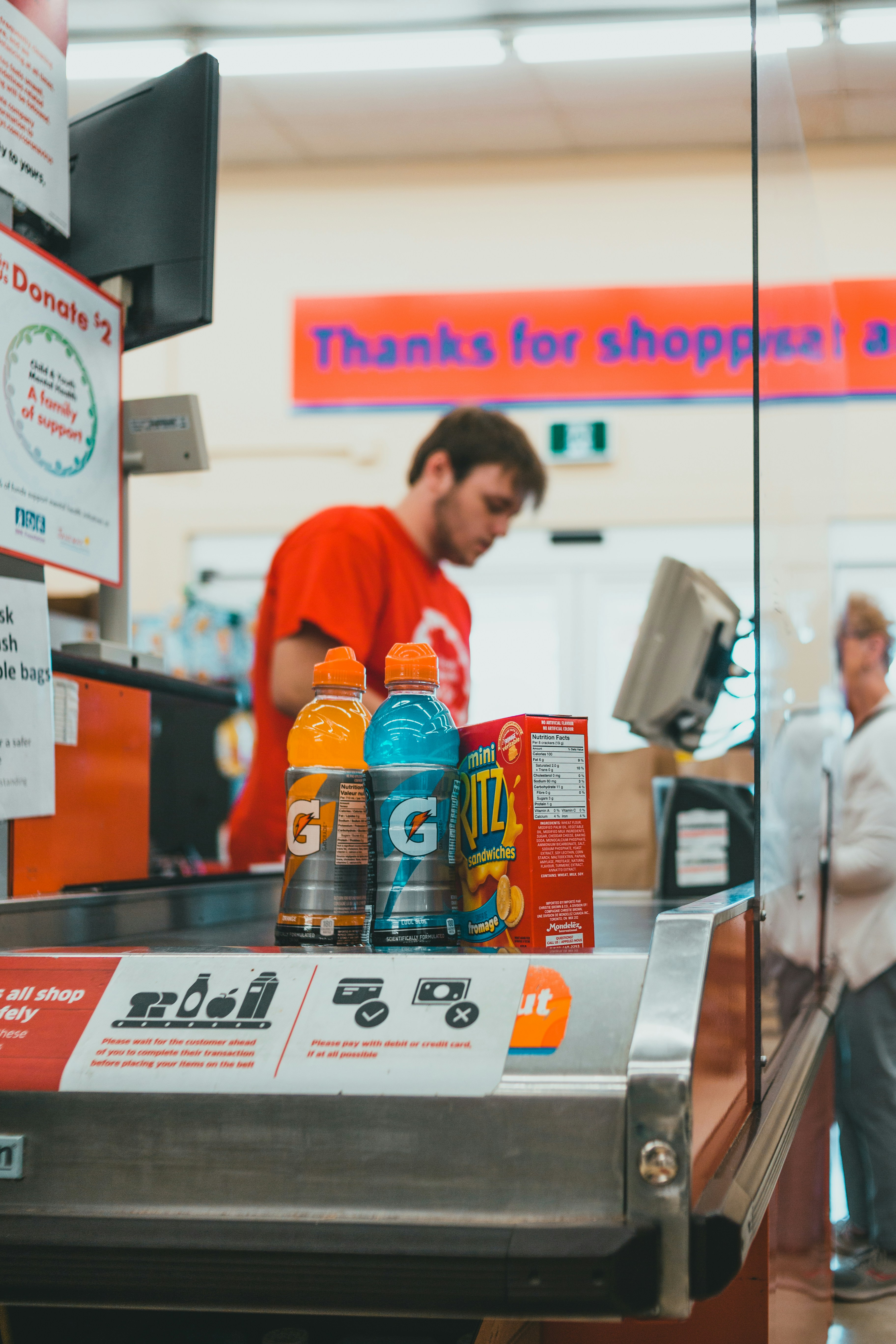
checkout chick, n. in checkout, adj. and n.2
Australian colloquial. A girl or woman working at the checkout in a supermarket or other shop.
This term is also used in New Zealand. Definitely deserves its place here. Note that this term is non-gendered, so guys working the tills can semi-jokingly also be referred to, or self-refer themselves as, check-out chicks. Why be serious?
Nah yeah! 👍
Australian and New Zealand colloquial. Of a question or situation: challenging or complex; difficult to respond to. Chiefly in curly one.
OK, this is quite old-fashioned. Use this one with younger people, even if they’re into cricket (where the term originates from) and they’ll wonder what you’re yakking on about. Prerequisites to really pull this one off these days: broad Aussie accent; be over 50; once owned a Holden Kingswood (think Alf from Home and Away).
Yeah nah! 👎
dishlicker, n.
Australian colloquial. A racing greyhound dog.
Now this one has really stumped heaps of Aussies. Unless you’re into greyhound racing, which given its popularity in Aussie society over the past two decades has dropped like a lead balloon to a level so low that it’s slumming in its own deserved irrelevance (many Aussies want the “sport” banned), then you’re not going to get Aussies knowing what this term means anymore. Save the doggos!
Yeah nah! 👎
donkey vote, n.
A preferential vote in which the numbering for preferred candidates is selected in the order in which they appear on the ballot, rather than according to the voter’s genuine preference. Also: such votes collectively.
When Australians go to vote, they’re given a ballot where they have to number the candidates in preferential order: 1 for their most favourite, 2 for their second favourite and so on until every candidate has been numbered. Not doing this will make your vote invalid (an “informal vote”). Note that some online sources claim a donkey vote is also an “informal vote” – absolutely not true! Even if in many cases donkey votes don’t express the genuine preferences of the voter, that doesn’t mean that’s always the case. Numbering all the boxes will make any vote count, donkey or not.
Nah yeah! 👍
doover, n.
Originally Australian Army. A thing (esp. a gadget or small component) of which the speaker or writer cannot recall the name, or does not care to specify precisely (e.g. like “thingamajig”).
This is now archaic and, even back in the day “doover” was no way near as common as “doovalacky”, which has the same meaning. Use either “doover” or “doovalacky” nowadays and you’ll get some Australians informing you that television now comes in colour.
Yeah nah! 👎
flannie, n.
A shirt made of flannel or flannelette, usually having a chequered or tartan pattern.
Hip hip hooray! This one is quintessentially Aussie! Actually, calling it a “flannel shirt” sounds far too posh. Go right ahead and use this term in Oz! Actually, it’s compulsory.
Nah yeah! 👍
flog, n.
Australian slang (originally University slang). Originally: a person who is overly studious, esp. a public servant. Now: a useless or otherwise contemptible person.
OK, so it’s said here and there, but careful with this one. It was used quite a bit in the racist-motivated attacks on Adam Goodes, an indigenous Australian footballer. Nor should you confuse this with the verb “to flog”, which has the same slang meanings in Australia as they do in the UK – “flog a dead horse”; “flog stuff from the back of a car boot”. However, the primary meaning in Australia for “to flog” is “to steal” (“he flogged my pencil”), though this is a bit dated, or to defeat a team at sports decisively (“they totally flogged that team by 100 points”). It can also mean to bad-mouth someone or something. Take your pick!
Yeah nah! 👎
grey nomad, n. in grey, adj. and n.
An older person who has adopted a semi-nomadic lifestyle after retirement, usually living and travelling in a camper van, motor home, etc.
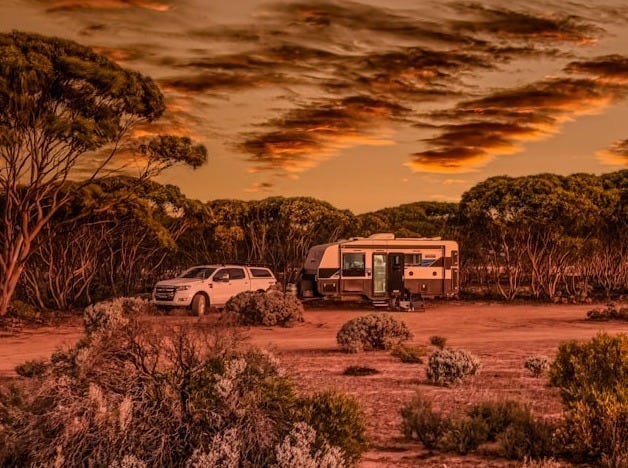
Oh, you’re guaranteed to see them on the outback roads of Australia, and they’re pretty big with the Outback wave. Get talking about grey nomads with many other motorists in the most isolated areas of Australia and you’ll find that the grey nomads don’t have the best of reputations, though. Just one thing – Australian grey nomads almost always travel with a caravan and a huge 4WD (see pic below). The campervans or (extremely rare in Australia) motor homes are usually what younger foreign visitors, particularly Brits, go for.
Nah yeah! 👍
horse doovers, n.
A humorous alteration of hors d’oeuvres.
The OED claimed this more phonetical pronunciation of this French term was still common in Australia. OK, I’ll let you in – it’s not. There’s no particular reason why this out of all French-origin terms would be singled out, considering you can do this in Aussie English for any French word. Hey, Aussies will get it if you deliberately pronounce the “t” in “Merlot” for a laugh. But unwittingly mispronounce French words these days in Australia, then you’ll find yourself straying into Kath and Kim lingo territory there. Another glass of Sauvignon Plonk?
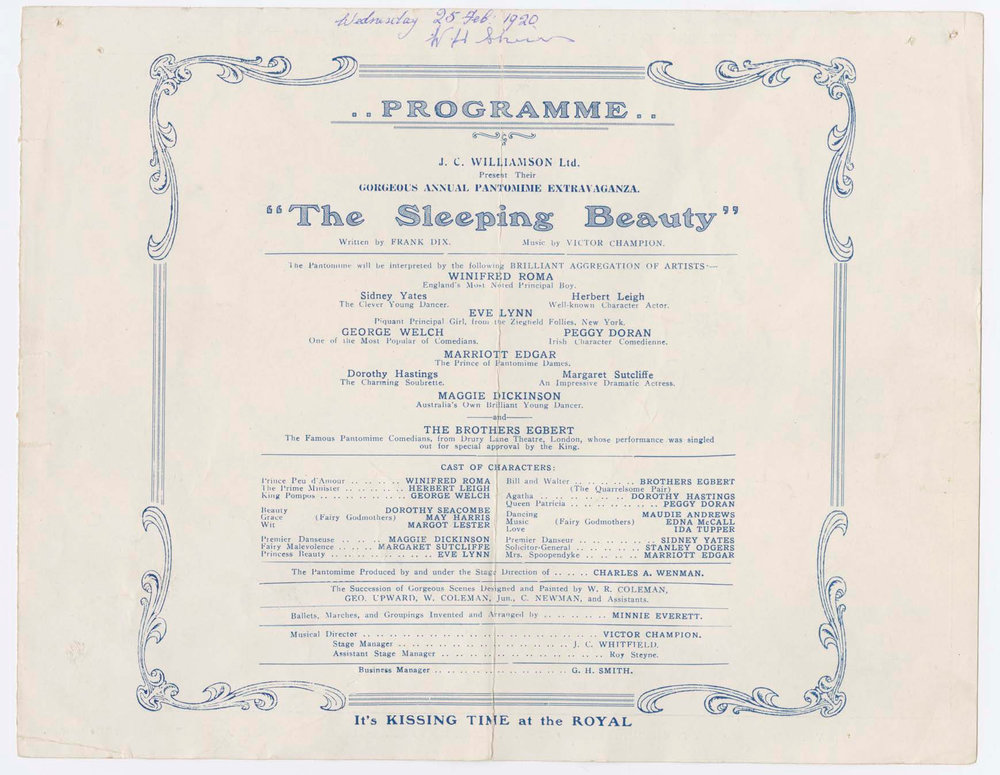
It does remind me of the time when in the 1990s I used to work as an usher at a major performance theatre. During a run of Phantom of the Opera (hate it!), just as the last people from my section were leaving the auditorium, one women came up to me to ask whether there’s any chance that her favourite show will be coming back – “Laz Miz Rab Lez”.
- “Um, excuse me? What did you say?” I asked.
- “Laz Miz Rab Lez” she said again. “The French show”.
- “Oh, Les Misérables!” I said in a manner more faithful, but not pretentiously so, to the original French. I informed her that there was no revival on the cards, but you never know what can happen. Au revoir.
Yeah nah! 👎

Kafoops, n.
A surname given to a non-specific or hypothetical person, or a person whose name is unknown, forgotten, or withheld. In later use frequently as the surname for a stereotypically haughty or otherwise unlikeable woman, as Mrs Kafoops.
Oh come on! We’re well into the 21st century now. This term still thinks Pig Iron Bob is leading us! The last person to have used “Kafoops” probably kafooped ages ago. Do not try using this one at home or Australia.
Yeah nah! 👎
love job, n.
In Australia, a “love job” is a term for a task or project that someone carries out out of passion or as a favour, rather than for financial payment
I swear they’re making it up as they go along. No-one in Australia uses this – and I swear by this statement, or else St Kilda will win the pennant this year.
If we’re going to talk about love, which of course is what the world needs now, then there’s space for the proper Aussie compliment “love your work”, often rendered as “luv ya work” on the socials. Now, this isn’t some mantra muttered by execs or manifesters out there; it’s shorthand for “I love your work” and generally means “I appreciate what you do” or “job well done”.
Flat out nah 👎👎
saltie, n.
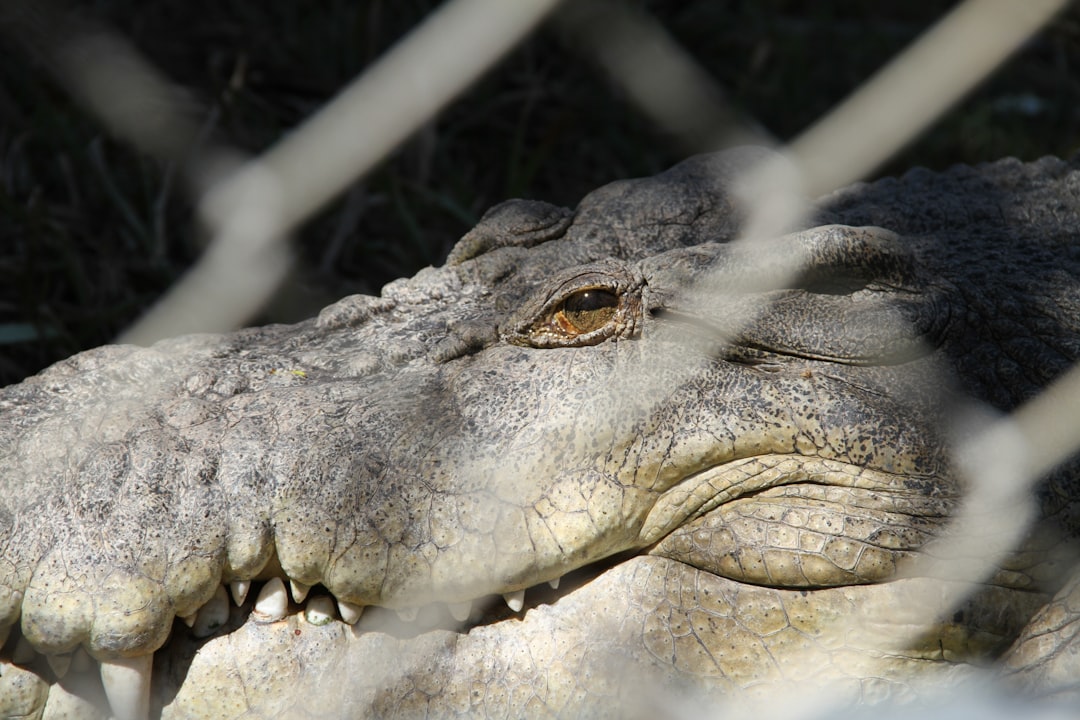
A saltwater crocodile, Crocodylus porosus, native to northern Australia.
Well, this is very regional as crocodiles are only found in the tropical north of Australia. Not something 98% of the Australian population really knows or even cares about. Even in the north, people are more likely to say generally “croc” as opposed to specifying whether it’s a saltwater (“saltie”) or freshwater (“freshie”) croc. This is what the Crocodile Hunter (RIP) would say, you know, because he was in the know… even if he was born in Essendon.
If you know your crocs and from far north Australia, then nah yeah! 👍
If you’re not, then it’s a yeah, nah! 👎
scungies, n.
1. Old or well-worn clothing. Now dated.
2. Men’s or boys’ close-fitting swimming briefs.
3. Girls’ briefs, esp. worn as part of a school sports uniform.
1. Dated? The worn-out clothes you wear around the house are known as “scungies”, so I’m not sure how “dated” this is. But hey, going by how “hip and happening” many of the other terms here are that made the list (the “yeah nah” ones), why this was flagged as such and not the others certainly makes you wonder.
2. What is definitely “dated” is referring to speedos or budgie smugglers as “scungies”. 1970s Sydney – perhaps. 2026 Australia – bloody oath no!
3. Yes, this fits, but take care when using this (refer to 1.)
1. Nah yeah! 👍
2. Yeah nah! 👎
3. Depends, but I’m more for yeah nah 👎

snot block, n.
The unpretentious (and rather unappetizing) nickname by which some people from the state of Victoria call the pastry otherwise known as the vanilla slice.
Yes, this is true. Yes, some Victorians are absolute sickos (note, not most of them). But do not even try saying this. Why are we encouraging them?
Yeah nah! 👎
to arc up, phrasal verb in arc, v.
To become irritated or hostile, esp. suddenly and reactively. With at: to become annoyed at or hostile towards someone or something.
OK, this is not exactly what this means. When someone “arcs up”, they’re “speaking out” or “piping up”, but it can have the same meaning as “get your back up”, just that “arc up” involves some sort of verbal response. I remember this was something we’d say in the 1990s, but I don’t know how many Aussies would still be using the verb, let alone understand it anymore.
Yeah nah! 👎
So yeah nah. Bit of a mixed bag with this lot. I really wonder at times what’s going on up there at OED Towers. No worries, this is just a bit of fun. Seriously, all these words and phrases do deserve their place in the dictionary, whether they’re in usage or not these days. That’s language for you – just because you haven’t encountered it, that doesn’t mean that others didn’t or don’t use it.
What do you think? Are there words and phrases here that you knew of. Which ones are you seeing for the first time. What d’ya say?
And if you're looking to have your text or copy made just right for Australia, then why not drop me a line and let's discuss. I'm at info@nicknasev.com





.jpg)


.jpg)























.jpg)





.jpg)












_logo.svg.webp)





_(52052470251)_(cropped).jpg)











.jpg)












_(8249451687).jpg)