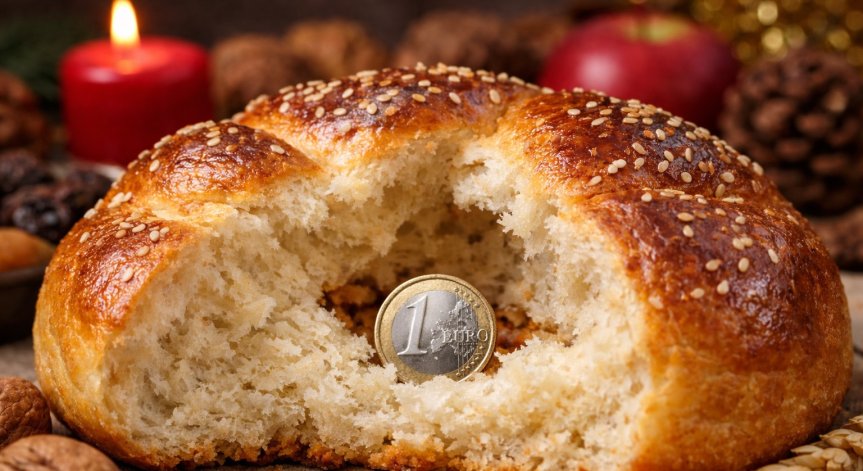
It’s tradition throughout the Balkans, as is the case in many parts of Europe, around this time of year to have a lucky coin in some sort of food item. In the Balkans that’s usually in pita/burek.
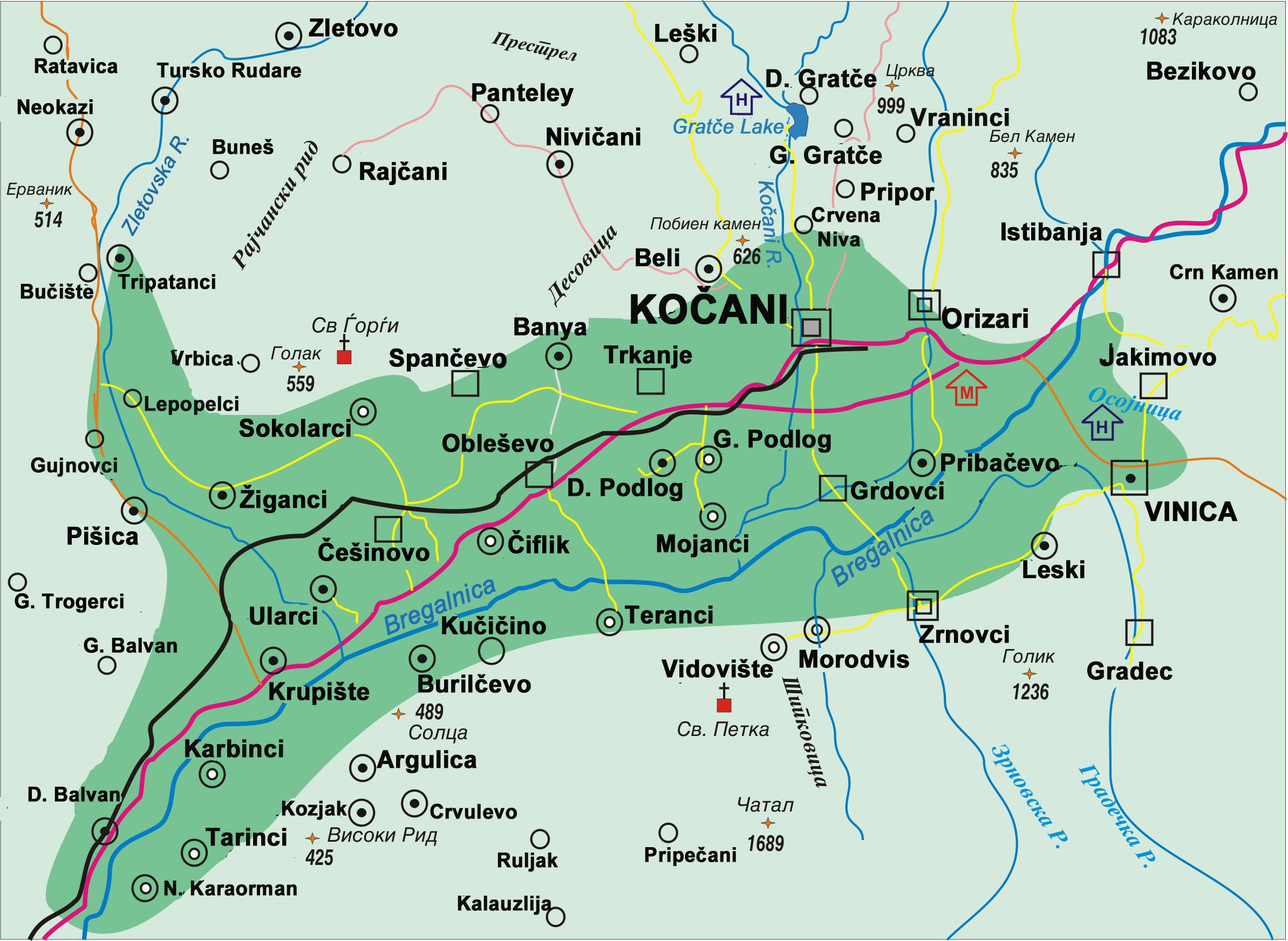
Some areas do this for Christmas, some for New Year’s. For instance, in my father’s hometown of Kochani, Macedonia, it’s Christmas; while in my grandmother’s region around Florina/Lerin, it’s New Year’s.
In the UK, and for that matter, Australia, the lucky coin has involved hiding a silver coin, historically a sixpence, in the pudding mixture on Stir-up Sunday for good fortune, bringing wealth and happiness to the person who finds it on Christmas Day.
The latest thing I’ve seen with Bulgaria’s adoption of the euro as its currency is that many Bulgarians are insisting that you can only use (now) old Bulgarian stotinki coins for this practice. One Bulgarian comedian I saw online ridiculed anyone who used the new euro cent coins.
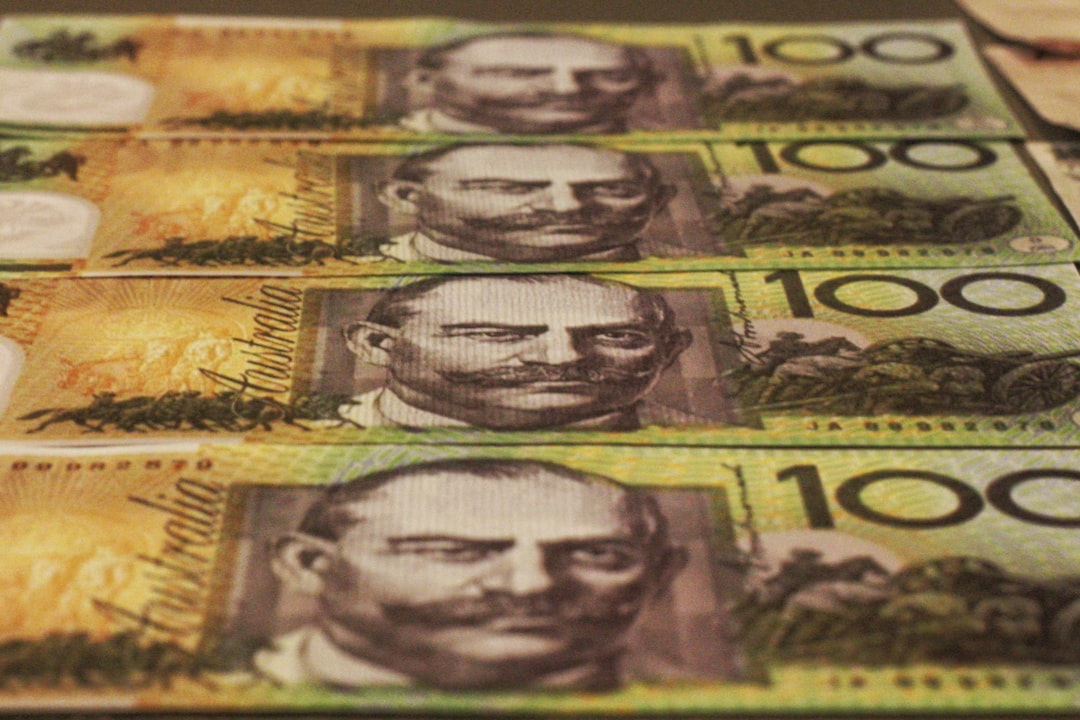
This has parallels. In 1966 Australia went from pounds, shillings and pence to decimal currency with dollars and cents. However, to this day some still insist that it must be a sixpence in the pudding mix instead of using a 5-cent coin. Some claim that older coins don’t release the same toxins as modern coins (solvable by covering with foil) but others go for sentimental/nostalgic reasons. For those Aussies who don’t have an old sixpence and don’t want to use a 5-cent coin, the Perth Mint in Western Australia has dedicated Christmas sixpence sets available for sale.





.jpg)

.jpg)
























.jpg)







.jpg)













_logo.svg.webp)




_(52052470251)_(cropped).jpg)










.jpg)














_(8249451687).jpg)