In my two decades working in localisation for Australia, I’ve encountered many a term that can get Aussies typing comments in cap locks. But none seems to get Aussies as hostile as this debate: is it peanut butter or peanut paste?
You might’ve heard how in 2024 the UK’s Court of Appeal ruled that Swedish vegan milk alternative manufacturer Oatly could no longer market its products in the UK as “milk” lest people mistake them for “real” i.e. dairy milk. This is unlike in the EU or the USA, where the authorities ruled otherwise: milk alternatives there can be marketed as “milk”, albeit with conditions.
But we’ve actually been here before.
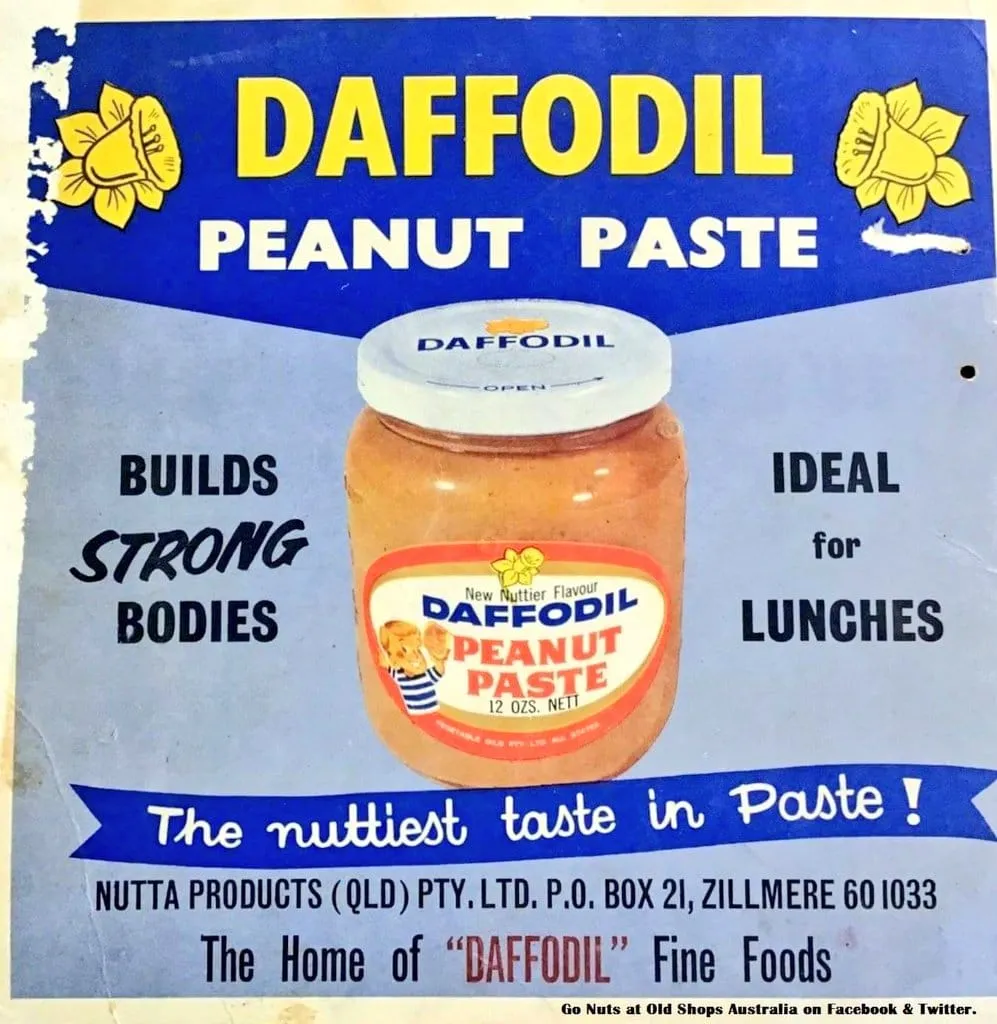
Let’s go back a century to 1920s Australia, where the country’s dairy producers were up in arms over a new product to hit the shops – peanut butter. Their argument was it could not be labelled as “butter” because it did not contain milk and could be mistaken for the “real” stuff. After much campaigning, in 1930 the diary producers of the state of Queensland won their case, and from then on “peanut butter” was by law “peanut paste”. South Australia and Western Australia followed suit, but the rest of Australia stuck to “peanut butter”, setting the grounds for one of Australia’s most volatile, resilient and strongly defeneded regionalisms (region-specific words).
You see, despite being the size of continental Europe; unlike the UK, Ireland or North America; and contrary to what many Australians would lead you to believe, Australia is remarkable in the nationwide uniformity of its English, whether by accent or vocabulary. Still, there are a small number of regionalisms in Australian English, either state- or region-based, and users of these regionalisms feel very attached to them and, at times, will defend them to the core.
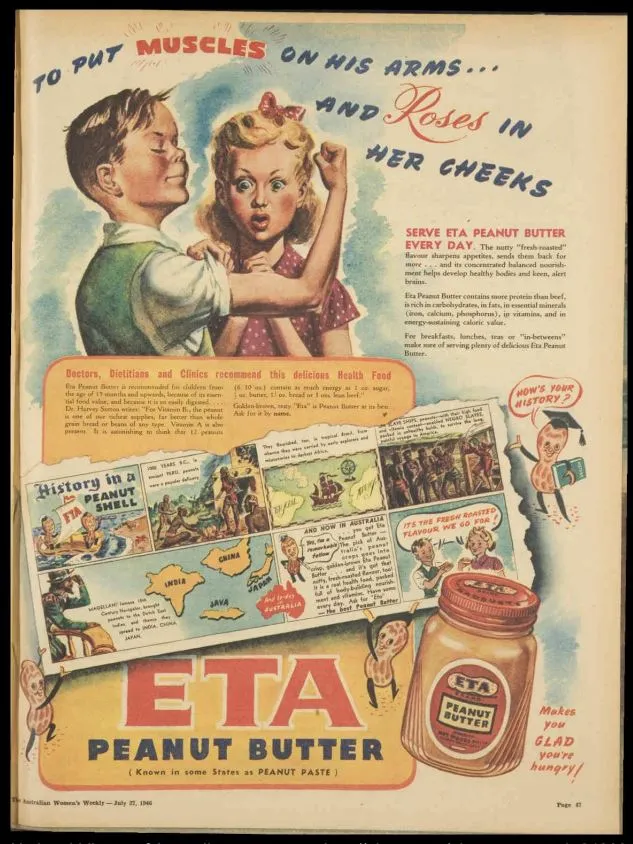
All was fine with peanut butter/paste in their respective states until the 1950s, when massive improvements in rail and road infrastructure ushered in centralised nationwide distribution systems. But how then to label “peanut butter” when some states mandated the term “peanut paste”? Some national advertisements got around this by stating “peanut butter (known in some states as peanut paste)”. A solution to this was printing separate labels on a state-by-state basis, though this was very expensive and cumbersome. By the 1970s “peanut butter” won out, primarily as that was the term used in Australia’s most populated states, New South Wales (capital Sydney) and Victoria (capital Melbourne). However, usage of the term “peanut paste” continued colloquially and massively in Queensland, South Australia and Western Australia, to the point that half a century later, many people in these Australian states will fight tooth and nail insisting the “proper” and only term for the food item is “peanut paste”. They will not entertain any other name, with your more passionate advocates vilifying the term “peanut butter” as that ultimate in Australian linguistic put-downs – a “vile Americanism” (for the record, it’s not).
While this debate over the term for this otherwise seemingly innocuous peanut-based spread could be dismissed as trivial and even anachronistic, again in 2024 one of Australia’s most popular social media groups dedicated to consumer nostalgia had to close its comments section to a post about peanut paste/peanut butter as, in true social media form, things became ugly very quickly – name-calling, accusations of treason, death threats, calls for a national uprising, the works! And this was no one-off. A year later, a good friend of mine alerted me of yet another huge social media war erupting in Australia on, of all things, the comments section on Australia’s most popular commercial real estate website’s Facebook page. And the topic? No, not real estate but peanut butter vs peanut paste. Things got volitile there too. The thing is that in both cases, none of these commenters knew anything about the story behind Australia’s peculiar usage of these terms.
Want to wade into the swamp? Then check out the comments here from this Australian nostalgia Facebook group post from 2020 about this very issue.
OK, so what have the expert linguists discovered? Have they settled it once and for all whether it should be “peanut butter” or “peanut paste” or both?
According to a dialectal survey done in 2015, an overwhelming majority of Australians use the term “peanut butter” – including people in the “peanut paste” states. The only areas of Australia where a majority used “peanut paste” at the time of the survey were the far outer regions of Queensland and the Mid-North and Yorke Peninsula regions of South Australia. There was also a distinct age divide: just over 20% Australians born before 1967, i.e. when there was still state-by-state labelling, used “peanut paste”, but for Australians born after 1967, that percentage dropped to less than 2%. That pretty much settles it then.
The fact that Aussies can still get hot and bothered about the term shows how it’s just a vocal minority fanning the flames… but then again it’s the squeaky wheels that get the grease. These are the dangerous ones as they do have the power to tank a brand’s reputation when loud enough, especially if Australia’s tabloid media pick up their beef.
As we’ve seen, and contrary to what any of the commentators said, both terms are acceptable in Australia, though as its producers decided decades ago, and the Australian public has since accepted wholescale, “peanut butter” is the term for nationwide usage. However, if you are in Queensland, Western Australia or South Australia, especially with oldies who pine for those “simpler times” (were they though?), then best stick to “peanut paste”… for your own wellbeing. However, if to be on the safe side, you can refer to them as “peanut spread”, but do keep in mind that peanut spreads tend to have less peanut content that peanut butter/paste (60-90% vs over 90%).
For more about this peanut butter name ban and its legacy, have a look here at this ABC report from 2023.
This goes to show that now more than ever you need good market research and the appropriate linguistic insight and validation before launching a product, service or even content. To maximise your return on investment and avoid costly PR disasters with the lucrative Australian market, hire a professional who knows Australian English inside out. That's me. Drop me a line at info@nicknasev.com and let's discuss.





.jpg)


.jpg)




























.jpg)





.jpg)















_logo.svg.webp)






_(52052470251)_(cropped).jpg)













.jpg)

















_(8249451687).jpg)