“Beauty never brought me anything good in my life, and while I lived abroad, it only brought me dangerous moments, because all kinds of people imposed themselves on me and surrounded me”
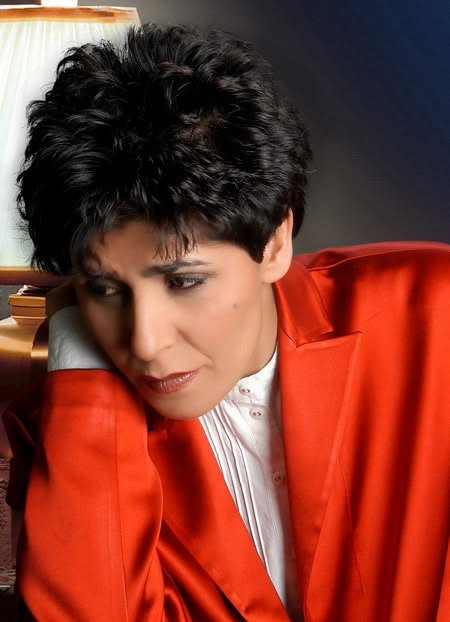
So said Olivera Katarina, the celebrated yet controversial Yugoslav and Serbian actress and singer who died on 21 July 2026 aged 86.
Born Olivera Petrović but initially known to world audiences as Olivera Vučo, she was not only one of Yugoslavia’s most iconic sex symbols but the great Salvador Dalí went as far to claim that she was the most beautiful woman in the world ever – she was “the only woman before whom he knelt”, which happened after one of her concerts in Paris, as he was enthralled by her beauty and voice
Olivera Katarina explained how she came to adopting her later stage name:
“I was very attached to my mother Katarina. When she became seriously ill, I was 28 years old; she was already bedridden, but she asked me to buy a TV so that she could watch the New Year’s show that I was going to appear in. I brought a TV and we watched the show together on 31 December. Four days later, she died. I lost my voice from grief. I couldn’t even speak, so I had to write to my loved ones on pieces of paper when I had something to say. That lasted for a while, but later I realised that life goes on. Out of love for my mother, I added her name to mine and that’s how I became Olivera Katarina and continued my career.”
Olivera Katarina (then Vučo) made her biggest splash as the enchanting lead in Aleksandar Petrović’s 1967 film Skupljači Perja (The Feather Collectors), otherwise known as I Even Met Happy Gypsies. Considered one of the best films of the Crni talas (Black Wave) of Yugoslav cinema, the film went on the win the Palme d’Or at the 1967 Cannes Film Festival, bringing worldwide fame to Olivera Katarina. Still to this day, no reference to Olivera Katarina in ex-Yugoslavia ever goes without mentioning how she sold out a record-breaking 72 shows at the Paris Olympia.
For much of the 1970s and 1980s, Olivera Katarina was a singing artist capitalising on the “Gypsy Romance” mystique first introduced to audiences by Skupljači Perja role. The lush performances from her many TV specials with Romani songs during this period are considered classics. My childhood favourite was this one, Androvera (Red Apple), where she spends most of the time throwing a red apple in the air and catching it. As can be seen, hardly an actual Roma person is part of her ensemble of backing performers, and that’s despite socialist Yugoslavia’s much vaunted and actual genuine efforts at Roma emancipation.
With her dark, you could say stereotype, features, plus her gypsy-heavy repertoire, most of ex-Yugoslavia and the world were convinced that she was Roma, when in fact, like all of her fellow actor colleagues in Skupljači Perja, she definitely wasn’t – a fact she was to make quite clear later in life.
With her health failing and her trademark beauty fading, by the 1990s Olivera Katarina transitioned to a recluse making bombastic statements in support of Serbian nationalism and social conservatism. “I’m praying for the saviour of the Serbian soul” was a headline from an early 1990s article about her, and here she appears on Serbian TV claiming the Croats once attempted to poison her.
She did come out of her self-imposed isolation in 2005 to collaborate with Marina Abramovic in Balkan Epic. However, for much of the past three decades, as much as her Paris Olympia stint is mentioned, so too without fail would her constant financial problems be raised, usually by Olivera Katarina herself. She famously once sold off all of the furniture in her rented apartment so as to pay off her outstanding bills. Amongst her friends, she was known to be a proud woman who never wanted to ask for help from them (it was a different matter when it came to the government).
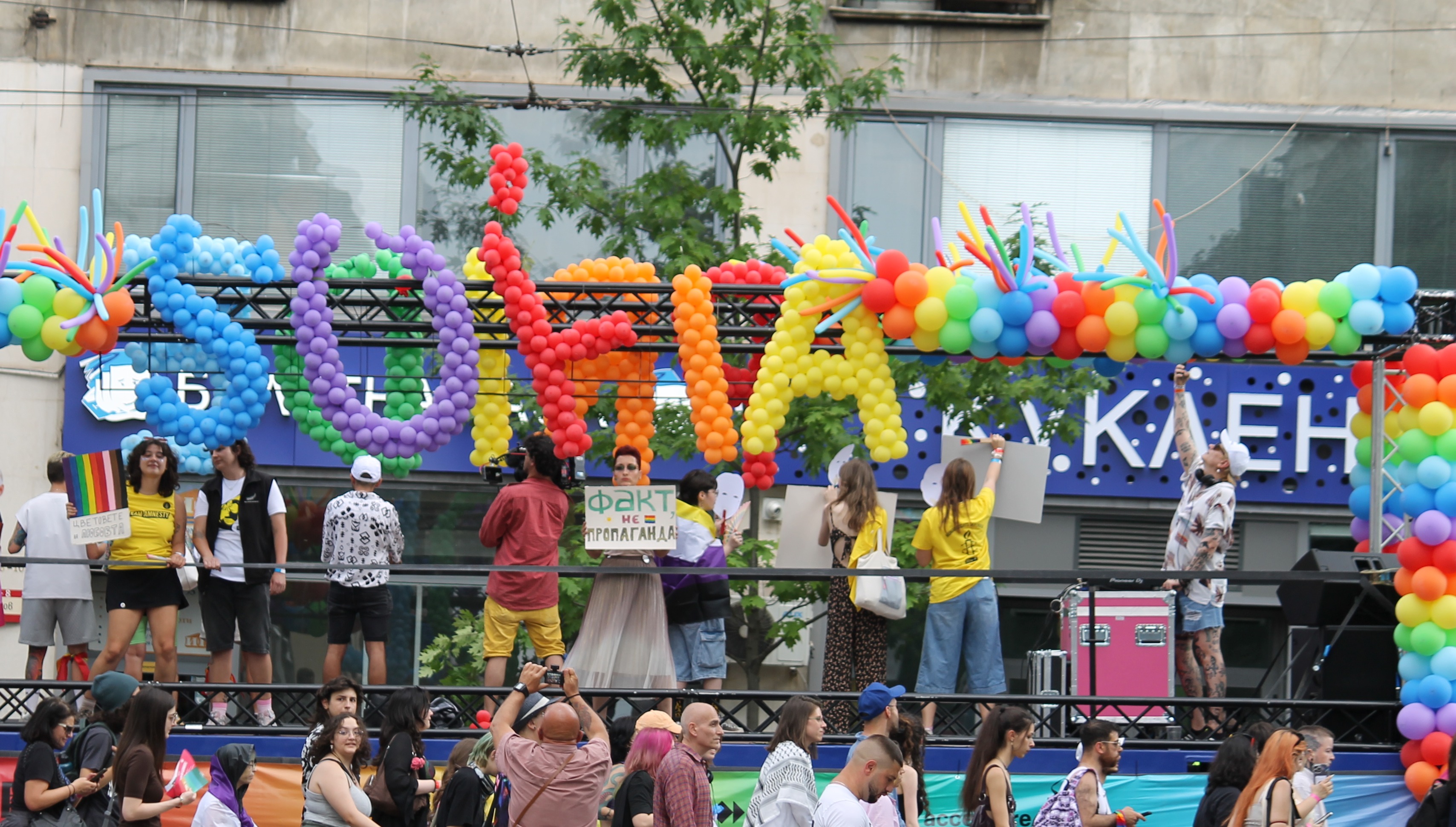
The outpouring of grief from the media and public in Serbia and, to a slightly lesser extent, the wider Yugosphere, over Olivera Katarina’s death has been somewhat surprising, given she had been out of the media limelight for the past few years and, in some quarters, almost completely forgotten – to the point that many were surprised she was still alive. Rather curiously, even though even though the Serbian tabloids would report that she was an opponent of LGBT+ pride marches in Serbia, I’ve been seeing many Serbian gay men post tearful eulogies for her. What can I say? Such is the power of nostalgia and celebrity deaths.
Maybe it’s best here to use the traditional Macedonian saying when someone has died – Bog da ja prosti (May God forgive her).
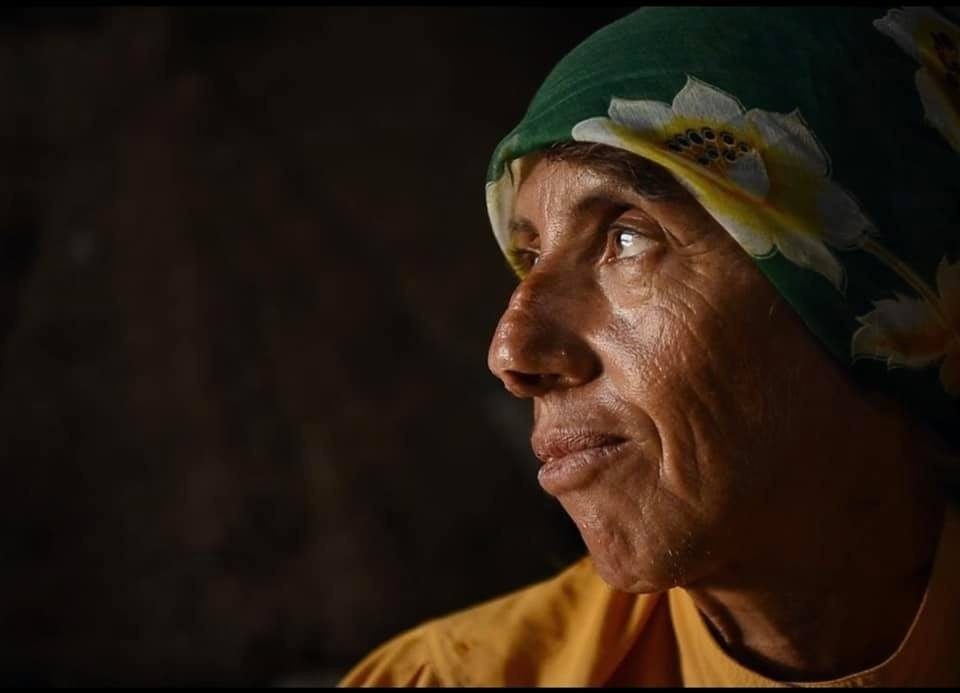
Photo credit: mreza-mira.net







.jpg)


.jpg)






















.jpg)







.jpg)












_logo.svg.webp)





_(52052470251)_(cropped).jpg)









.jpg)













_(8249451687).jpg)