Category:

Yugoslavia

South-east European culture

Macedonia

May Day in socialist Yugoslavia

Prvi maj aka May Day, also known as the International Day of Labour or International Workers’ Day, was one of the red-letter days on the socialist Yugoslav calendar. A day full of symbolism – it was not only a day of rest and nature but was also a focal point in the socialist ideology guiding Yugoslavia. May Day was that big that it stretched for two days, the 1st and 2nd May, and that’s still the case in Bosnia and Herzegovina, Serbia and Slovenia – Macedonia cancelled 2nd May as a holiday in 2007, a major sore point with Macedonians. Still, May Day was, and continues to be, one of the most anticipated holidays of the year in the region.

In many ways May Day was the socialist and secular Easter, much like how New Year’s Eve and Day were, and in many countries in the Balkans still are, the socialist-inspired secularised Christmas Eve/Day. May Day, like Easter, after all did start off as a pagan festival celebrating the rebirth of nature and the start of spring/summer. It’s these perennial and underlaying nature- and season-related elements that have survived to this day and give May Day in ex-Yugoslavia its current vibe and look.

May Day in socialist Yugoslavia also adapted and changed with the times. Starting from its copy-paste of the existing Soviet model in the early years of Tito’s rule, by the 1970s and 1980s May Day would eventually eliminate a lot of the Stalinist elements and instead take on more of these synthesised and co-opted pre-socialist practices.

Officially, and much propagated at the time, the celebration of May Day in Yugoslavia had a clear and strong political message – it was the day when the ruling League of Communists (as the Communist Party was known in Yugoslavia), together with trade unions and municipal structures, promoted the role of the worker in building a self-governing socialist society. Official public imagery would often show masses of happy workers, usually with Josip Broz Tito, Yugoslavia’s extremely charismatic paramount leader. Tito would be portrayed as the ultimate symbol of the workers’ struggle – always smiling, and appearing next to said workers, farmers or children in Young Pioneer uniforms.
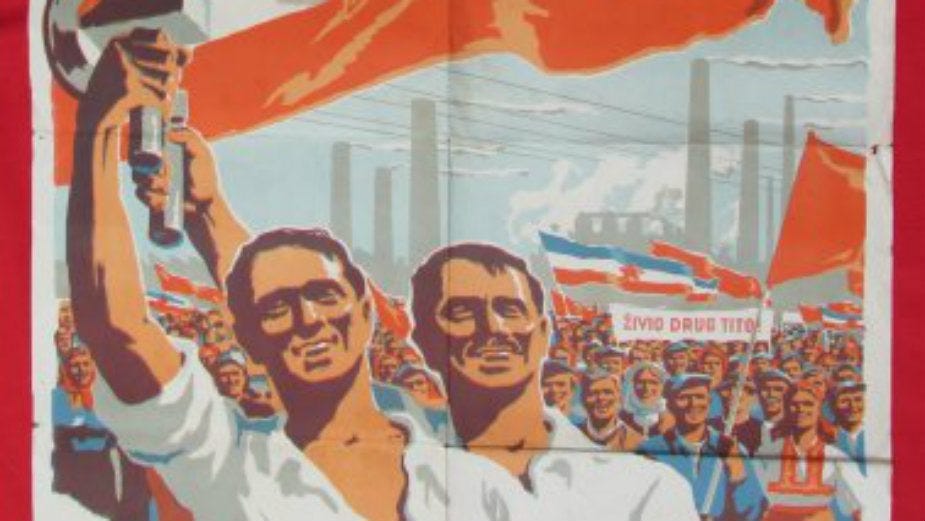
“Long Live Tito!” Official Yugoslav 1948 May Day poster

But let’s first get to its name. May Day in Yugoslavia was officially praznik rada, literally “the holiday of labour”, though more often it was just simply referred to as prvi maj (the first of May) – even the Croats, who otherwise have completely different names for the months of the year, used this term keeping in the spirit of the main official language of Yugoslavia, Serbo-Croatian. Post-1990, and reflecting the polemics of language in the Balkans, which always manages to force its way into all angles of everyday life, the day’s name, lo and behold, changed the most in Croatia. The Serbo-Croatian prvi maj has given way to the Croatian prvi svibanj, though many Croats still use the former; however, the authoritarian government under Croatian nationalist Franjo Tudjman obviously had nothing better to do in 1996 and so they insisted on renaming the day officially from praznik rada to the ‘purer’ Croatian blagdan rada – the former name was promptly returned in 2001 after the change in government.

One of the main features of May Day in the the early decades of Tito’s Yugoslavia was, to use the official media’s term, ‘spontaneous’ parades. A complete paradox as these highly organised parades were not spontaneous at all but carefully choreographed as part of state propaganda emphasising the value of collective labour and solidarity. The slogans that would appear at these parades, such as “Long live the working class!” and “Labour is honour”, were not just rhetoric, according to many, but embedded into everyday Yugoslav discourse, featuring constantly in Yugoslavia’s educational systems, the media and institutional culture at the time.

From liberation starting in 1944 until Tito’s groundbreaking split with Stalin in 1948, socialist Yugoslavia was much like the other “people’s democracies” of Soviet-controlled central and eastern Europe – it simply applied the Stalinist system operating at the time in the USSR in full and with no questions asked. The same went with May Day, as this 1946 report on celebrations in the Croatian capital of Zagreb shows:

“Celebrations for the Day of Labour in Zagreb started at factories, schools and social organisations and institutions, from where processions of people marched on to the centre of Zagreb. The first and honourable place in the procession went to the workers of the Metalworkers’ Union, amongst whom the May Day workers were at the forefront. Immediately behind them were the workers of the Rade Končar manufacturing goods factory. The numerous slogans carried by the participants in the procession highlighted the collective’s successes and what quotas had been exceeded. Odred (Detachment) 16 of the Young Pioneers proudly boasted ‘we collected 55,000 cans!’. Other banners proclaimed ‘since liberation, we’ve built 30 bridges’ and ‘In our May Day contest, we repaired 1,205 telephones’. In Zagreb’s main square, next to the well-decorated stage, from which union leaders and model workers addressed the masses, a monumental anvil was erected, decorated with a large union emblem and the Yugoslav coat of arms, as well as huge, stylised sheaves of wheat, which were tied together with the colours of the Yugoslav flag.” An estimated 150,000 people participated in this parade – an impressive number for Zagreb at the time (the city’s population in the 1948 census was 227,538)
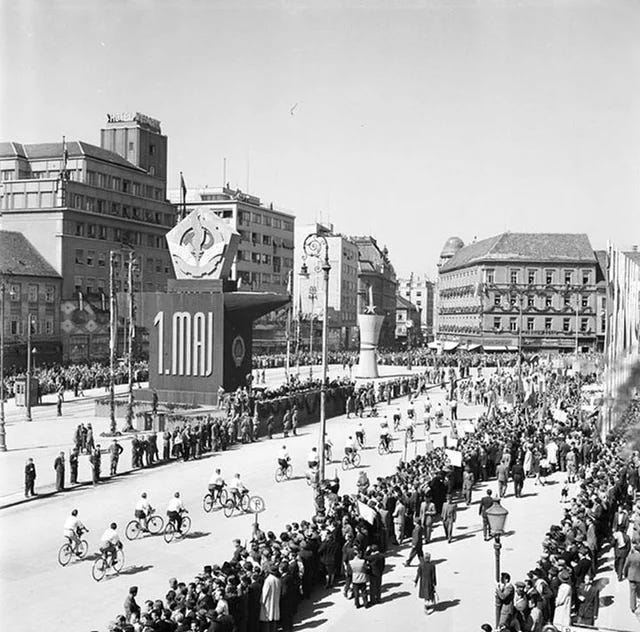
May Day in Zagreb, 1946

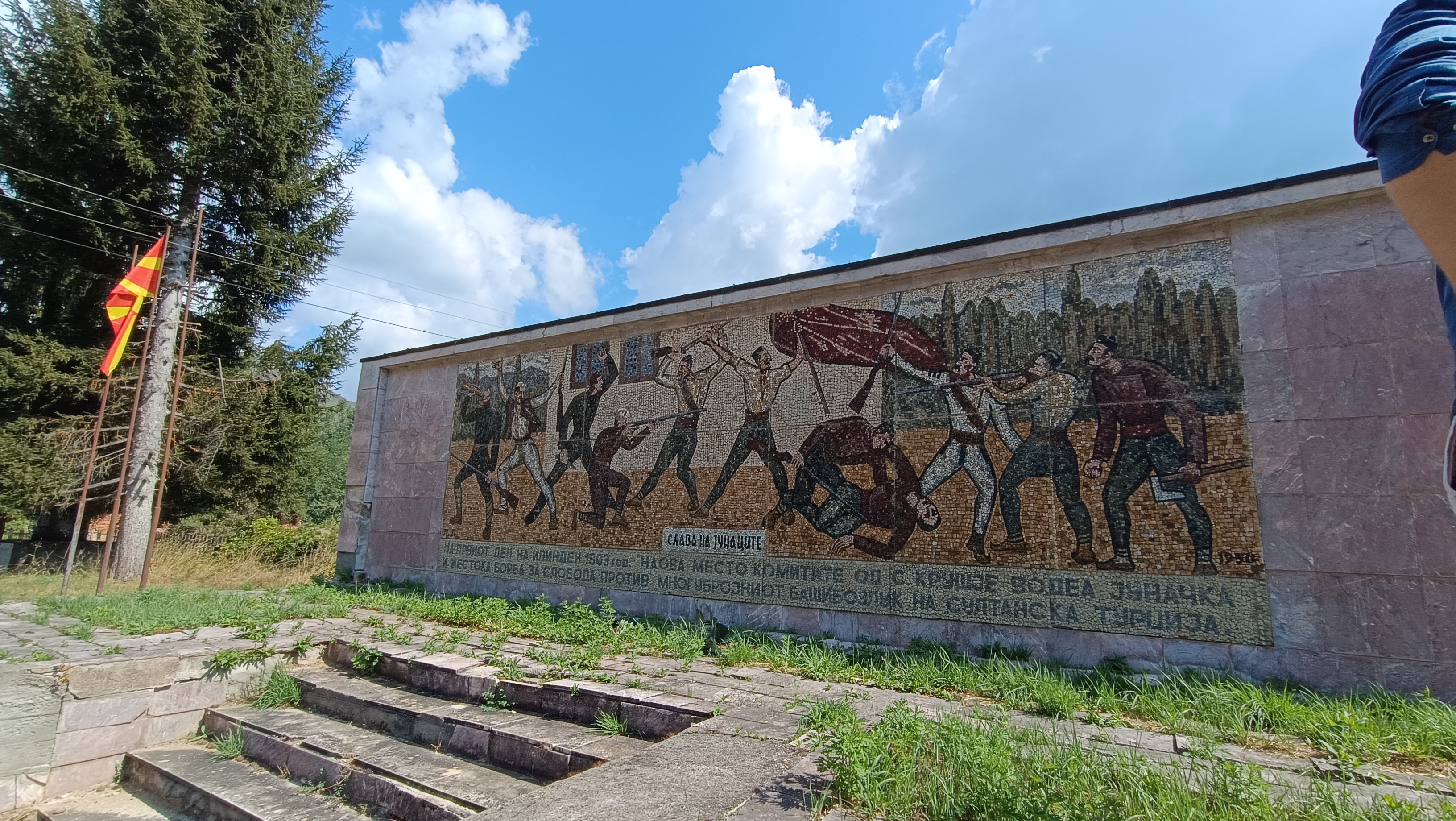
In Macedonia, the main parade used to take place in the capital city Skopje, down ulica Makedonija and across Skopje’s main square then named after Marshal Tito (now named after Macedonia and crowned with a giant statue of Alexander of Macedon). In the 1940s and into the 1960s these parades were major spectacles with banners, flowers, displays of strength and discipline, and columns of happy children and stern-faced workers and peasants expressing their love for Tito, the local communist party leadership, labour, peace and the future. In Macedonia’s provincial cities, local factories would get their workers to proudly parade through their city centre, carrying their own banners with the names of their most prominent and awarded workers. Showcased was how socialist Yugoslavia was advancing rapidly, with floats displaying the signs of industrialisation and progress, and commentators listing detailed figures such as a 39% increase in milk production. Riveting stuff!

Curious as to how it looked like?

Here’s a news reel from 1960 featuring the Skopje May Day parade.

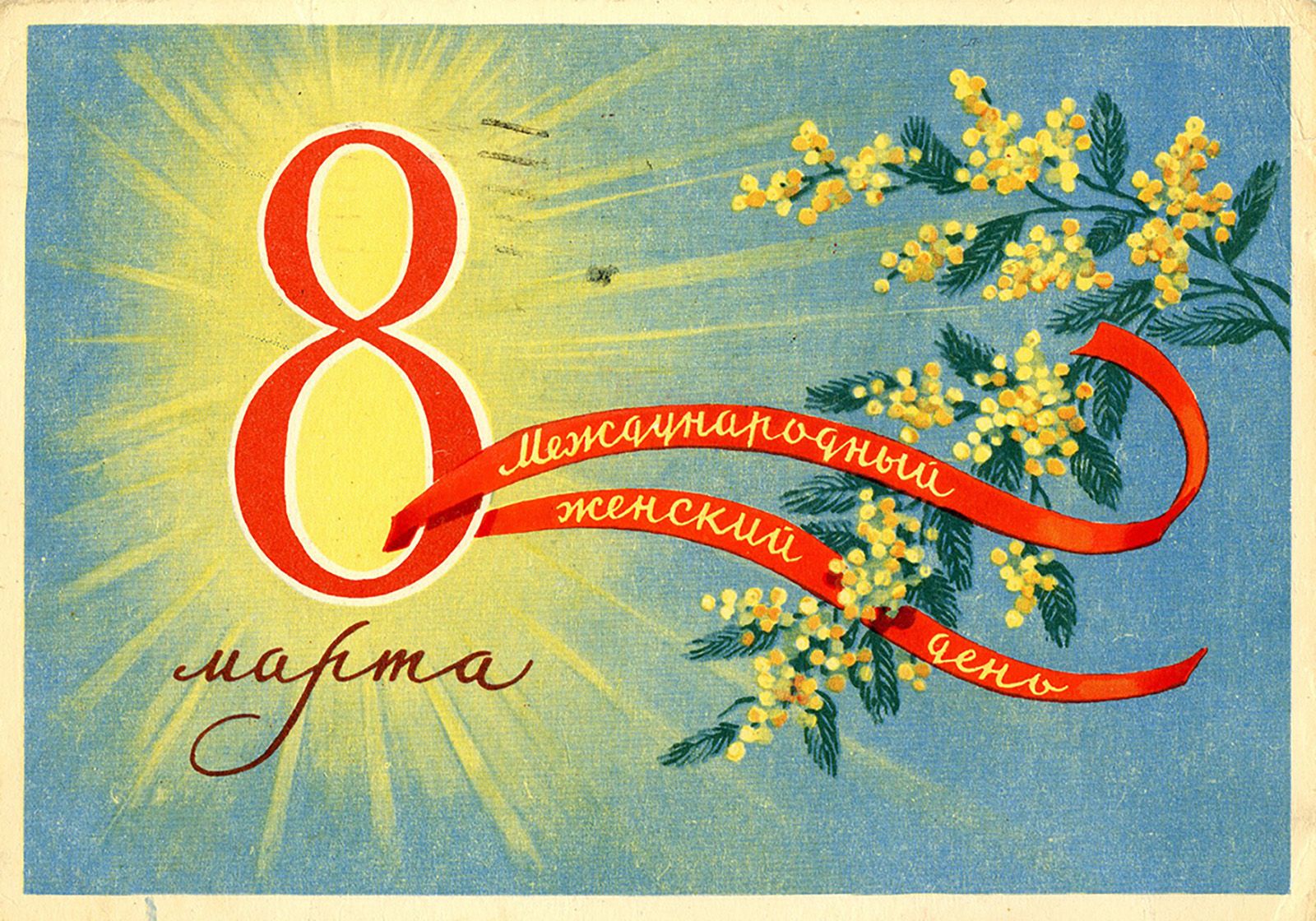
As the above news reel shows, media played a key role in shaping the public image of May Day. On the day before the holiday, newspapers would be full of dedicated articles, profiles of prominent workers, reports from factories, announcements from unions and, of course, the obligatory message from Tito. Radio stations would broadcast programs dedicated to labour and worker pride. The posters on display would be artistic and symbolic: the sun rising behind a factory, a hand holding a tool, a child waving to his factory-worker father, etc. At schools, teachers would organise special May Day performances, and students would have to write essays with titles such as “Why I love labour” or “My father, my hero.”

Of course, these visual and textual representations were part of a broader cultural program teaching generations of Yugoslavs that labour was not just a means to an end but the highest of moral virtues. Even children’s magazines in socialist Yugoslavia well into the 1980s would present workers, farmers and members of the armed forces as people worthy of respect and honour. School parades were part of the upbringing for future “conscious citizens” who were to continue Tito’s socialist project unswervingly. Even I as a 1980s child in the Yugoslav diaspora (on my father’s side) in the decadent west was not immune to this. We’d regularly receive these children’s magazines where, in between articles about rock stars and pictures of children in fancy-dress costumes, there would also be drawings, sent in by readers, of tanks adorned with red stars shooting at fascist invaders, and poems glorifying past revolutionary heroes.
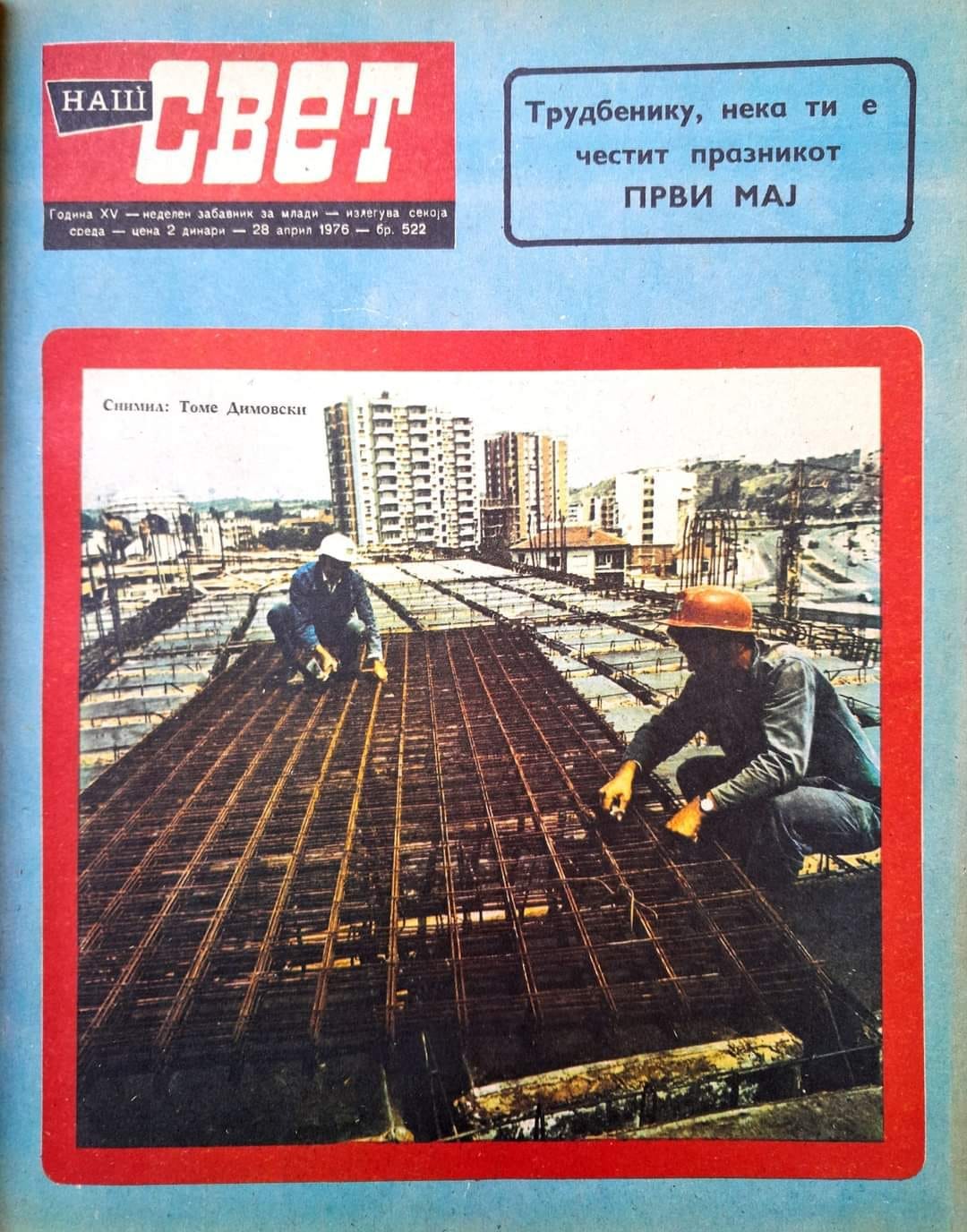
Groovy! No, this is not a trade or industry magazine. This was the cover for the 1975 May Day edition for Macedonian children’s magazine Nash Svet (Our World)

In 2024, Croatia’s Večernji list newspaper published an interesting article after having delved into its archives and reposting what their journalists had reported about May Day over the years in socialist Yugoslav Croatia…

“‘I’ve loved all our lively May Day celebrations, whether it’s now or in the past, but the first, free celebration of the workers’ holiday in my home city of Split remains my favorite of all time. I was young, the city was festively decorated, and my heart was in a flutter.’ That’s how in 1975 Lucija Bilić Luce, a ‘defiant and brave Split resident, wife and mother’ described May Day 1945. She remembered all the details: ‘the wreaths of ivy and cypress branches, the intoxicating scent of freedom, the accordions being played and the young, enthusiastic people of Split who, at the crack of dawn, while singing joyously, rushed out in lorries to nearby villages to pick flowers and branches that they used to decorate all the entrances and shop windows of Split.’ In those first, post-war years, as Luce recounted, the hills around Split were ‘almost overwhelmed by crowds of people; the songs of thousands of early risers echoed through the stone squares and narrow streets of Split, kolo dances were performed on the waterfront, and the entire city was on its feet from early dawn until late at night.’”

What Večernji list found when sifting through its archives is that going by what it was reporting, May Day celebrations in the immediate post-WWII decades heavily involved most people not leaving the cities but rather the provinces coming to them en masse to celebrate May Day. By the 1970s though, May Day was still being touted as a holiday of joy and freedom, being celebrated with almost equal fervour throughout the country with the usual grandiose events – the opening of new factories and plants, the awarding of certificates and medals to workers, etc. However, the bigger story now was that the May Day holiday, since extended to two days, had become one of the key periods of the year for the fast-growing Yugoslav urban population to escape their cities and cramped apartments and head off on holidays to resorts on the Adriatic coast, return to villages to see relatives and pick up on much needed supplies, picnic in areas deep in the interior and, for those with means, holidays abroad, particularly shopping trips for jeans in Trieste, Italy.
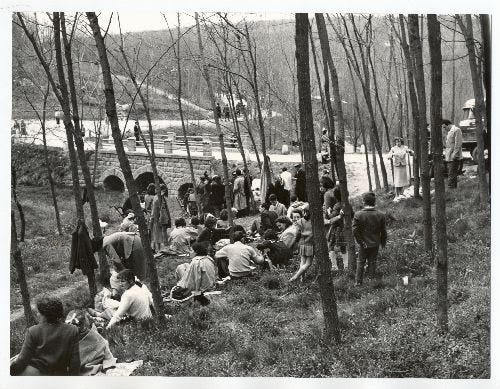
May Day izlet near Belgrade

On the one hand, the official side still presented May Day as a day for the collective expression of working-class pride and identity through parades, rallies and trade union-related festivities. However, higher on the list for most Yugoslavs, and especially once the official side was over and done with, May Day to your average Yugoslav was a day of family, relaxation and nature, the centrepiece being various forms of izleti – picnics in local parks or outings to the countryside. It’s this side of socialist May Day where the holiday had its continuity from the pre-Socialist past – many of the traditions and practices were similar to those Christians and Muslims in the Balkans would do for spring-related festivals and holidays such as Easter and Hidrellez, and form the bulk of the traditions that have survived the fall of socialist Yugoslavia.

One of these co-opted traditions was, and still remains, the May Day uranak or budnica (lit. “early rising”), a vigil at dawn often accompanied by a bonfire at a location somewhere deep in nature. These vigils post-WWII were infused with a heavy dose of politics, emphasising the link forests and nature had being the main domain of the Yugoslav partisans during the National Liberation War (as World War II within Yugoslavia 1941-45 was known). This would be followed by outings (izleti), barbecues and socialising in nature – and it’s these features that still form what is May Day for most ex-Yugoslavs. Nowadays, these vigils are more like picnics. People will often camp out and sleep in tents the night before to grab themselves an ideal location for the upcoming day full of picnicking, barbequeing, drinking and loud music.
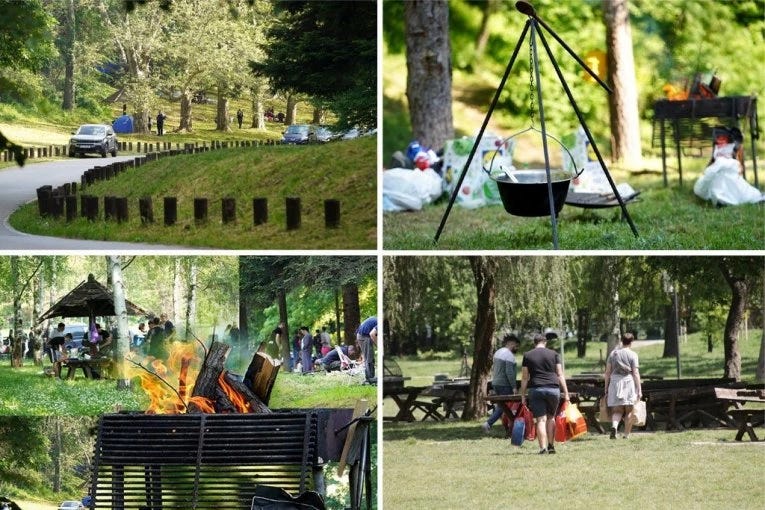
Uranak/budnica essentials

It was these picnics more than anything else that gave the holiday its revelry and festive ambient. The focus away from oficial parades in the 1970s was in keeping with the massive changes that came with the huge rise in living standards in Yugoslavia, as well as mass urbanisation. Yugoslavs had gone from mere workers and peasants to voracious consumers and were more into the latest European fashions and rock music than the proclamations of the League of Communists. This change in outlook and greater general prosperity prompted greater individualism, affecting not only how Yugoslavs celebrated May Day but also how they lived their lives. These May Day picnics would be, and still are, in local parks or nearby places of nature – basically anywhere there was any green patch, sometimes organised by work units but more often they were as units formed of family members or a select group of friends within a wider mass of people. People would bring food, particularly meat for grilling and seasonal salads, drinks and radios or casette players and make a day out of it. Let’s just say, it’s loud!

May Day in essence was when nature, the people and the system intertwined. The original izleti would keep to the socialist theme promoted for the day, so when it came to music, partisan songs would feature heavily. After all, the partisans in World War II were, as it goes in the popular song, po šumama i gorama (through forests and over hills). As it was a holiday for the people, narodna muzika/glasba i.e. the people’s music would be the go-to, and this is the case today – the soundtrack of contemporary May Day celebrations is local music, whether it be folk, turbofolk, pop or rock.

Another feature of these izleti was, and still is, the mass preparation of bean soup (grah/pasulj). Billed as a simple and hearty dish of the proletariat and usually made in a huge cauldron, this soup would be distributed to all present. This was a secularised adaptation for communal food commonly practised in celebrations of religious festivals, whether it be for saints days for Christians (Orthodox or Catholic) or kurban for Muslims. This bean soup is also known as vojni pasulj/vojni grah i.e. “military bean soup”, as it was no different to how the dish was prepared and served to the soldiers in the much revered Yugoslav People’s Army.
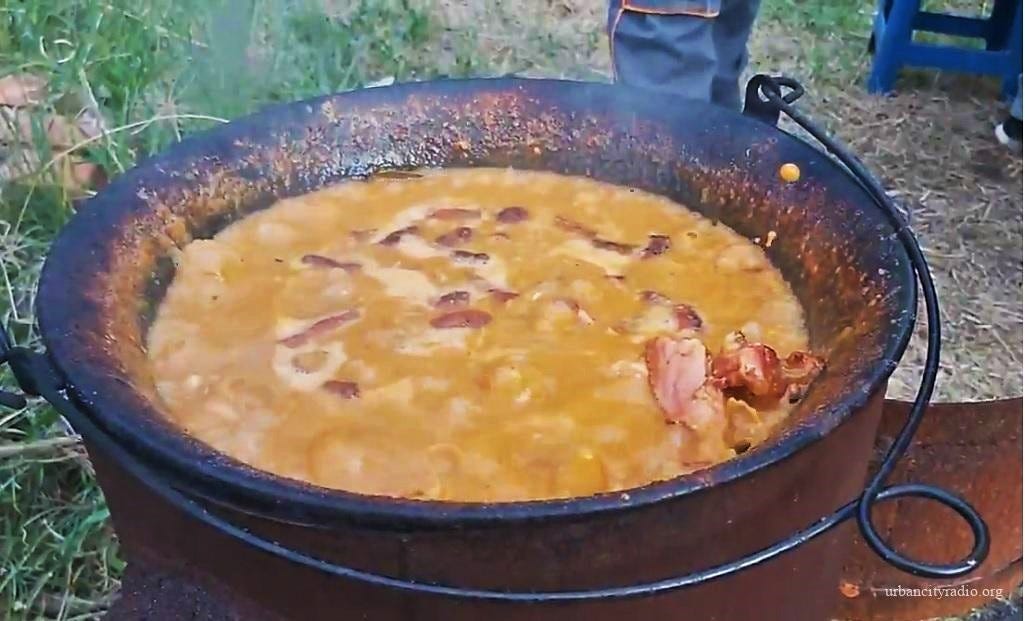
Pasulj/grah

Mass izlet celebrations would attract thousands of visitors, and with the bean soup on offer, entertainment would be put on to give the working class a celebration. Večernji list reported how in 1983, the Zagreb trade union council organised the first all-day May Day celebration in the city’s central park Maksimir, a tradition that continues to this day. Zagreb residents who opted to remain in the city for the holiday could enjoy the smorgasbord of entertainment put on featuring well-known actors, singers, and cultural, artistic and folkloric groups. Many people would spend the entire day in the park as entry was free, but not the grah, which in 1987 cost 300 dinars (US$0.66) per serving. Nowadays, which artists will be headlining the event is eagerly anticipated news in Zagreb, with big-name stars bound to draw huge crowds.

Sports were also encouraged as part of May Day celebrations and still are an important part of festivities. Come the afternoon of May Day, nets are set up for social volleyball matches, the nearby basketball court (there are plenty of those throughout the region) will be packed out with people of all ages doing hoops, the jackets every Balkan mother has told their (even adult) children must wear are now off and forming the goal posts for football (soccer) games, and the oldies will be taking their lawn bowl session very seriously.

A regular feature for May Day would be the opening of new factories, facilities, buildings, infrastructure… you name it, to much fanfare and with cheering crowds on hand. The launch of these projects on such a prestigious day would be showcased as symbols of how Yugoslavia’s socialist system was serving its people and particular the working class. However, and as it was becoming quite apparent come the 1980s, it wasn’t clear as to who was paying for all this. The huge loans Yugoslavia took out in the 1970s from western banks needed to be repaid, and that simply wasn’t happening as it should. Soon after Tito’s death in 1980, Yugoslavia started its steady decline into huge economic turmoil that would have catastrophic consequences.

Unlike in previous decades when reports on May Day celebrations were unthinkable without footage or pictures of the local party boss cutting the ribbon for something new and flashy with a large crowd in tow dutifully clapping, by the late 1980s May Day became relatively muted. Večernji list’s 1988 May Day headline said it all: Celebration in the Shadow of Crisis. This foreshadowed the end of an era and the imminent coming of major, and violent, changes. As the Croatian newspaper aptly narrated, even though dark clouds were looming over most of Yugoslavia that year, figuratively and literally, not even the possibility of bad weather prevented hundreds of thousands of Yugoslavs from getting out of their homes and, for at least that one day, udarili brigu na veselje (threw their cares away) and enjoyed their day outdoors.

Even before the breakup of Yugoslavia and the transition to full capitalism and multiparty systems, May Day had shed most of its socialist ideological aspects. Today, the holiday remains a big day in the calendar all throughout ex-Yugoslavia, but all the parades and the stuff about “labour” are all but a distant memory at most. Local media outlets often recall what May Day used to be like (like in that Večernji list article), to the nostalgia of older readers and to the amazement or disbelief of those who’ve grown up post-Yugoslavia. Trade unions in the region still organise protests and parades on May Day to highlight local issues facing working people. These protests bring May Day back to its original modern purpose, but the number of people attending these is very small.
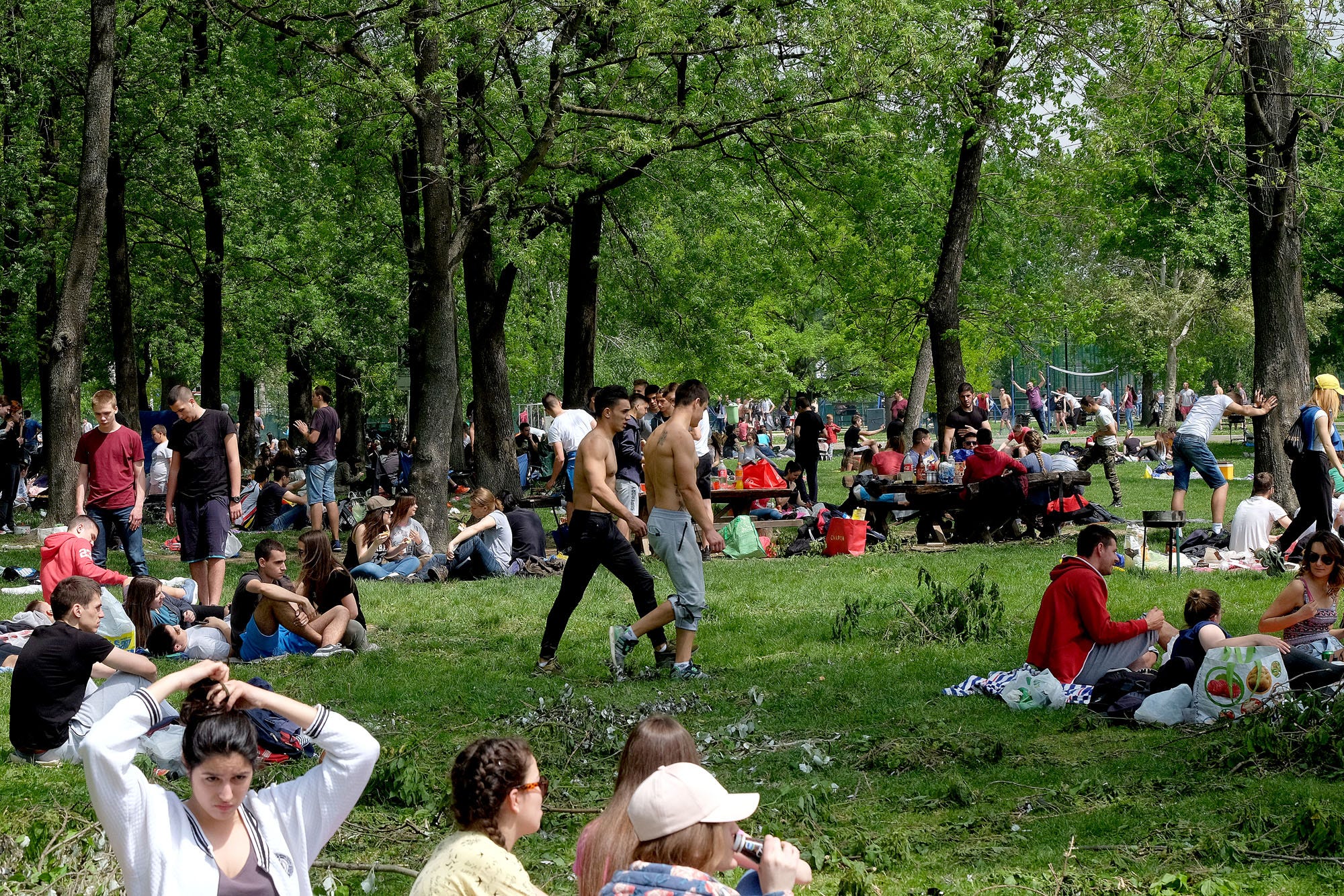
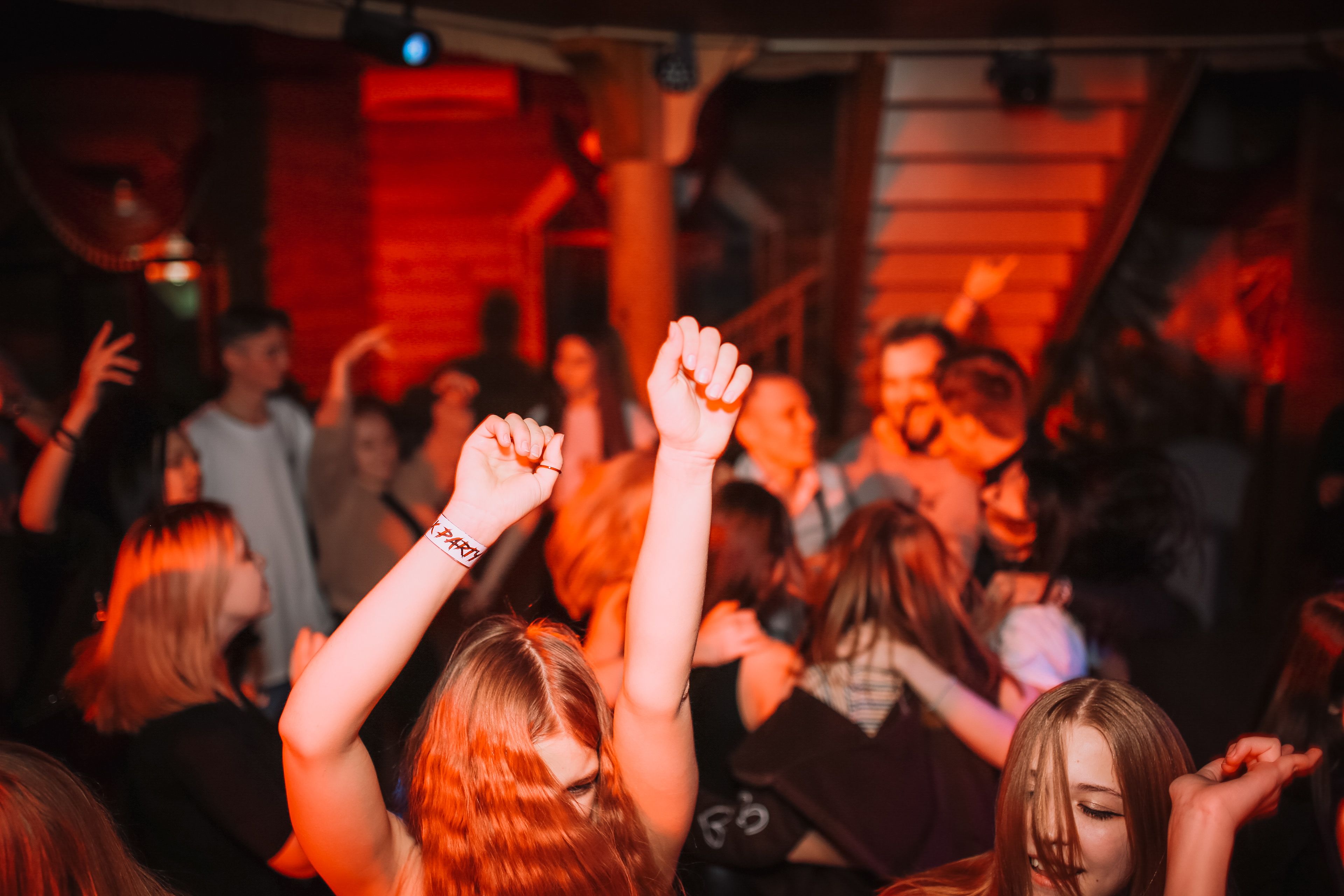
How May Day looks like these days throughout ex-Yugoslavia

So what’s it been like since the 1990s? Well, it’s still one big picnic. There’s still gatherings in parks or countryside, plenty of eating and drinking, and loud music. Young people in particular get into the day. The photo above pretty much sets the scene. Usually a fun time is had by all.

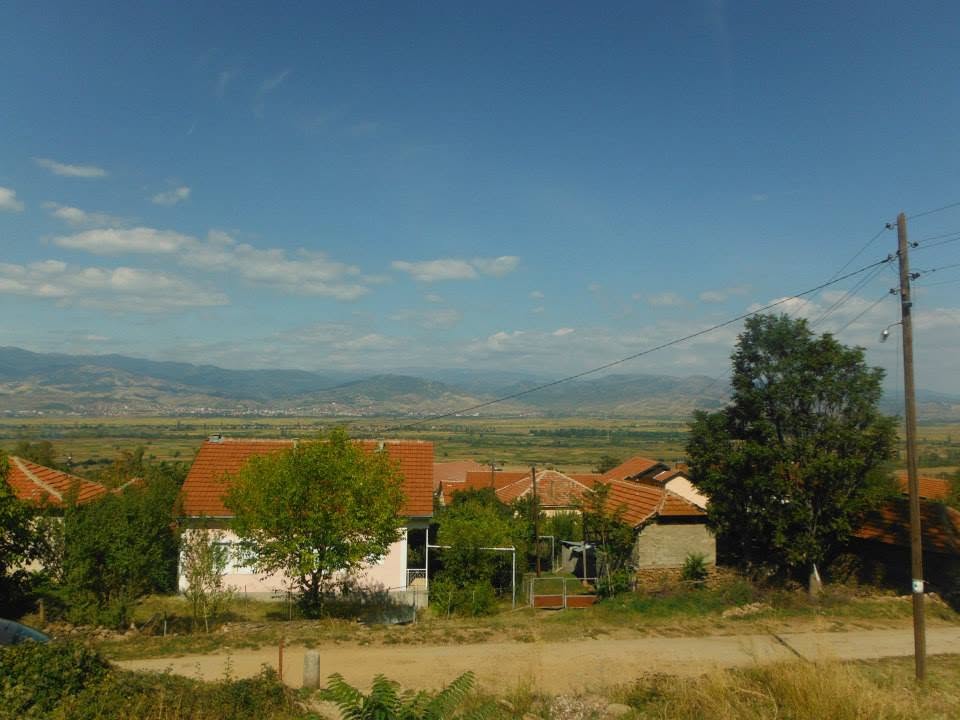
But it’s not always as planned. Let me tell you about one of my most, erm, memorable May Day experience. Here’s what happened when I did Majo (as Macedonians colloquially call May Day these days) in 2003…

At the time I was living in Macedonia, mainly providing company for my grandfather in his village. His wife (my grandmother) had died suddenly two months earlier, and his only offspring living in Macedonia, his daughter (my auntie), had gone on a three-month trip to visit my father (her brother) and my mother in Australia, so my grandfather was on his own and feeling rather lost. Of course, what didn’t help with everything was that my grandfather, like most of the other old men in the village, was a heavy alcoholic. Actually, his nickname was chelik, Turkish for ‘iron’, given he could outdrink everyone else as he was “tough as iron”. He was also a grumpy old thing – no shocker, really.

I hadn’t done a May Day in Macedonia since I was a child, so I had no idea what was the norm. My grandfather had told me I have to wake up before dawn so that I can get to the May Day izlet site at a nearby monastery. I don’t do the waking-at-dawn thing (well, not then), so my plan was to make my way there a little bit later. In any case, a younger relative of mine woke me up at around 6 am (rude!) and forced me to go with him. I was not a happy camper. When we arrived at the site, quite a few people, particularly teenagers, had already set themselves up for the day with chairs, tables, crates of alcohol, food and barbeques… on what was the side of a very steep hill. The thing is Majo in my grandfather’s village is a day of heavy eating and heavy drinking in the direct sunlight, but the true goal for the day was not to get so drunk that you fall down the hillside. Hardcore! Needless to say, as the day progressed, there was a steady number of casualties, much to the amusement of the many onlookers. One heat-affected guy almost knocked me like a domino as he tumbled down the hillside, beer still in hand no less. To top it all off, I was also punched in front of everyone by a guy I knew from the village. Honestly, I didn’t expect to be part of the day’s entertainment. My opponent had been in a relationship with one of my godsisters from Australia whose mother was from the same village as my father. Our Romeo had fallen head over heals in love with my godsister… and her passport, and his parents were already talking in earnest about wedding plans and their son’s rosy future life in Australia. Just one problem though – she was just not that into him. It took a while for him to figure that one out, especially when she had returned to Australia and was not answering his emails or calls. He had been heartbroken for some time, with his dreams all shattered. Wanting to get a clear answer from someone about what had happened, he asked me a few times whether I knew if my godsister still loved him. I didn’t have the heart, or guts, to tell him at first that their relationship was a non-starter to begin with, but after his constant questionning turned into nagging, I just suggested to him that he forget her. That’s first love, and ticket out of the poverty of the village, gone. Still, the rage was building within him, and so in a fit of rage, the switch flipped and Romeo decided at May Day, in front of everyone, to take it out on me, the only Australian-Macedonian in the village at the time. Now I’m a lover not a fighter (wow… I went there) but still, this guy’s right hook was pretty dismal. He was, after all, so drunk that he practically knocked himself out, but he almost took out the cauldron full of the bean soup being doled out to everyone, so kudos to him for (inadvertently) going for such a tough target. But this being Macedonia, such public brawling is frowned upon, and it’s criminal to threaten bean soup like that, so the guys nearby immediately grabbed hold of him and basically told our young lover to get lost and sober up. Hey, that really shook me up, not to mention ruin my day. As I ended up complaining to my great aunt who, true to her role as the lead gossip in the village, just happened to be in pole position to witness it all, it’s not my fault that I’m from Australia.

So yeah, happy May Day!
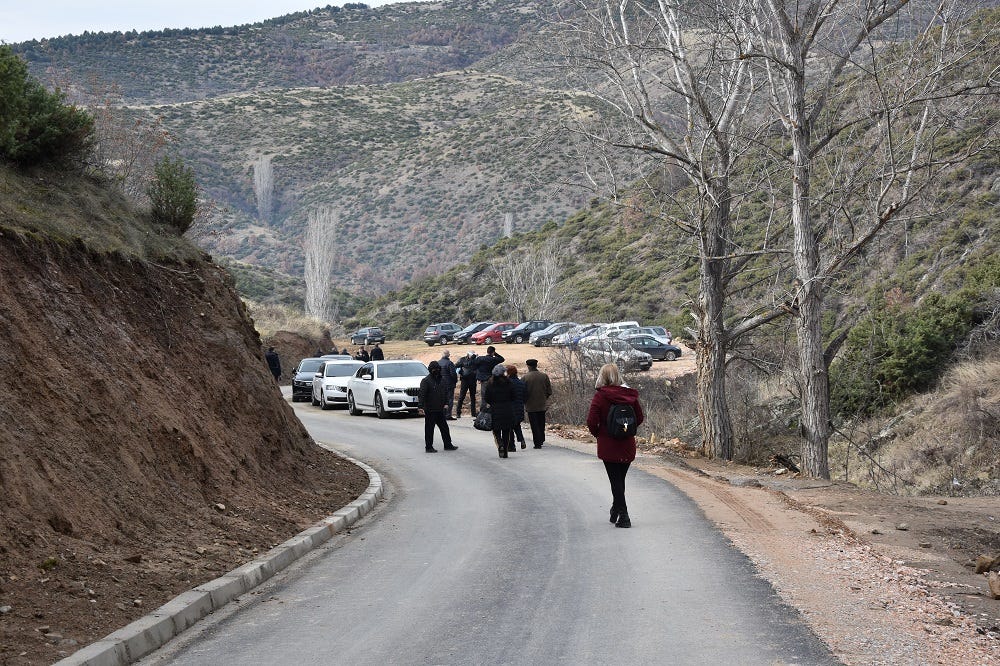
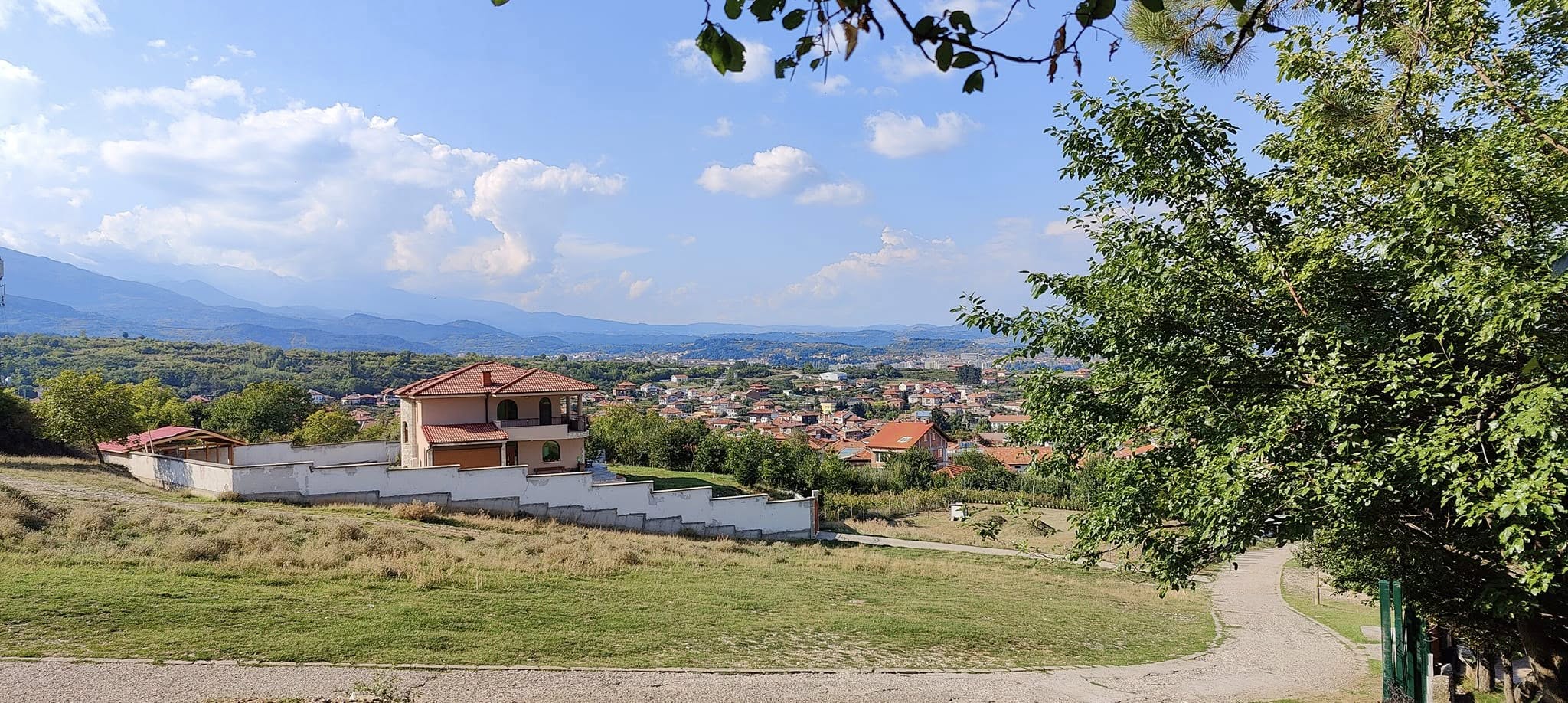
On the way to Mayo in the hills

Though May Day izleti, uranaci and budnice are done in public areas and with a collective spirit, most May Day celebrations now for people in ex-Yugoslavia are generally personal and private affairs. While on May Day it still seems that every bit of greenery from Vardar to Triglav has been taken over by people grilling meat and listening to loud music, it’s becoming less of a phenomenon as the years pass. Some municipalities throughout ex-Yugoslavia have been starting to ban barbequeing in public parks, the amount of rubbish left behind from lazy people always makes the news every year, and many people in the region, who are living from paycheck to paycheck, simply can’t afford the expense of the day. On the flipside, those with the means and can add a few extra days off use the opportunity to cross the border for holidays – Greece being the most popular destination. Border crossings are packed on both sides of the holiday, with news bulletins regularly reporting wait times (sometimes of several hours) at the major points.

Nevertheless, for many, especially those who grew up with the image of May Day as a day of worker pride – this holiday remains an important symbol. It recalls a time when labour was a core merit, and average Yugoslavs had some sort of safety net and certainty in their lives. In today’s context of flexible contracts, low or no wages, mass emigration and an uncertain future in the region and beyond, it’s time to bring May Day back to its roots as a day of struggle, not only for respect for workers, but also for better conditions, security and a dignified life for all.

Share this post

Nick Nasev smiling

Hi, zdravo, bok, zdravei, g'day! I’m Nick Nasev, an Aussie of Balkan background living in the UK. I’ve been a translator and editor for 20+ years. If you have an interest in languages and all things Balkan, Eastern European, Australian and beyond, along with a dash of corny and irony, then stick with me as I rant about my experiences and stories.

Your text deserves to be taken seriously; have it translated and edited with confidence.

info@nicknasev.com

Contact me with the details of your text at info@nicknasev.com

Continue reading

Australian English: spruik

Time for me to spruik the very uniquely Australian term spruik. What does it mean and where did it come from?

Read more

Anchor clients and the power of reminders

What are anchor clients and how I was able to regain one thanks to sound advice on using reminders

Read more

Watch my talk on Balkan multilingualism

My talk about Balkan multilingualism can be seen now!

Read more

Hotel, bridge, landmark: Novi Pazar’s Hotel Vrbak is 50!

The hotel that’s a casbah and a bridge in more ways than one, as well as one of the finest examples of socialist Yugoslav orientalist architecture. A look into the hotel, its city and region.

Read more

Olivera Katarina (1940–2026)

The only woman the great Salvador Dalí knelt for. The glory, mystique and controversy surrounding this celebrated Yugoslav and Serbian actress and singer.

Read more

What's the obvious sign of a lazy translation from English into any other language?

Translation is supposed to convey info from one language to another, but if you just use the words only tweaked from the source language, then you're doing a disservice.

Read more

I found the actual Ken Lee!!!

This has had me laughing all day. If you know, you know!

Read more

1990 – my most favourite World Cup, and how I lost love for Yugoslavia

How the 1990 World Cup was my most favourite one ever... but also the last straw for me with my relation the slowly combusting Yugoslavia

Read more

How Bulgaria soared and sunk at the World Cup in the 1990s

The World Cup grand finale is on this weekend. Let's remember how Bulgaria did well in 1994 but failed in 1998. And what happened to 1994 star Lechkov?

Read more

Oldtimers, dancings and packets ... but are they English words?

Welcome to the crazy world of "false friends" and "pseudo-anglicisms"... they look like English words but they're not

Read more

Dishlicker, check-out chick, doover? The yeah nahs and nah yeahs of the Oxford Dictionary's new Australian English additions

Wotz hot and wotz not?! Your resident Australian English localiser goes through the Oxford English Dictionary's latest Aussie slang additions and gives a propa Aussie verdict.

Read more

What's the latest with Honeyland star Atidje Muratova?

Good news: she's still looking after her bees.

Read more

Tales from ethnic radio (the end)

Going from fax to internet... and into armed ethnic conflict. And how war hits harder when you actually have to deal with its brutal consequences.

Read more

Australian English: EOFY

This initialism represents one of the most important dates on Australia's financial calendar. What does it mean and what you should know about it?

Read more

Australian English: dreaming and dream

How “dream” and "dreaming" in Australia came to describe the sacred, the suburban, the satirical and the simply delusional, and what this says about the country that uses these words these ways.

Read more

Vlado Janevski (1960-2026)

One of Macedonia's biggest pop stars has gone to his starry sky far away

Read more

The most important question for a certified translation of a personal document not in Latin script?

It's the simplest of things that can cause the most trouble. And when it comes to certified translations, getting this right is crucial!

Read more

Keeping up with the Zogus, Albania’s royal family

Three generations of a family that mostly never had a throne, a country... or much in the way of restraint. And how does an Australian woman get involved in all this? Show us the drama!

Read more

Australian English: going troppo and mango madness

It's hot and everyone's a bit heat-affected... well, we Aussies have the perfect sayings to describe this craziness!

Read more

Australian English: going troppo

The heat and humidity can do weird things to people, so that's why Aussies have this saying to explain it all...

Read more

Australian English: spruik

Time for me to spruik the very uniquely Australian term spruik. What does it mean and where did it come from?

Read more

Dishlicker, check-out chick, doover? The yeah nahs and nah yeahs of the Oxford Dictionary's new Australian English additions

Wotz hot and wotz not?! Your resident Australian English localiser goes through the Oxford English Dictionary's latest Aussie slang additions and gives a propa Aussie verdict.

Read more

Australian English: EOFY

This initialism represents one of the most important dates on Australia's financial calendar. What does it mean and what you should know about it?

Read more

Australian English: dreaming and dream

How “dream” and "dreaming" in Australia came to describe the sacred, the suburban, the satirical and the simply delusional, and what this says about the country that uses these words these ways.

Read more

Australian English: going troppo and mango madness

It's hot and everyone's a bit heat-affected... well, we Aussies have the perfect sayings to describe this craziness!

Read more

Australian English: going troppo

The heat and humidity can do weird things to people, so that's why Aussies have this saying to explain it all...

Read more

Do Australians understand US English?

Many clients try to pass off their US English texts and copy for Australia. While most Aussies will get it, there's a large section of the Australian public that won't. Who are these people?

Read more

What is one of Australia's iconic sounds?

No, it's nothing to do with an animal call. It's a sound that international music stars have even sampled...

Read more

Australian English: '-or' vs '-our'

"But '-or' spellings are American?" has said many an Aussie. But are they really? Not exactly. Find out how and where there are exceptions to the rule in Australian English.

Read more

Why Australian media give warnings of deceased Indigenous people?

The recent case of Kumajayi Little Baby shows how Australian media handle indigenous mourning protocols. Here are the details and background to them.

Read more

Australian English: Anzac Day

Parades, dawn services, two-up, biscuits... What you need to know about Australia (and New Zealand's) veteran's day. Plus, why the day is more important to some Aussies than others.

Read more

Australian English: Easter and shops

What's open and what's not this Easter in Australia...Time to give a real-life example of Australian English.

Read more

Australian English: pokies

Found in most pubs, clubs and casinos throughout Australia, the pokies are an important feature of Australian social culture. But what are they? Find out here...

Read more

You fetta believe it! Australian feta, parmesan and prosecco remain.

Feta or white cheese? Prosecco or sparkling wine? How will the new EU-Australia free-trade agreement (not) affect the terms Aussies use for certain products

Read more

Australian English: farewell and vale

No, I'm not leaving here. Linguistically, Australians actually have unique ways of bidding farewell to someone who's going for a long time... or forever.

Read more

Australian English: to farewell

Yet another unexpected Australian-ism I and an internet superstar recently discovered...

Read more

Australian English: demo

Aussies love shortening words and ending cutesy endings to them. But what happens when the same shortened word could mean multiple things?

Read more

Australians laughing at ChatGPT's US English default when Aussies use it

If Australia's answer to the Onion is making fun of how AI uses US English as a default, then that means Aussies notice when you're using it in your text and copy. But there's a solution to this...

Read more

When coins matter: stotinki and sixpence for Christmas

Big issue of the day – what coin do you use for your lucky-coin Christmas tradition? It matters to many in the Balkans AND Australia

Read more

Australian English: thongs

Aussies love wearing thongs outdoors. But does "thongs" mean the same in Australia as it does in other countries? Find out here...

Read more

Australian English: abroad vs overseas

There are a number of seemingly ordinary English words that can get Aussies thinking 'that's not right'. Here's the case with one...?

Read more

Chinwag Tuesday podcast with Amanda Boyne

Want to hear how I speak in Australian English with another Australian English specialist? Here's your chance

Read more

Australian English: tap, tag or touch?

How do you describe using a payment card to use public transport in Australia? It depends where in Australia you are...

Read more

Australian English: maths or math

Want to get Aussies angry? Ask this mathematical question...

Read more

Do I translate into Australian?

Many people are shocked when they find out I'm a translator, but their jaws drop even more when I tell them that I also 'translate' into Australian English.

Read more

Australia Day memories

Some memories of mine of 26 January, Australia Day

Read more

Australia Day/Invasion Day: the Lamb Ad!

Would you believe that one of the most anticipated events in the lead-up to Australia's national day on 26 January is... an ad about eating lamb! More about the vibe here...

Read more

Australia and New Zealand do seasons a little differently...

Why wishing your clients, friends and relatives in Australia a happy start to summer on December 21st is not the way to do it...

Read more

Australian English: peanut butter or peanut paste?

Tread carefully! The extraordinary story of this salty Australian regionalism and how it can ignite passions worthy of a civil war.

Read more

What's the name of this famous Australian natural landmark?

One of Australia's most visited tourist sites has two official names, but Aussies almost exclusively use one of them. Do you know which one?

Read more

Australia and trick-or-treating... a minefield

If there's anything that can get some Aussies hot under the collar, it's this...

Read more

Australian English: is it email and/or e-mail?

Welcome to confusion with "email" in Australia. It's generational...

Read more

Australian (Olympics) English: battered sav, hello boys, crazy date, flat bags, goose...

How a comedy routine during the 2000 Sydney Olympics provided Australia with its own, very naughty, gymnastics lexicon!

Read more

Why are Aussies so good at swimming?

To get away from the sharks! Nah, it's more than that.

Read more

The [enter place name] Olympics are going to be a disaster...

Or perhaps not. It wouldn't be an Olympics if there wasn't impending doom. But how has it actually turned out?

Read more

Who's gonna win: Sunderland or Newcastle? Fancy a Democracy Sausage? Or take a ride on the "Bulgarian Train"

Vote-count competitions between rival cities? How a mundane sausage in generic white bread is the epitome of mass democratic participation in Australia. And why a Bulgarian train is not a train. The weird world of election traditions.

Read more

Pets on public transport: yes or no? 👍👎

Australians adore pets... but not on public transport. How come?

Read more

Accadacca at 50!

One of the world's biggest ever rock bands has turned 50!

Read more

Australian English: "We're de factos!"

Many Australians are in "de facto relationships". What are these and how do they differ from marriage?

Read more

Poor Gina...

The lady doth protest too much, methinks. Australia's richest woman, mining magnate Gina Rinehart got more than what she bargained for when she wanted a portrait of her taken down. And how does wine figure into this too?

Read more

ABBA can thank Australia for the music!

50 years after ABBA won the Eurovision Song Content, it was Australia that set the tone for ABBA's fortunes over the decades. This is their Australian story.

Read more

Australian etiquette: the Outback Driving Wave

It’s all about being friendly when driving out in “woop woop” (the middle of nowhere) in Australia. A definite must-do!

Read more

Homonyms maketh the sentence…

How do you say in Bosnian, Croatian, Montenegrin or Serbian this: “Up there, the mountains burn worse”?👉 Gore gore gore gore.

Read more

Happy 50th anniversary to the Adelaide Festival Centre!

🎉 50 years ago today, the Adelaide Festival Centre, the premier performing and visual arts venue and precinct in Adelaide, Australia, opened. The centre to this day remains one of the symbols of Adelaide. 🇦🇺

Read more

Australian English: "You can find the Doonas in Manchester”

Now this might sound a bit random but this is something you’ll hear all the time, in all places, in department stores in Australia. How come?

Read more

The time when George Bush Senior figuratively told the Aussies where to go…

Have you unwittingly done a hand gesture that meant something completely different in another country? Here’s a true story…

Read more

Australian English: spruik

Time for me to spruik the very uniquely Australian term spruik. What does it mean and where did it come from?

Read more

Dishlicker, check-out chick, doover? The yeah nahs and nah yeahs of the Oxford Dictionary's new Australian English additions

Wotz hot and wotz not?! Your resident Australian English localiser goes through the Oxford English Dictionary's latest Aussie slang additions and gives a propa Aussie verdict.

Read more

Australian English: EOFY

This initialism represents one of the most important dates on Australia's financial calendar. What does it mean and what you should know about it?

Read more

Australian English: dreaming and dream

How “dream” and "dreaming" in Australia came to describe the sacred, the suburban, the satirical and the simply delusional, and what this says about the country that uses these words these ways.

Read more

Australian English: going troppo and mango madness

It's hot and everyone's a bit heat-affected... well, we Aussies have the perfect sayings to describe this craziness!

Read more

Australian English: going troppo

The heat and humidity can do weird things to people, so that's why Aussies have this saying to explain it all...

Read more

Do you know what a "phrasal verb" is?

Most native English speakers have no idea about this very common feature of English, even though they use them all the time. As for others, they're a nightmare.

Read more

Do Australians understand US English?

Many clients try to pass off their US English texts and copy for Australia. While most Aussies will get it, there's a large section of the Australian public that won't. Who are these people?

Read more

What is one of Australia's iconic sounds?

No, it's nothing to do with an animal call. It's a sound that international music stars have even sampled...

Read more

Australian English: '-or' vs '-our'

"But '-or' spellings are American?" has said many an Aussie. But are they really? Not exactly. Find out how and where there are exceptions to the rule in Australian English.

Read more

Why Australian media give warnings of deceased Indigenous people?

The recent case of Kumajayi Little Baby shows how Australian media handle indigenous mourning protocols. Here are the details and background to them.

Read more

Australian English: Anzac Day

Parades, dawn services, two-up, biscuits... What you need to know about Australia (and New Zealand's) veteran's day. Plus, why the day is more important to some Aussies than others.

Read more

Australian English: Easter and shops

What's open and what's not this Easter in Australia...Time to give a real-life example of Australian English.

Read more

Australian English: pokies

Found in most pubs, clubs and casinos throughout Australia, the pokies are an important feature of Australian social culture. But what are they? Find out here...

Read more

You fetta believe it! Australian feta, parmesan and prosecco remain.

Feta or white cheese? Prosecco or sparkling wine? How will the new EU-Australia free-trade agreement (not) affect the terms Aussies use for certain products

Read more

Australian English: farewell and vale

No, I'm not leaving here. Linguistically, Australians actually have unique ways of bidding farewell to someone who's going for a long time... or forever.

Read more

Australian English: to farewell

Yet another unexpected Australian-ism I and an internet superstar recently discovered...

Read more

Australian English: demo

Aussies love shortening words and ending cutesy endings to them. But what happens when the same shortened word could mean multiple things?

Read more

Australians laughing at ChatGPT's US English default when Aussies use it

If Australia's answer to the Onion is making fun of how AI uses US English as a default, then that means Aussies notice when you're using it in your text and copy. But there's a solution to this...

Read more

How you can tell that an Australian wrote English text... without being told?

Are your international customers getting your message? Are you aware that some of the words, phrases and terms you use could have no or a different meaning elsewhere. That's where you need your copy and text reviewed for your target audience.

Read more

So I go all the way to Australia to do this...

Off to the beach? Avoid the snakes and sharks? No... something completely different but expected from me.

Read more

Australian English: thongs

Aussies love wearing thongs outdoors. But does "thongs" mean the same in Australia as it does in other countries? Find out here...

Read more

Australian English: programme vs program

Which one is the accepted spelling in Australia? You might be surprised at the answer!

Read more

Australian English: abroad vs overseas

There are a number of seemingly ordinary English words that can get Aussies thinking 'that's not right'. Here's the case with one...?

Read more

Chinwag Tuesday podcast with Amanda Boyne

Want to hear how I speak in Australian English with another Australian English specialist? Here's your chance

Read more

Australian English: tap, tag or touch?

How do you describe using a payment card to use public transport in Australia? It depends where in Australia you are...

Read more

Australian English: maths or math

Want to get Aussies angry? Ask this mathematical question...

Read more

Do I translate into Australian?

Many people are shocked when they find out I'm a translator, but their jaws drop even more when I tell them that I also 'translate' into Australian English.

Read more

Australia Day/Invasion Day: the Lamb Ad!

Would you believe that one of the most anticipated events in the lead-up to Australia's national day on 26 January is... an ad about eating lamb! More about the vibe here...

Read more

Australia and New Zealand do seasons a little differently...

Why wishing your clients, friends and relatives in Australia a happy start to summer on December 21st is not the way to do it...

Read more

Australian English: peanut butter or peanut paste?

Tread carefully! The extraordinary story of this salty Australian regionalism and how it can ignite passions worthy of a civil war.

Read more

Macquarie Dictionary's 2024 word of the year is...

Australia's prime source for all things Australian English has picked its word for 2024. And this time, I agree!

Read more

Indian and Australian English... the links between them

India and Australia have common bonds that go beyond a passion for cricket. Here are a few words that Indian and Australian English uniquely share...

Read more

What's the name of this famous Australian natural landmark?

One of Australia's most visited tourist sites has two official names, but Aussies almost exclusively use one of them. Do you know which one?

Read more

Can the "world's most accurate translator" do Australian English?

Does DeepL live up to its claim of being "the world's most accurate translator" when it comes to Aussie English? Get ready for some zingers!

Read more

Australian English: is it email and/or e-mail?

Welcome to confusion with "email" in Australia. It's generational...

Read more

Australian (Olympics) English: battered sav, hello boys, crazy date, flat bags, goose...

How a comedy routine during the 2000 Sydney Olympics provided Australia with its own, very naughty, gymnastics lexicon!

Read more

Why are Aussies so good at swimming?

To get away from the sharks! Nah, it's more than that.

Read more

Australian English: "We're de factos!"

Many Australians are in "de facto relationships". What are these and how do they differ from marriage?

Read more

Poor Gina...

The lady doth protest too much, methinks. Australia's richest woman, mining magnate Gina Rinehart got more than what she bargained for when she wanted a portrait of her taken down. And how does wine figure into this too?

Read more

Australian etiquette: the Outback Driving Wave

It’s all about being friendly when driving out in “woop woop” (the middle of nowhere) in Australia. A definite must-do!

Read more

Watch out for the killer squirrels! It’s “silly season”… or is that “cucumber season”?

Watch out for the killer squirrels! 🐿️ We’re very much in “silly season” right now in the UK 🤪

Read more

Three everyday words that exist in Australian English only!

Ask what’s most unique about Australian English 🪃, the answers usually are our accent and slang✔️. However, there are also a number of uniquely Australian English words in regular use, even in formal situations, that Australians are surprised to find are not used everywhere else in the English-speaking world (OK, sometimes also in New Zealand🥝, […]

Read more

Watch out, here comes the Aussie version of The Office…

Are you a fan of the cult TV comedy show The Office?🕺And which version: the UK one 🇬🇧? The US one 🇺🇸? The French one 🇫🇷? The Indian one 🇮🇳 or any of the other 13 variants made? 📣 News in is that an Australian 🇦🇺 version of The Office will be hitting our screens […]

Read more

Australian English: "You can find the Doonas in Manchester”

Now this might sound a bit random but this is something you’ll hear all the time, in all places, in department stores in Australia. How come?

Read more

The time when George Bush Senior figuratively told the Aussies where to go…

Have you unwittingly done a hand gesture that meant something completely different in another country? Here’s a true story…

Read more

Seachange, Treechange, E-change

Something Australian (but no way uniquely) today…Do you fancy an escape from the rat race and going for a seachange 🌊, treechange 🌳 or e-change 💻?

Read more

Watch my talk on Balkan multilingualism

My talk about Balkan multilingualism can be seen now!

Read more

Oldtimers, dancings and packets ... but are they English words?

Welcome to the crazy world of "false friends" and "pseudo-anglicisms"... they look like English words but they're not

Read more

The most important question for a certified translation of a personal document not in Latin script?

It's the simplest of things that can cause the most trouble. And when it comes to certified translations, getting this right is crucial!

Read more

Two years as a Chartered Linguist!

Two years ago I attained the highest qualification for translators, Chartered Linguist. And I'm the only one in the UK for the languages I work from.

Read more

5 May – Macedonian Language Day

How come Macedonian Language Day is on 5 May, and what strict rule makes spoken Macedonian sound so distinct?

Read more

Tales from ethnic radio (part 3)

What happens when our listeners can't understand what's supposed to be "their" language? The battle between standard languages and their dialects.

Read more

Македонски јазик: Божик или Божиќ?

Секоја година пред празникот се појавува истата дилема: Која форма е „помакедонска“? Еве го одговорот базиран на истражувањата на проф. д-р Елка Јачева-Улчар.

Read more

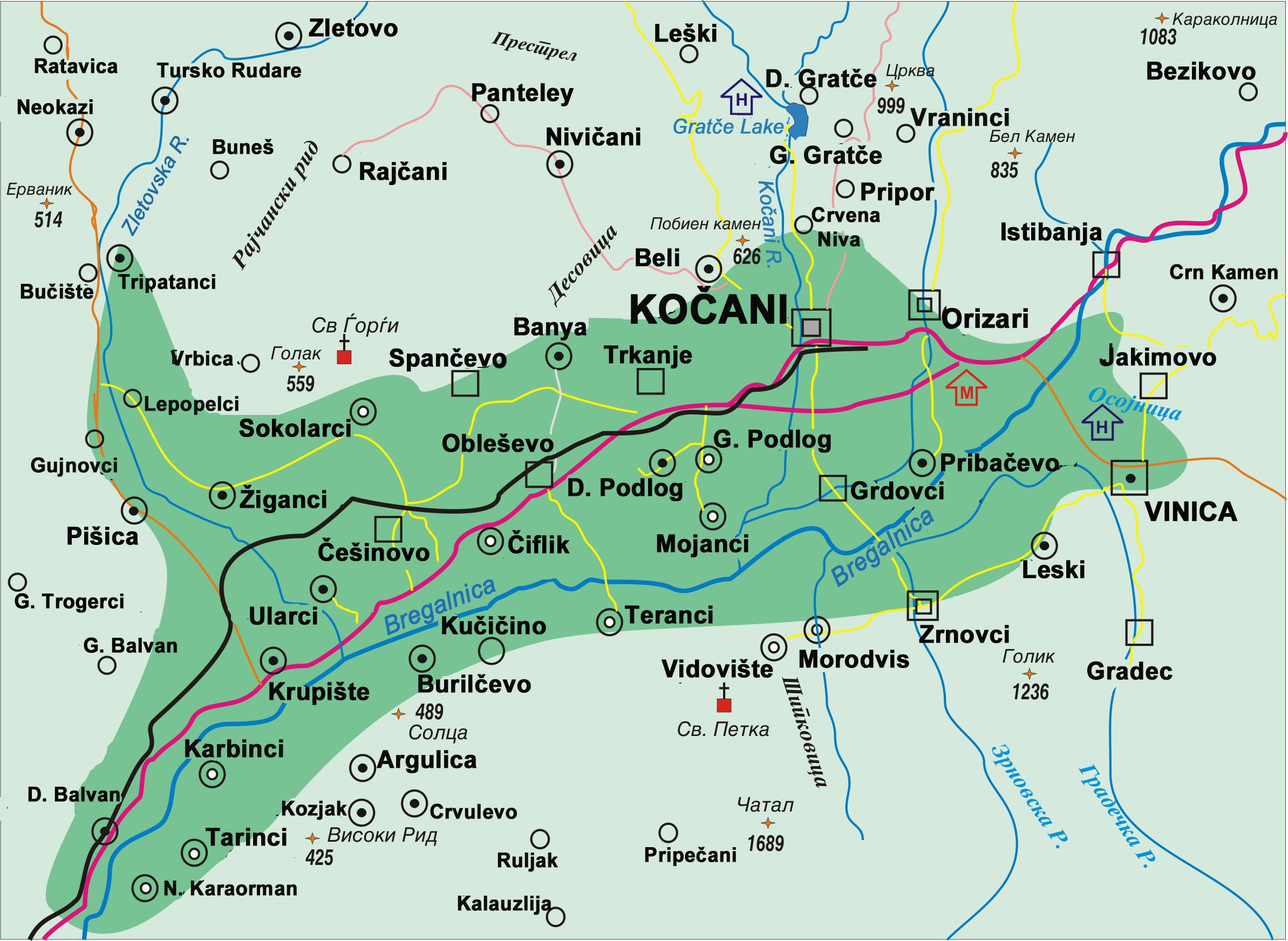
Kocani, Kočani or Kochani?

Some Macedonian linguistic pointers

Read more

What's my 'mother language'?

International Mother Language Day and Global Language Advocacy Day are on! So what do I consider to be my 'mother languages' and why one of them is under threat...

Read more

Slovenian, the odd one out

I translate into English from all Southern Slavic languages except one. Sorry, I can't do Slovenian. Here's my apology.

Read more

Serbo-Croatian? Yes, I still work from it.

3 decades have passed since it officially ceased to exist but I still get requests to translate from Serbo-Croatian. How come?

Read more

I'm now a full member of the Chartered Institute of Linguists of the UK!

Yet another accreditation...

Read more

Hindi/Urdu and Balkan languages... the links between them

There are words that are the same in Hindi and Urdu as in Croatian and Romanian?! How can this be? Find out here...

Read more

Can the "world's most accurate translator" do Australian English?

Does DeepL live up to its claim of being "the world's most accurate translator" when it comes to Aussie English? Get ready for some zingers!

Read more

Why are there so many Turkish words in Balkan languages?

Let's see how Turkish has influenced the languages of the Balkans and further afield. Bujrum!

Read more

False Friend Friday! Time for some Latin-based words

Where the translation gets undone because just because a word looks the same in another language, it doesn't necessarily means the same.

Read more

Watch out for the killer squirrels! It’s “silly season”… or is that “cucumber season”?

Watch out for the killer squirrels! 🐿️ We’re very much in “silly season” right now in the UK 🤪

Read more

Луд купон, the “crazy coupon” Bulgarian party

So who’s having a “crazy coupon” this weekend? 🎉 Wait!✋ A crazy coupon?🎟️😲 What’s that?

Read more

Oldtajmer, evergrin, rekorder, golman… the world of Balkan pseudo-anglicisms

Did you hear about the man who collects “old-timers”? 👴🏽 Or that Frank Sinatra has many “evergreens”? 🌲

Read more

Homonyms maketh the sentence…

How do you say in Bosnian, Croatian, Montenegrin or Serbian this: “Up there, the mountains burn worse”?👉 Gore gore gore gore.

Read more

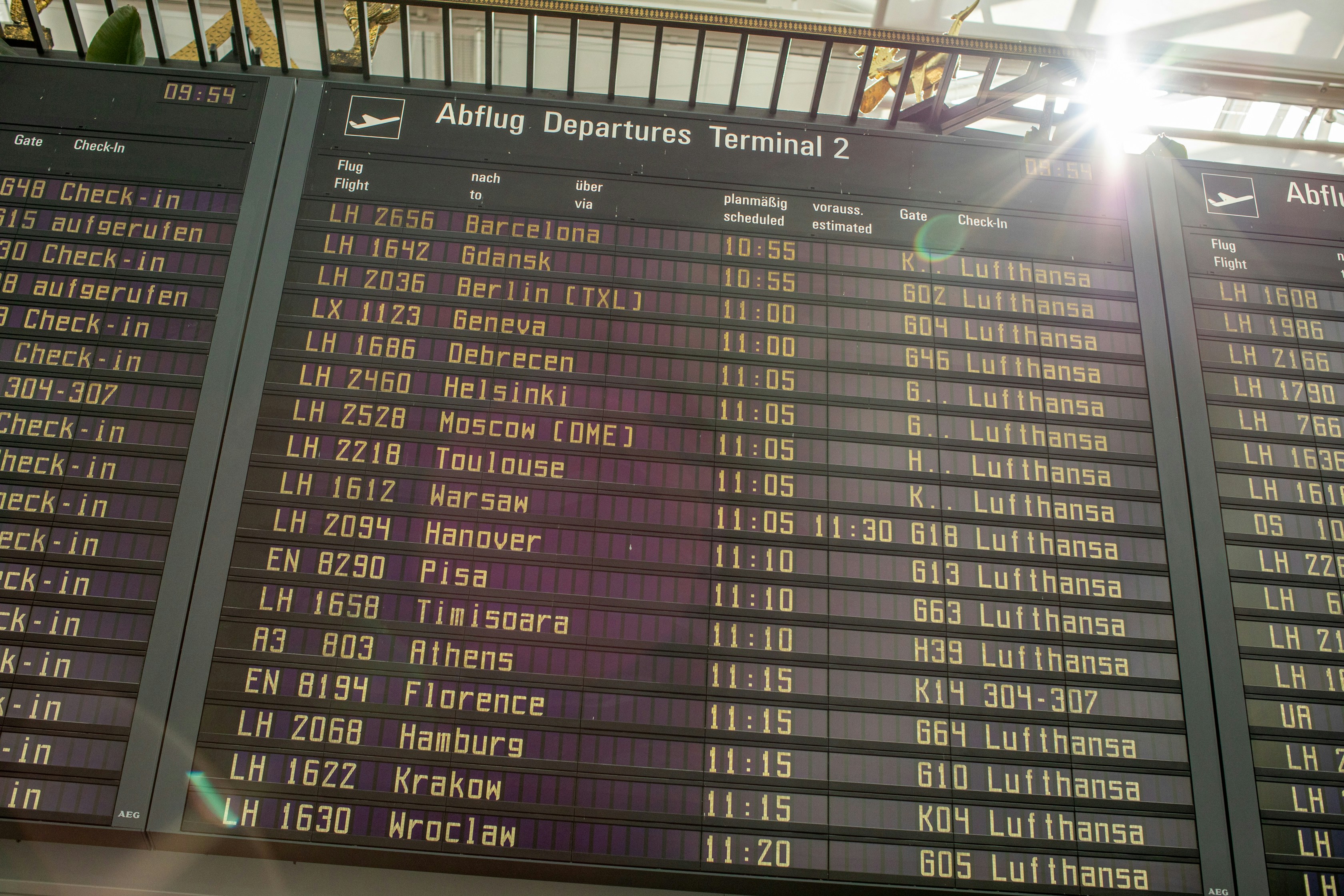
Naš jezik at Munich Airport

I’m about to fly off to Australia transiting through Munich Airport 🇩🇪 … so I’m preparing myself to be ready to speak in “naš jezik” (“our language”).

Read more

Ramadan or Ramazan?

The Muslim holy month of Ramadan starts today, but how do you call the month? A case of local vs global of different circumstances

Read more

Olivera Katarina (1940–2026)

The only woman the great Salvador Dalí knelt for. The glory, mystique and controversy surrounding this celebrated Yugoslav and Serbian actress and singer.

Read more

I found the actual Ken Lee!!!

This has had me laughing all day. If you know, you know!

Read more

How Bulgaria soared and sunk at the World Cup in the 1990s

The World Cup grand finale is on this weekend. Let's remember how Bulgaria did well in 1994 but failed in 1998. And what happened to 1994 star Lechkov?

Read more

What's the latest with Honeyland star Atidje Muratova?

Good news: she's still looking after her bees.

Read more

Tales from ethnic radio (the end)

Going from fax to internet... and into armed ethnic conflict. And how war hits harder when you actually have to deal with its brutal consequences.

Read more

Vlado Janevski (1960-2026)

One of Macedonia's biggest pop stars has gone to his starry sky far away

Read more

Keeping up with the Zogus, Albania’s royal family

Three generations of a family that mostly never had a throne, a country... or much in the way of restraint. And how does an Australian woman get involved in all this? Show us the drama!

Read more

The king who became prime minister, muscular arms and other tales of the Bulgarian royals

A family history of exile, a tsar's comeback as a 21st-century prime minister, and how it all ends with his daughter trending for her muscular arms. Welcome to the stage, the Bulgarian Royal Family.

Read more

Two marches, one city, twenty years of broken promises

A government-backed parade, a tolerated Pride, and the fiction of democratic balance and the "traditional family" in the Balkans.

Read more

Donald Trump's birthday? Ha! It's also Ceca's!

Move over the Donald! There's someone else grander who has her birthday today too. But the similarities don't end there...

Read more

Big Bulgarian wedding – no! Big Bulgarian graduation ball – da!

Why the tradition for big weddings in Bulgaria is no longer the case... and why graduation balls and festivities have taken their place.

Read more

How the 1972 hajj brought smallpox to Yugoslavia... and how the country successfuly dealt with it

Socialist Yugoslavia always treated the Hajj and the participation of its citizens with care – they could come back with concepts that could bring the system down. But a Hajji in 1972 brought back something far more dangerous – a killer virus.

Read more

Is Ricky Martin Montenegrin?

Who needs real evidence? Where the Balkan thing for bread and circuses, and claiming everyone and anyone as they're own, collide. Plus, I reveal Lady Gaga's alleged Balkan roots!

Read more

Why there's no turbo folk/chalga at Eurovision

Disposable, easy pop with a local flavour and pleasing to the eye. You'd think turbo folk/chalga would be ideal for Eurovision, but you won't be seeing it on the big stage. How come...?

Read more

Why Croatia's 2026 Eurovision song is problematic

Croatia's dark ethnic ballad entry for Eurovision 2026 has gained many fans across Europe. But the song is problematic in some aspects...

Read more

"Don't take my picture then!" Arif Heralić and Alija Sirotanović – two socialist Yugoslav icons as one.

Did you know the most recognisable face of socialist Yugoslavia after Tito was of a Roma furnace worker from Bosnia? But many ex-Yugoslavs think it's another Bosnian. Here are their stories...

Read more

May Day in socialist Yugoslavia

Who's up for a picnic? It's time for bean soup. How Tito's Yugoslavia celebrated the "holiday of labour" and what changed over time and what didn't. Oh, and there's that time I got punched.

Read more

Video killed the red star in 1980s Bulgaria and Romania

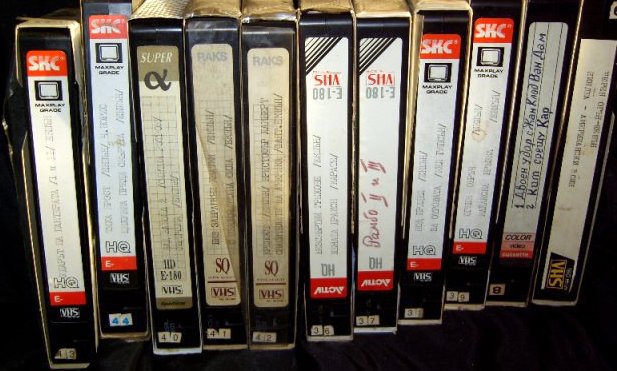
How video casettes illegally smuggled from the west caused Bulgarians and Romanians to question their communist system in the 1980s. And how are James Bond movies treated in Bulgaria...

Read more

Princes Amongst Men is back!

The book that launched my career as a Balkans sensitivity and authenticity reader is back, updated and bigger than ever!

Read more

22 April – Lenin's birthday

So Lenin was one of the world's most prominent revolutionaries, but his legacy lasts by way of... first names and spring cleaning? All is explained here.

Read more

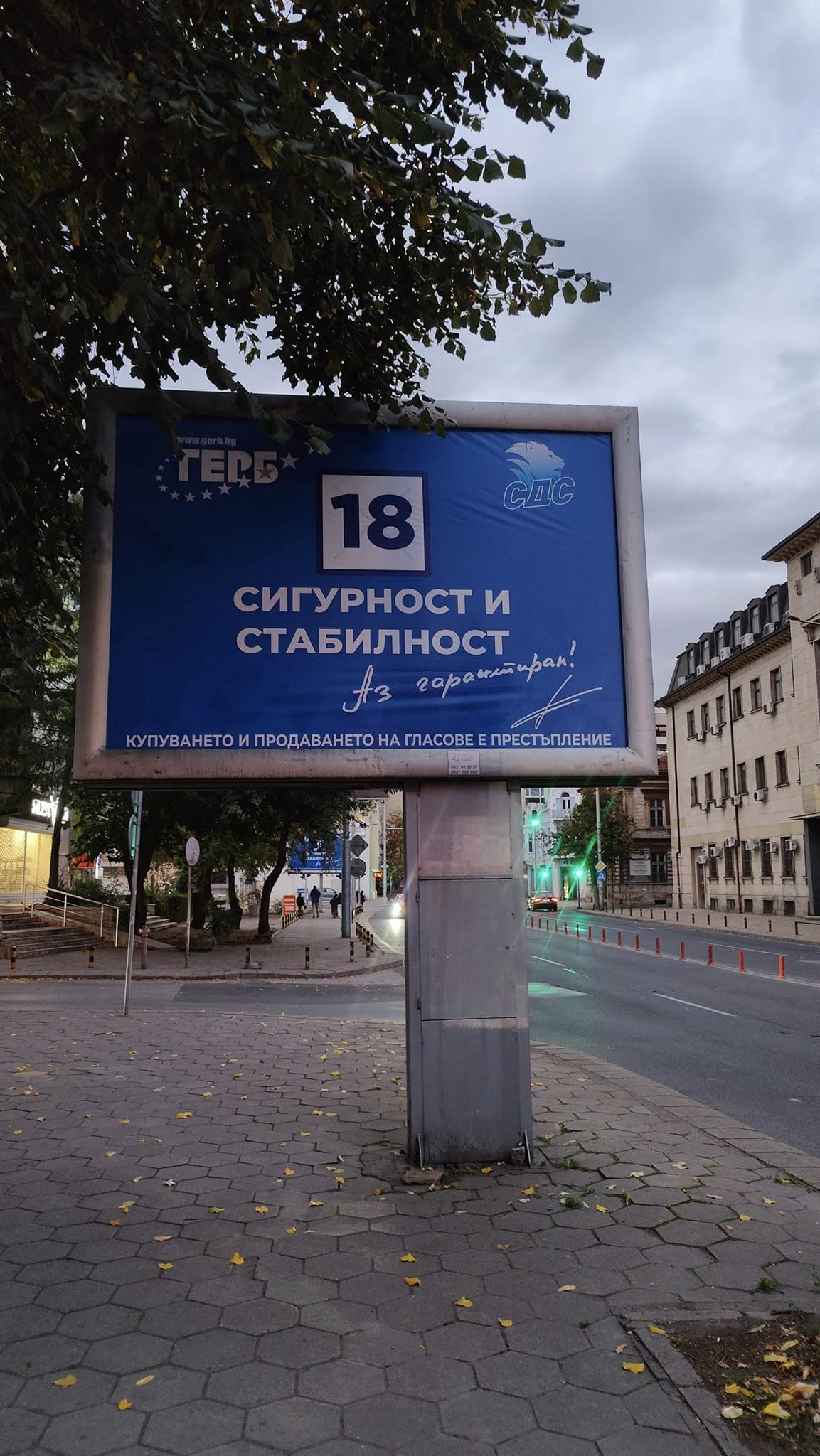
"The buying and selling of votes is a crime" in Bulgaria

The aspects of Bulgarian elections that no-one else talks about. And what does Chalga have to say about it? All aboard the 'Bulgarian train'. Toot, toot!

Read more

The eggs are dyed for Easter!

Yes, it's that time of year again, and I'm glad to say that the eggs turned out great this year.

Read more

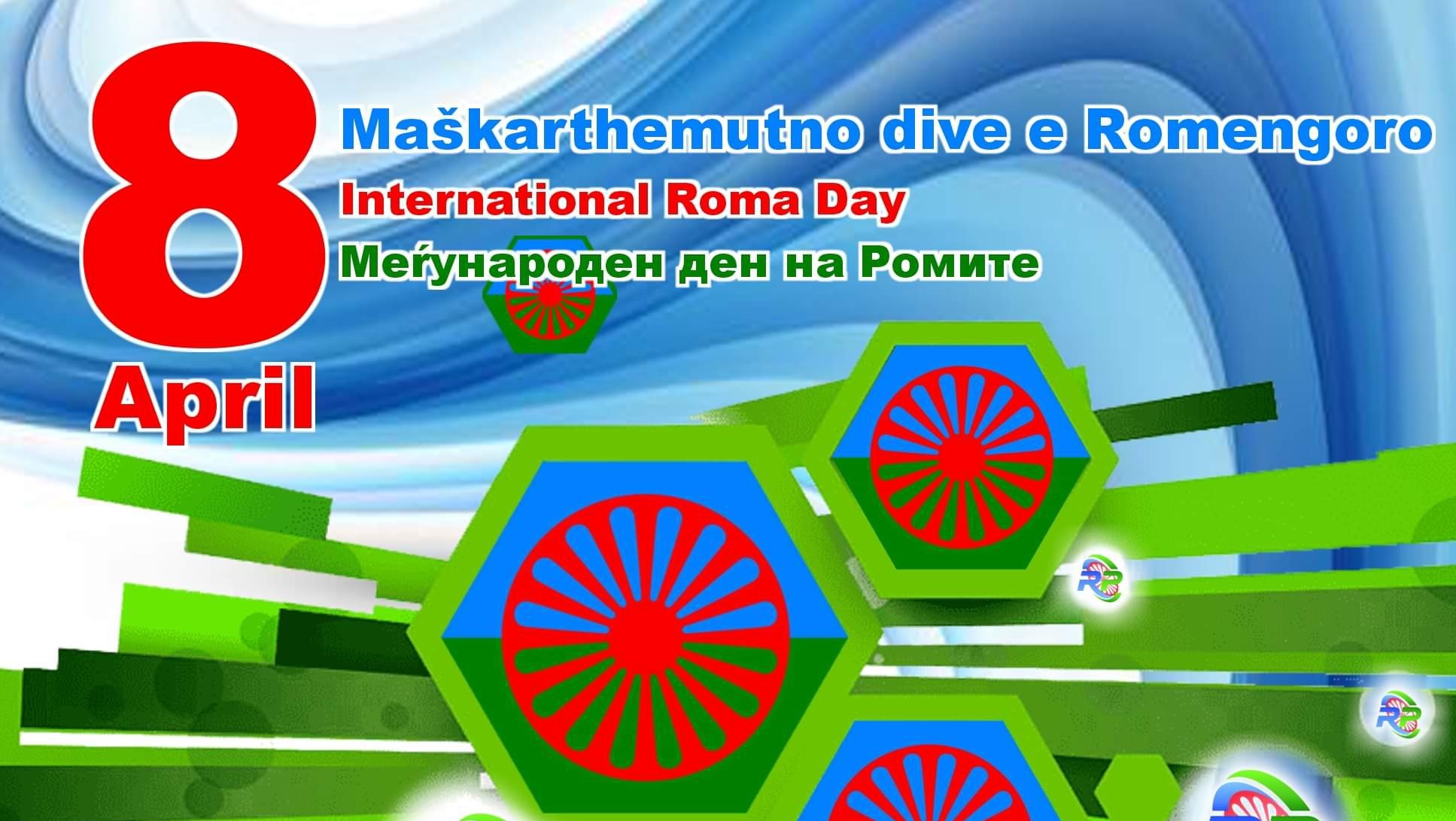
8 April – International Romani Day

Today is International Romani Day. Note, not 'Gypsy'. Why this is not the most appropriate term, and how ethnic labels can be complicated.

Read more

Vale Yanka Rupkina!

Famous Bulgarian folk singer and member of the world-famous Trio Bulgarka, Yanka Rupkina, has died. Here is her extraordinary life.

Read more

Lazarus Saturday – the Balkan debutante ball, and Palm Sunday – the Balkan flower festival

The weekend before Easter in Balkan Orthodox Christian societies sees major celebrations for the coming of spring, steeped in pagan origins.

Read more

Tales from ethnic radio (part 2)

How I transitioned from listener to being listened. But first, let's bring in some music. 1990s Macedonian Turbofolk anyone? And what was the (surprising) word we couldn't mention?

Read more

Tales from ethnic radio (part 1)

50 years ago today started the service I loathed as a child... but became my ticket to my future. The crazy yet wonderful world of ethnic, and particularly "Yugoslav", radio in Adelaide, Australia.

Read more

Kostadinka Palazova, the voice of Bojmija, Macedonia (1939–2026)

Legendary Macedonian folk singer Kostadinka Palazova has passed away. Her life has been dedicated to keeping the songs of her birthplace alive in the face of official bans, ethnic cleansing and life in exile.

Read more

When coins matter: stotinki and sixpence for Christmas

Big issue of the day – what coin do you use for your lucky-coin Christmas tradition? It matters to many in the Balkans AND Australia

Read more

19 December is Saint Nicholas Day!

It's a pretty big day in some Orthodox Christian parts of the Balkans – St Nicholas Day. But how come it's happening 13 days after the rest of the world? And what are you not supposed to do today?

Read more

Princes Amongst Men: Journeys with Gypsy Musicians is back!

Garth Cartwright's award-winning book about the talented Roma music stars of the Balkans is getting a re-release!

Read more

Eat that burek... it could be useful later on

How my experience growing up Balkan in Australia has provided valuable knowledge to others.

Read more

Slovenian, the odd one out

I translate into English from all Southern Slavic languages except one. Sorry, I can't do Slovenian. Here's my apology.

Read more

My moment of 2024...

There's always one thing each year that stands out in my travels, and this year it was accidently discovering the huge gastarbeiter houses of eastern Serbia

Read more

Utopia of the Uniform: Affective Afterlives of the Yugoslav People's Army by Tanja Petrović

22 December was Yugoslav People's Day. Here are some notes about the topics raised in this research, my personal connection to the former JNA and how its legacy lives on in the memories and legends of millions.

Read more

Professor, Doctor, Docent, Magister... let's get into academic titles!

Some societies take them very seriously, some not so much. Find out more here...

Read more

Why are there so many Turkish words in Balkan languages?

Let's see how Turkish has influenced the languages of the Balkans and further afield. Bujrum!

Read more

Trileche, the not-so-traditional Balkan dish

How thanks to the Albanians, a Latin American cake conquered the Balkans.

Read more

"Can you identify the text here?"

Did you know that people regularly contact me to identify text they can't decipher. That's what happens when I know a number of languages.

Read more

25 years since the death of Bulgarian chalga star Rumyana

How the life and death of a popular chalga singer embodied the nature of post-Communist Bulgaria

Read more

Who's gonna win: Sunderland or Newcastle? Fancy a Democracy Sausage? Or take a ride on the "Bulgarian Train"

Vote-count competitions between rival cities? How a mundane sausage in generic white bread is the epitome of mass democratic participation in Australia. And why a Bulgarian train is not a train. The weird world of election traditions.

Read more

Oldtajmer, evergrin, rekorder, golman… the world of Balkan pseudo-anglicisms

Did you hear about the man who collects “old-timers”? 👴🏽 Or that Frank Sinatra has many “evergreens”? 🌲

Read more

Ramadan or Ramazan?

The Muslim holy month of Ramadan starts today, but how do you call the month? A case of local vs global of different circumstances

Read more

Out today! Elixir, In the Valley at the End of Time

The latest book that I played a part in its fruition (no, I’m not in it this time), by my dear friend, the award-winning writer Kapka Kassabova, is now available for purchase.

Read more

Do we really need self-service counters in 'Pirate', me mateys?

Ahoy, me hearties! What may appear as a community service actually serves to undermine the supposed primary purpose of such language provision.

Read more

Child interpreters. Why are we getting them to do an adult's job?

Children who interpret for their family members who do not know the local language are often portrayed as heroes. But what do these children think?

Read more

Hindi/Urdu and Balkan languages... the links between them

There are words that are the same in Hindi and Urdu as in Croatian and Romanian?! How can this be? Find out here...

Read more

"Can you identify the text here?"

Did you know that people regularly contact me to identify text they can't decipher. That's what happens when I know a number of languages.

Read more

Five common myths about raising bilingual children

Surprising as it may be, I was once a child, but one who happened to grow up in a multilingual environment but dominated by English.

Read more

Anchor clients and the power of reminders

What are anchor clients and how I was able to regain one thanks to sound advice on using reminders

Read more

What's the obvious sign of a lazy translation from English into any other language?

Translation is supposed to convey info from one language to another, but if you just use the words only tweaked from the source language, then you're doing a disservice.

Read more

Oldtimers, dancings and packets ... but are they English words?

Welcome to the crazy world of "false friends" and "pseudo-anglicisms"... they look like English words but they're not

Read more

The most important question for a certified translation of a personal document not in Latin script?

It's the simplest of things that can cause the most trouble. And when it comes to certified translations, getting this right is crucial!

Read more

Two years as a Chartered Linguist!

Two years ago I attained the highest qualification for translators, Chartered Linguist. And I'm the only one in the UK for the languages I work from.

Read more

If you know another language then you cannot be a bigot! Is this true?

Is there any truth that knowing another language eliminates any chance of you being a bigot?

Read more

Child interpreters. Why are we getting them to do an adult's job?

Children who interpret for their family members who do not know the local language are often portrayed as heroes. But what do these children think?

Read more

How to pass off as a native English speaker when writing?

What's one of the biggest giveaways that a text in English was not written by a native speaker? Find out here with a simple and yet important tip...

Read more

My new personalised stamp!

To add to that professional touch, I can have your documents stamped with my personalised round stamp.

Read more

Professor, Doctor, Docent, Magister... let's get into academic titles!

Some societies take them very seriously, some not so much. Find out more here...

Read more

Serbo-Croatian? Yes, I still work from it.

3 decades have passed since it officially ceased to exist but I still get requests to translate from Serbo-Croatian. How come?

Read more

I'm now a full member of the Chartered Institute of Linguists of the UK!

Yet another accreditation...

Read more

Hindi/Urdu and Balkan languages... the links between them

There are words that are the same in Hindi and Urdu as in Croatian and Romanian?! How can this be? Find out here...

Read more

Can the "world's most accurate translator" do Australian English?

Does DeepL live up to its claim of being "the world's most accurate translator" when it comes to Aussie English? Get ready for some zingers!

Read more

International Translation Day and the Dragomans

How the Ottoman Empire granted its translators and interpreters, the Dragomans, with respect and status.

Read more

Meyk lov - not vor

Why you shouldn't trust automated translation on LinkedIn or anywhere else. And are the Macedonians being targeted?

Read more

Any place, any time…

👍The best thing about being a freelance translator is being able to work at any place at any time. 👎The worst thing about being a freelancer translator is being able to work at any place at any time.

Read more

English language translation tips: use of long forms of country names

Republic of Serbia 🇷🇸, Republic of Croatia 🇭🇷, Kingdom of Norway 🇳🇴, United Kingdom of Great Britain and Northern Ireland 🇬🇧, Oriental Republic of Uruguay 🇺🇾, Plurinational State of Bolivia 🇧🇴 …

Read more

Oldtimers, dancings and packets ... but are they English words?

Welcome to the crazy world of "false friends" and "pseudo-anglicisms"... they look like English words but they're not

Read more

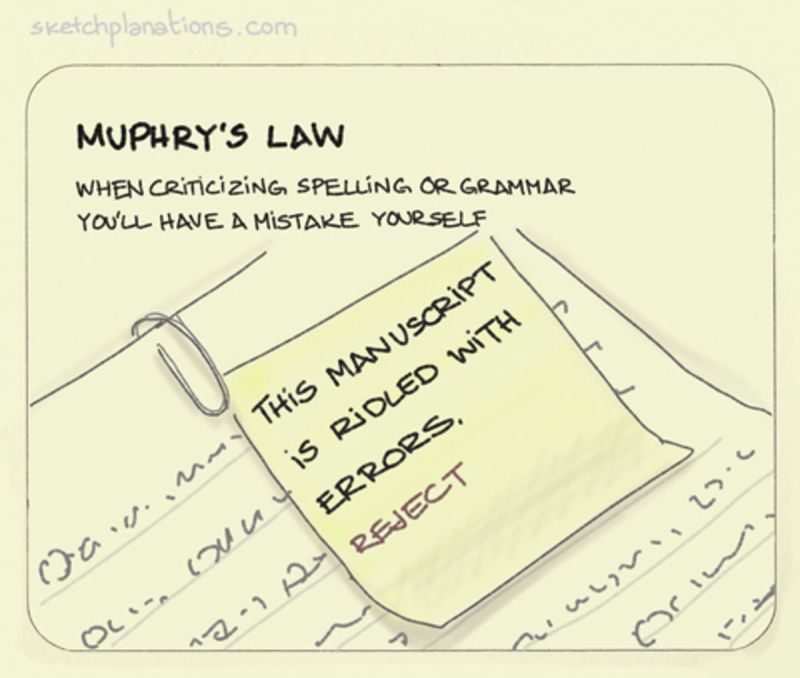
Muphry's Law strikes again!

Have you heard of Muphry's Law? No, it's not Murphy's Law, and if you thought that it was, then that's Muphry's Law. Confusing? Well, time to clear it up...

Read more

If you know another language then you cannot be a bigot! Is this true?

Is there any truth that knowing another language eliminates any chance of you being a bigot?

Read more

International Mother Language Day: "you're confusing him"

To show why mother languages matter, here's my story how educators in Australia tried stopping my parents speaking to me in my mother language.

Read more

Careful, someone might hear you!

Think you can say vile things about the people around you because hardly anyone speaks your language? Think again! Because when you least suspect it, there'll be someone who does understand...

Read more

A company by any other name than Nik?

Oil, banking, jewelry, optics, radio broadcasting, hard spirits... Nik does it all! But do I really?

Read more

Do we really need self-service counters in 'Pirate', me mateys?

Ahoy, me hearties! What may appear as a community service actually serves to undermine the supposed primary purpose of such language provision.

Read more

What's my 'mother language'?

International Mother Language Day and Global Language Advocacy Day are on! So what do I consider to be my 'mother languages' and why one of them is under threat...

Read more

Indian and Australian English... the links between them

India and Australia have common bonds that go beyond a passion for cricket. Here are a few words that Indian and Australian English uniquely share...

Read more

"Merci" is how you say "thank you" in which language?

It may come as a surprise but it's not just in French...

Read more

"Can you identify the text here?"

Did you know that people regularly contact me to identify text they can't decipher. That's what happens when I know a number of languages.

Read more

You know that time when Madonna was interviewed by a Hungarian tabloid? Or when translation goes hilariously bad…

We all know how some translations can be so bad that they’re unintentionally hilarious, like the viral examples from Engrish.com...

Read more

Working in IT? What do you call yourself? An IT-ian, a Hitechist…?

Working in IT? 👩🏻‍💻 Would you call yourself an IT-ian, Hitechist or Startupist?

Read more

Watch out for the killer squirrels! It’s “silly season”… or is that “cucumber season”?

Watch out for the killer squirrels! 🐿️ We’re very much in “silly season” right now in the UK 🤪

Read more

You do Montenegrin and Bosnian, right?

Two more language directions have been added to my Institute of Translation and Interpreting profile

Read more

Generic or specific? The issue stopping the free-trade agreement between the EU and Australia

Would you believe that the names of all these famous products are the cause for the deadlock in the free-trade agreement negotiations between the EU 🇪🇺 and Australia 🇦🇺. How come?

Read more

Smoker’s remorse… or how false friends can be deeply expressive

🟰 Words that look the same or similar in two languages but have two, at times radically, different meanings are called “false friends”.

Read more

The personal touch

Translation can often be a very sedentary existence, plugging away in front of a laptop, with little or no face-to-face contact with clients👨🏻‍💻

Read more

World Cancer Day: cancer scare!

Even after being cured of cancer and remission is over, there's still the threat of it coming back for around go. What to do with a new cancer scare?

Read more

Cancer and gallows humour: Thank you for the flowers 💐; I hope they die before I do!

What's one constant when it comes to the cancer experience? It's the gallows humour. Yes, it gets very, very dark. Why is this so?

Read more

15 years cancer-free!!!

And I know because of an annual procedure a work colleague advised me to do...

Read more

It's Men's Health Week... and I'm 15 years cancer-free!!!

The story of how I found out by chance that I no longer had cancer

Read more