Feta, prosecco, parmesan, champagne...
Would you believe that the names of all these famous products were the one of the main causes Australia walked away from free-trade agreement negotiations with the EU in 2023!
How come?
All these product names (and more) are protected designation of origin (PDO) terms in the European Union. That means goods from the region that these and many other products originate from are the only ones allowed to carry such names. For instance, only champagne from the Champagne region in France can be labelled as such.
All goods identical or similar to PDO products and not from the PDO-specified geographic region cannot be called by the PDO term in the EU and (recently due to free-trade deals signed with the EU) New Zealand and, to a degree, Canada. Alternative generic names such as ‘white cheese’ or ‘sparkling wine’ must then be used.
So what’s been the case with Australia?
All the above names have been deemed generic or common names. You can then find products such as Australian feta, Australian prosecco, Australian parmesan, etc. The EU (Italy, in particular) has insisted that Australia respect EU geographic indications. Australia had staunchly refused and there was no sign of this changing… until 24 March 2026 that is, when Australia and the EU finally signed the long-debated free-trade agreement.
Up to now, if you wished to market a product that the EU otherwise requires an alternative generic name due to PDO, for greater product awareness you were best not to use that alternative in Australia.
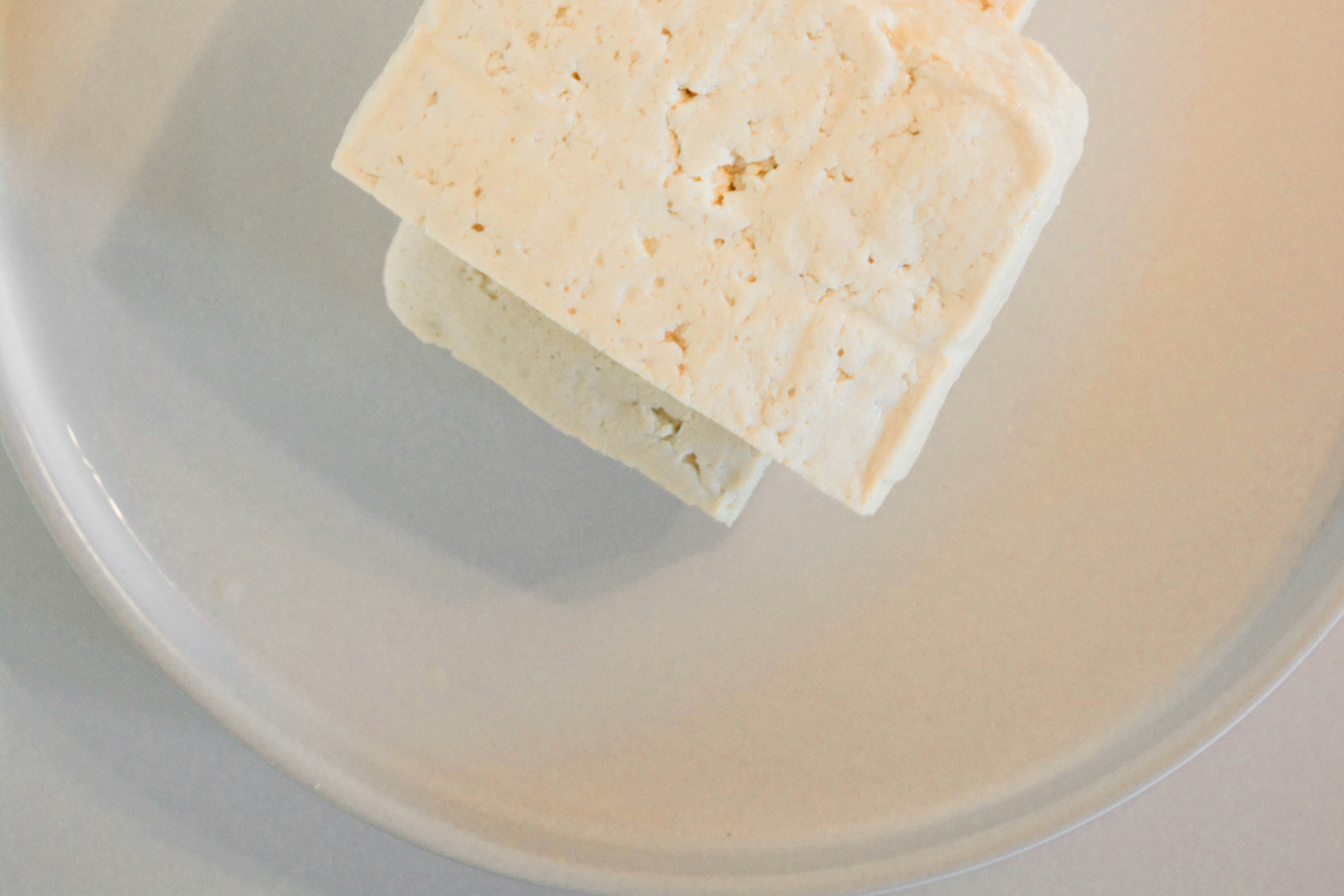
A classic example is the product known as Danish White cheese in the EU. Prior to 2002, this was marketed worldwide as ‘Danish Feta’, much to the ire of the Greeks, who then successfully campaigned (and upheld later appeals) to have ‘feta’ designated as a PDO term specific to regions of Greece. However, in Australia the product is still referred to and marketed as ‘Danish Feta’. Mention ‘Danish White’ and most Australians will have no idea what you’re talking about. Note also that both ‘feta’ and ‘fetta’ are accepted spellings in Australia.
In 2025, Australian Trade Minister Don Farrell confirmed Australia and the European Union were restarting negotiations for a free trade agreement immediately. With US President Donald Trump having announced unilateral tariff increases that negatively affected food exports, the circumstances had much changed for both Australia and the EU and, unlike in 2023, the chances for these negotiations to be successful seemed much better, which has been the outcome. A lot did hedge on whether the EU would allow increased access for some Australian agricultural products and cutting red tape, and Australia would still need to do away with PDO terms for Australian products, with the EU having already earmarked 170 food names and 236 spirit names for Australian producers to change.
Solutions were forthcoming to some of these contentious issues. The EU already recognises many food names, otherwise named after the geographic region they originate from, as common and generic names – gouda, brie, edam and camembert cheese being examples; but feta, parmesan and prosecco would need to change. Australia, however, had some legal precedents on its side.
The EU argued that ‘parmesan’ is a translation of its geographical indication, Parmigiano Reggiano, in Italy. However, in 2024 the Singapore Court of Appeal ruled that ‘parmesan’ is not a translation of Parmigiano Reggiano in Singapore and therefore ‘parmesan’ is available for use in Singapore as a common name. ‘Parmesan’ is also stated as a common name in the EU trade agreement with Korea.
In their trade agreements with the EU, Canada and Vietnam agreed for ‘feta’ to be classed as a PDO term, but they did reserve the right for all their existing producers to continue to produce and sell ‘feta’.
And what has been the result for Australia?

Regarding prosecco, Australian producers have always been allowed to use the name ‘prosecco’ for wine made from prosecco grapes (renamed ‘glera’ in 2009) under the bilateral wine treaty the EU has with Australia. Given it’s globally recognised as the name of a grape variety, Australia had also been able to export wine labelled ‘prosecco’ – though not to the EU.
According to the limited details released regarding the new free-trade agreement, Australia will be giving up its right to export wine under the name ‘prosecco’, with the bilateral wine treaty being amended to reflect this change. This is to be phased in over a period of ten years. However, ‘prosecco’ as a generic term will continue to be used in Australia according to as-yet-undisclosed new labelling requirements.
In 2013 the EU attempted to register ‘prosecco’ as a certification trademark, but the Australian courts rejected this. The new agreement, however, will partly reverse that outcome.
Still, under the new agreement, it would make Australia the only country outside of Italy to have secured the right to use the name ‘prosecco’, albeit within the country.
Regarding cheeses, the EU has now accepted ‘parmesan’ as a generic name in Australia, so no change there for Australian producers of the cheese. The EU had already applied the same recognition of ‘parmesan’ as a generic name in other trading partners (Japan and Korea, for instance).
The Australian arrangements for ‘feta’ will mirror that as with Canada – Australian feta producers will be able to continue to use the name. Now this makes sense considering most Australians involved in feta production are of Greek heritage. The finer details surrounding use of the term ‘feta’ in Australia have yet to be released, but it’s unlikely that Australians will be calling it ‘white cheese’ anytime soon.
But the EU did score a major victory in applying protection for 231 spirit names, with Australian producers now having no due process to object to these.
There has always been much heated debate whenever I’ve posted on social media about Australia’s use of these otherwise PDO food product names. Europeans and Australians have been steadfast in their strongly opposing opinions on the issue. One argument Europeans often give for PDO is that they want to be certain that they’re getting the authentic product. But are they? EU regulations don’t require labels to state the country of origin of the main ingredient of the product where this differs from the country of production. For example, Bresaola della Valtellina, a cured meat from Lombardy, Italy, is often made from meat imported from Brazil… and rarely, if ever, is this disclosed on the label.
Thankfully passions on both sides have been overcome and an agreement made.
As for how will this free-trade agreement affect Australian English usage?
For the time being at least, it appears that regardless of the agreement, the existing names for these products are so entrenched in the Australian mindset that they will remain to be used. Australian parmesan, feta and prosecco will still be called as such.
You want to be on side with your Aussie clients and know your fetta from white cheese? Do you need your text or copy to be just right for your lucrative Aussie clients to snare more sales? Then I'm here to help you. Pop a line to me at info@nicknasev.com and let's collab!






.jpg)


.jpg)





























.jpg)





.jpg)













_logo.svg.webp)






_(52052470251)_(cropped).jpg)









.jpg)
















_(8249451687).jpg)