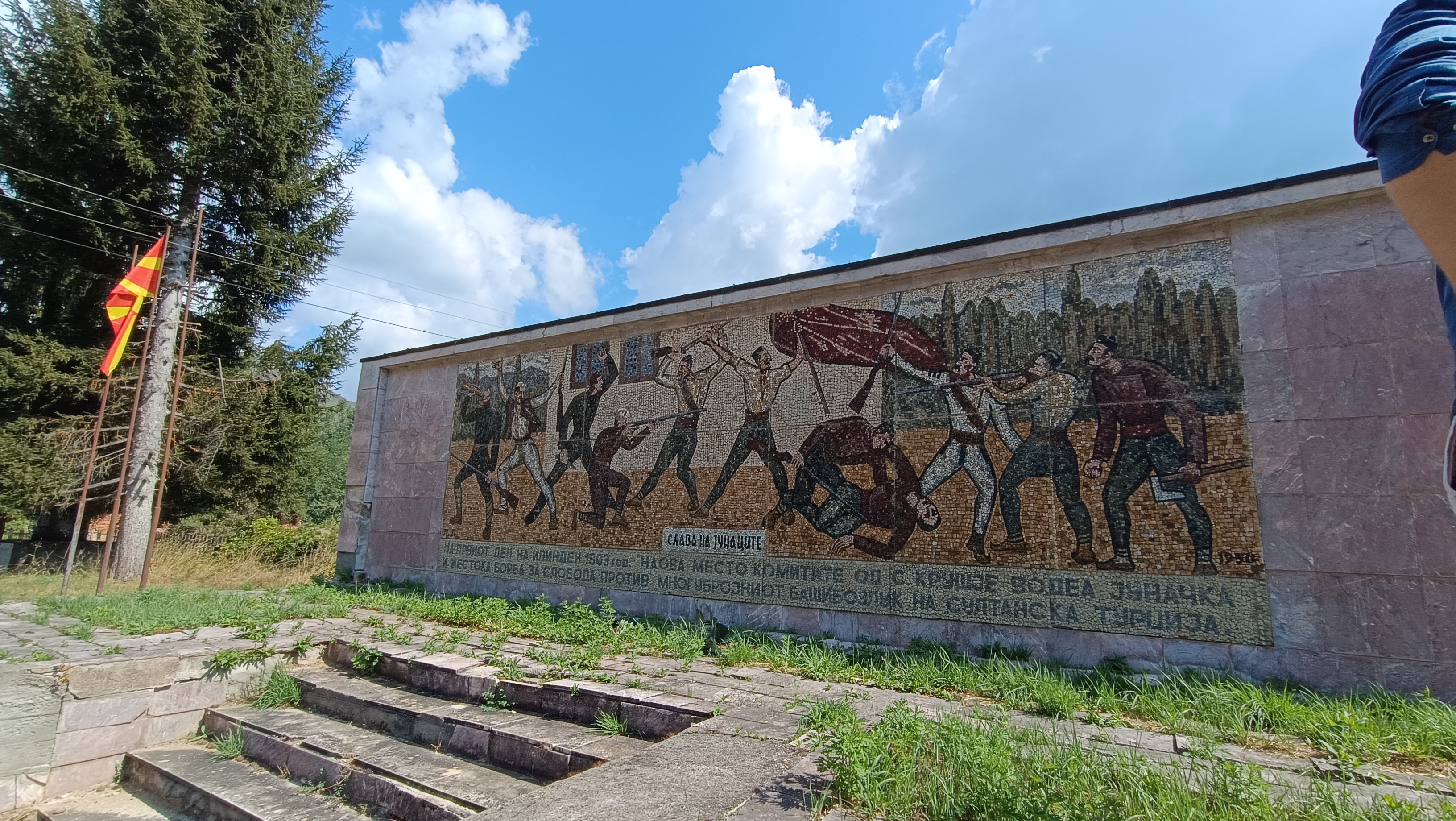
4 May always sets Macedonian social media on fire. Two of Macedonia’s most significant historical figures died on this day – the leading figure in the anti-Ottoman Macedonian liberation movement, Goce Delchev, in 1903; and paramount Yugoslav leader Tito in 1980. While it’s universally accepted amongst Macedonians that national hero Delchev should be commemorated, where Tito fits in these days is what gets people hot and bothered. A small number say Tito deserves greater priority as he tangibly achieved more for Macedonia than the ill-fated Delchev; some say both should be given equal treatment for their merits; most say Delchev first, Tito second; while a significant vocal minority say that if you’re a true Macedonian, then Tito should be out of the question given his track record of the brutal suppression of any perceived calls for greater Macedonian autonomy or independence during his rule.
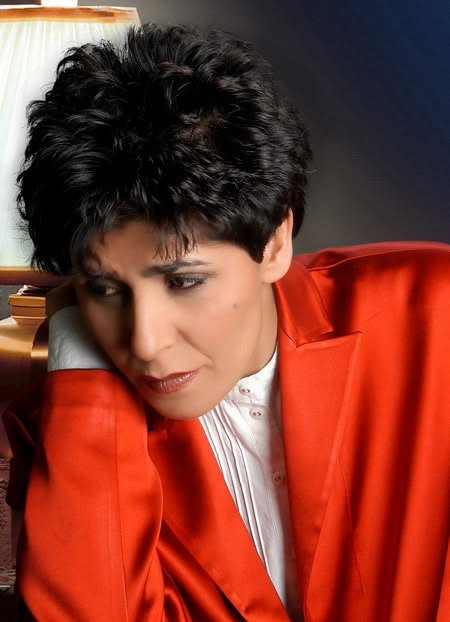
Often overlooked today is that a greater contributor to Macedonian culture also died on this day in 2003 – the one and only Vaska Ilieva, revered as the “doyen of Macedonian folk song”. Ilieva became deservingly traditional Macedonian folk music’s main star and its unofficial international ambassador, having performed in front of audiences and dignitaries worldwide. It wasn’t always smooth sailing for Ilieva with the authorities – come the 1980s Ilieva did push the envelope by singing more patriotic Macedonian songs, some of which did not get airplay in Yugoslavia. Ilieva left behind a legacy of over 800 recorded songs and many of her original compositions are standards.
However, despite the accolades, when the controversial Skopje 2014 project saw that an “Art Bridge” be constructed featuring the '“leading historical figures” of Macedonian arts, none of the 29 luminaries honoured with statues included any women, let alone Vaska Ilieva, who surely deserved a place there. By the way, the only singer to have a statue on this bridge happens to be 2000s pop singer Toshe Proeski.
While Ilieva excelled throughout her decades-long career in singing in all styles of Macedonian folk music, whether traditional or newly composed, where her talent was most on show was in singing teshki pesni – “heavy songs” of lament, often accompanied solely by a kaval (shepherd’s flute) or gajda (bagpipe) with tapan (double-headed drum), like in the clip below of her 1976 recording of the folk song Air da ne storish, majko, shto me na zlo dade (Don’t do anything, mother, that could cause me harm).
Вечна памет!



.jpg)


.jpg)























.jpg)







.jpg)










_logo.svg.webp)






_(52052470251)_(cropped).jpg)







.jpg)














_(8249451687).jpg)