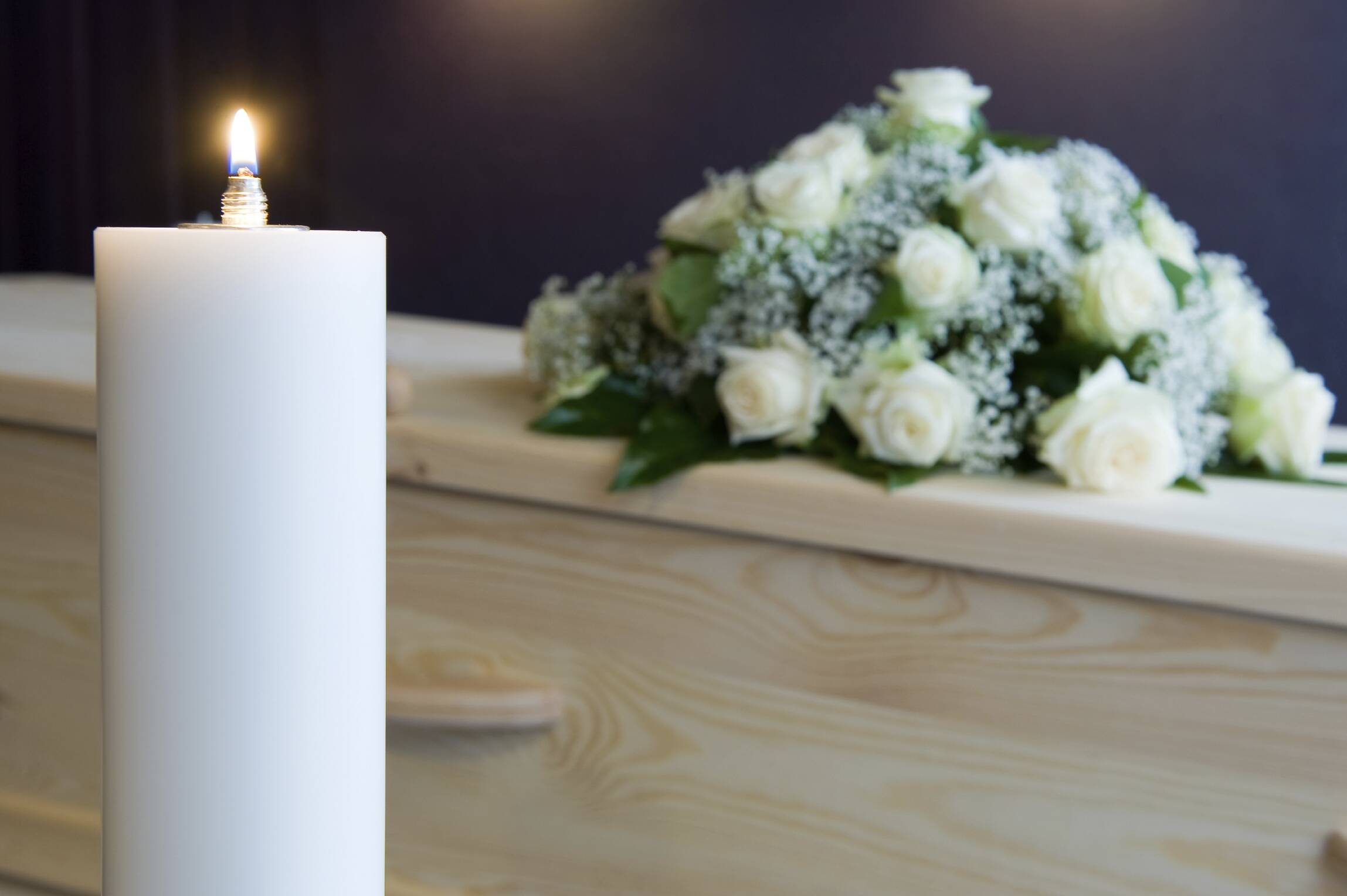
25 April is Anzac Day, Australia’s (and New Zealand’s) war memorial day honouring those who have fallen in wars and conflicts fighting for Australia (and allies). It’s one of the most important dates in the Australian calendar, which in the past two decades has been elevated to sacred levels – a day above any circumspect or criticism – and, since the late 1990s, involving a heavy dose of jingoism. In many ways, it has since become an alternative national day in Australia.
Anzac Day happens on the day that in 1915 the forces of the newly formed Australia and New Zealand Army Corps (ANZAC) first landed on the shore of what is now called Anzac Bay on the Gallipoli (Gelibolu) peninsula in the then Ottoman Empire, now Türkiye. This was the first time both nascent nations sent troops as independent countries, as well as the first time that there was a national ‘Australian’ military contingent. Prior to federation in 1901, Australia had been six separate British colonies that functioned very much as separate entities. As what Aussies (and Kiwis) are taught at school and perpetuate thereafter in discourse, it was here that both Australia and New Zealand would forge what would become their national identities independent of Britain.
At school in Australia, we would be taught a rather simplified account of events, complete with the good guys (the Aussies and Kiwis, of course) and the baddies (the British high command). Watching the 1981 film Gallipoli (starring Mel Gibson with his then natural Australian accent) gives this view – the Brits are pompous gits who hate us ‘colonials’ and use our ‘diggers’ (as Australian and New Zealand soldiers were called in those days) as pure canon fodder. Of course, the reality was that there were much more British and French casualties at Gallipoli (never mentioned to us), with the overwhelming majority of them coming from working-class and peasant origins, or that there were also troops sent from all corners of the British and French empires (they were not white), and the Turks barely got a mention. In the end, it’s always the poor who suffer the most in wars.
Usually countries choose a victory day to commemorate their war dead. Not Australia or New Zealand! This WWI campaign at Gallipoli was a complete failure for them. Ottoman forces won decisively under the command of then obscure commander Mustafa Kemal; his shining moment that would eventually propel him to leading the Turkish revolution of 1923 and becoming Atatürk, republican Turkey’s revered first leader and visionary.
So what happens on Anzac Day?
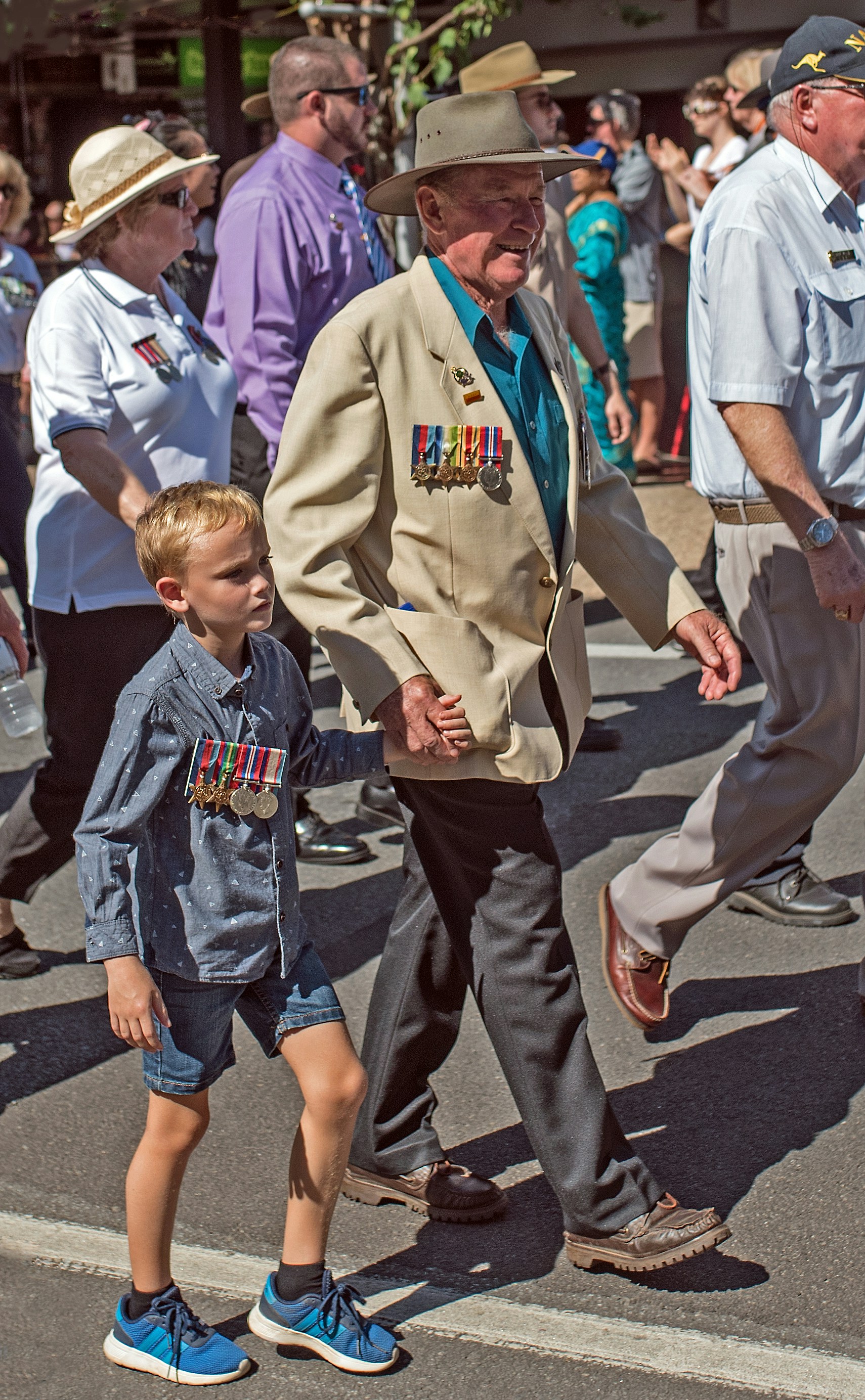
The day starts off with dawn services held around the country, in places around the world where there are significant numbers of Australians and at Anzac Cove. The overtly religious, particularly Anglican Church, element of it all has been controversial since the 1920s and now seems very anachronistic considering that a majority of Australians are not religious in any form. A compulsory part of the service is a sole bugler playing the Last Post – any footage of dawn services will always show this. Back in the 1980s and early 1990s, when I was a teenager, hardly any of my peers would even consider thinking going to a dawn service, but since the Howard years of the late 1990s and early 2000s when a renewed interest, or hype, for Anzac Day was cultivated, now it’s no longer ‘weird’ if young people attend. The biggest exception then was the Army Reserves people – doing the Army Reserves was a bit of a thing in 1990s Australia. As the ad used to say (always to the tune of Tchaikovsky’s 1812 overture): one weekend a month, two weeks a year, do it for yourself, join the Army Reserves. Even Sharon Strzelecki on Aussie sitcom Kath & Kim mentioned once how needed to check if she was doing Army Reserves the weekend of Kim’s wedding.
The centrepiece to Anzac Day was the parade of the ex-servicemen and women. The parade would be telecast which, prior to the late 1980s, meant we’d get a local broadcast of the parade from the respective state’s capital city (Adelaide, South Australia in my case). All four TV stations would show it too, so there was no choice. I can remember in the early 1980s how the first to march would be then very old and frail WWI veterans, their numbers visibly dwindling as every year passed. It was quite obvious when the WWII vets would come in as they were big in numbers, with a greater spring in their step, and many of them still with a full set of un-grey hair. Fast forward 40 years to now and nearly all of them have passed away. Vietnam vets were still considered problematic at the time. They certainly took the brunt for what should’ve been directed at the political forces who forced these men to go fight an unwinnable and needless war. This was also the time when Vietnam vets started gaining more attention to their often-tragic post-war plights. Australian folk band Redgum’s I Was Only 19, which accounted the experience of a young Australian soldier drafted into the Vietnam War and his PTSD after his return reached number on its release in 1983 and has since been considered one of the most iconic Australian songs of all time. As for the Vietnam vets, they finally were honoured with a proper welcome-home parade on 3 October 1987 in Sydney – a huge event at the time.
After the parade, as the TV reports would show, the city centre’s pubs would fill up with the ex-diggers. In true Aussie style, it became a proper piss-up. All ‘our boys’ reminisced of their days being ‘larrikins’ not much unlike how my father would talk about his days in the Yugoslav People’s Army with fellow Yugoslav men of his generation.
One thing that would always be mentioned is that a blind eye is turned for the ex-diggers doing two-up, a gambling game that now is legal on Anzac Day only – but with many conditions and regulations attached... hey, this is Australia after all. Now, you’d think that nothing could be simpler than tossing two coins into the air, but just have a look at the Wikipedia entry for the game and you’ll see that it is anything but. ‘Come in spinner’ is the phrase that participants shout when the coins are tossed in two-up games, something most Aussies know.
Anzac Day seemingly was an exclusive insider event, with an impenetrable force field wielding off most Australians who either are or descend from post-WWII migrants. Bucking that trend was a somewhat tokenistic group of select ethnic contingents. One such group was the Serbian Chetniks, who were accepted to march (though there has been opposition to this) not because they were on the right side in WWII (they ended up being in an alliance of convenience with the Nazis) but for their anti-Communism, a far greater virtue during the Cold War.
Despite living in Australia, the only way I experienced this Anzac Day was watching it on TV and from what they told us about the event at school. None of the parades, the dawn service, two-up etc. was of any direct relevance to me. I was curious though, especially as many of the (Anglo) children in my class had grandfathers who were involved with this. How come my grandparents weren’t then part of this? So when I was about 10 years old, I asked my mother:
- Dedo (grandfather) fought in WWII. Why isn’t he marching?
- Because he was on the wrong side (the Axis-allied Bulgarian Army, which he went AWOL from in daring style)
- What about baba (grandmother)? She was in WWII. Why isn’t she marching?
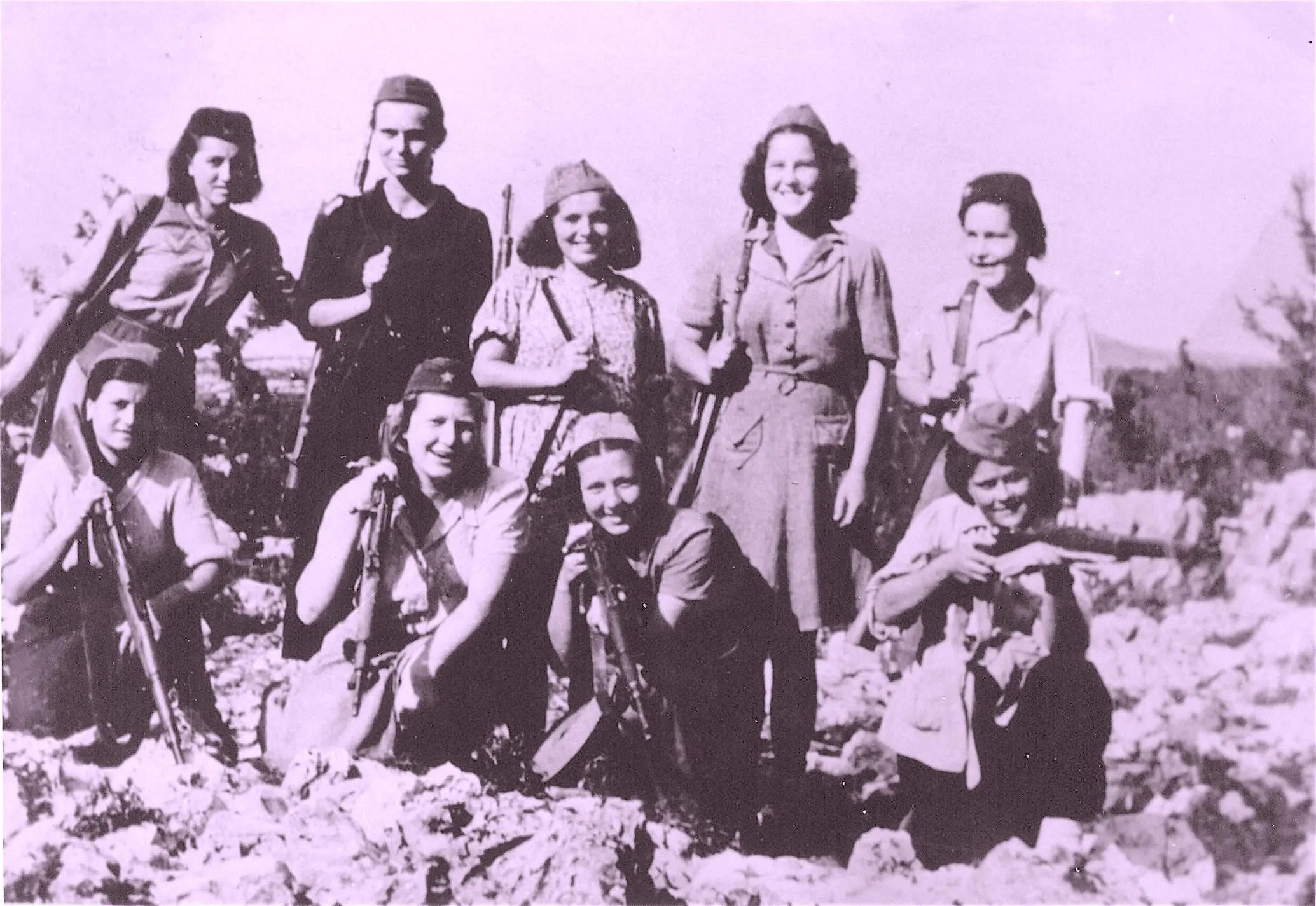
- Because she was on what is now the wrong side (the EAM, the guerilla resistance in Greece, on the side of the Allies during WWII but completely sidelined immediately after war end for being communist)
Then there’s a twist to this all...
I have an ancestor who was at Gallipoli!
Just that he was on the other side from the Aussie and Kiwi diggers.
My mother found out about this extraordinary story when we were in Yugoslavia for an extended period of time in 1976. Dedo Ilo, a relative of my paternal grandparents, told my mother that in the First Balkan War of 1912-13 he had been paid volunteer (only because he was dirt poor) and enlisted to fight against the Ottoman Turks on the side of the Bulgarians. He was just a teenager, so he lied about his age to get in. The Turks later captured him during the epic Siege of Edirne. Dedo Ilo was still a POW when WWI started a year later, after which he was taken to Gallipoli where he was assigned the horrible task of collecting the dead Turkish soldiers from the trenches. While doing his ‘collecting’, the soldiers from the other side (mainly Aussies and Kiwis) would offer him cigarettes and sit down and try chatting with him. One time, one of the soldiers saw that Ilo had no shoes on and so he told him to take a pair from one the dead soldiers as they no longer had a need for them. After the end of WWI, he made it back to his home village, by which time it was under Serbian occupation. He married a widow called Ljuba, who had children, and they together had a kind-hearted daughter who married a local man.
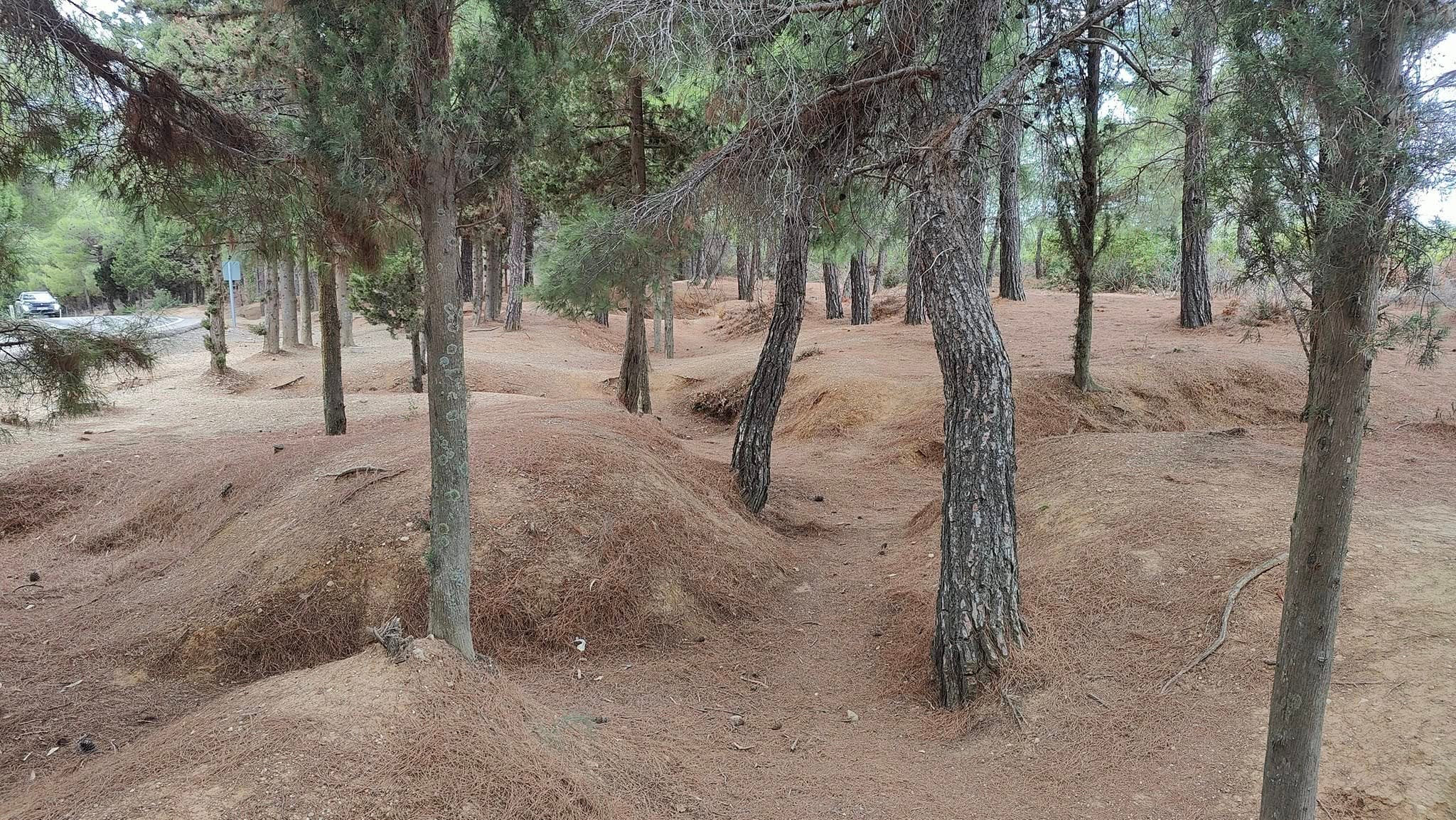
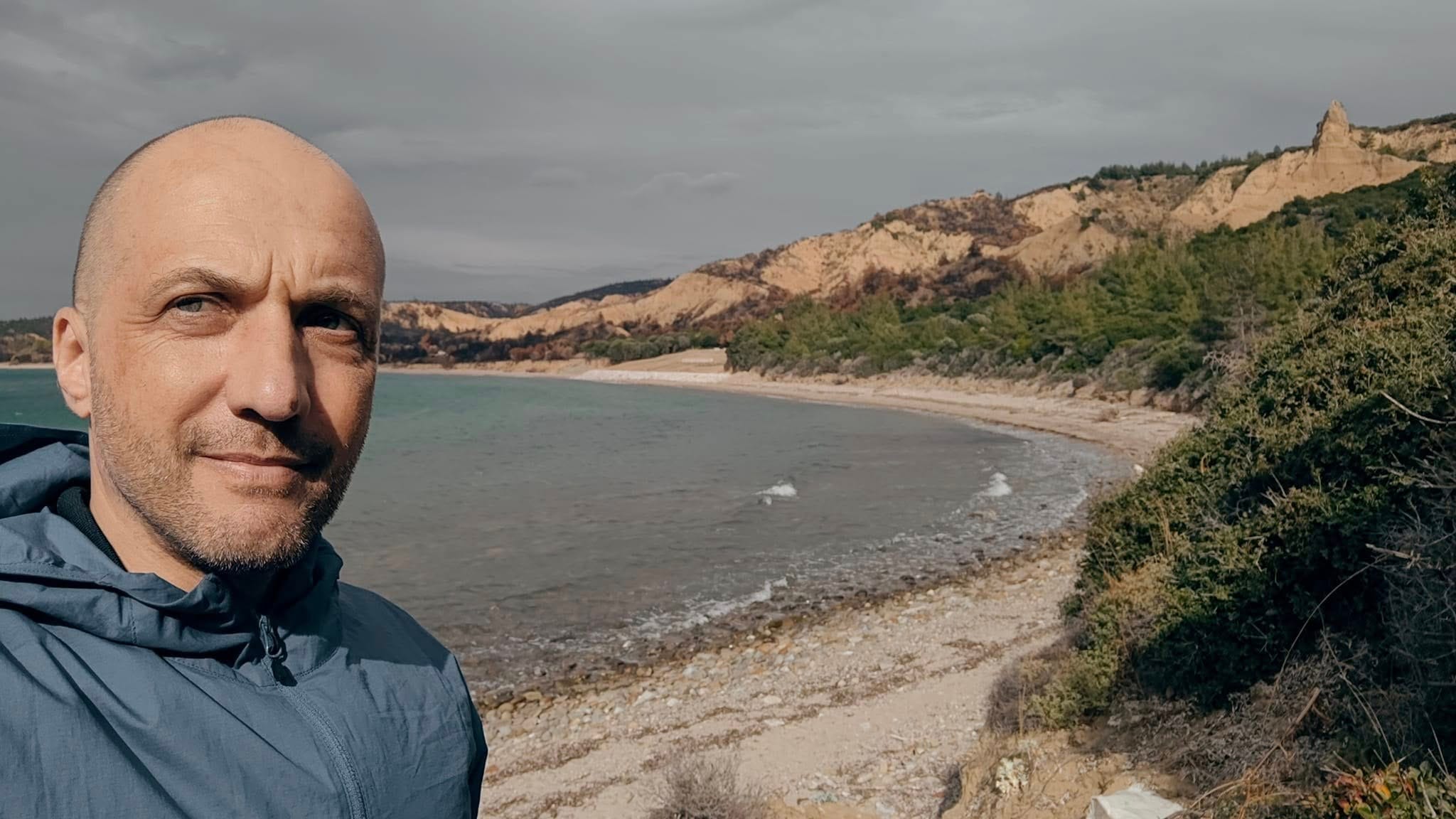
If Anzac Day and the geography associated with it had little to do with me, then what then made me go do the most Aussie thing possible and visit Gallipoli in September 2024?
Pure curiosity, more than anything else. I wanted to put the myth into perspective and see for myself what the place looks like. However, there was an avoidance due to what the pilgrimage has come to be symbolise. The cliché is that it’s done by drunken young Aussie and Kiwi backpackers who having done their two-year working holiday stint in a pub in Earl’s Court, London, would finish their time away from ‘the best country in the world’ (Australia) and do a Contiki tour getting absolutely maggoted in the pubs of (western) Europe and then off to Anzac Cove, where there’s a nearby place that serves Fosters beer and vegemite sandwiches. I was never part of that crowd in Australia, so why would I ever do that here?
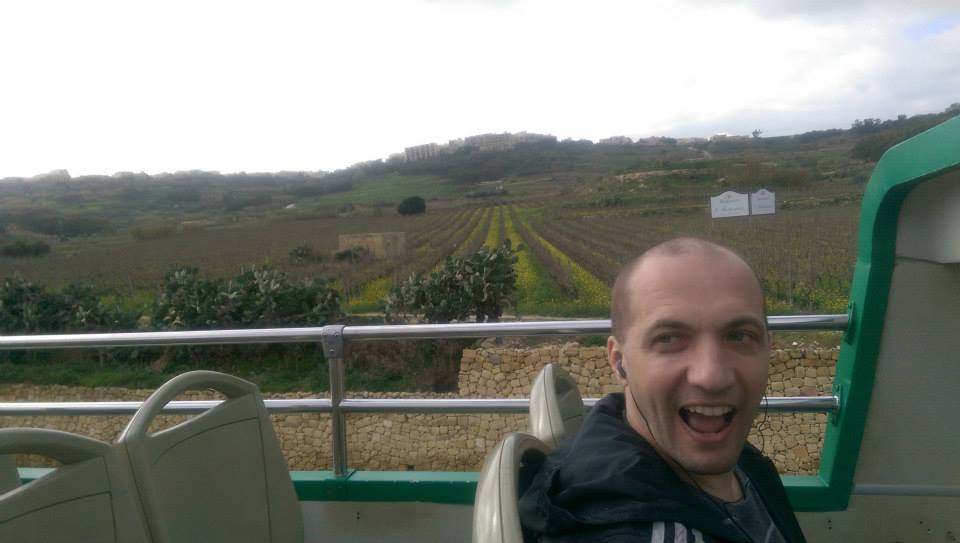
I went with my great travel buddy and music aficionado Garth Cartwright, a Kiwi, and who like me also lives in London. His travelogue of our trip to Gallipolli and the northwest of Turkey is a great read.
What we did discover is that there were no drunked backpackers when we were there – the few Aussies and Kiwis tended to be middle-aged or newly retired, and that an overwhelming majority of the visitors were Turks who had been bussed in as part of tours subsidised by local sections of Turkish president Erdoğan’s AKP party. For the visibly religious Turks who these trips were pitched at and were present when we were in Gallipoli, what happened there during WWI was a holy war against Christian invaders – the rather full open-air prayer areas by the otherwise secular Turkish military monuments testified to this.
But what does Anzac Day mean to Aussies (or Kiwis) now?
Well, its significance has never been constant, as this study points out. At high school in the late 1980s, we had to read for English class Alan Seymour’s controversial 1958 Anzac Day-themed play The One Day of the Year. This was at the time when coffee was starting to become the thing that it is in Australia (our coffee culture is relatively new), so it was absolutely hilarious to us teenagers that the play’s opening scene have two typical for the time Aussie parents worry how come their university-going son no longer drinks tea but prefers coffee. You can find out more about this controversial play here, where it states that the original actors even received death threats!
Dawn services and parades are still popular, though with fewer veterans from Australia’s past military campaigns, it’s their descendants who have taken their places as participants.
This being Australia, sport is on the calendar. For Australian Football (AFL) fans, no Anzac Day is complete without the match between Collingwood and Essendon in Melbourne – a permanent fixture on the AFL calendar since 1995.
Nothing about Anzac Day can go past talking about Anzac biscuits. These very Australian and New Zealand sweets truly deserve their own post as there is nothing straight-forward about then. For instance, the story for Aussies and Kiwis goes that these biscuits ‘were sent by wives and women's groups to soldiers abroad because the ingredients do not spoil easily and the biscuits kept well during naval transportation’. And DO NOT call them ‘cookies’ under any circumstances! There are even huge government-mandated fines should you do, not to mention the wrath of the virtual pitchfork brigade in Australia and New Zealand. And you know you’re Aussie or Kiwi when you get into debates over whether Anzac biscuits should be crunchy or chewy.

And what’s been one of the biggest talking points about Anzac Day in 2026?
That because it’s a day of national importance, that means in most of Australia it’s there will be no public holiday on the following Monday to compensate it falling on the weekend… except in New South Wales, Western Australia and the Australian Capital Territory (Canberra). That’s been a bit of a sore point for many Aussies who were looking forward to it being a long weekend. That shows priorities here.
And what about the Turks in all this?
Well, the reception I’ve had whenever I’ve mentioned ‘Anzak’ in Turkey has been overwhelmingly positive, to almost the same degree as to when I say I’m Macedonian (many people in Turkey have Macedonian ancestry, just like Atatürk, and they’re very quick to proudly say so). Turks are astounded that Aussies and Kiwis have as their veterans day a battle in Turkey where the Turks won.
The connection with Turks and Gallipoli is such that it was a given that the Ottoman-style mosque in the predominantly Turkish-populated suburb of Auburn in the geographic centre of Sydney is called the Gallipoli Mosque.
Anzac Day has had its controversies, and ebbs and flows in its popularity, but one constant about today is war is simply horrible. On Anzac Day, when TV reporters would ask the ex-diggers if they had something to say, it was always the same:
No more wars!
Please could we at least listen to them!
Lest we forget!







.jpg)


.jpg)



















.jpg)







.jpg)












_logo.svg.webp)




_(52052470251)_(cropped).jpg)










.jpg)













_(8249451687).jpg)