“Aboriginal and Torres Strait Islander readers: please note that this article mentions deceased persons.”
“WARNING: Aboriginal and Torres Strait Islander viewers are warned that the following program may contain images and voices of deceased persons.”
These are the warnings all Australians have been seeing since the 1990s every time before there is any mention, depiction or voices of Australian First Nations, otherwise known as Aboriginal and Torres Strait Islander peoples, in audiovisual or written material and the media, whether it be on TV, radio, published text, streaming services, websites...
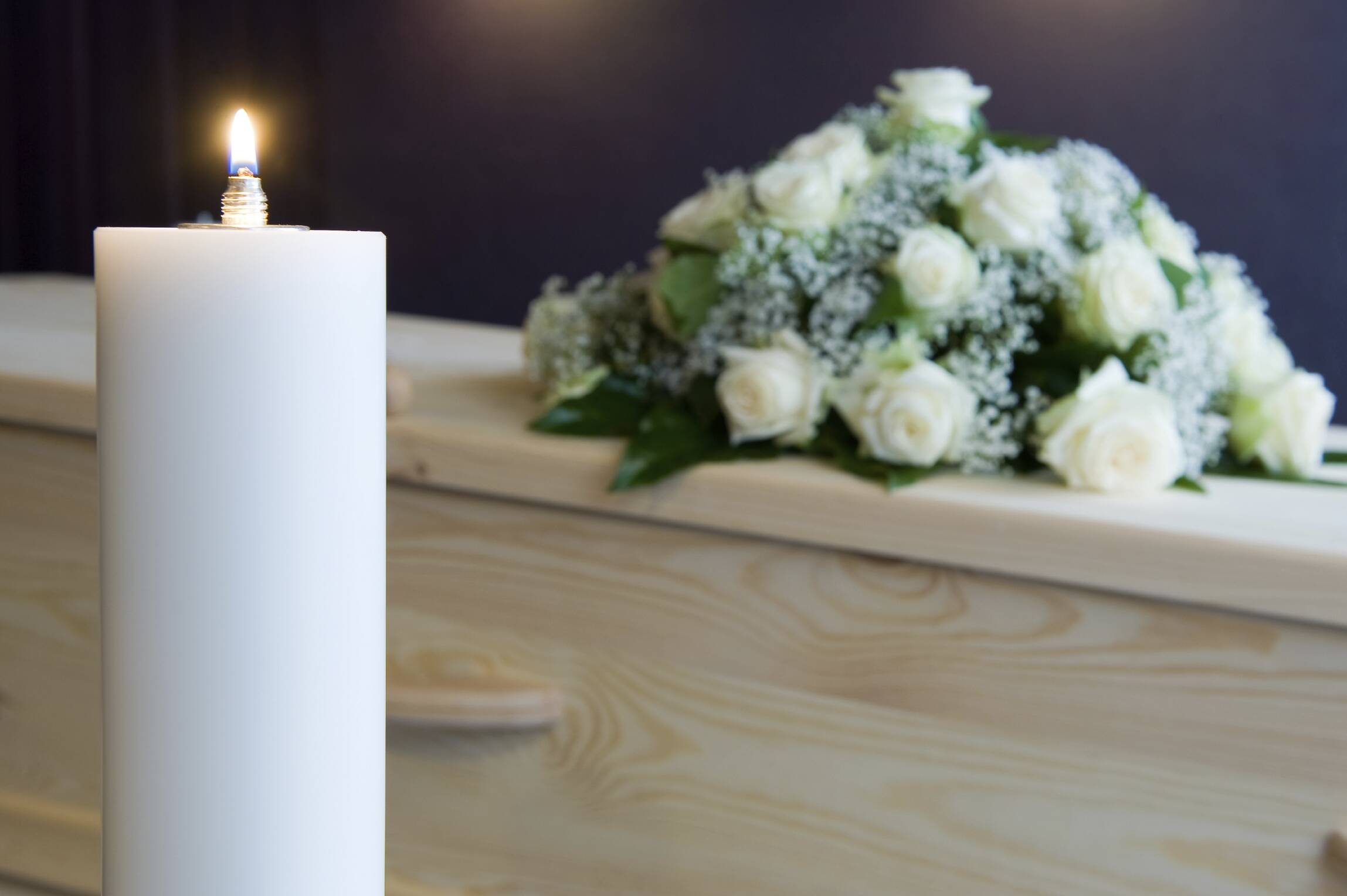
It is practice with many of the First Nations of Australia that any person who has died not be named directly, and images or depictions of that person suppressed. Doing otherwise is deeply offensive and upsetting for First Nations people during mourning periods, which can last for years. This also stems from the belief amongst many Indigenous communities that showing images or speaking the names of the recently deceased could prevent their spirits from moving on to the afterlife.
Case in point: recently a five-year-old Warlpiri girl was horrifically found dead in Alice Springs, central Australia. In respecting the wishes of the parents by keeping to Warlpiri mourning practices and protocols, the Australian media have been referring to the girl not by her government name but by her mourning reference of Kumajayi Little Baby. These references, usually in the form of circumlocutions, for deceased First Nation people during mourning periods often state the kinship (in this case, ‘little baby’) and, with some nations, a mourning identifier – for instance, Warlpiri use ‘Kumajayi’, Arrernte use ‘Kwementyaye’, Pitjantjatjara use ‘Kunmanara’.
These are the general protocols, as recommended by Australia’s prime natioal indigenous media network NITV, for reporting or communicating about deceased Indigenous Australians:
- In many areas of Indigenous Australia, the reproduction of names and photographs of deceased people is restricted during the mourning period. The length of this time varies and is determined by the community.
- There is the widespread practice of modifying a deceased person’s name or using a circumlocution (e.g. ‘the old man who painted’). These can be used in referring to the deceased person.
- When a well-known individual passes away, the local community or media group may issue instructions on how the name, voice or images of this person can be used.
- If names or images are to be used, written permission must be obtained from the person’s family and/or community. When contacting the community, care should be taken to avoid using the person’s name initially. The context in which the request is made should make it clear who is being referred to.
While these protocols are directed at people in broadcast media, many aspects here are also relevant to anyone who is in direct contact with Indigenous Australians, particularly the first two points above.
These protocols are of a general nature for Indigenous Australians. But one aspect usually many people outside of Australia are unaware of is that there is no single Indigenous Australian ethnicity – there are actually more than 200 separate Indigenous nations in Australia, all with their own languages, customs and traditions. These nations (or “mobs” as they’re colloquially referred to in Australian Aboriginal English) are found over a land mass the size of continental Europe, so there can be wide variation regarding the specifics and nature of practices and traditions.
And what happens if these protocols are not taken into proper consideration? Just ask Jamie Oliver. In an extreme example, he wrote and published the fantasy novel Billy and the Epic Escape, featuring an Aboriginal girl with mystical powers living in foster care who is abducted from her home in central Australia. The book was found to contain culturally inappropriate content. Oliver and his publisher, Penguin Random House UK, did later admit that no consultation with any Indigenous organisation, community or individual had taken place before the book was published. As what Sharon Davis, the chief executive of the National Aboriginal and Torres Strait Islander Education Corporation (Natsiec) had to say: “the book perpetuated harmful stereotypes, trivialised complex and painful histories and ignores the violent oppression of First Nations people, raising serious concerns about the cultural safety of First Nations readers, especially young people”. The costs in terms of reputation and logistics were huge – all copies of the book had to be pulled from shelves and destroyed.
There are also wide-ranging protocols protecting Australian First Nations cultural and intellectual property. An example is First Nations body art – the application of which is a sacred ritual, so it’s highly disrespectful (akin to blackface) if anyone who has not been initiated to imitate such practices, even if it’s done with good intention.
When we encounter traditions like this, the most meaningful response is not to measure them against our own norms, but to approach them with respect and openness. By doing so, we affirm a simple but powerful principle: that every culture deserves to be heard on its own terms. Respect others to receive respect.
If you would like to know more about Australian English, email me at info@nicknasev.com and let's discuss.


.jpg)
.jpg)
























.jpg)







.jpg)











_logo.svg.webp)




_(52052470251)_(cropped).jpg)






.jpg)











_(8249451687).jpg)