The weekend before Easter in Orthodox Christian societies in the Balkans see major celebrations for the coming of spring, steeped in pagan origins and rituals. And plenty of Balkan people are having their name day too!
Lazarus Saturday, the day before Palm Sunday, is yet another on a string of Balkan folk festivals and celebrations to bring in spring – hedging their bets on when spring starts, these start in March and continue through to May.
This day in Orthodox Christian parts of the Balkans is know as Lazaruvanje (Macedonian), Lazaruvane (Bulgarian), Lazarice (Serbian) and Lazarines (Greek). This ritual has its roots in antiquity and represents the rebirth of nature and the renewal of life. ‘Researchers studying the custom believe that the Lazarki songs are related to the ancient carols of the spring new year that were adapted to the spring holidays, such as Lazarus Saturday’1.
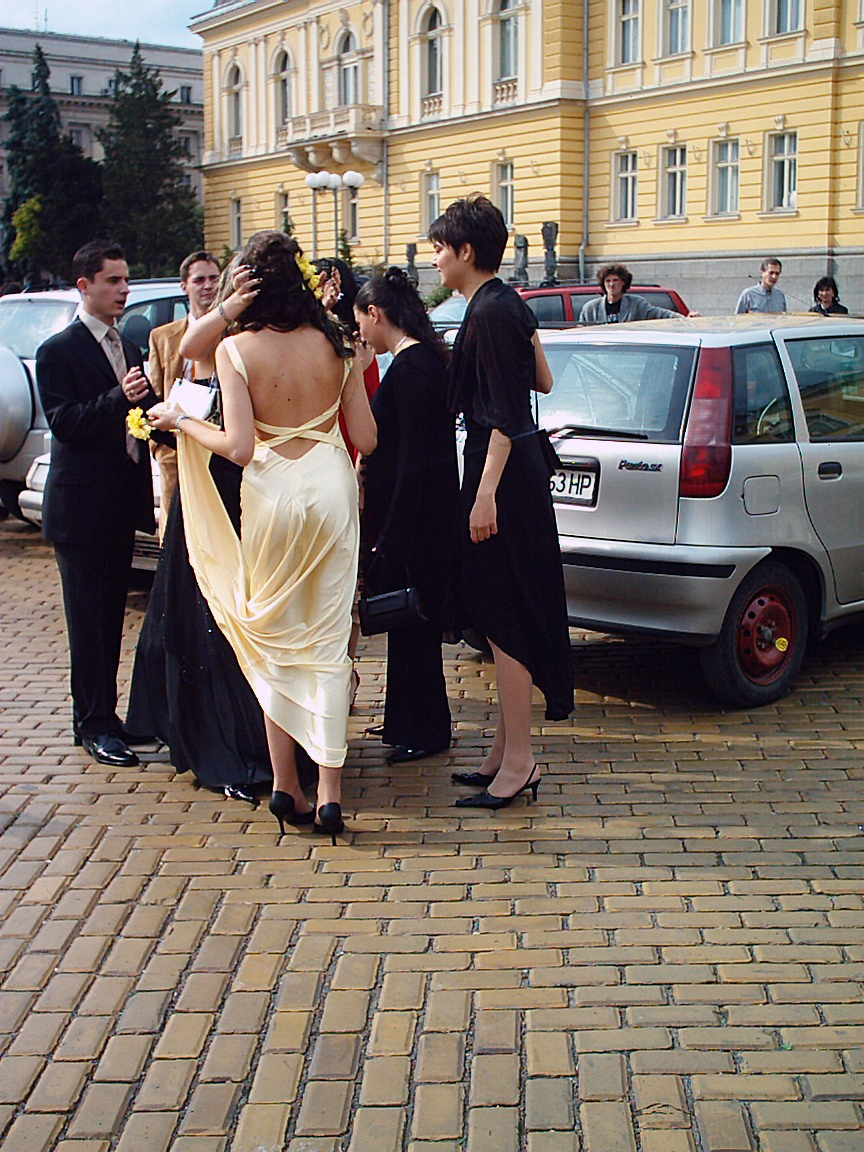
The ritual involves young girls (typically under 16) who are unmarried, called ‘Lazarki’ (Macedonian and Bulgarian), ‘Lazarice’ (Serbian) or ‘Lazarines’ (Greek). On Lazarus Sunday, the girls decorate their hair with flowers and ribbons, and go from house to house performing songs and blessing the homes, accepting small presents and food along the way. Many of the songs they sing are to do with Saint Lazarus, such as this one from the Debar region of western Macedonia.
Traditionally, on the eve of Lazarus Saturday, the young unmarried women of the village would gather in a house (‘sedenka’) to prepare their costumes for the celebration. On the actual day, from their gathering point they would visit the neighbourhoods of the village, dancing and singing as they parade through the village. The group would adapt their songs for each householder and the position they hold in the village. The girls would end their round of the village in the main square, singing Saint Lazarus songs in one big dance.
It was a rule that any girl who had never participated in the ritual could not marry, so this you could say was the Balkan equivalent of a debutante ball.
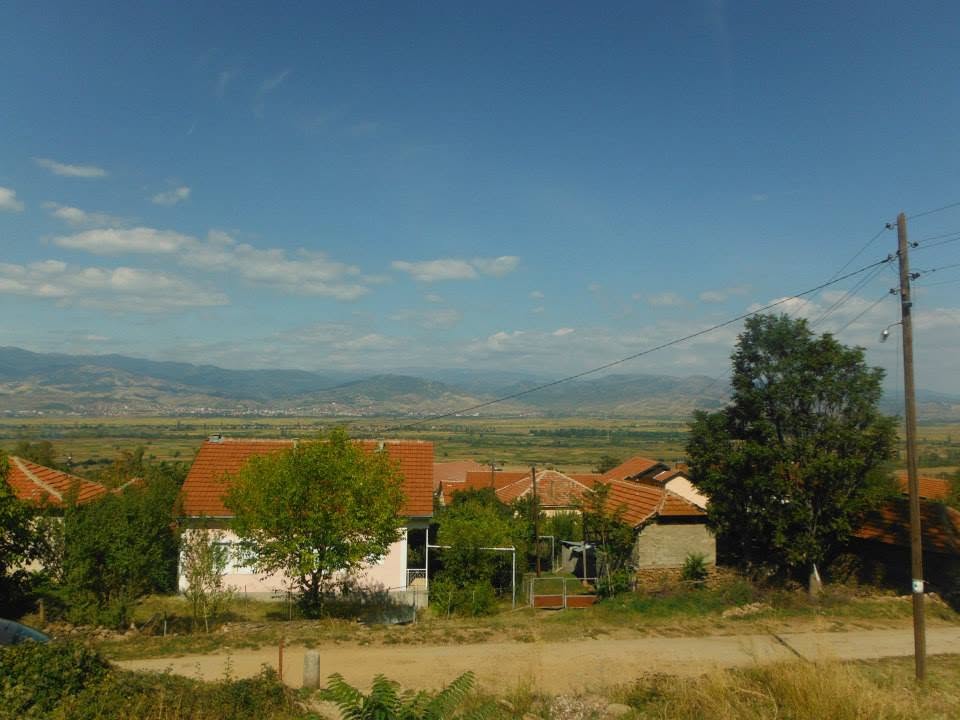
While the practice and its previous role as a way to introduce the young girls to society, as well as bring in the spring, largely disappeared following rapid modernisation and urbanisation after WWII, as well as the discouragement of the communist authorities in Bulgaria and Yugoslavia to maintain religious-related celebrations, or that it was too associated with pagan and Slavic traditions (Greece), there has been a revival in the past few decades, particularly in Bulgaria and Macedonia, where the gathering of women and the specific songs for the event are being actively maintained and preserved by local folkloric groups. An example of this was when in 2016 the local folkloric ensemble in western Macedonian town of Vevchani revived the practice after 65 years.
It’s also the saint’s day for anyone with people with or a derivative of the popular Balkan name ‘Lazar’ or ‘Lazaros’.
Palm Sunday on the following day is known as Цветници (“Tsvetnitsi”) in Macedonian, Цветница (“Tsvetnitsa”) in Bulgarian and Цвети (“Tsveti”) in Serbian – essentially ‘the flower festival’. And no surprises that flowers feature heavily on this day. People in the region will give each other flowers as presents, so a common feature of the streets of cities and towns in the region are impromptu stalls with flowers for sale.
Anyone in Orthodox Christian Balkan countries who has a name based on a flower or a tree have Palm Sunday as their name day. As that covers a large number of people, you can pretty much write off the day as a day of celebration that, as what my cousin said to me one time when I arrived into Sofia, Bulgaria, on the evening of Palm Sunday, ‘there’s no point of contacting anyone to meet up with as they’re all probably all drunk now’. And some of these flower- or tree-related names can be unsuspecting. For instance, the common Balkan Slavic male name ‘Goran’ has Palm Sunday as its nameday in Bulgaria given that ‘gora’ in Bulgarian means ‘forest’ (unlike in many other Slavic languages where it means ‘mountain’)
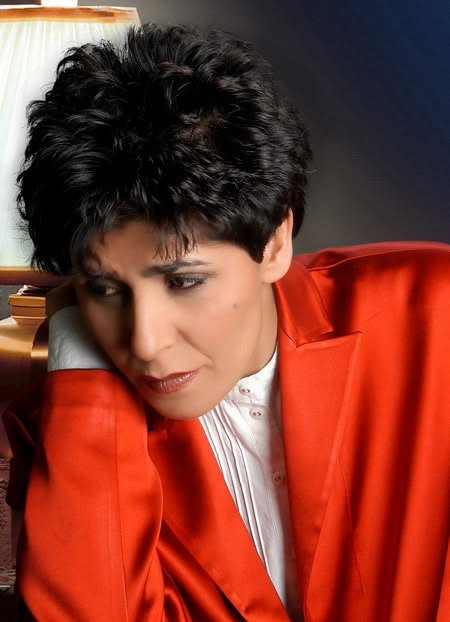
After many decades where one of the big catalysts for prompting reviving Palm Sunday celebrations in Macedonia in the 1990s was the Cvetnici song festival that used to occur and have major TV and radio coverage. And as we could expect, the actually holiday was the subject of many of the songs, including this one by Marjan Kocev.
I’d like to wish everyone who is celebrating these holidays весели празници! 💐🌷🌹🌸🌺










.jpg)

















.jpg)







.jpg)










_logo.svg.webp)



_(52052470251)_(cropped).jpg)









.jpg)










_(8249451687).jpg)