This year’s Croatian Eurovision entry, Andromeda by ethno group Lelek has made it to the grand final on Saturday. People online throughout Europe are praising the entry particularly for its ethnic elements.
However, there’s heavy politics and history behind the song.
Reports have said that the Turks, who haven’t competed at Eurovision for over a decade, are furious over the anti-Turkish and anti-Ottoman sentiment of the song.
Indeed, the song is based on themes present in historic Balkan folk culture detailing the Ottoman Muslims persecuting Christians, particularly women, through rape, kidnapping and forced conversions, based on true crimes. An example includes Bulgaria's Kera Tamara, who is venerated for keeping her Christian faith even though she was handed to the Ottoman Sultan's harem. However, while some of these folk tales and songs are about admirable and strong women who stood their ground and defended themselves, the main focus tends to be more on how evil the Muslims are rather than any genuine concern for the (female) victims.
The members of Lelek sport tattoos of the Catholic sicanje tradition. These tattoos containing a mixture of Christian and pagan symbols ostensibly were used to mark women to prevent them from being attacked or taken, though the actual practice pre-dates the Ottoman era.
What makes the song problematic is that Christian ethnicities in the Balkans have used these historic crimes to commit "revenge" on Muslims in the form of group punishment. Bulgaria's "revival process" that saw the authorities change the names of the country's Muslim minorities, and much of the violence towards the Bosniaks during the 1990s wars, were grounded on this supposed need for justice of Ottoman crimes. Massacres such as that in Batak in 1878, the events covered in the epic 1846 Montenegrin poem Gorski vijenac (The Mountain Wreath) and the devshirme system that ended in 1828 are still talked about in the Balkans as if they only happened yesterday, while the five centuries of "Turkish slavery" (pet veka tursko robstvo) are depicted solely in negative terms, driving the point that Muslims and Islam are bad. Much is then glorified of how Christians in the Ottoman Empire were resilient to maintain and preserve their Christian faith in the face of "constant Muslim savagery", even though the reality was that the Muslim Ottomans tended to be relatively tolerant of other religions, particularly those "of the book" (Christians and Jewish people).
Part of the lyrics of the song repeats the word “izdajice” (“traitors”), which in this case refers to Christians who have converted to Islam, which would impliy today's Bosniaks. Considering the ongoing tensions between Croat and Bosniak communities throughout Bosnia and Herzegovina, especially in divided cities such as Mostar, and the current Croatian government’s support for a third Croat entity to be carved out of the current Croat-Bosniak Federation, fanning such sentiments can only incite the situation.
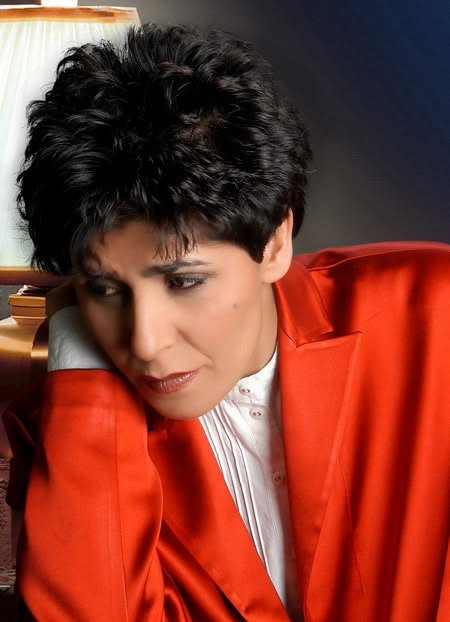
To add to it all, the song was co-written by Zorica and Lazar Pajić. What makes this unprecedented is that they are a Serb couple from Serbia! The Croatian establishment, especially those of public broadcaster HRT (who organised the Dora competition that Lelek won) usually scoff at anything of this nature with a Serbian connection. Zorica is otherwise better known as Zorja – her stage name coming from the Slavic pagan goddess of morning light and birth. Zorja otherwise is a singer who first gained fame from appearing on Zvezde Granda, the most popular singing audition show in ex-Yugoslavia, broadcast from Belgrade and primarily a vehicle for discovering new turbo folk singers. She later went viral with videos of her singing a Serbian folk song about Kosovo, as well as the Serbian national anthem with a prominent Russian journalist. These viral videos firmly placed her within the nationalist politics of the current Serbian government under Aleksandar Vučić.
Zorja herself has tried to represent Serbia at Eurovision twice (2022 and 2024) – despite being a favourite and having the Serbian political establishment behind her, she ended up in the Serbian national final coming third both times.
Mark my words, it’s a guaranteed 12 points to Croatia from Serbia (and Montenegro) then.
There are so many other traditional themes that could have been sung about, so to bring up this contentious historical topic now – one that can be and is being exploited to relate to the present – and to showcase it in front of the Eurovision viewing audience does make some question why.





.jpg)






.jpg)











.jpg)






.jpg)









_logo.svg.webp)


_(52052470251)_(cropped).jpg)

















_(8249451687).jpg)