Very sad to announce that Yanka Rupkina, one of the members of world-famous Bulgarian folk group Trio Bulgarka, has died aged 87.
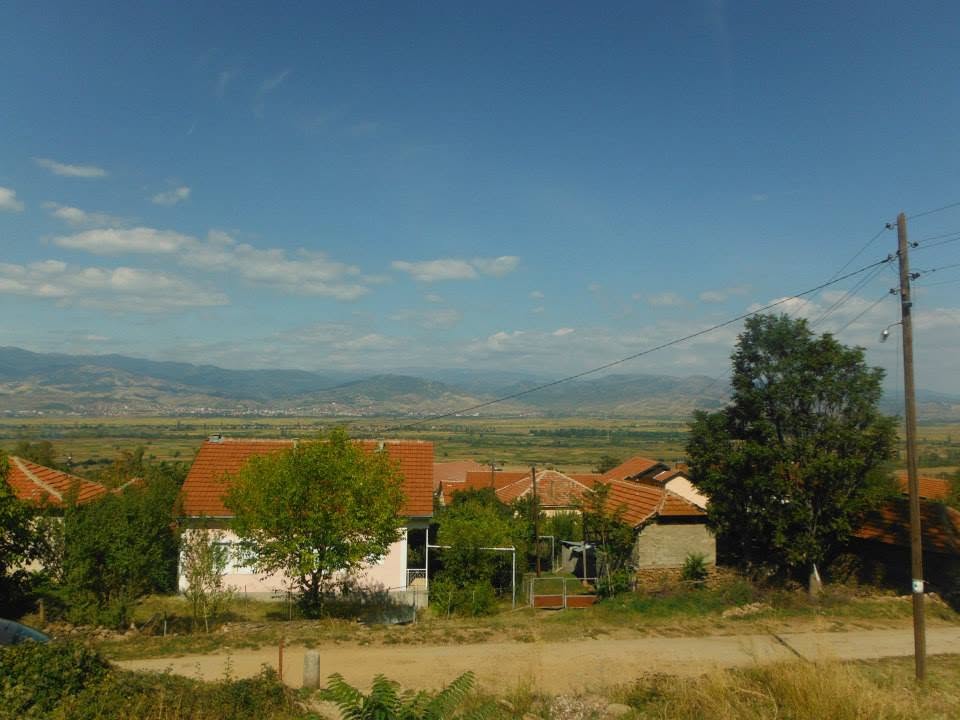
Yanka Rupkina was a folk singer from the Strandja region that stradles the modern-day Bulgarian-Turkish border and the main setting for Kapka Kassabova’s awarding winning book Border (2017).
Rupkina was born in 1938 in Bogdanovo. Initially trained as a nurse, at age 22 Rupkina’s life changed completely when she won first prize at a singing competition in the Strandja village of Gramatikovo (a very beautiful place, I should add). Taken by her exceptional performance here, high-ranking folklorists invited Rupkina to appear in Sofia at a competition organised by the Bulgarian National Radio Folk Song Ensemble… which she also won. Starting from 1960 and right into the 1990s Rupkina was a soloist in this ensemble. Over the years, she made many recordings for the Bulgarian National Radio collection, released many records with socialist Bulgaria’s sole record label Balkanton and often appeared on Bulgarian National TV.
In the late 1970s, she along with singers Eva Georgieva and Stoyanka Boneva formed Trio Bulgarka, who thanks to then Bulgarian Culture Minister Lyudmila Zhivkov’s strong promotion of Bulgarian folk song, gained worldwide popularity. Trio Bulgarka became one of the first star acts of the newly emerging World Music scene of the 1980s. Independently and with the trio, Rupkina collaborated with world-famous musicians such as Kate Bush, George Harrison, Linda Ronstadt, Transglobal Underground, Chris de Burgh and many others.
During her long creative journey, she was awarded many awards. Her song "Kalimanku, Denku" arranged by Krasimir Kyurkchiyski particularly impressed Swiss producer Marcel Cellier, who included it among his favourite titles in the series of albums known to the world as The Mystery of the Bulgarian Voices. This Strandja folk song tells of an unhappy love, born of an ancient custom. In the Strandja region, godfathership was considered kinship and did not allow a godfather and goddaughter to love each other (“kalimana” in the Strandja dialect of Bulgarian means “goddaughter”).
Ever since Rupkina was admitted to hospital a few weeks ago after a stroke, the latest about her health status had been major breaking news in Bulgaria, which goes to show how much the stars of traditional Bulgarian folk song are still revered in the country.
Поклон пред паметта ѝ!










_(8249451687).jpg)









.jpg)














.jpg)







.jpg)












_logo.svg.webp)





_(52052470251)_(cropped).jpg)









.jpg)