“Oh do we have to listen to it? Naur!” is something the child versions of my sister and me used to whine every Sunday at around 11:30 am. That was the time when our parents would just nudge their way in and twist the knob on the only radio we had at home, right in the middle of Take 40 Australia (all Aussies of a certain age will know what I’m talking about), so that they could listen to the 30-minute local Macedonian radio program on 5EBI-FM, the dedicated “ethnic” radio station in Adelaide (every Australian capital had such a station). There were no ifs or buts – it HAD to be on.
My sister and I were not happy.
Actually, the dial would’ve already been changed to 5EBI-FM minutes before 11:30 am, lest we miss the introduction – always a very lively version of the Macedonian national anthem. That meant we’d often catch the end of the previous program – the Jewish Half Hour hosted by Pamela Mendels, who for decades would start and end her show (presented in English) with a hearty “shalom” and the Barry Sisters singing Heveynu Shalom Aleichem (a recording that seemed to get faster and faster as the years passed). Once past the Macedonian anthem (stand and salute!), for the next 30 minutes the Macedonian program would usually feature a string of old folk songs interspersed with dedications for the birthday of the granddaughter of some listener or something, then ending off with annoucements for the latest upcoming events happening at our local Macedonian Hall, plus the fixtures for the next match for our soccer team Macedonia United (MU) Findon (my father always took note of that). The pain and suffering of my sister and I after that agonising 30 minutes came to an end once we heard the start of the following program – a stirring instrumental version of Lijepa nasa domovino (Our Beautiful Homeland), i.e. the Croatian anthem for the Croatian Hour (honestly, the anthem’s orchestration is beautiful… and composed by a Serb!). Sometimes my parents would accidentally leave the Croatian program running – it was how I first got accustomed to the language. But otherwise, by 12 noon, usually my sister and I regained full control over the radio and it was back to Take 40 Australia to get in number 20 on the Top 40 list.
To receive new posts and support my work, consider becoming a subscriber
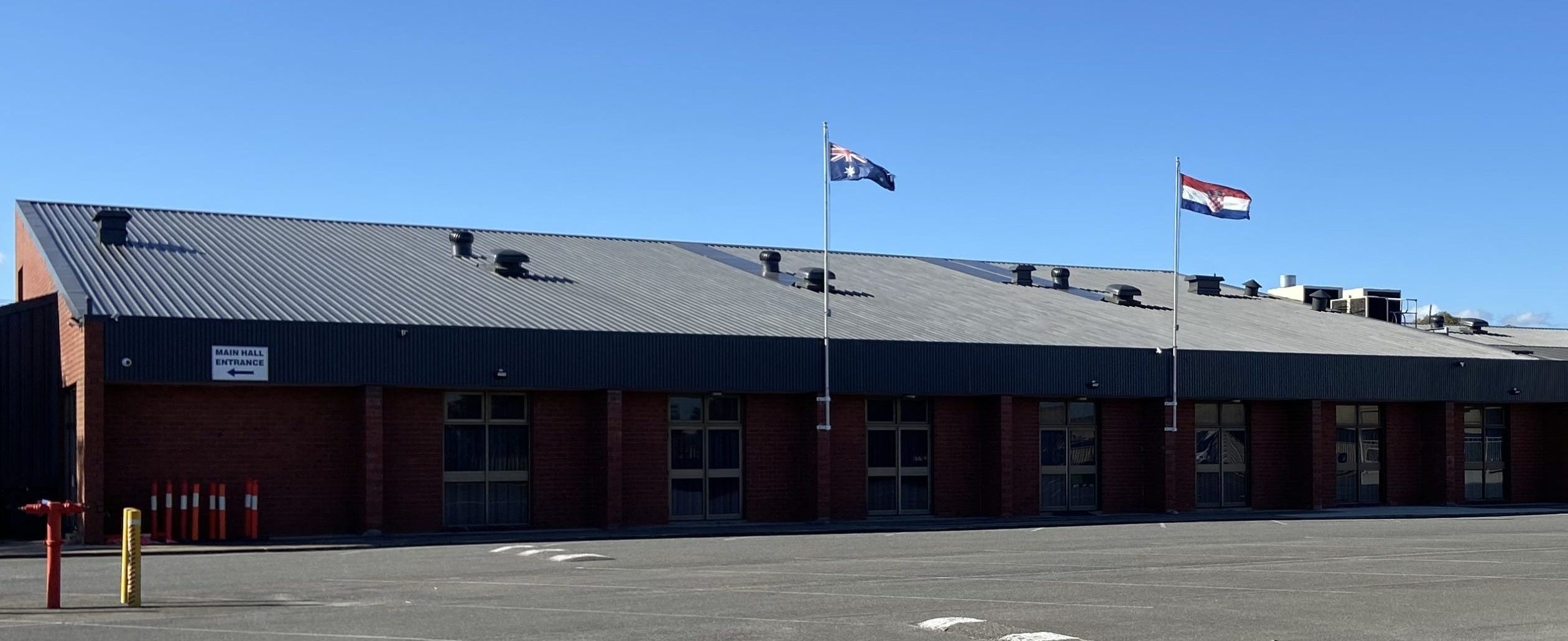
For the next few hours, my sister and I had free range over the radio. Then at 4 o’clock in the afternoon, my grandparents would instruct my mother to tune the radio back to 5EBI-FM as it was now turn for the Bulgarians to do their thing. They had an hour (there were more Bulgarians than Macedonians in Adelaide back then) and my grandfather, who came from what is now Bulgaria, would be listening intently. Quite often it’d be an old guy, a contemporary of my grandfather, offering some talk about Bulgarian history, and with your usual diet of Bulgarian folk songs – almost all Balkanton recordings that the Committee for Bulgarians Abroad would have sent. Post-1989, after the fall of the Communist government in Bulgaria, the Bulgarian program was able to avail itself with far greater material. Most interesting for my grandparents was the Bulgarian radio program’s segment where the current prices for everyday goods in Bulgaria would be listed. We’re talking flour, feta cheese, cooking oil, chicken meat by the kilo… absolutely mundane but must-hear listening for my grandparents, and for all the other, mostly elderly, listeners. And it was quite easy to source this info – Bulgarian newspapers at the time regularly printed such lists. After every time the presenter would announce a price, my grandparents would gasp in complete shock and despair – “It’s so expensive! How can they afford anything?” my grandmother would always say. And the info gained from the price segment would be the subject matter for hours upon hours of intense discussion between my grandparents, comparing the prices to those announced the week before. The way they’d get so fixated on the price of soap and how it has risen by 37 stotinki in a week (shocking, I know!) had to be seen to be believed.
So that’s where the story ends for my sister… but not for me.
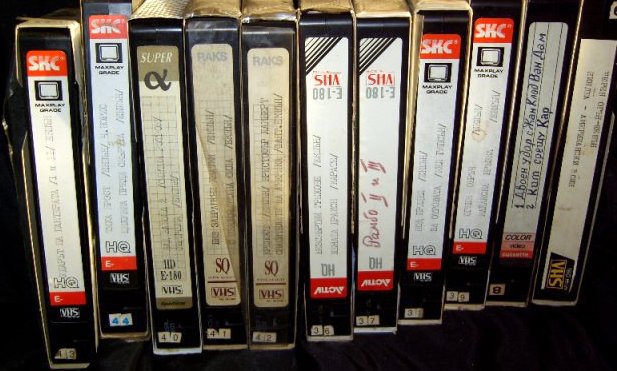
By the time I was 16, I was starting to deal with the unresolved issues surrounding who and what I am. I was questioning everything. And the biggest issue – do I really like pop and rock music in English? How come I am humming to myself these oriental-type rhythms and tapping my fingers to strange, uneven beats? That’s when I finally succumbed to what had been lurking within me for ages. I finally came out… and admitted I loved Balkan and Middle Eastern music – a passion that has continued to this day. That I was a fan was already obvious to others given my love for Egyptian musicals that would often show on SBS-TV, Australia’s dedicated multicultural broadcaster. But what was also happening is that occasionally my parents would get video cassettes from Yugoslavia featuring the latest music. OK, the stuff that was coming out of Yugoslav Macedonia was not that great at the time – purists were in control of music production at Radio Skopje, so they were very adamant in keeping Macedonian music “authentic” in their sense. The complete opposite was happening in the brotherly Yugoslav republics of Serbia and Bosnia and Herzegovina, where a pop version based on local folk music – novokomponovana (“newly composed” in Serbo-Croatian) – had taken over. I was very much liking this as it spoke directly to me and, as I was to find out, millions of others. This music was the perfect mix of the traditional and the modern. I was hooked!
But where else to source this music?
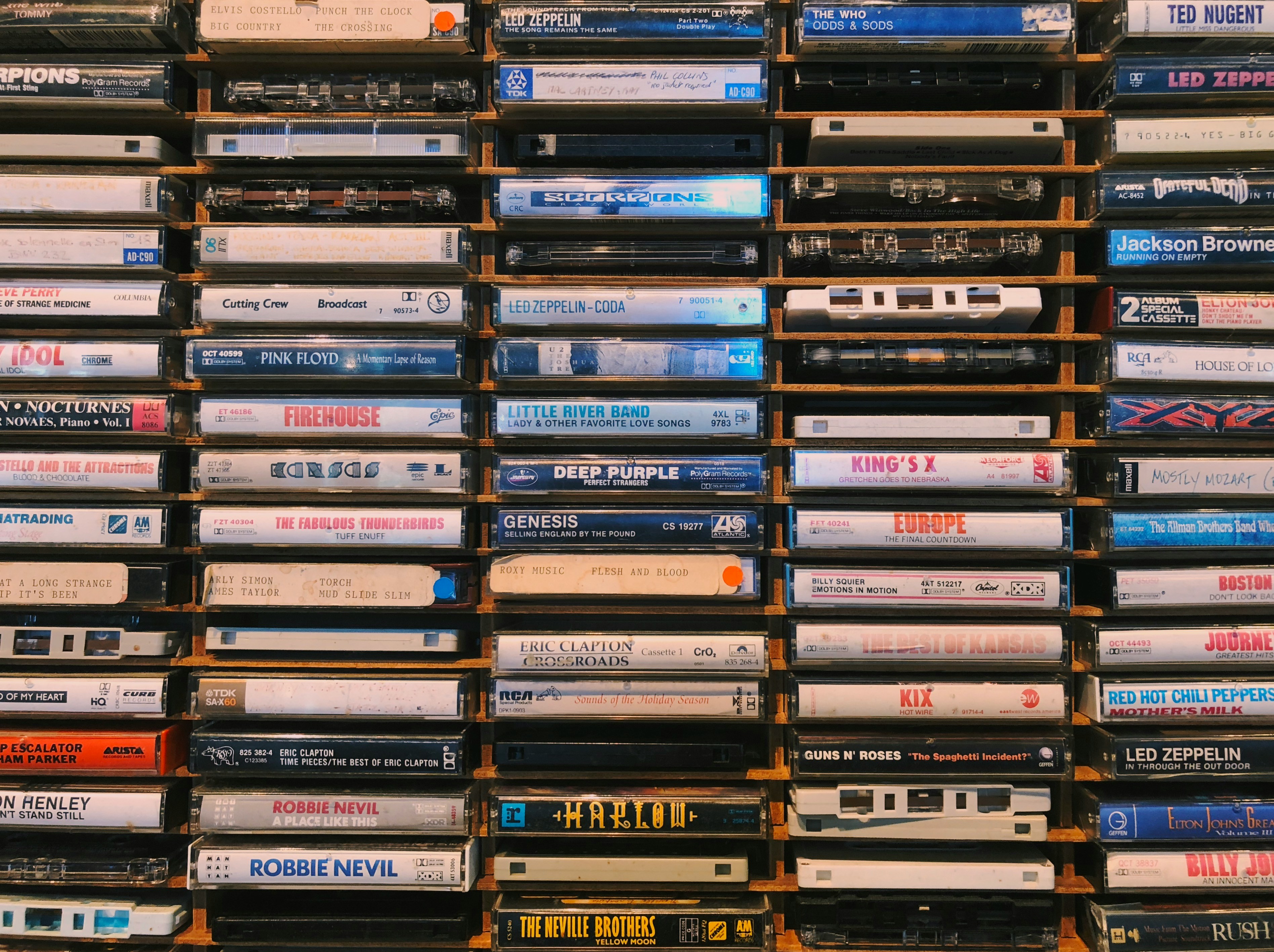
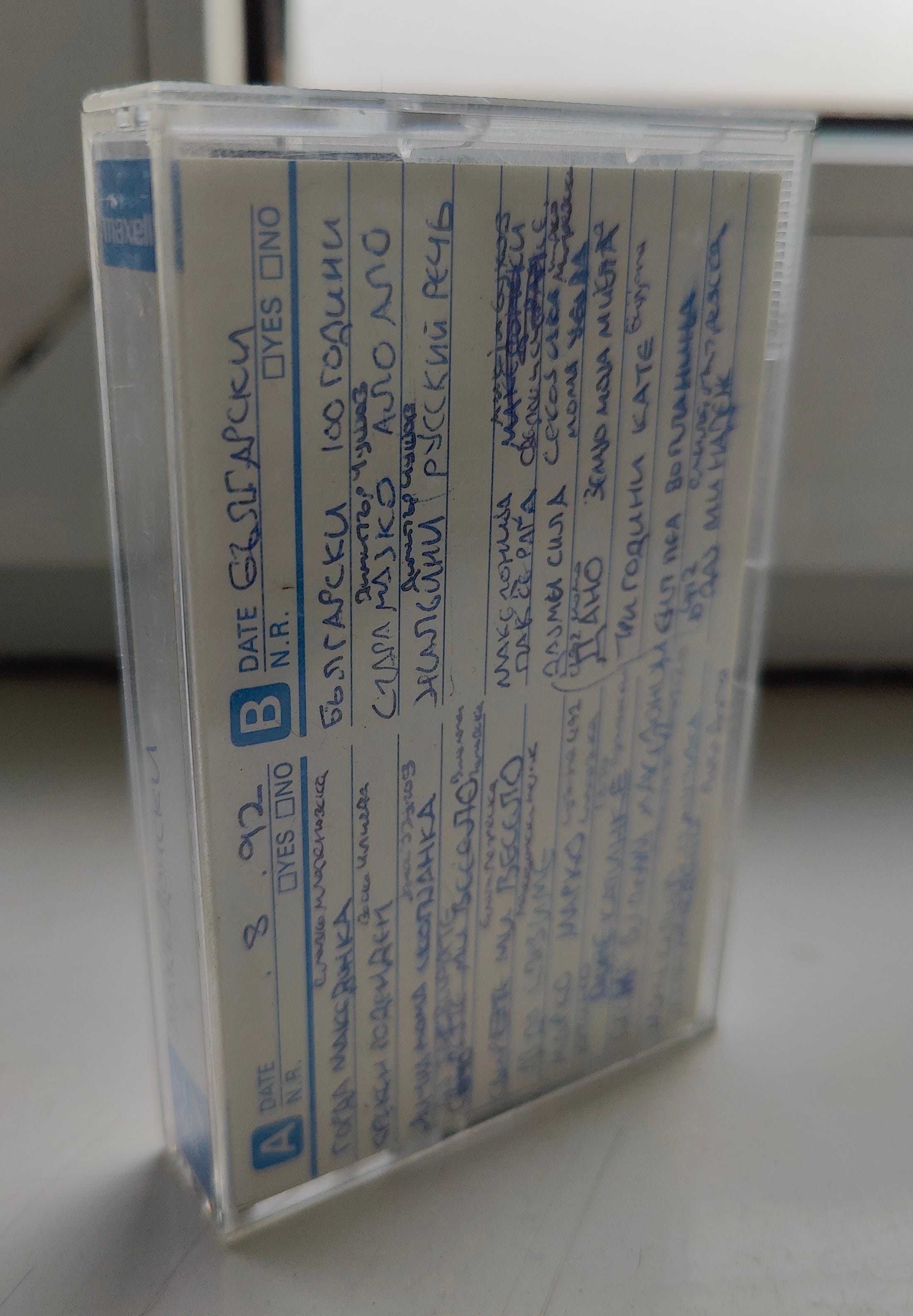
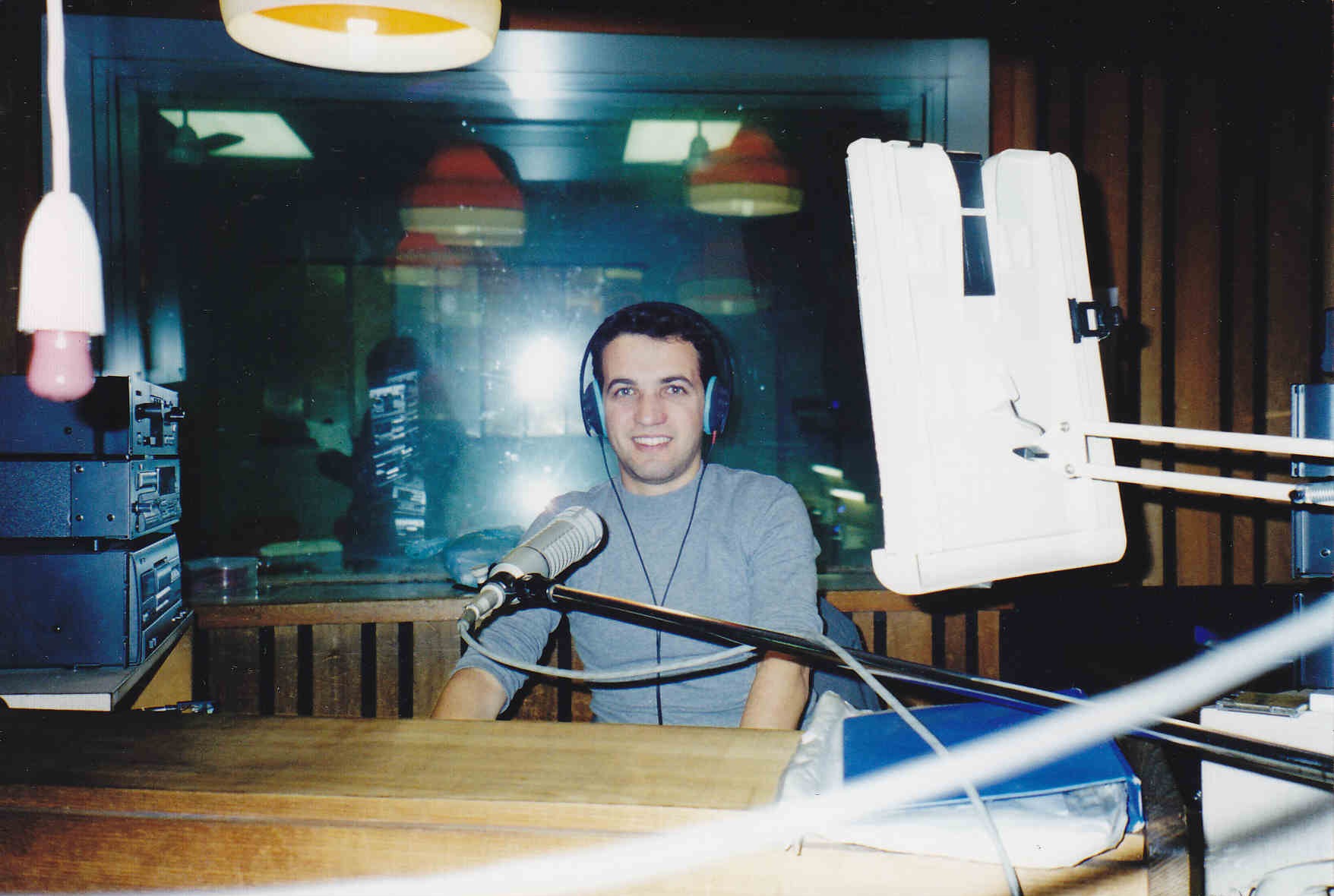
That’s when I started religiously listening to ethnic radio and taping songs with my cassette recorder off of the various radio programs catering for Adelaide’s various and diverse ethnic communities. I still have my first mix-tape of songs. That’s it – for the next few years, if you wanted to find me, I was next to the hi-fi among the hundreds of carefully catalogued audio cassettes that I had amassed.
Ethnic/multicultural radio started in Australia in 1975 with the launch of experimental radio stations in Sydney and Melbourne set up to inform Australia’s ever-growing non-English-speaking communities of Medicare, Australia’s newly introduced universal healthcare system, in their languages. These stations became permanent, leading to the formation of the Special Broadcasting Service (SBS), a media group that celebrated its 50th year of operations last year. Later that year, similar ethnic radio programs started appearing on community radio stations across Australia, which in the case of Adelaide, my hometown, a dedidcated Macedonian program first aired on 22 March 1976 as part of a block of multicultural segments on the university radio station 5UV. Once the number of communities wanting programs outgrew the amount of alloted radio time, and with the then (now surprising) Liberal Party (don’t be fooled – it’s Australia’s Tories) pushing forward with the multiculturalism policies first introduced by the previous Labor government under Gough Whitlam and especially Immigration and Migrant Affairs Minister Al Grassby, soon after 5EBI-FM, a dedicated “ethnic” radio station staffed mainly by volunteers, was launched to accommodate all the groups. Mind you, for many decades program allocation reflected more of the ethnicities of volunteers involved rather than actual need for broadcasting for Adelaide’s ethnic communities. That meant that there was an abundance of programs catering for Adelaide’s German and Dutch-speaking communities (most of whom had already fully assimilated into the English-speaking mainstream), as well as daily prime-time programming for Adelaide’s two largest non-English-speaking communities, the Italians and the Greeks. As for the huge Chinese and the fast-growing Vietnamese communities, for decades they each had just one hour… a week!
Nevertheless, in the 1980s and well into the 1990s, before satellite TV and the internet came into the picture, these programs were a lifeline for many of the people who had migrated to Australia from various European countries. These programs were often their only point of contact to hear the latest news and music in their native language. And it certainly added for others, like myself, a hidden yet accessible way to venture away from the dull mainstream of Anglo-centred Australian culture.
When I started listening to these radio programs, I first concentrated on the language groups that I was most familiar with – Macedonian, Bulgarian, Serbian, Croatian and “Yugoslav” (the Bosniaks had their own show later on). Later, that expanded to other languages and groups – Greek, Turkish, Arabic, Armenian, Slovenian, Russian, Ukrainian, Latin American. Unfortunately, the numbers in Adelaide didn’t allow for an Albanian or Romanian program, so they remained a bit mysterious for me – I had no idea about Romanian Manele music or how cool Albanian pop was until the internet came into play in the late 1990s. It was through these programs where I was exposed to music from around the world before World Music really took hold in the 1990s.
Now this was the time of the Balkan Wars. The ethnic communities in Australia hailing from Yugoslavia, sorry to say, were very much enthusiastic and ardent supporters for the ultra-nationalist politics prevalent in their newly independent home countries. Let’s just say that the stuff that was often broadcast on their radio programs can be best classified as evidence for war crimes. It was that blood-thirsty! And regularly among the neo-folk-pop hits they’d play, there would always been extremist nationalist songs calling for outright ethnic cleansing, whether it be the Serbs with songs such as “It’d be better that there are no Muslims”, the Croats with WWII-era Ustasha songs glorifying Nazi leaders and the mass murder of Serbs or Bosniaks with songs claiming that “Jihad is in our blood” – the host of the Bosniak show was a born-again Muslim, and who clearly stated at the beginning of each show that any songs that go against Islamic morality (such as gambling, drinking alcohol, adultery, etc.) or performed by Chetnik or Ustasha-affiliated traitors, were firmly banned. This reflected the core of these communities — people, often with dubious histories, who had fled Yugoslavia after the communists won power in 1944, who instilled the ultra-nationalist culture of these groupings and gaining notoriety in Yugoslavia for doing so. Things went into overdrive when fundraisers for “medicines for war victims” became a big thing. Of course, the only “victims” were members of your own ethnicity, and who was to know that the money donated often ended up either going into some government official’s pocket and/or to purchase more weapons to kill people. The Croatian program, for instance, would announce who were that week’s donors, publicly displaying how much of a game of patriotic one-upmanship this had descended, with families competing with each other to show how much more they loved Croatia by donating increasingly higher amounts of money – the going rate was AU$1000 a week, a huge amount at the time.
And before you ask, no, the radio stations had no idea that such extremism and hate were being broadcast.
Outliers to this were two “Yugoslav” radio programs – one by the Yugoslav Community of Adelaide, and the other by the Vojvodina Community (Vojvodina being the multiethnic autonomous region in northern Serbia). These two were on another community radio station (5PBA-FM) and each went on for a generous four hours. What set these two programs apart from the others was their music content – they were filled to the brim with the latest music from Serbia, particularly the newest genre at the time, Turbofolk. The Yugoslav community was in transition in the 1990s, with its fortunes and identity mirroring that of its now-disappearing motherland. Instead of rising above the flames and maintaining the original ideals of brotherhood and unity extolled by their hero Tito, the Yugoslav Community of Adelaide followed the course set by Slobodan Milošević and went in for Serb nationalism. By doing so, it completely ostracised and alienated its many Croatian, Slovenian, Bosniak and Macedonian members. By 1993, the community, which would receive the lionshare of Australian government funds for “Yugoslav” communities (funding would be allocated on a country-of-origin and not ethnic-identity basis, so the Serbs, Croats, Macedonians and Slovenes would lose out), had been reduced to one mainly made up of Montenegrins and a small group of staunchly anti-Chetnik Serbs. The main presenter of their program was George Sremčević, who not only was a major figure in the Yugoslav community in Adelaide and had a great voice for radio, but also the proprietor of Sunway Travel, the main travel agency for Adelaide’s Yugoslavs, as well and a JAT Yugoslav Airlines representative office. Every time popping into the Sunway Travel office was like stepping into Yugoslavia, with the first thing hitting anyone was the overriding waft of aromatic Yugoslav cigarettes. It was also at Sunway Travel where the latest Serbian magazines, newspapers and turbofolk cassettes could be purchased (no surprises – I was a main customer!). Because of his work, Sremčević was a regular traveller to Serbia, which at the time due to sanctions involved first flying to Hungary and then going by minibus over the border into Serbia. On his radio program, he would recount his journeys to and from Serbia and all the Serbian Turbofolk stars he’d shared minibuses with on their journey across the border. Just a quick note – George Sremčević did try once to recruit me to join his radio production team, but I declined.
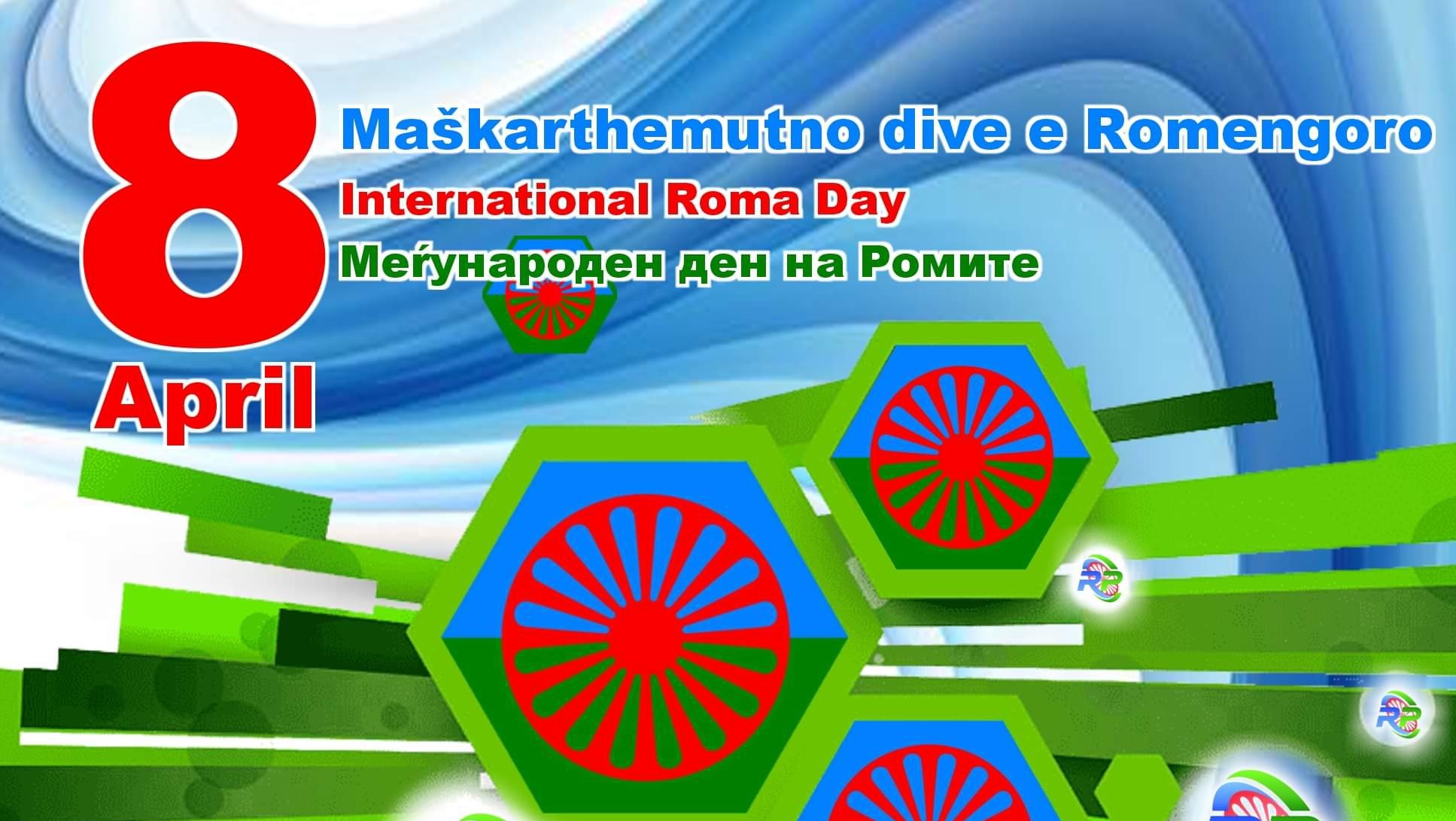
The Vojvodina program was presented by Žiža, Adelaide’s most well-known Serbian Roma guy… and he sure did fit the Roma stereotype. He was always quite the ladies man, especially when he got tongues wagging when he started a scandalous love affair with one of his employees in his cleaning company, who just happens to be a distant relative of mine and originally lived next door to my great aunt in my father’s home village. Žiža would spend his four hours playing non-stop music, dedicating every second song to his now new wife (that distant relative of mine), and he’d cover all genres, from golden oldies from his youth in 1960s Yugoslavia to the latest Serbian Turbofolk and pop hits – each one he’d describe as a “lepa pesma” (“a beautiful song”). Not surprisingly, as he was very proud to be Roma, Serbian Roma artists would feature heavily on Žiža’s playlists (Šaban Bajramović, Ljuba Aličić, Vida Pavlović, etc.). As it was ostensibly a “Vojvodina” program (Žiža by the way was born in Belgrade, so technically not in Vojvodina), it did make sure that every third song was by the master of Vojvodina tamburaši, Zvonko Bogdan, and there’d be at least one Hungarian song (usually by legendary Mulatós group 3+2) and even the occasional song in Pannonian Rusyn.
But I wasn’t prepared to remain just a listener – I wanted to shake things up! How I did that will be revealed in Part 2 (coming up)




.jpg)








.jpg)












.jpg)







.jpg)











_logo.svg.webp)



_(52052470251)_(cropped).jpg)



















_(8249451687).jpg)