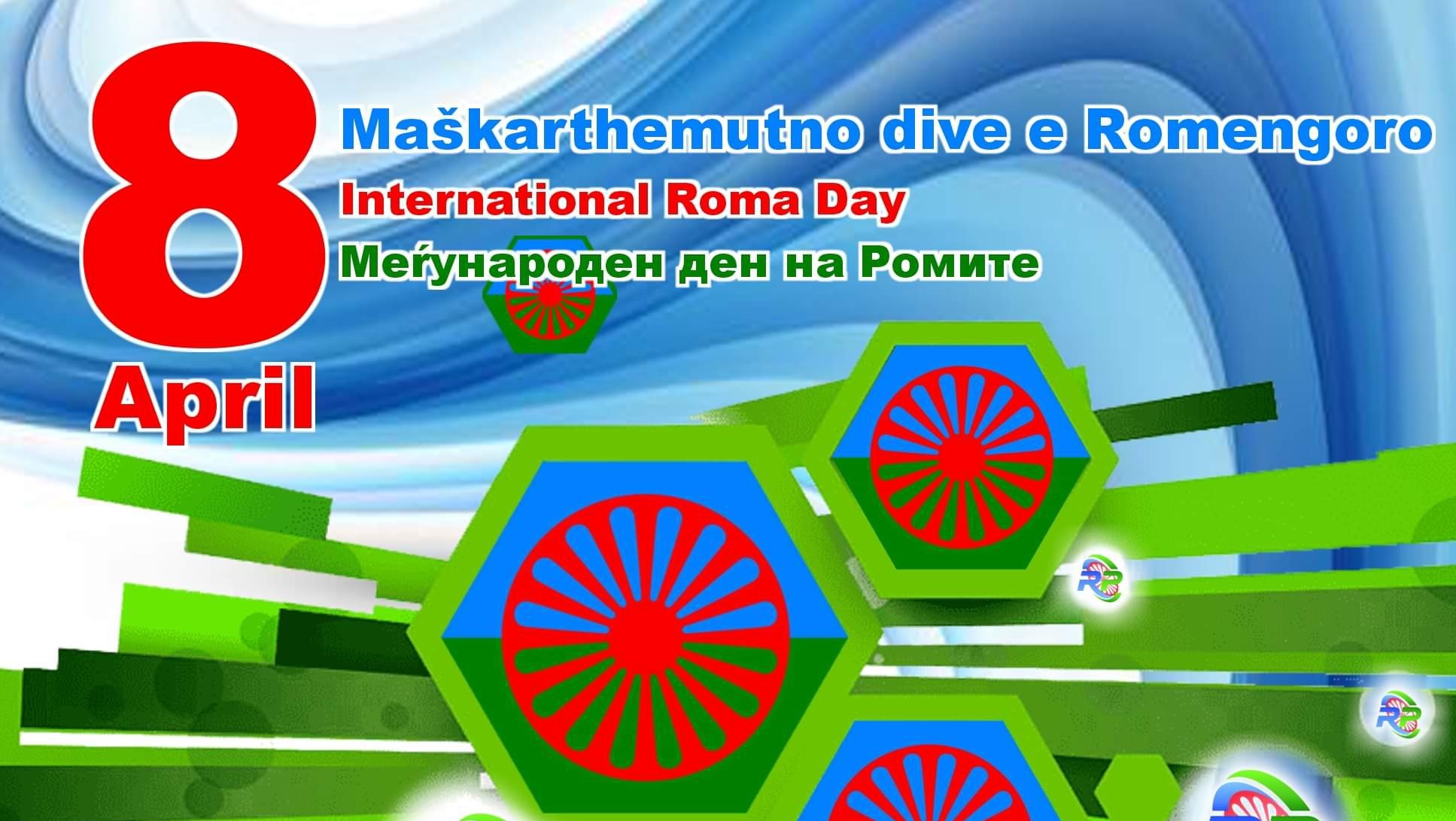
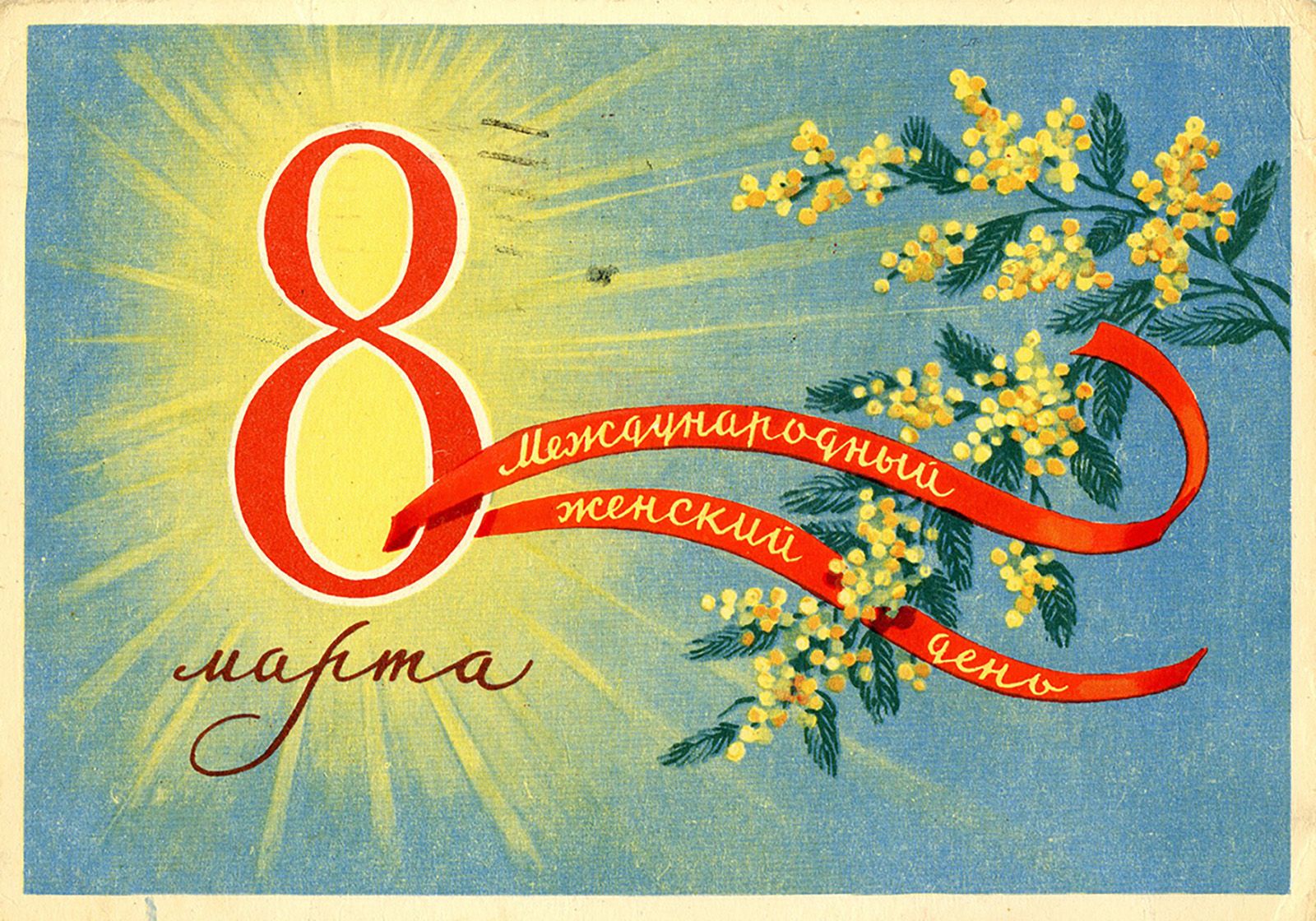
🛞 8 April marks International Romani Day – a day to celebrate the richness, resilience and diversity of Romani culture, and to focus on the many challenges and discrimination Roma communities continue to face across Europe and worldwide.
In my work with authenticity and sensitivity readings for Balkan-related texts and books, one issue that comes up repeatedly is ethnic labels... and particularly the use of the word "Gypsy".
This certainly was an issue raised in a book I've worked on last year that is about to be released – details coming very soon!
While still common in literature and everyday speech, "Gypsy" originates from the mistaken belief that the Roma came from Egypt. Today, the term is widely considered inappropriate, and often offensive, when non-Roma (Gadje) use it as it implies stereotypes portraying Roma as outsiders, nomadic or associated with criminality and sorcery.
Across Europe, similar terms (such as "Tsigan") often carry the same weight. In most contexts, "Rom/a" or "Romani" is the respectful and preferred terms.
But identity is rarely simple or uniform.
In the Balkans especially, ethnic identities are complex and self-identification matters deeply. Not everyone who might be categorised externally as "Roma" identifies as such. Albanian-speaking Ashkali and Balkan Egyptian communities, for example, though physically indistinguishable from Roma, have distinct identities and histories. Many Turkish-speaking Muslim Roma communities in Macedonia, Bulgaria and Greece often identify as Turkish as a reflection of their language and cultural ties. At the same time, some individuals do use terms such as "Tsigani" for themselves.
This is the type of information I provide, but ultimately it's up to the author to decide how they will proceed.
All of this is a reminder that respectful language isn't just about knowing the "correct" term. It's also about listening, context and recognising everyone's right to define their own identity.
On International Romani Day, it's worth going beyond awareness and reflecting on how we engage with history, language and representation — in our work and in our everyday conversations.
Respect begins by asking, listening and being willing to learn.
🎉 Bahtalo 8-to April Maškarthemutno dive e Romengoro!








_(8249451687).jpg)







.jpg)













.jpg)







.jpg)













_logo.svg.webp)




_(52052470251)_(cropped).jpg)








.jpg)