“I love listening to your programs and it’s great to hear the music and know what’s happening in our community… but I can’t understand what you’re saying. Can’t you say things a little bit more ‘in our way’?”
The amount of times I’d be told this from our many loyal listeners. Now the thing is this often came from people who have Macedonian as their native language, and not just younger people born in Australia with a poor underunderstanding of Macedonian and effectively had Australian English as their primary language. Actually, the form of Macedonian we used on-air, i.e. the standardised literary version of the language codified as late as 1944, was the biggest cause of problems for our listeners. This then presented us with a problem (also faced by other communities and their language) – what service are we really providing if our listeners cannot fully understand us? After all, it was a Macedonian program for Macedonian people.
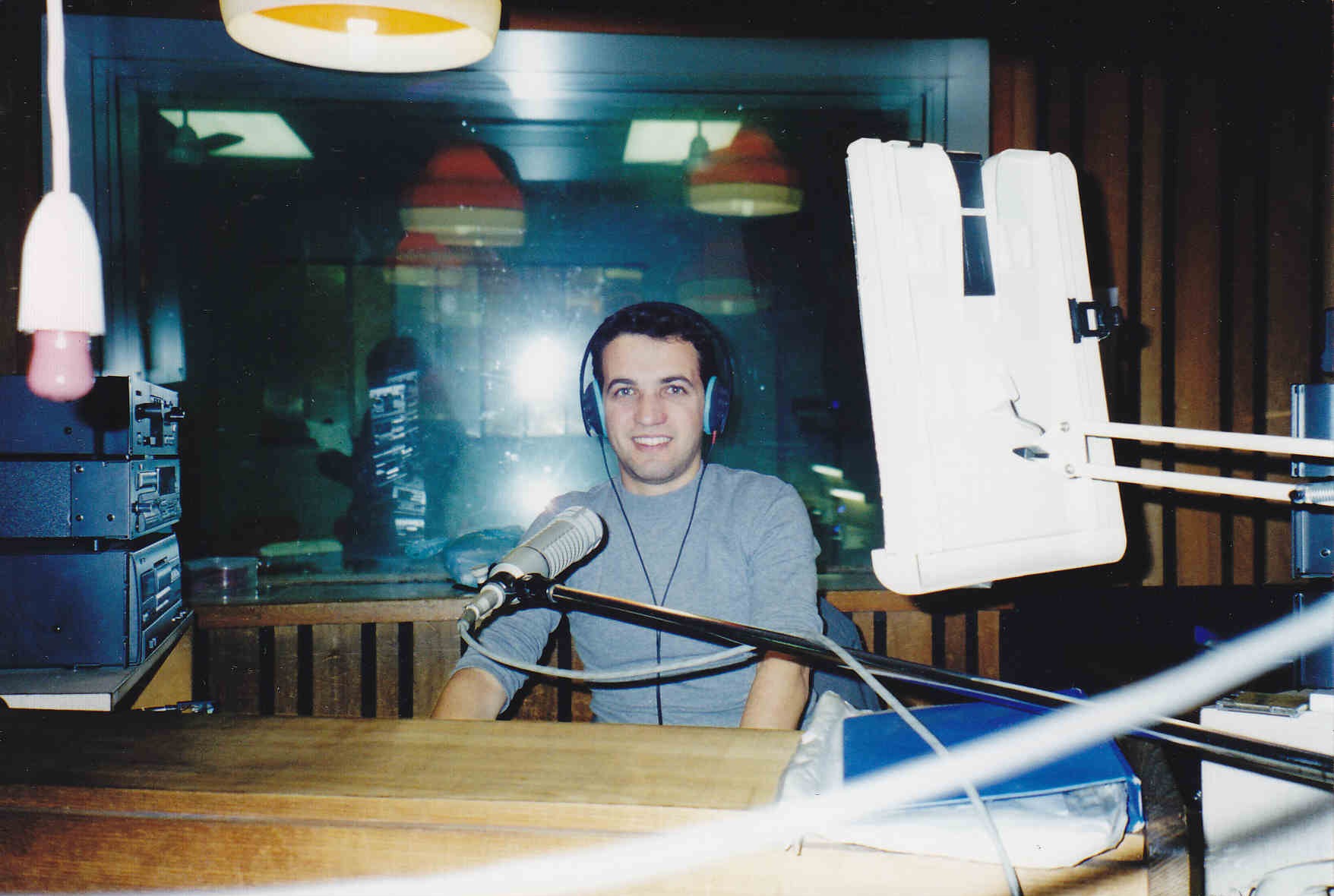
Welcome to part 3 of my tales from ethnic radio, where on the occasion of the 50th anniversary radio broadcasting in Macedonian in my hometown of Adelaide, Australia, I’m giving some behind-the-scenes stories from my time working on ethnic radio and how it shaped who I am, while also providing a look into some of the underlying dynamics of Macedonian and wider Balkan politics and culture.
Part 1 looked into how ethnic radio provided a link to people in the diaspora with their countries of origin, in both good and not-so-good aspects. Good in that people could hear their language being spoken, their music being played and know what’s happening in their communities. The not-so-good came often from the news from the homeland, and when that was with ex-Yugoslav communities roused up by burning and often blood-thirsty nationalism, then the ‘news’ was more akin to blood libel.
Part 2 had me go from listener to being listened, and how shaking things up with the latest Balkan music genre of the time – Turbofolk – got the response I desired, plus why a certain word starting with “Y” was strictly verboten.
How come Macedonians couldn’t understand Macedonian?
Well, here’s the story.
For centuries Macedonian had solely been a spoken Slavonic language. It wasn’t until 1944 after the liberation of the Yugoslav part of Macedonia that a standardised form of the language came into existence. The original literary form of Macedonian was, ironically, the first Slavonic language to be codified – Old Church Slavonic, which was based on a Macedonian dialect spoken in the vicinity of Salonika in the 9th century and is still in use as a liturgical language for Slavic Eastern Orthodox churches. For most of the second millenium CE, only the clergy were literate; most Macedonians couldn’t read or write. In the meantime, spoken Macedonian underwent huge changes, often under the influence from neighbouring languages, eliminating many of the complicated grammar and vocal features of medieval Macedonian… only to create new complicated grammar and vocal features. With the Ottomans abolishing the Ohrid Archbishopric in 1767, and with the rise of a small mercantile class that had a major interest in educating their children, modern Greek supplanted Old Church Slavonic as the literary language of Orthodox Christian Macedonians and Ottoman Turkish for Muslim Macedonians in the late 18th century and well into the 19th century. Actually, many of the 19th Century literary greats from Macedonia (Gligor Prlichev, the Miladinov brothers) wrote predominantly in Greek. By the mid 19th Century, the western European concept of nation states with a standardised language had taken hold in the Balkans, Macedonia became a field of contest between the competing parties. Many Macedonians were drawn to the newly codified Bulgarian language as it more closely resembled how they spoke, though it was quickly apparent that there were major differences between standard Bulgarian – based on a dialect spoken around Veliko Tarnovo in northeast Bulgaria, far away from Macedonia, and heavily influenced by modern Russian – and local Macedonian dialects. In the first-half of the 20th Century, isolation, neglect by the newly established occupying authorities and the constant presence of local regional pride saw Macedonian dialects thrive as an everyday spoken language. But as is the case with a nation with so many different dialects, to have everyone on the same leaf, codifcation happens. ‘Codified language is the process of standardising a language by fixing its rules, spelling, grammar and vocabulary into authoritative references like dictionaries, grammars and usage guides. It reduces natural variation, creating a “standard" variety used in education, formal communication and official documentation.’ That was the case in 1944 when a separate Macedonian republic was formed within newly liberated socialist Yugoslavia.
Just one problem though?
Many of the Macedonians who listened to our program had never had any education in their native Macedonian in any form, let alone the standardised format, and were only familiar with their own dialect. This was especially the case for those who came from what is now Greece, where to this day no schooling in Macedonian is permitted.
How different are the Macedonian dialects?
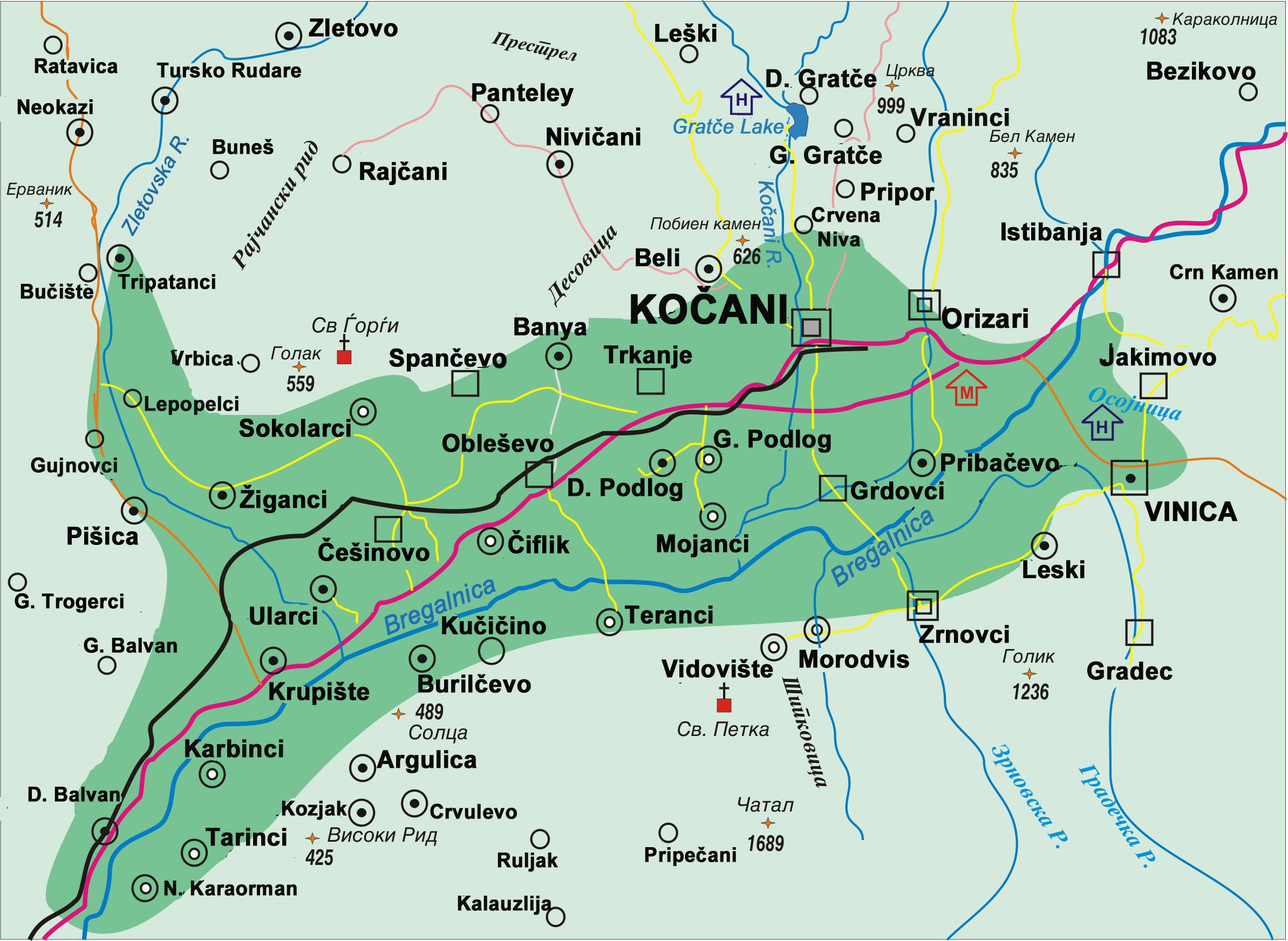
Well, growing up I had to deal with a number of dialects: my father’s (Kochani), my grandfather’s (Eastern Pirin/Drama mixed with standard Bulgarian), my grandmother’s (Eastern Lerin/Florina), my mother’s (mainly her mother’s Lerin dialect mixed with Australian English words) and the dialects of the other members of our Macedonian community (Bitola being a main one). Quite often each dialect would have its own rather different word for a certain item or concept. Macedonian school for us kids usually ended up being a yelling match amongst us on which word was the ‘right’ one – ‘plate’ being the most volatile.
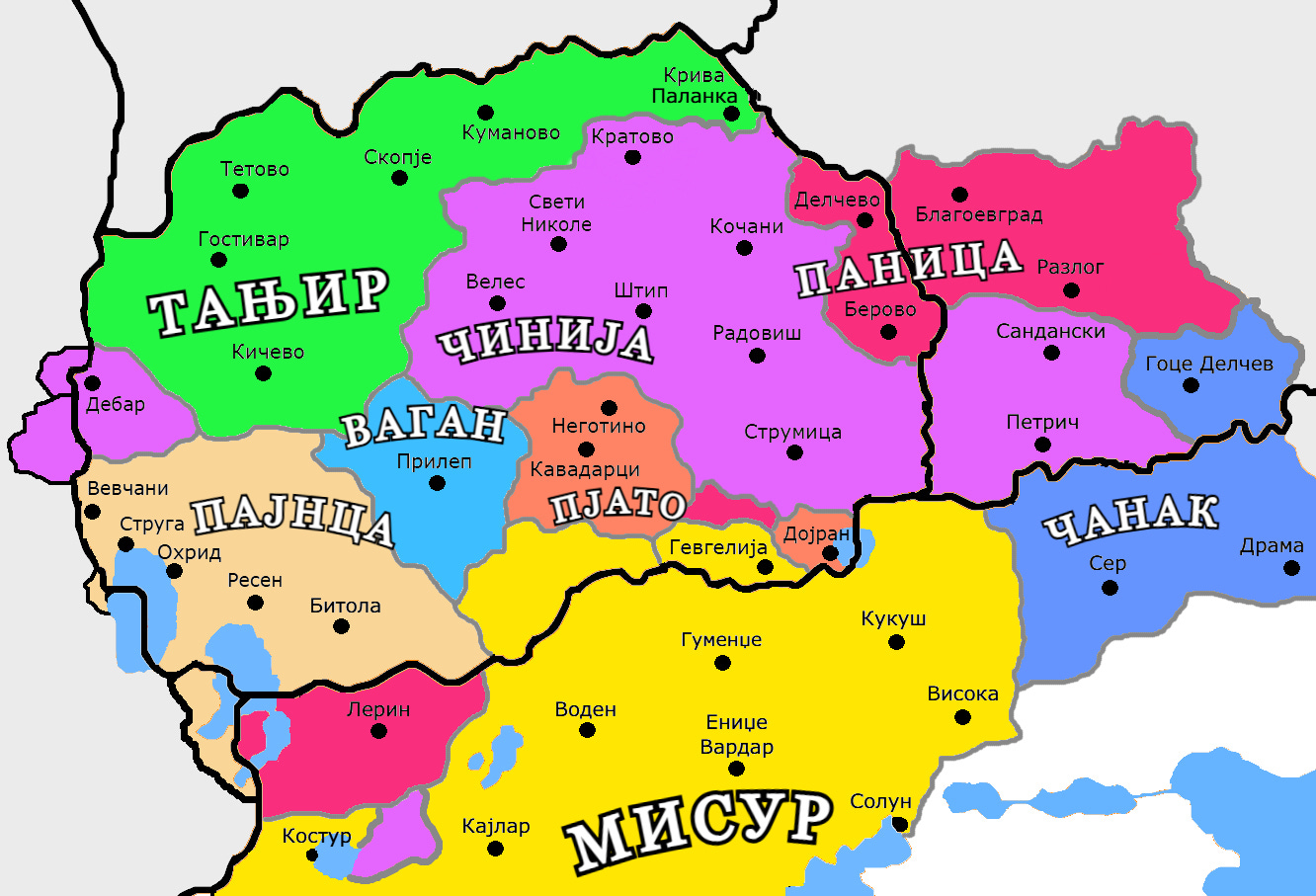
Having to deal with such a myriad of different terms, I took on the same solution that any nation state adopted to put an end to these squabbles – I went neutral and started speaking in the standardised form of Macedonian. The only problem is that often no-one in my family then understood me!
Now that was also the case with our radio program. Taking the cue from Radio Skopje, the first radio station to broadcast in modern Macedonian, and seeing that all of our material, particularly the news, was coming from the Republic of Macedonia, where all broadcasting is in the official standardised form of Macedonian, so too did we. This was the compromise so that we could reach as many Macedonians as possible.
But no, many of our listeners were not pleased. Their dialect was the ‘purest’ Macedonian and we should be speaking in that way, otherwise ‘how else will other people understand?’
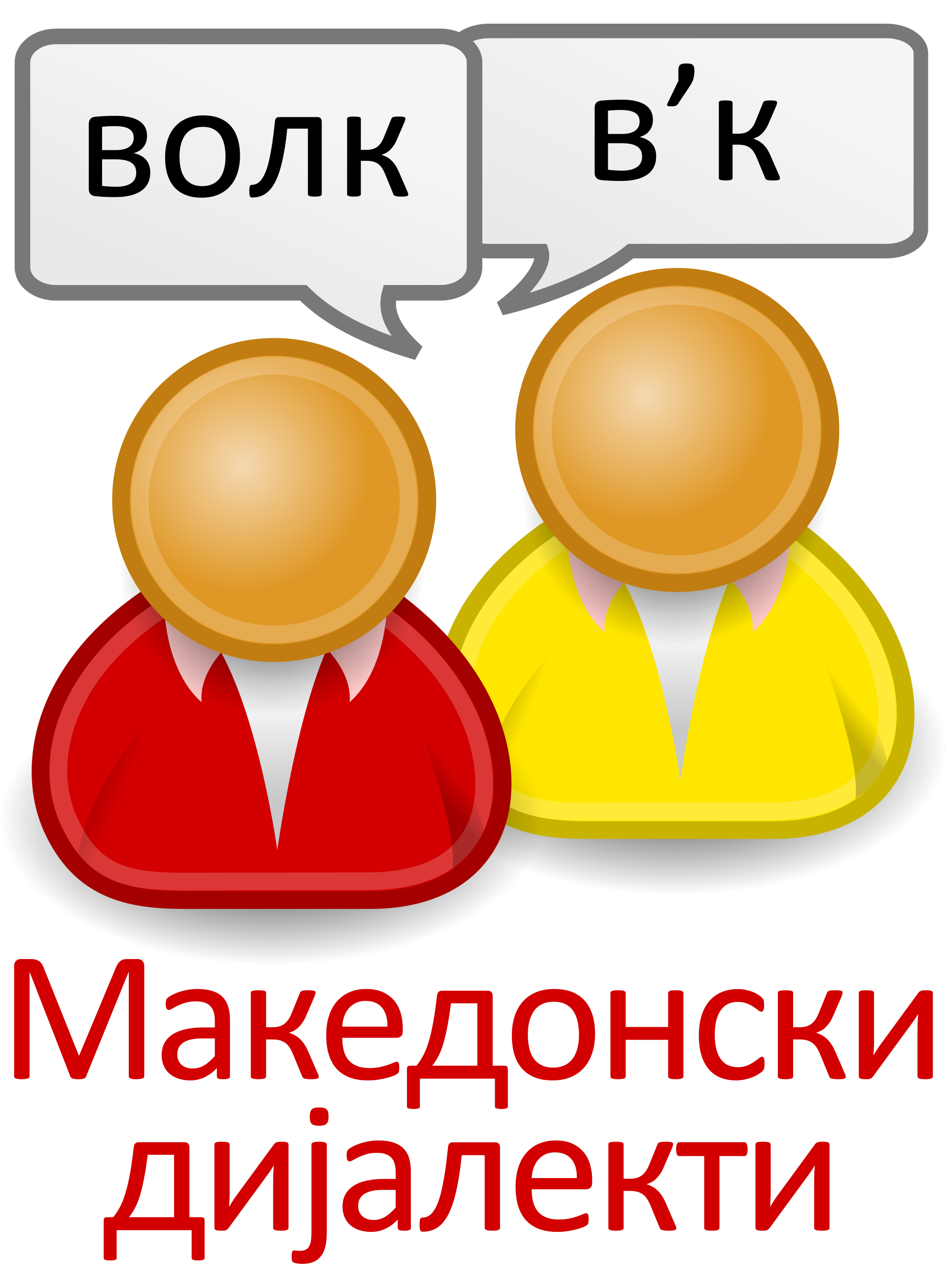
Another aspect of the problem is that many of our listeners were not familiar with Macedonian terms for modern concepts. For many of them, the first time they encountered such modern, everyday items such as motor vehicles, social security, hospitals, mortgages, fences, etc. was in Australia, so quite often they only knew these terms in Australian English and had no idea of their standardised Macedonian forms. Even when speaking Macedonian, they would use a modified English form, giving rise to Australian dialectal forms of Macedonian. For instance, rather than say ‘kupatilo’ for ‘bathroom’, it’d be ‘batrum’.
Particularly for our listeners who originated in parts of Macedonia outside of Yugoslavia, the standardised version of Macedonian for them sounded ‘too Serbian’. True, they have a case there, but it wasn’t up to us how that language was standardised. It was a product of its time and circumstance, and even though the Yugoslav republics had a substantial amount of autonomy thanks to the decentralised nature of the federation’s operations, there were still many aspects that called for a standardisation in terminology across Yugoslavia, regardless of language, even with the Albanian spoken in Kosovo and Macedonia. That was apparent with terms associated with the judiciary, administration and, particularly, the highly centralised Yugoslav military.
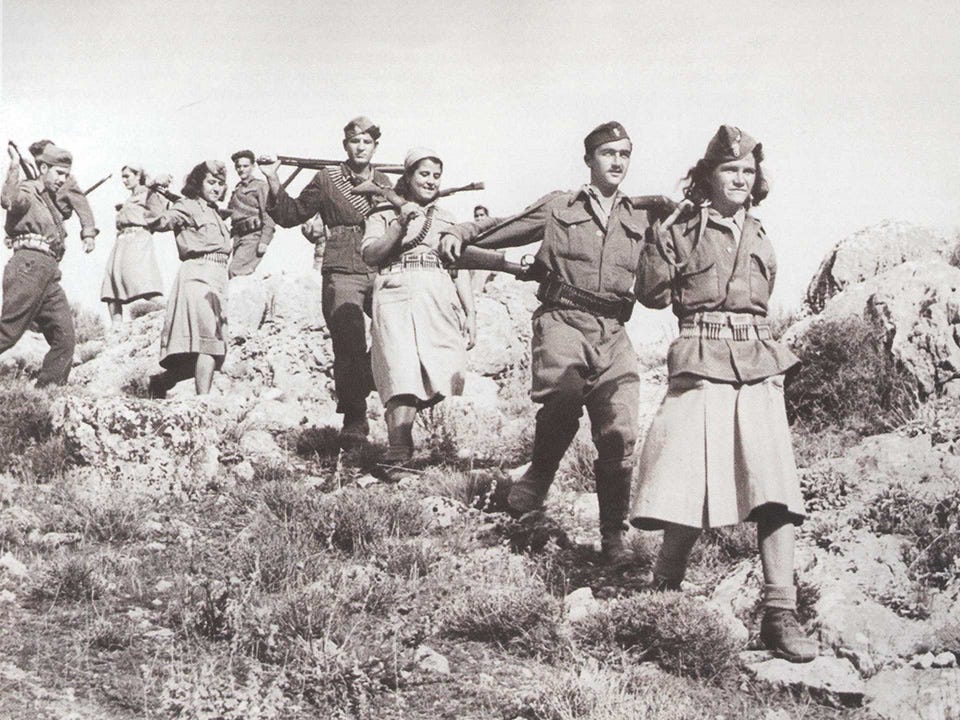
One thing though with our listeners who had come from Greece – while they had been unfamiliar with how to say ‘fence’ in standard Macedonian, having mainly arrived as refugees from the Greek Civil War and therefore their last experiences of living in the native territory of their primary language were in a war environment, they certainly knew military terms. And this was something that was heavily emphasised to me one particular time.
One time in 1990s, during the height of tensions between Greece and the Republic of Macedonia over the latter’s name, when Greece had placed a complete economic embargo on its northern neighbour cutting off vital supplies, two fighter jets of the Greek Air Force made an incursion into Macedonian airspace. Of course, this was big news in Macedonia and so was a leading story on one of our broadcasts. For a good week after that, members of our Macedonian community, primarily those who originated from what is now Greece, questioned me on the term I read out for ‘air force’. Reading from the news report we received directly from a news agency in Skopje, the term used was the standard: vozduhoplovstvo. Trust me, that’s a mouthful even for Macedonians, and I distinctly remember that even I stumbled every time it came up. The term originates from the Serbian vazduhoplovstvo, literally ‘air fleet’, and a firm example of how being under the aegis of the Yugoslav military where Serbo-Croatian was the sole language of command – much unlike the otherwise official multilingual policy of Yugoslavia – Macedonian would adopt and/or adapt Serbian military terms for consistency. But anyone not from Yugoslav Macedonia would be unfamiliar with this long word. They all asked ‘What is this vozduhoplovstvo you mentioned?’ I replied that it was the word for ‘air force’ using the English here. ‘Ah, you meant aviacija’ was the standard response. And why would they all know a term for ‘air force’? Because whenever the Hellenic Royal Air Force (with major help from the British and Americans) would bomb their villages, often with napalm, the call anyone would shout out aviacija to warn the other villages to seek shelter (if they could).
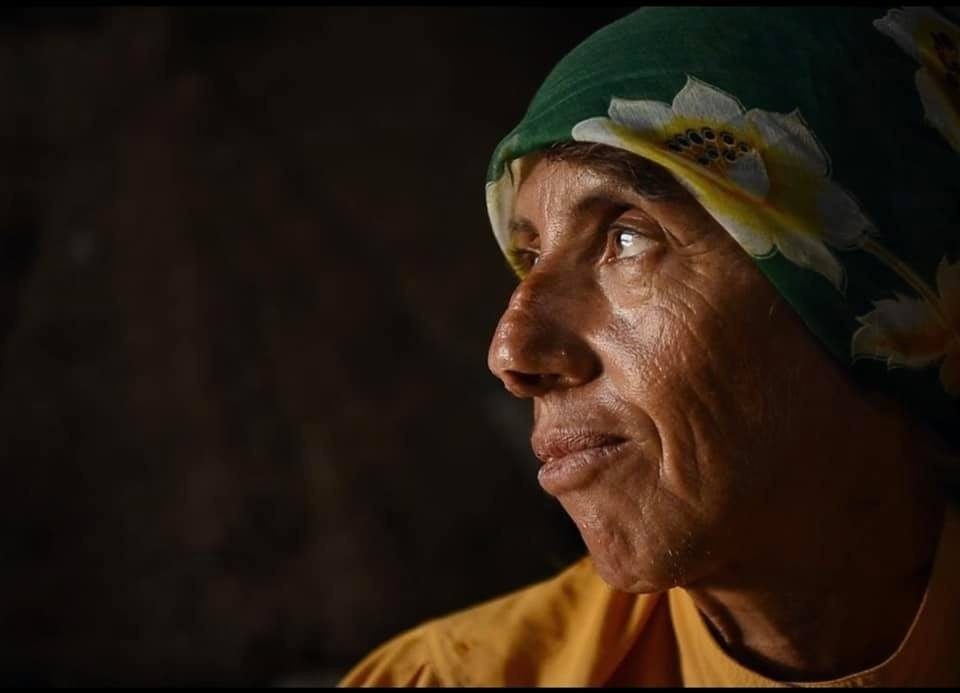
And you can imagine how they were with other military-related terms. To give you the picture, this was not just the men who were asking here; plenty of the frail old grandmothers (baba) dressed in black knew how to assemble a machine gun or make a potent Molotov cocktail, so don’t mess with them!
So what was our solution?
I’d be often requested if I could tailor the news texts to be more understandable to our core listener group and have it more po nashe (‘in our way’).
Well, that’s easier said than done.
Unfortunately, what is ‘in our way’ when we have a dozen different ways of saying ‘plate’? That’s why the standardised form of the language came into being in the first place, and for all of its shortcomings, we were stuck with it.
Though, there were occasions when a suitable, more understandable alternative could be easily applied. Here’s one regular example. Naturally as the sole superpower at the time, ‘USA’ would come up regularly in our news bulletins. Now the direct translation of this acronym in Macedonian is SAD – i.e. Soedinetite Amerikanski Drzhavi (yes, another mouthful of a term) – and pronounced as a word, so in English is sounds like ‘sud’. However, most of our listeners were not familiar with this somewhat fancy and potentially confusing acronym (sad in Macedonian also means ‘container’ or ‘dish’). So whenever the acronym would come up, I’d say Amerika instead. Problem solved! If only it could be as simple for the hundreds of other terms.
But what if we started speaking in a dialectal form of Macedonian? Would that have made things better?
Well, not necessarily, going by experience.
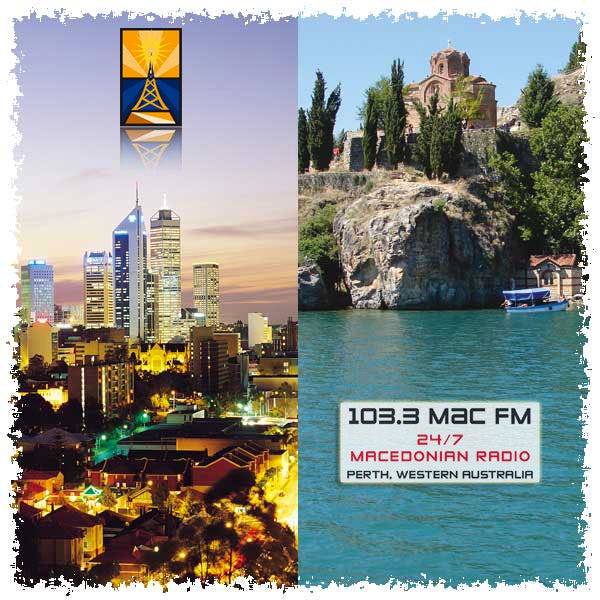
Perth, Australia’s fourth largest city, is home to such a large and well-established Macedonian community that it can support its own 24-hour radio station. It’s my go-to station whenever I’m in Perth visiting my retired parents and sister. Like our program, Mac FM broadcasts overwhelmingly in standard Macedonian… but not always. Mac FM’s Sunday morning show is hosted by three guys, but their shtick is that all three speak in their own native dialect of Macedonian. These guys love a joke and a funny story, and the best… OK, the only way, these can be said is in dialect, just like the unwashed masses do. That for some, however, is a problem – there are complaints that these presenters speaking in dialect is ‘vulgar’ and too ‘low-class’ for broadcast radio. In their opinion, these presenters instead should be more ‘refined’, act more kulturno and stick to speaking in standard Macedonian.
There’s a time and place for language and tone, and these situations show what is considered appropriate and inappropriate. These are the compromises we have made as a society. In the end, we can’t please everyone, which so goes against how most Macedonians are programmed.
But who were the people I was working with in making the magic of radio happen? And how did advances in technology, particular the advent of the internet, massively change the nature of our radio broadcasts and content? That’s coming up in Part 4.


_(8249451687).jpg)









.jpg)












.jpg)







.jpg)











_logo.svg.webp)


_(52052470251)_(cropped).jpg)





.jpg)