“Every time we come here we swear it’s the last. It’s like they’re waiting for us all to die.”
Harsh, I know, but this is what I told writer and friend Kapka Kassabova when we were in Greek Macedonia, the area where my maternal grandmother was born, in 2017 when we were researching for her award-winning book To The Lake. Kapka had entered the above quote in the book.
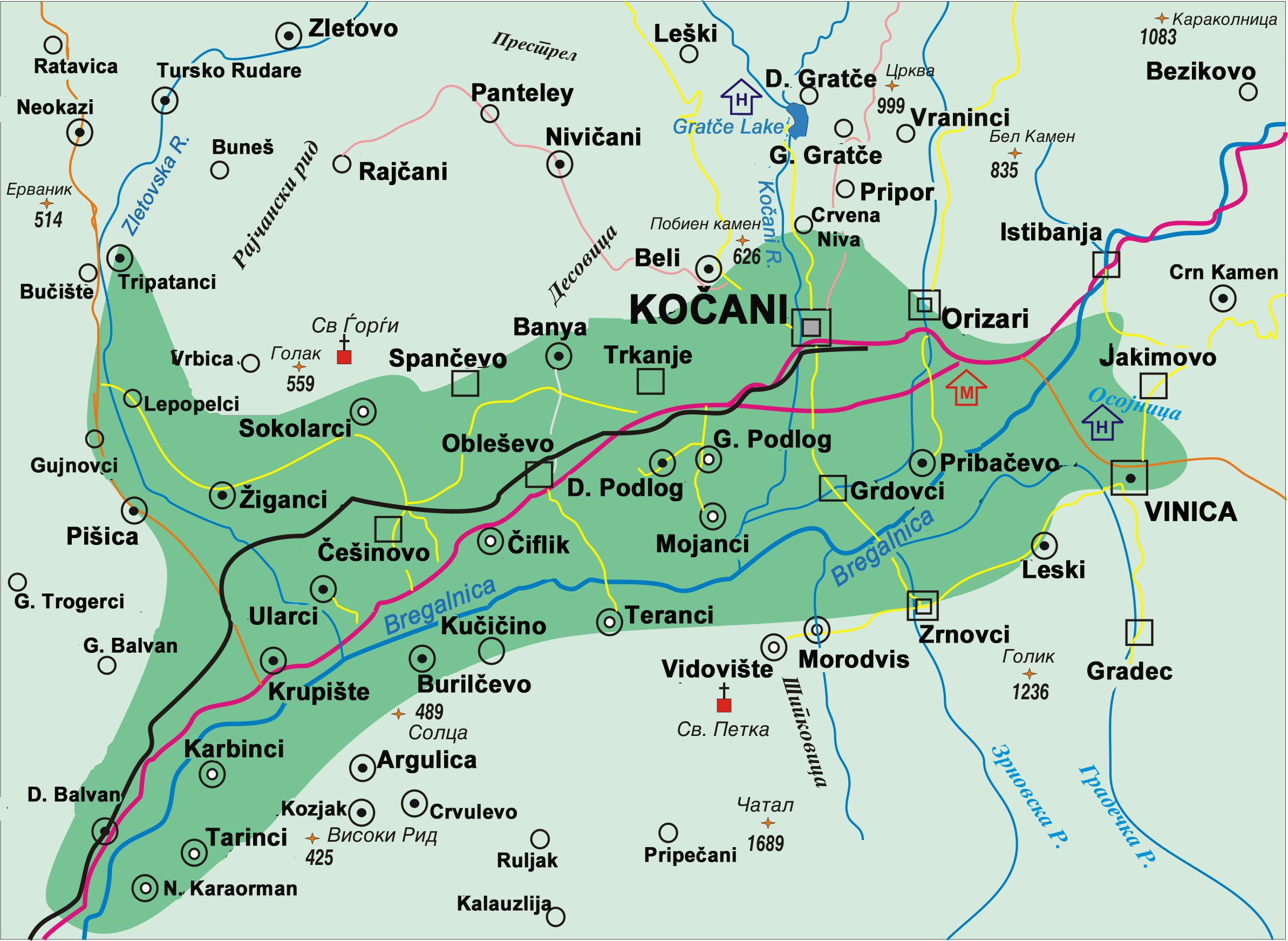
I had not been back to Greek Macedonia since then. Going to the region from where my ancestors escaped is always a tough undertaking, the main reason being their society, culture and language – native to the region – barely exist nowadays in that habitat. Despite having the geography of the region vividly etched in my mind, to the extent that I can navigate without maps, the way the region appears in my mind solely remains there.
This condition of keeping hold to a past that no longer exists is what Kassabova described as ‘family homeostasis’. Essentially it’s moving on without moving on. My grandparents left as they wanted to continue to live the way they wanted to live with their own language and culture, but in doing so they remained in many ways stuck in a status quo dated 1949. Gone were the mountains and fields of their birth to be replaced with the wide open spaces of an alien country on the other side of the world, but there’s only so much of how that culture can survive when taken from its native environment.
I had long felt that with the 100th anniversary of the birth of my grandmother, I should honour her like I did with her (second) husband, my grandfather, and visit the exact place where she was born. So I did.
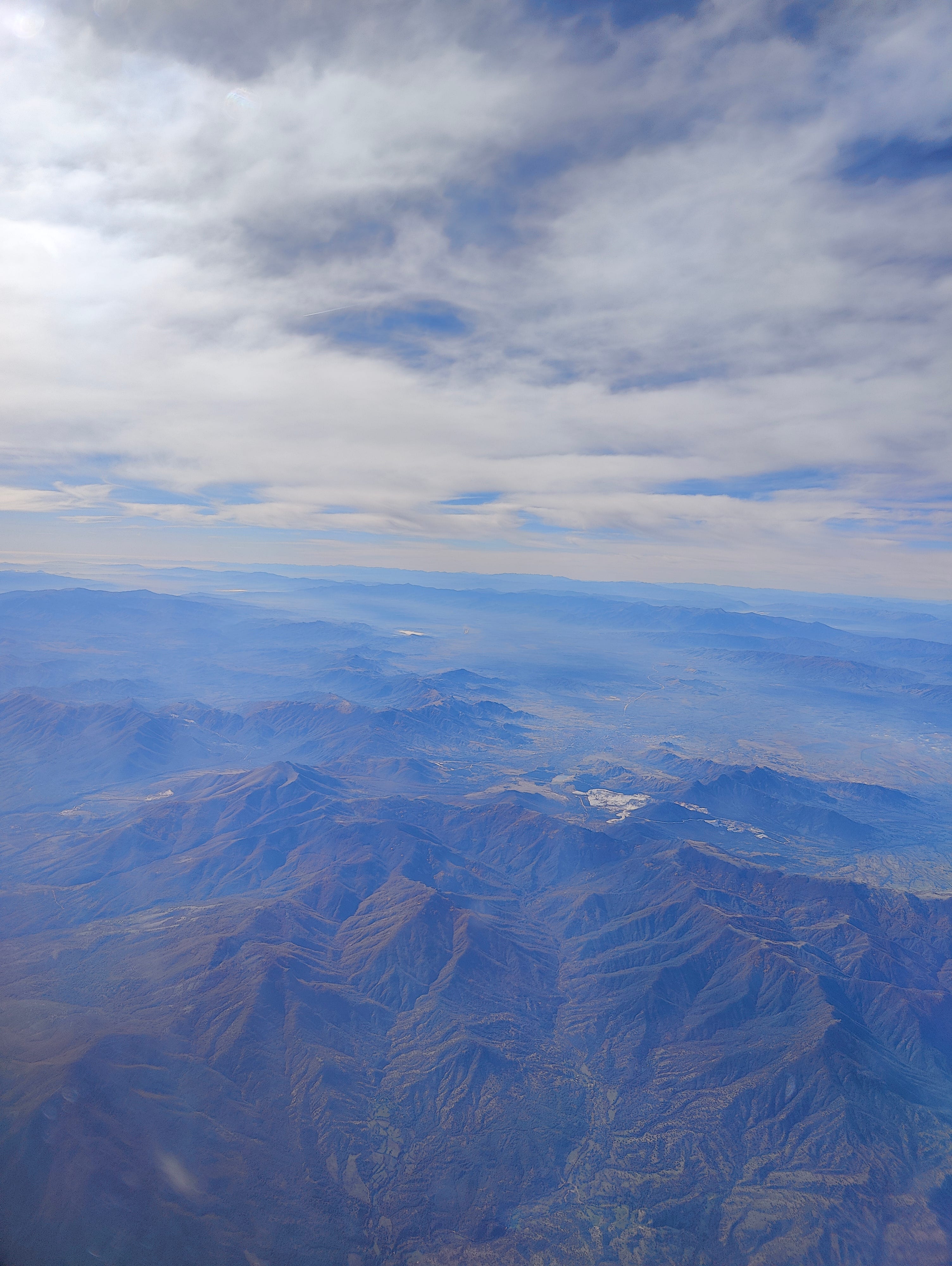
Kassabova described that first birth anniversary visit, for my maternal grandfather in Bulgaria, like this:
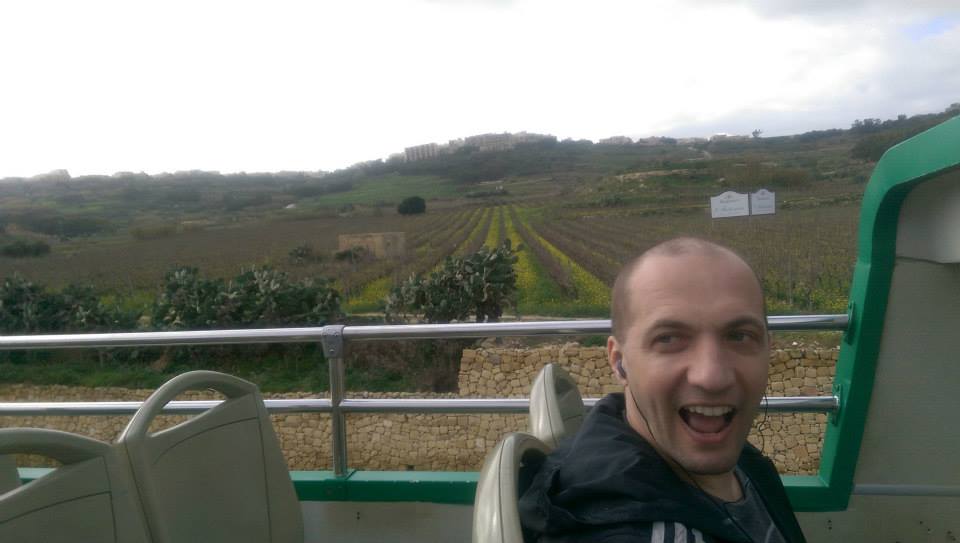
“Nick had retraced his grandfather’s steps, returning for him, bringing back the errant spirit so that the howl would stop echoing in the ancestral landscape. He looked lonely on that god-forsaken road, yet his expression said in no uncertain terms: Here I am. I made it.”
And I did… I made it! Now I was going in for a second retracing of steps, just much harder than last time, for the place where my grandmother was born is now just that – a place. What made that place what is was has mainly gone. Kapka had this to say about it…
“It was precisely because there was no acknowledgement that Nick felt compelled to become a monument to his ancestors’ lives. He came to represent those who were erased. He was the ghost haunting the denied hinterland.”
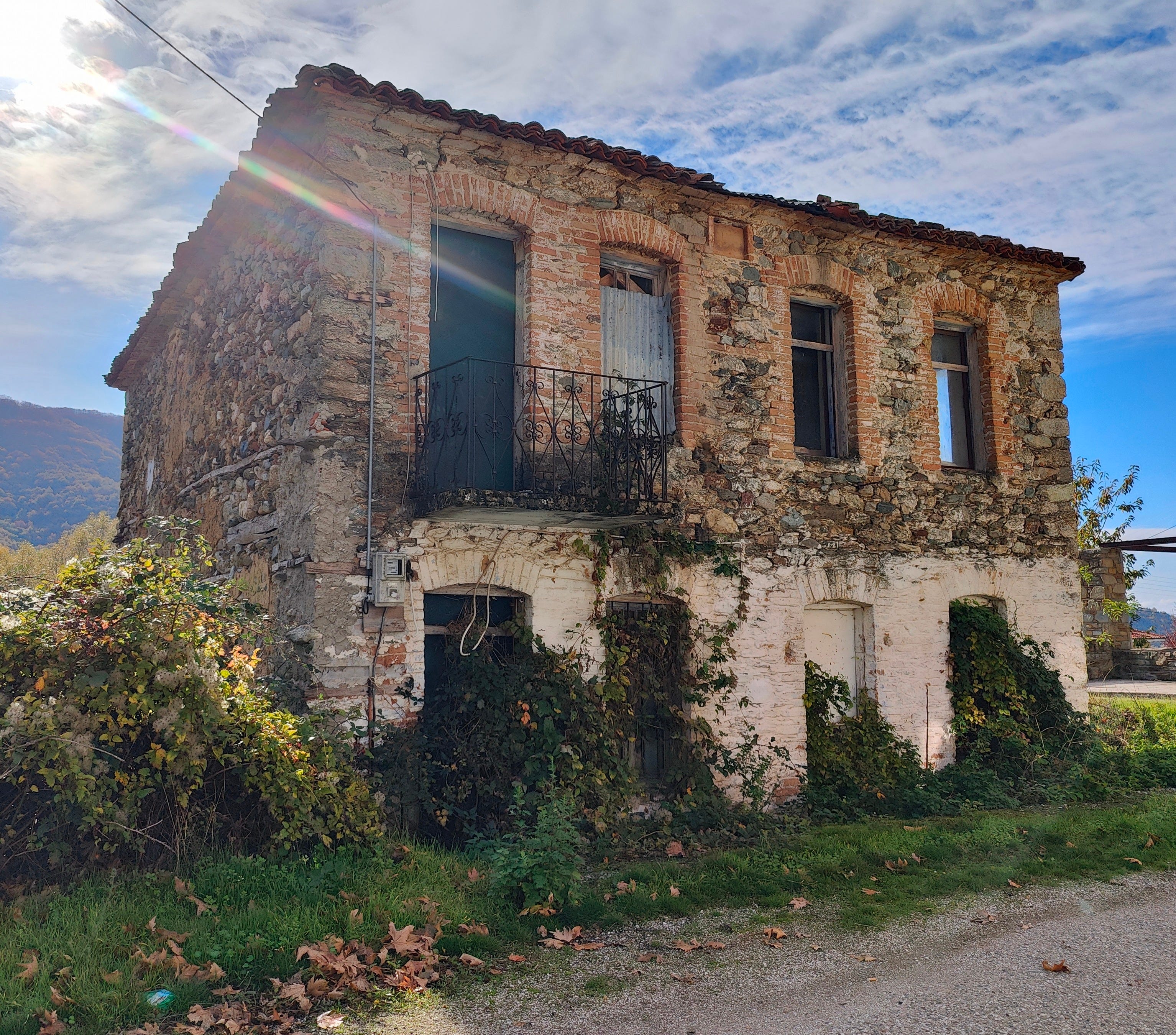
Just one thing though about the timing though…
My grandmother didn’t know when exactly she was born! It’s for certain though that the year of her birth was 1925, but when enquiring about the exact date, all that her mother could say was she entered the world “when it was getting cold”. Now, based on local tradition, that happens around St Dimitrius Day, known locally as Mitrovden, on 26 October. However, here it gets complicated. The region she was born in was then under the jurisdiction of the Greek Orthodox Church, which in 1923 changed from the “old” Julian calendar to the “new” secular calendar, jumping 13 days in the process. With people so used to the old calendar and some believing that changing to the “Catholic calendar” was the work of the devil, for years after locals would celebrate religious holidays on both calendars, just to hedge their bets in getting into heaven. That then meant “getting cold” could have been 26 October (new calendar) or 9 November (old calendar) or thereabouts. So to settle the matter, my grandmother opted for a birthdate in the middle of the two days — 3 November, three being a lucky number.
Seeing that she didn’t know when she was born, that allowed for me to be just as flexible for visiting her birthplace for her birth anniversary. Though this thing that it “gets cold” around that time of year sure wasn’t happening — it was an unseasonably warm 23 degrees. And with no snow on the highest peaks that surround the Florina/Lerin region, this lingering warmth was not a good sign for this agricultural-heavy area of Greece, which heavily relies on good water supplies from ample snowfalls to keep the crops growing. And they say that climate change is bunk!
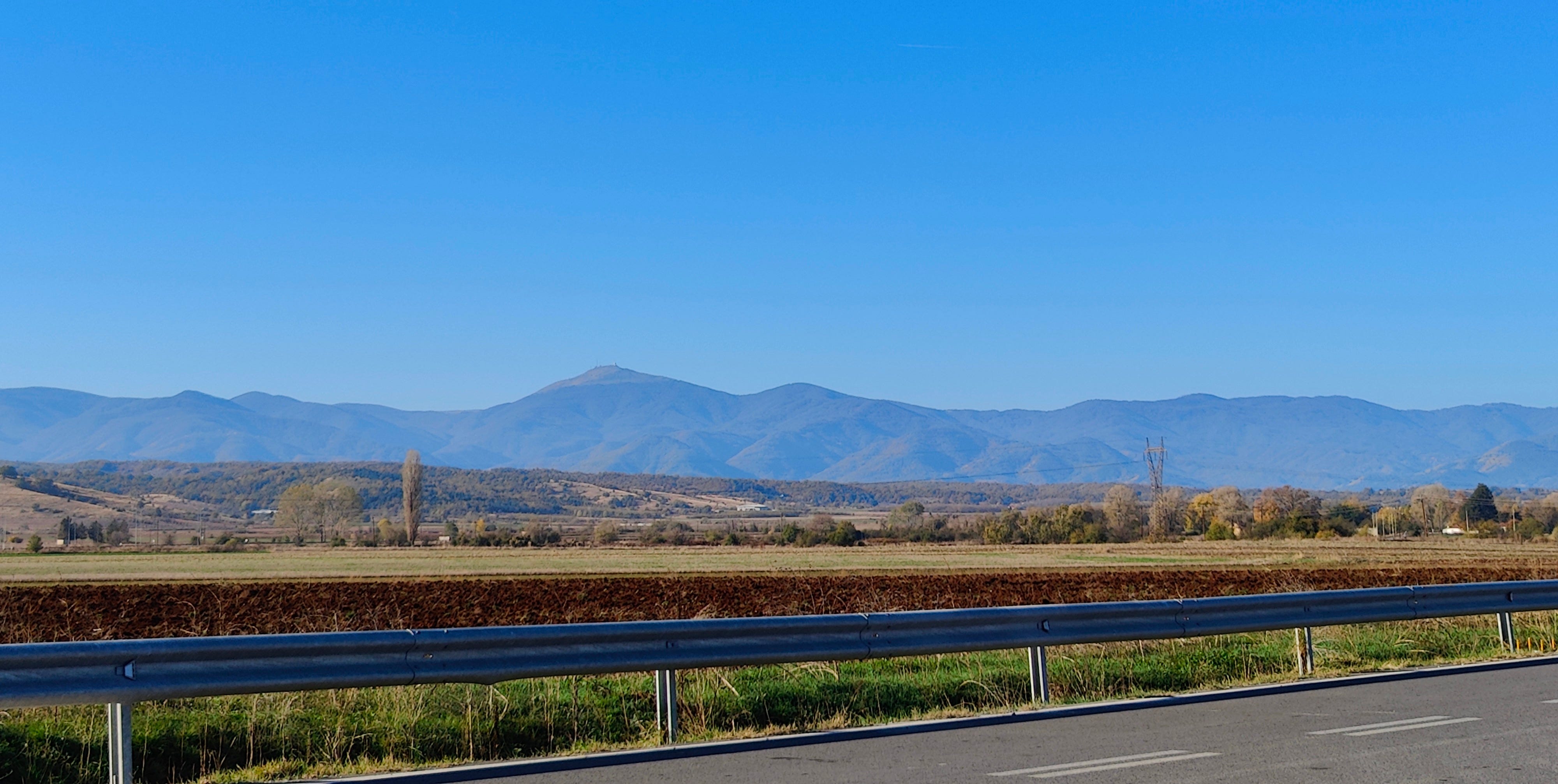
The plan too was for one of my sisters to come with me to the village for the anniversary. She had never visited our grandmother’s birth village and was itching to see whether her genetic resemblance to our grandmother would translate into discovering a village full of clones of herself. Most of the natives of our father’s birth village have the exact same blue eyes as me, and the fair features of our other sister are much in common many of our relatives in Bulgaria, all descending from our maternal grandfather. Alas, a clash of plans saw my sister unable to accompany me, so I had to face the place on my own. No safety in numbers on this occasion!
This fear bordering anxiety of visiting my grandmother’s village is drawn from what I experienced the last time I was there on my own – a seemingly never-ending series of cultural faux pas on my part, all due to not having been raised in the otherwise repressive environment that lingers in the region. Breaking these unwritten rules of behaviour caused everyone to feel quite uncomfortable. It went as far as having a relative “assigned” to me to make sure I behave “correctly”. An example: speaking in Macedonian is not permitted in the grounds of the main Greek Orthodox cathedral in Florina/Lerin – as Macedonian is the common language of communication with all of my relatives, my chaperone made sure I was kept out of earshot of the priests.
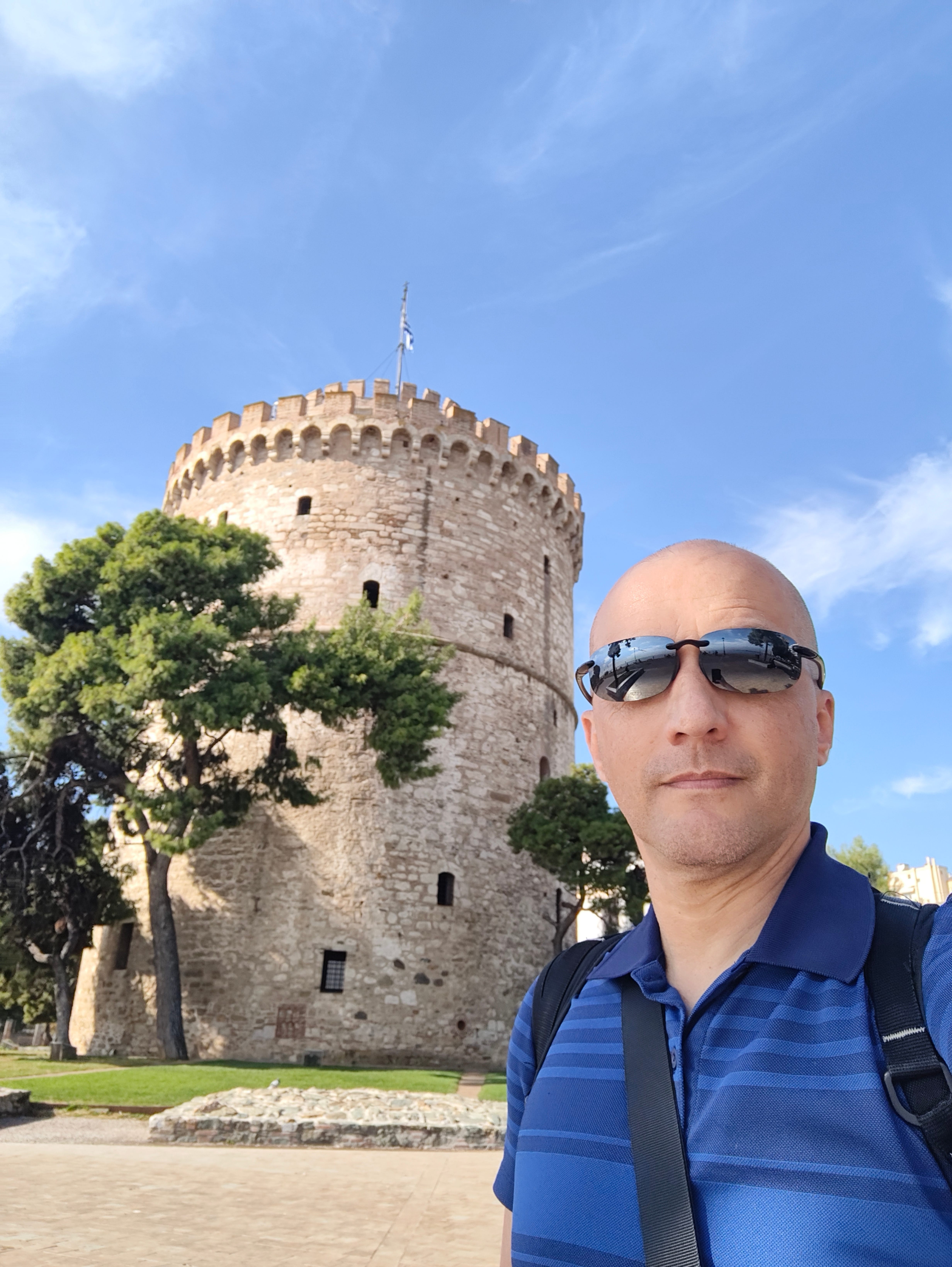
First stop on my trip after arriving in Greece was to the centre of Salonika (now Thessaloniki) to see its White Tower. I’ve been to Greece more than 15 times, mostly to Greek Macedonia, and yet this was the first time I was in Salonika proper. The closest I had been in the city was when travelling by train from Skopje to Athens in 1980 we stopped at Salonika station in the middle of the night.
After picking up my hire car, it was a white-knuckle ride through the steep streets of central and eastern Salonika up the Horiatis/Hortach hills overlooking Salonika to the village of Asvestohori.
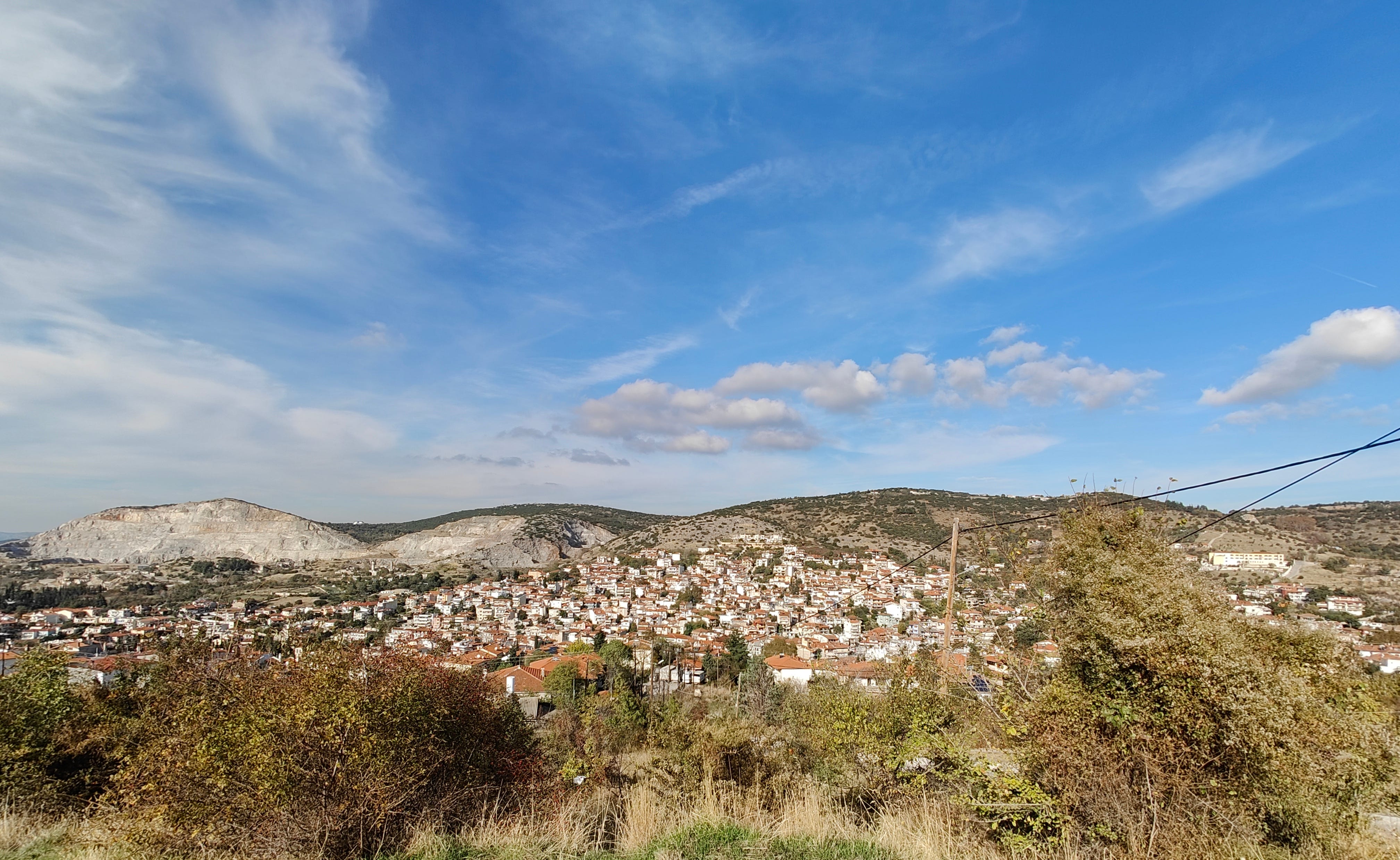
So why go to Asvestohori?
The village intrigued me as prior to its incorporation into the Greek state in 1912, Asvestohori had been one of the last remaining Slavic-speaking places in the vicinity of Salonika. Asvestohori has had many names in its time: Peyzanovo, Kirechkoy, Kirechno, Varovo, Novo Selo. Peyzanovo came from the term peyzani meaning “guards” as the village was supposedly founded by the Turks after their conquest of Salonika in 1430. Slavic-speakers were then settled there, who served as guards against “Greek incursions”. Founding stories of this nature abound in the Balkans and most, including this one, are more the stuff of exaggerated legend moulded by 19th century political and ethnic agendas.
The village’s primary economic activity was mining lime, hence its name in Greek (Asvestohori), Turkish (Kireç Köy) and alternative Slavic name of Varovo – in all cases, “lime village”. In Ottoman times, the villagers would travel down with mules and sell their mined lime at markets in Salonika.
In late Ottoman times, the women of the village also sold at the same markets another product of theirs – they called it “sour milk”, but the world knows it as yoghurt, thanks primarily to Salonika-born Isaac Carasso, who took this product with him to Barcelona in 1919 and started producing it under the brand name Danone.
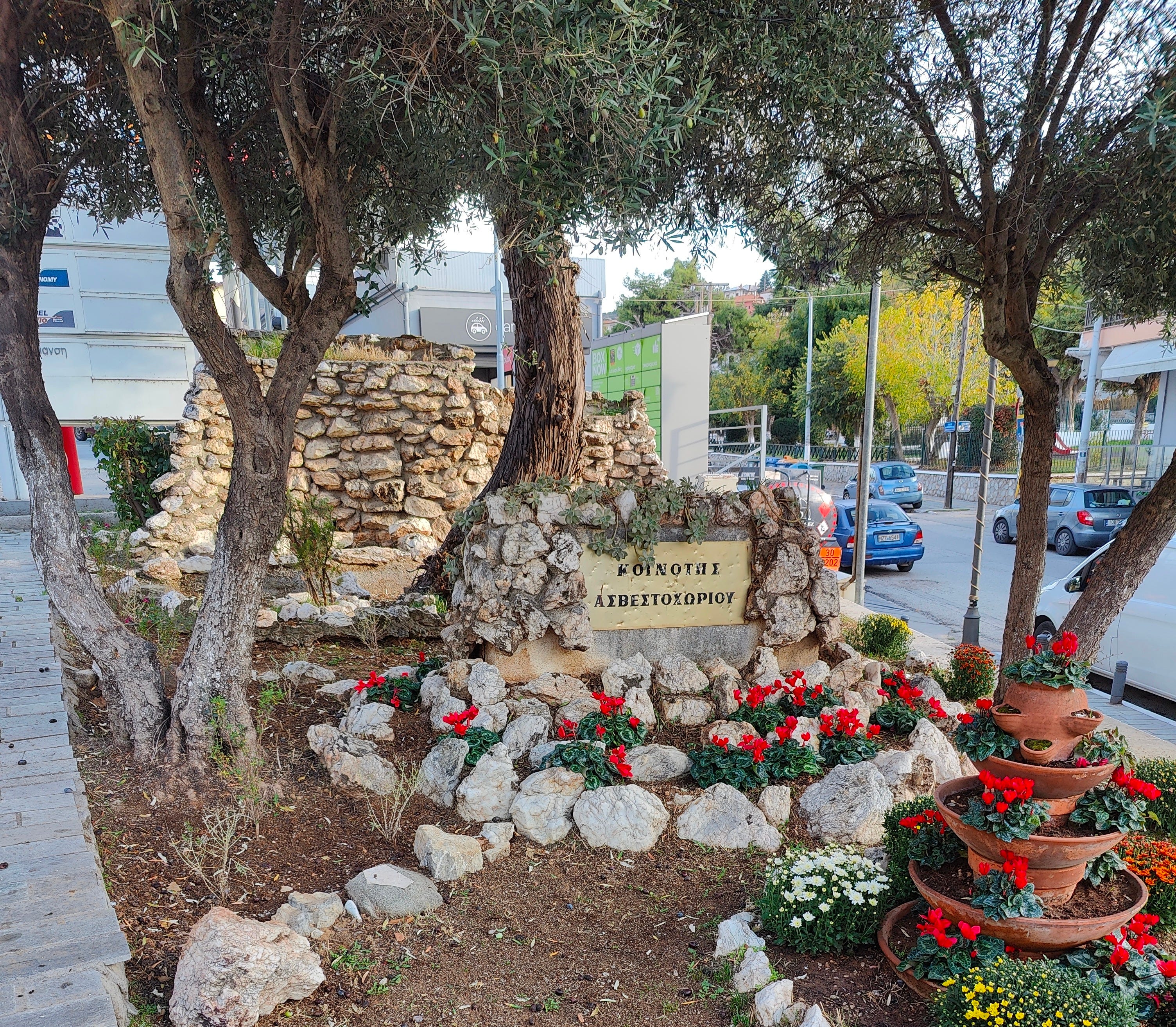
During the late 19th century when the Greeks and Bulgarians were competing for the hearts and minds of Macedonia’s Christian population, the people of then Pejzanovo came under intense pressure from the Greek Orthodox Church to Hellenise and speak Greek. The village, though, remained Slavic-speaking until the early 20th century, the language being kept alive by the opening of a Bulgarian school in 1874 (though later closed under Greek pressure), the growing Slavic presence in Salonika and from the village’s male residents going to central Bulgaria as seasonal labourers.
The village was also renowned for the unique style of its folk costumes, some of which are on display not only in Greece but also in Bulgaria and the Republic of Macedonia.
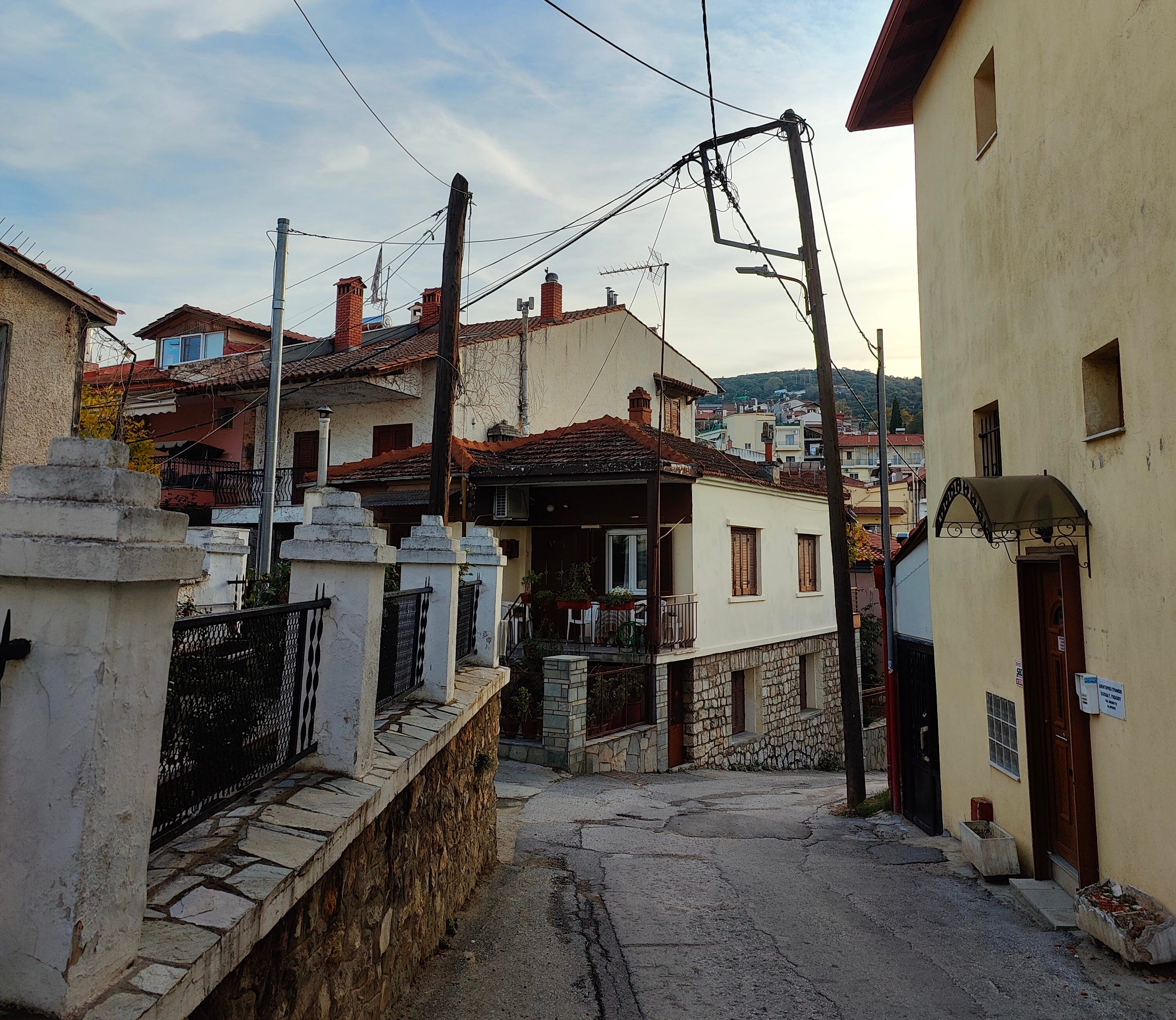
Despite its history, there are no vestiges at all of its Slavic-speaking past in Asvestohori. Still, it was a pleasant place to stay the night.
The next day was off to the modern village of Vergina.
There was just the one thing that had my interest in this village (founded in 1922 after the merging of two existing villages of Kutlesh and Barbesh) – seeing the Macedonian sunburst symbol that appears atop of what’s believed to be the box of ashes of Alexander the Great’s father, Philip of Macedon.
At the end of the tourism season, Vergina was dead; streets lined with empty souvenir shops, guest houses and restaurants. Just one kafeneio was open, with a few locals inside sitting around with no much to do hoping that the handful of foolhardy, out-of-season visitors like myself will pay the slightest attention to the touristy tat on offer. Sorry, no sale!
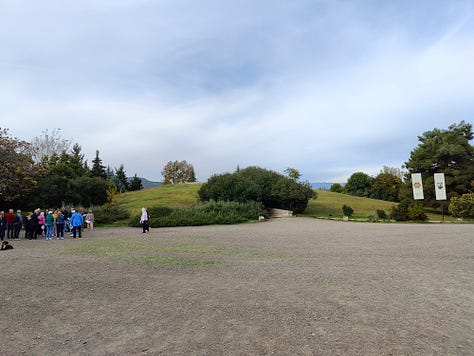
There’s only one thing to see in Vergina and that’s the tombs. I pretty much had the entire chamber to myself. The subdued lighting inside the mounds where the Macedonian royal tombs had been buried for centuries gave the place a mystical, almost other-worldly atmosphere detached from the outside.
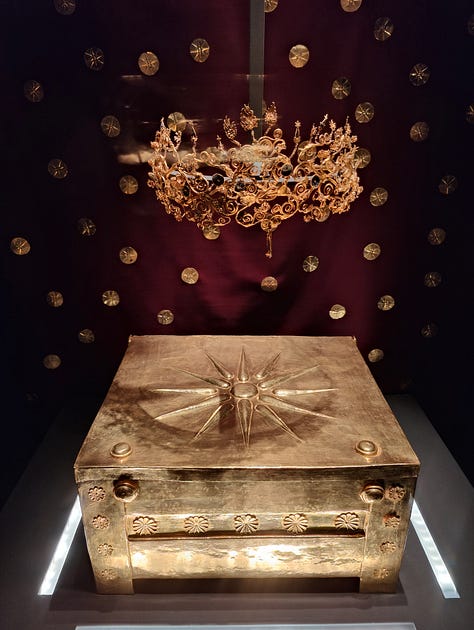
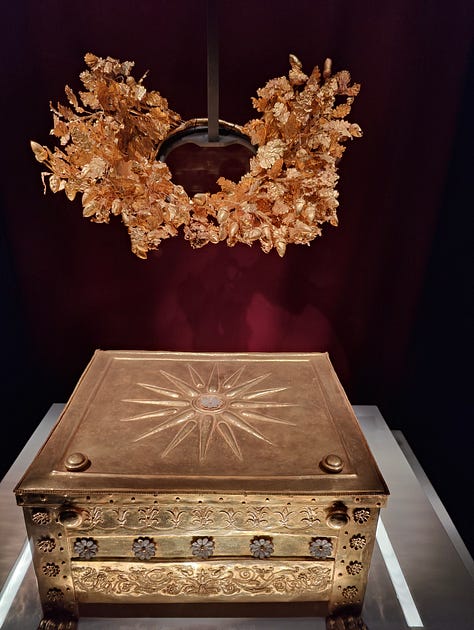
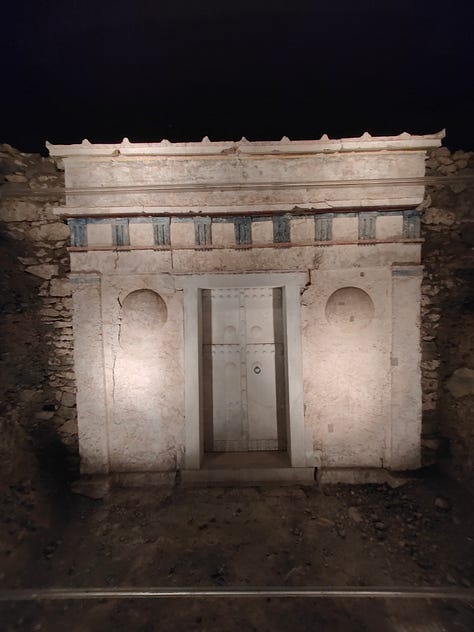
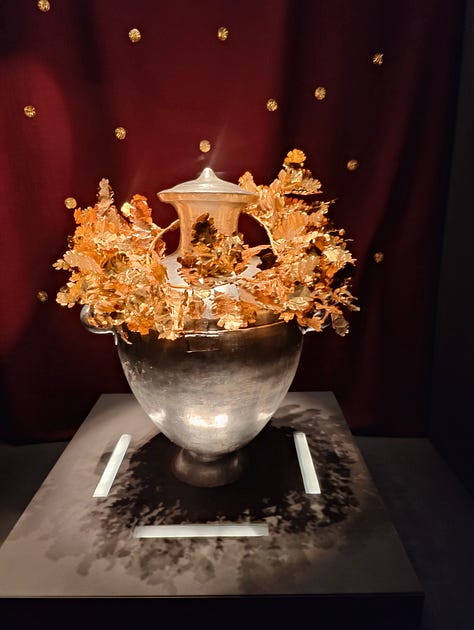
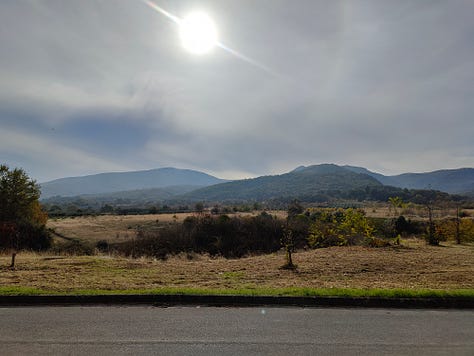
Next stop was the village of Vasilieada, formerly Zagorichani, on the way to Lake Kastoria/Kostur. But first, a stop in the historical Vlach/Aromanian village of Klisoura (meaning “cliff”), which in 1903 was one of the epicentres in the multiethnic uprising against Ottoman rule in Macedonia.
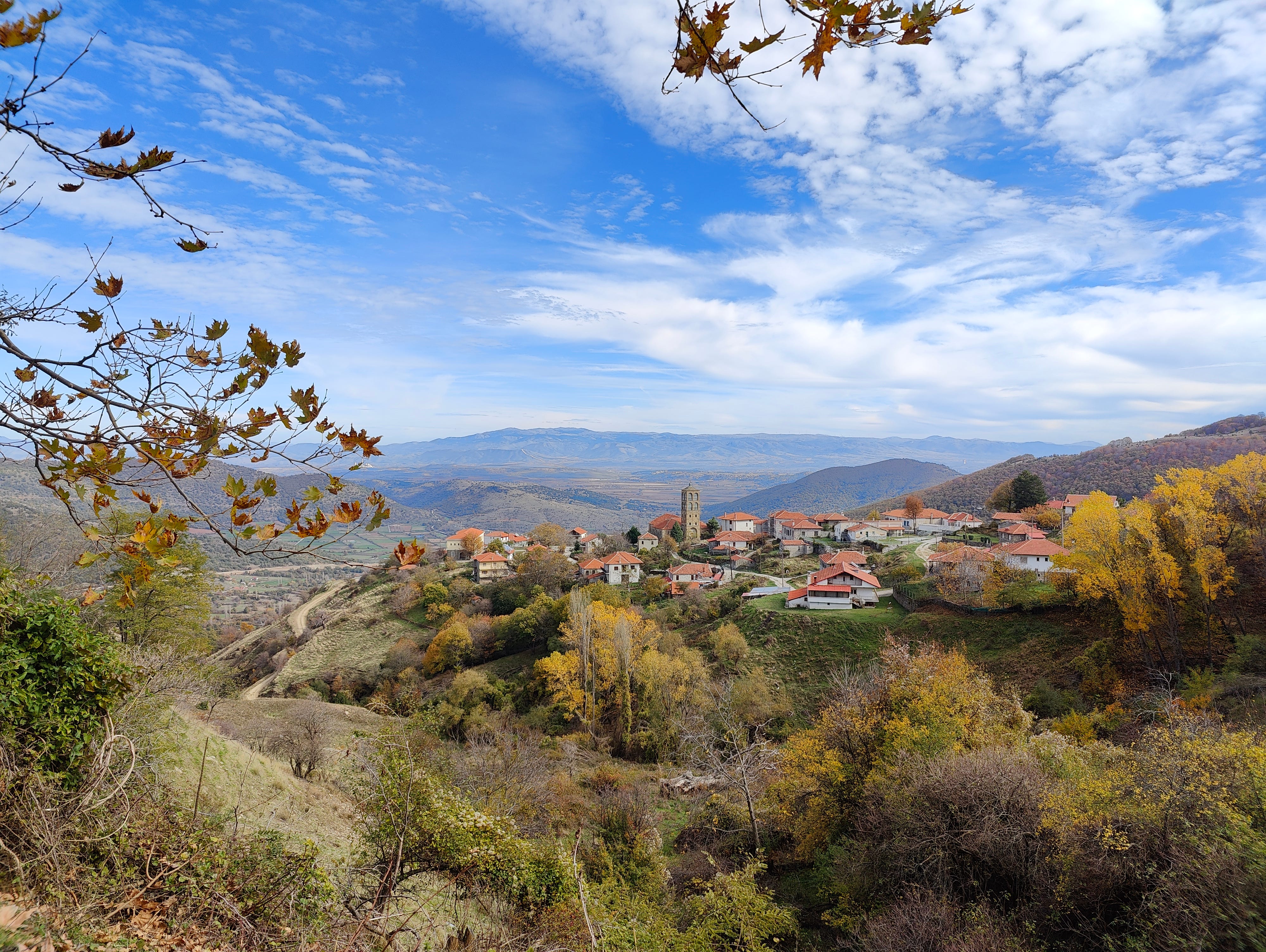
Like all of the villages in this part of Greece, all traces of Vasilieada’s non-Hellenic past have been completed erased. Anyone idly passing through would have no idea this was the birth place of Dimitar Blagoev. Who’s this, you may be asking? Only the godfather of Balkan and, more significantly, Russian communism. While studying at St Peterburg University, Blagoev was one of the founders of Russian’s first ever Marxist grouping and is believed to have recruited a certain Vladimir Ulyanov… aka Lenin. In 1950, the town of Gorna Dzhumaya in the Bulgarian part of Macedonia was renamed to Blagoevgrad in his honour. In 1905, Zagorichani (as it was known at the time) was the scene of a bloody massacre by Greek bands – 80 of its inhabitants were killed and the village burnt to the ground. There’s no plaque or monument to acknowledge this tragedy in the village, for its the victors who get to pick what history gets honoured.
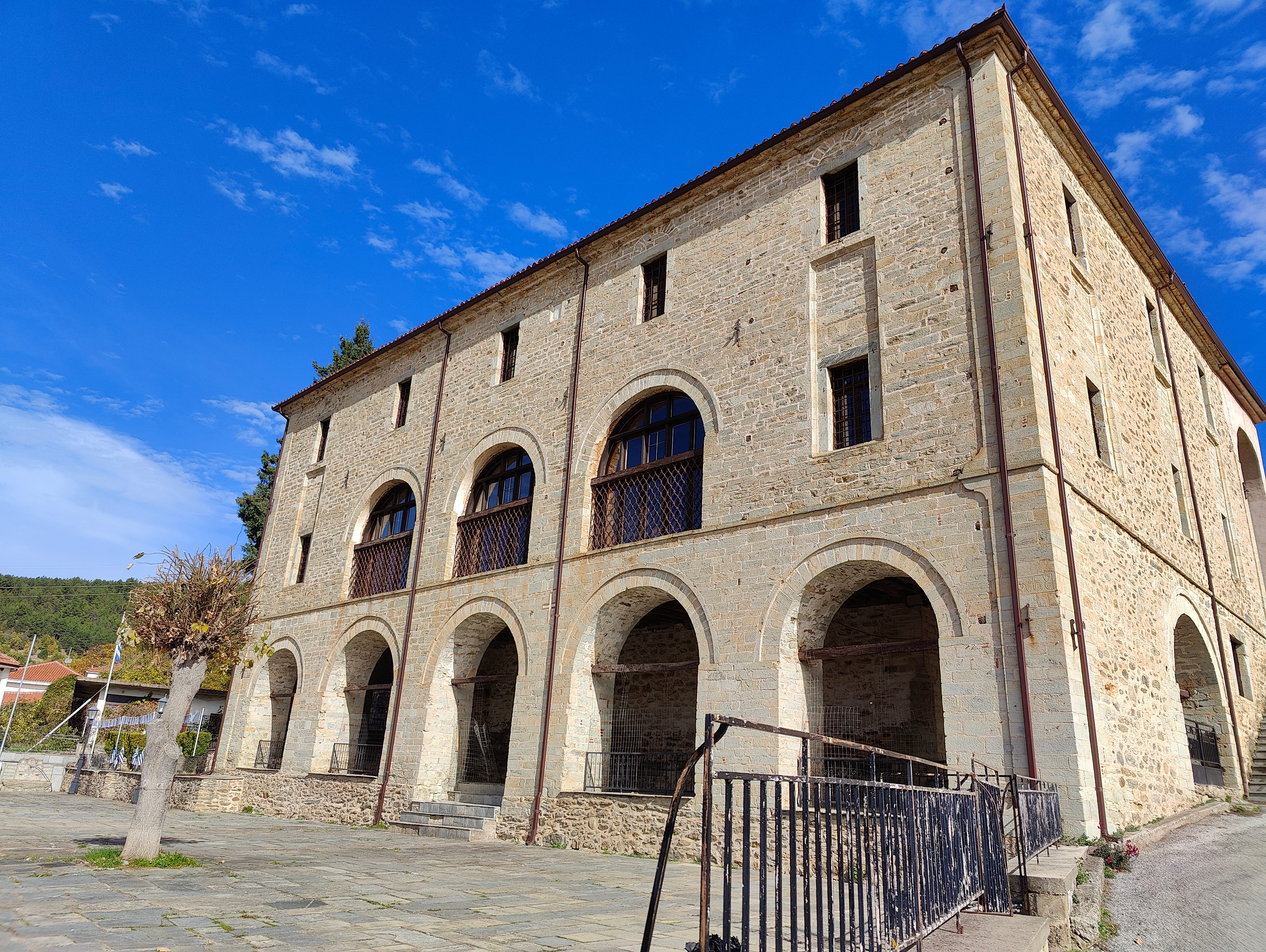
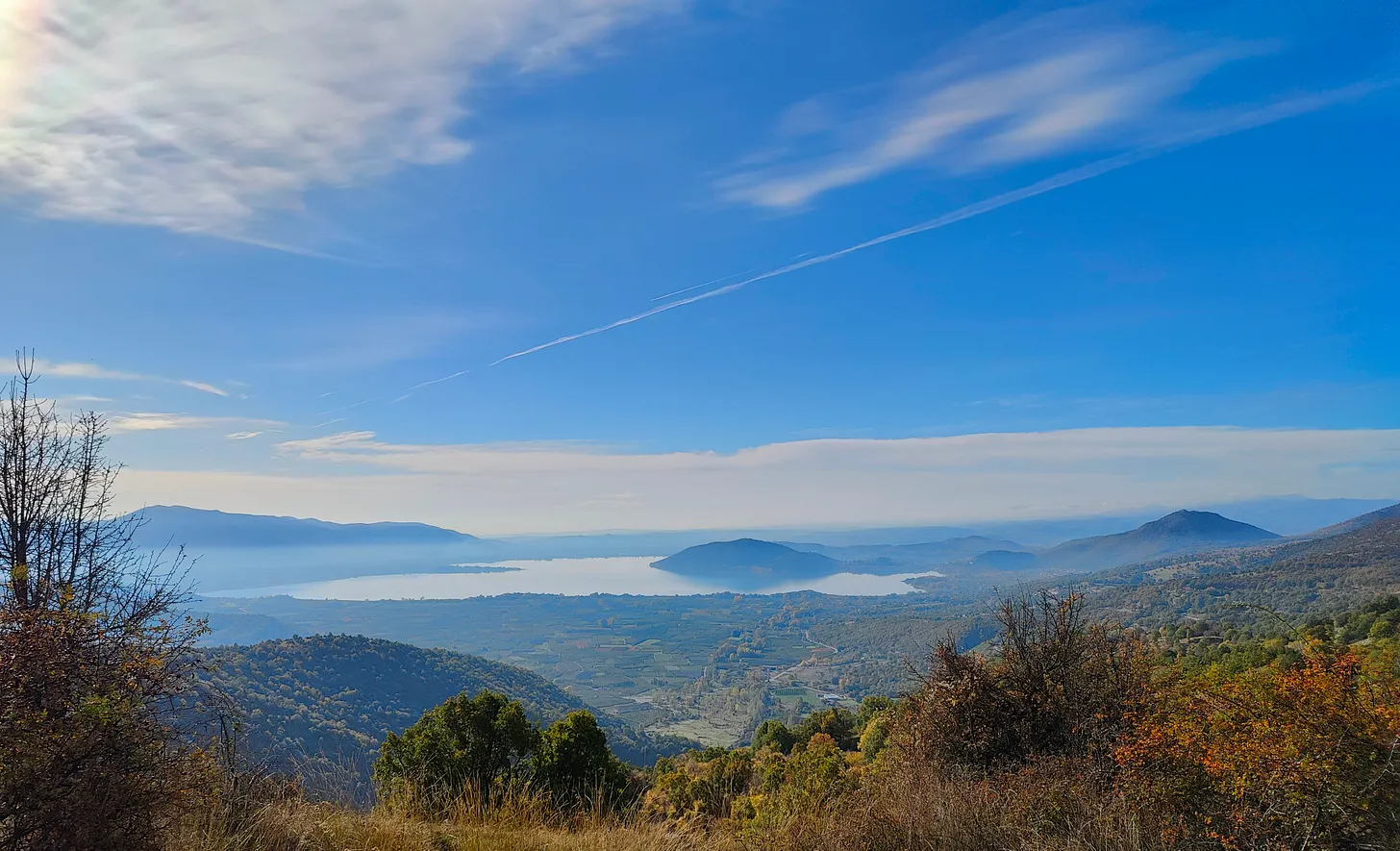
After skirting the beguiling Lake Kastoria/Kostur, it was up into the hills to the scenic village of Siderohori/Shesteovo, one of the places Kapka and I had visited in 2017. When we were there, it had been a sparsely populated Macedonian-speaking village.
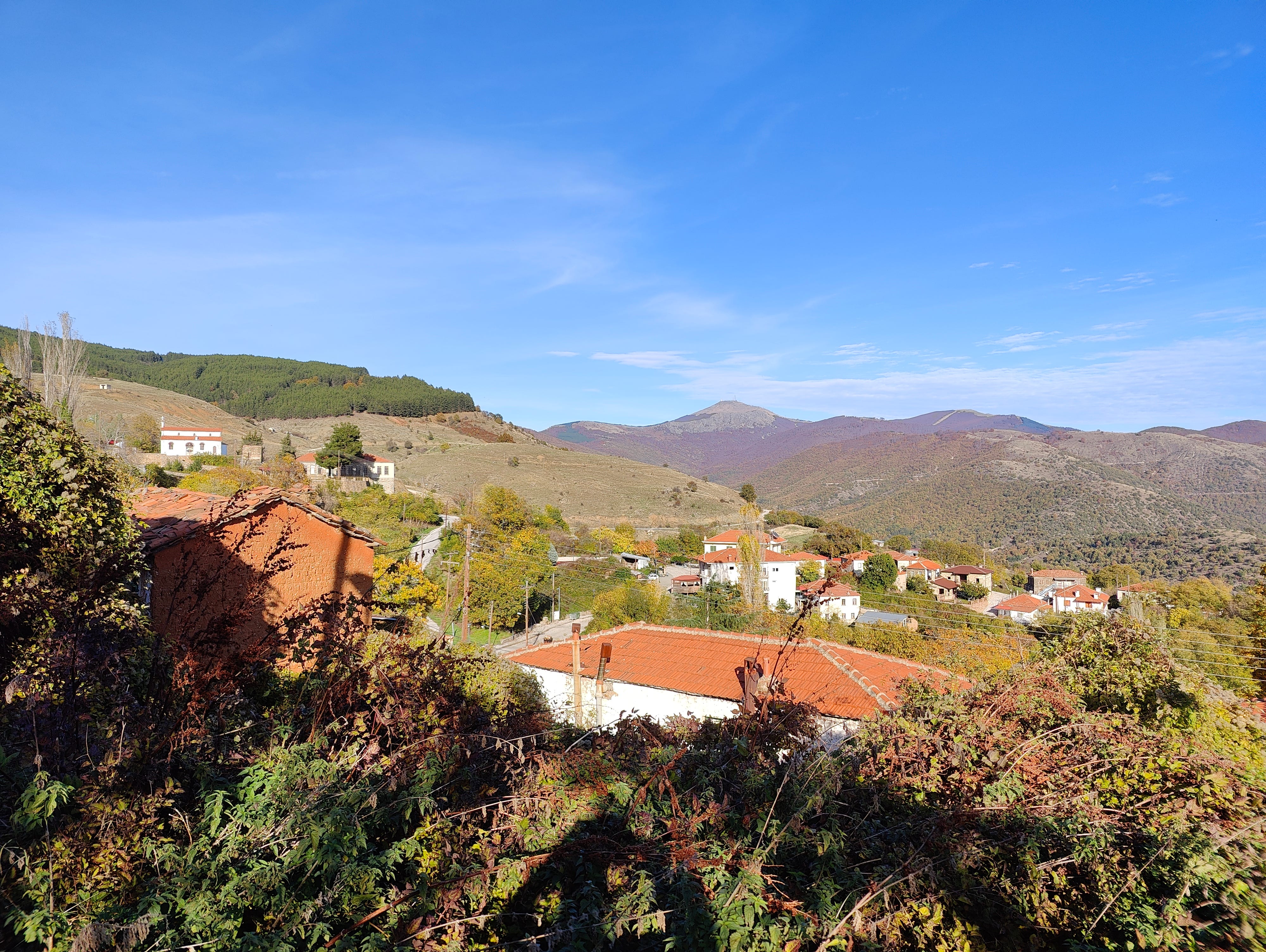
Checking into the renovated guesthouse with a spectacular view of the lake, I thought here’s my chance to be able to speak the local language – essentially, the first language I spoke as a child; the one that I would always use to communicate with my grandmother.
The standard way to break the ice and find out if someone speaks what we call Makedonski, the local Slavic dialect, is to say (depending on the area) either lafete po nashe or zborvate po nashe? – literally “do you speak in our way?” As so I tried that line with the guy behind the counter, who was around my age. He just froze when I asked. There was an uncomfortable silence that felt like it lasted for ages, but actually was only a second or two. It was a silence with heavy baggage – like opening a heavy wound. Asking appeared to be tapping into a major taboo. The guesthouse host then responded to me in English, a point made quite clear. Now that was awkward.
Pondering what had just happened, perhaps he didn’t know the local dialect, which for people in the area under the age of 50 is often the case. It would seem out of the ordinary for someone like him to hear someone like me speak in a way completely associated with people much older than us.
Surely if I go to the local taverna, the owner of which last time Kapka and I were there cheerfully spoke to us in Macedonian, and is named rather subversively after the original Slavic name for the village, I’ll be able to chat in the local dialect like last time.
Here goes… I enter the taverna. The former owner is not there; there’s a different family. I greet them with the usual kalispera (even when speaking in the local Macedonian dialects, for decades now it’s customary to greet people with the Greek words for “good morning/evening”) and ask in the local Macedonian dialect whether they speak “our way”. The response… again, the awkward silence and straight into English.
What had happened in these past 8 years? With the Prespa Agreement and boom in village events where local bands openly sing Macedonian songs much to the appreciation of the large numbers of youths in attendance, how come when it comes to the language, the main connection to the region’s past, there’s now an invisible wall? Does no one speak our way anymore?
Writing in To The Lake, Kapka wrote how important it was for my grandmother to have made that journey into the unknown to the other side of the world. Not only was she saving her life, she also wanted her children and grandchildren to be able to live in freedom and be able to speak and write in their own language. Kapka quoted me saying:
“I remember my grandmother’s tears of happiness when I started writing the Cyrillic alphabet at Masso school: Л, М, Н, О, П. Those letters meant so much to her.”
Kapka and I in the village had also encountered something special in this village: a grave stone.
“The man’s name was written twice: in Greek and in Cyrillic. A common sight in Albanian Prespa which was openly bilingual, it was an exceptionally rare sight here – not only for having been done in the first place, in defiance of the seventy-year long ban on Cyrillic, but for not having been defaced. The man had died a few years ago.
‘Oh my god,’ Nick kept saying, in shock. ‘I never thought I’d see this in Greece. I wish my grandmother could see it!’
And tears sprang from his eyes. As they had from hers, when he’d written his first Cyrillic letters. They were the same tears, filtered by time as if by karst.”
Returning to the village, I wanted to see whether the grave that surprised us was still up and not destroyed. Glad to report that it was still there, intact. It pays not to disturb the dead, or that the locals much prefer to let the past remain buried.
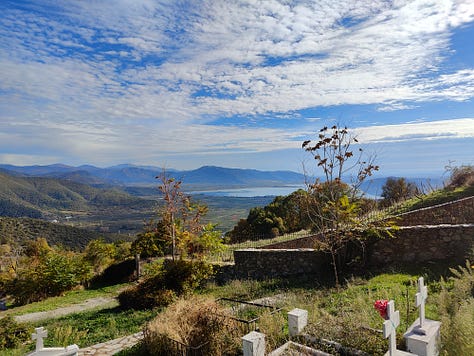
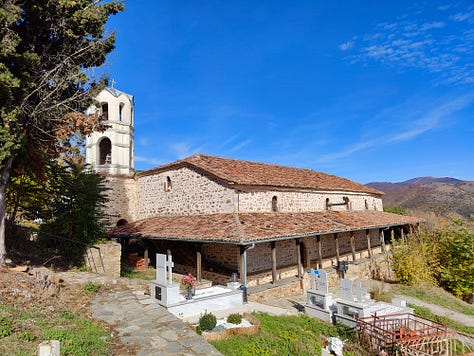
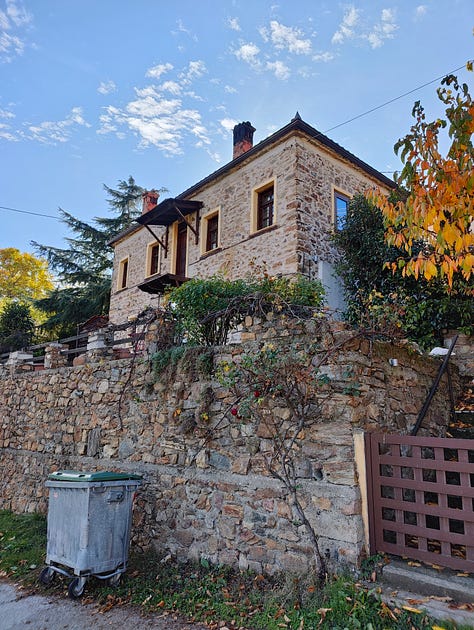
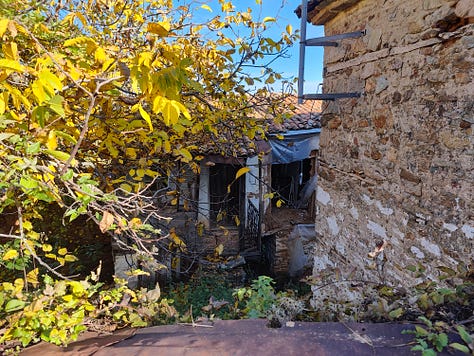
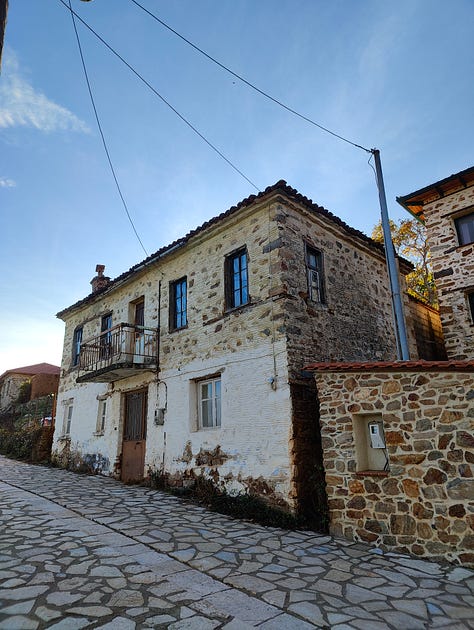
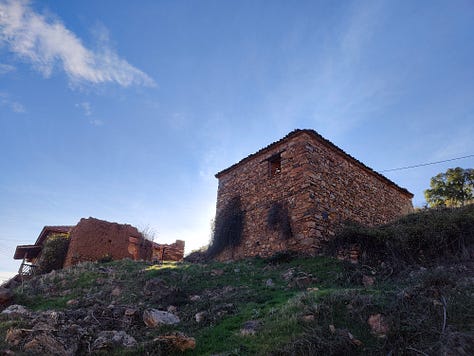
Thwarted in my attempt to talk to local people in what was the language of the region until recently, I hoped that things would be different going to safe territory – my grandmother’s birth village. To get there, the most scenic yet difficult way was via Vissinia/Visheni and over Vitsi/Vicho mountain, the scene of the Greek Communist-led Democratic Army’s last fatal stand against the US-backed Greek Monarchist forces in 1949. It was here fighting for the Communists where my grandmother’s first husband had died from wound injuries while being taken by stretcher to the field hospital. Coming from one of the most prestigious, pro-Greek families in the village (which Greek Civil War historian Spyros Tsoutsoumpis described as part of the ‘violent middle class’), he was the black sheep of the family, having gone with his convictions and joined the resistance to fight against fascism. My grandmother, a young wife with two infants at the time, had to hide from public view as retribution from the Greek monarchist government authorities for anyone deemed to be collaborating with the ‘bandits’ could, and often did, result in your house being burnt down – the vivid way people in my grandmother’s village described this to me when I visited in 2003, more than 50 years after the end of the Greek Civil War, made it sound as if it was still happening. Such was, and is, the gaping, unresolved generational trauma from that time – the Greek Civil War never really ended here.
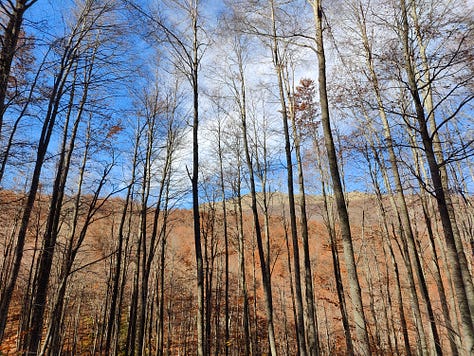
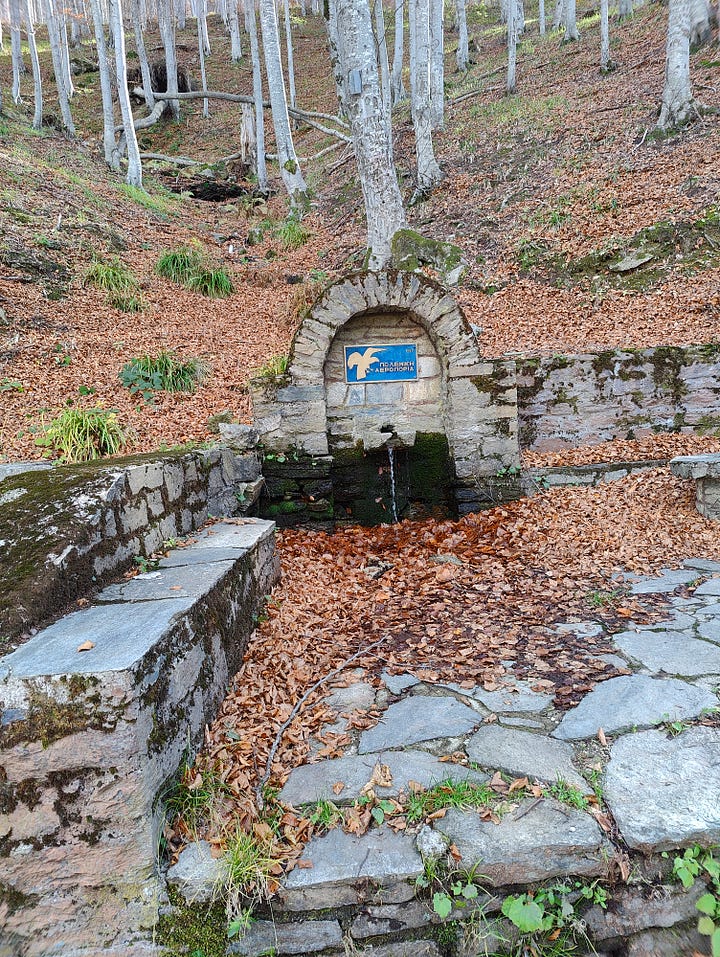
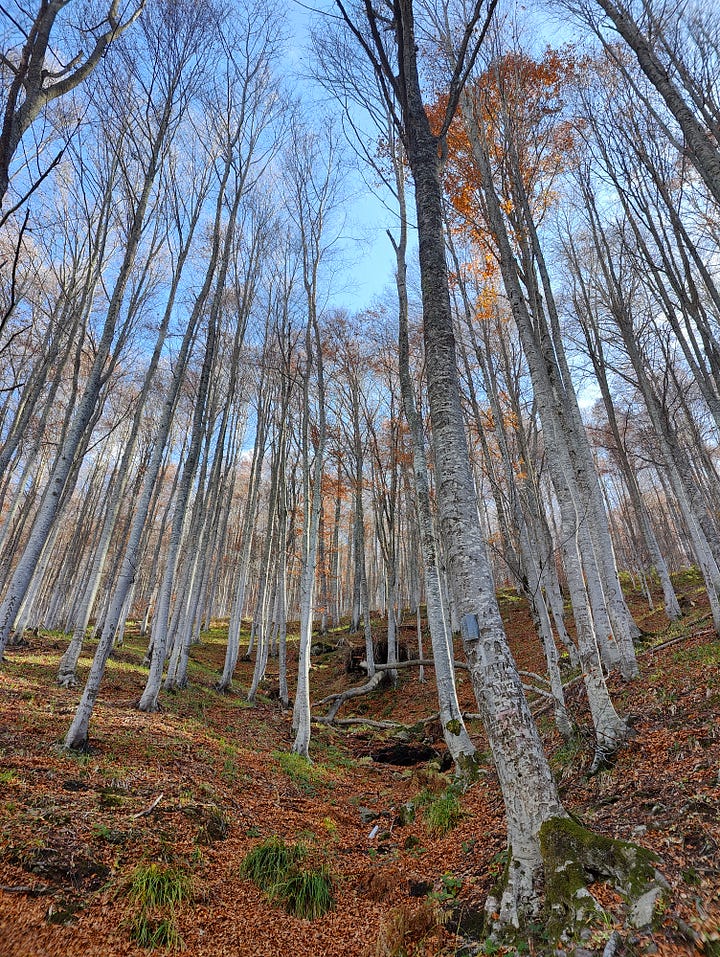
The Vicho mountains is burst with autumn colour, but that doesn’t mask what’s loudest here – the dead silence. Prior to the civil war, there were whole villages up here. The war saw the Greek monarchist forces, and their US and UK benefactors in the first case of the Truman doctrine being applied, drop napalm on the civilians living in the area; a war crime forever buried but still talked about amongst Macedonians in hushed whispers. With the communist rebels routed after Tito cut off the rebels’ life line (in retalition for the Greek communists opting to side with Stalin in their split), the villagers who survived the napalm fled to whether they could – many over into then Yugoslav Macedonia; others scattered throughout the Eastern bloc and as far as Tashkent in Soviet Uzbekistan; or as far away as possible to Australia and Canada. The only human physical presence left, perched right at the peak of Vicho, is a huge Greek military and spy base – a Cold War relic at a vantage point where signals from Albania and Yugoslavia could be easily intercepted, and in full view of anyone in the region as a constant reminder of who’s in charge around here.
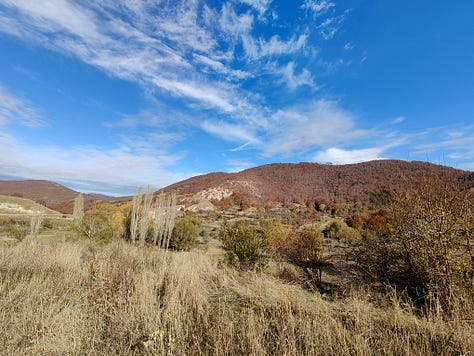
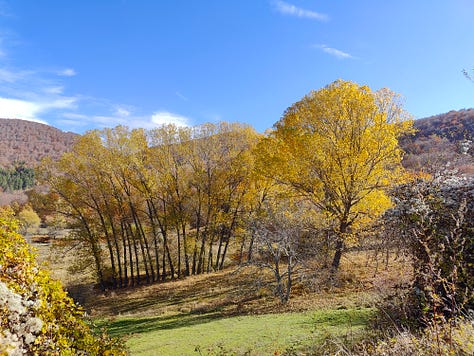
Leaving the ghosts behind on Vicho, next stop was the regional capital Florina, known as Lerin in the local Macedonian dialect.
Intrepidation had set in: do I really want to go see my relatives left in my grandmother’s village? Will I be faced with even more awkward silences. Will my presence be unwelcomed like it has been in the past? OK, let’s just go to Florina first, grab a nice coffee by the Sakouleva river and then work things out. Just going through Vicho had been heavy enough.
Getting to Florina from Vicho is as simple as following the main road down. I drive through villages that in my head always known by their Macedonian names: Kotori, Maala, Nevoljani; only their Greek names show on the road signs: Ydrousa, Tropaiouhos, Perasma… what? Perasma?! That’s Kuchkojni! I’ve taken a wrong turn! I’m not on the road to Florina. The road I’m on is leading to Ammohori aka Pesoshnitsa. That’s my grandmother’s place. It’s the next village. That’s settled; I’m going. The ghost is about to make a sudden entrance.
To be continued…