Bulgarian elections yesterday…
Well, we expected that Radev and his Progressive Bulgaria party would do well but not that well. So far, they’ve gained an unprecedented 44% of the vote, which most likely will give Radev and his party a full majority in the 240-seat Bulgarian parliament.
Usually, the party with the highest share of the votes in Bulgaria gets around 25-30%
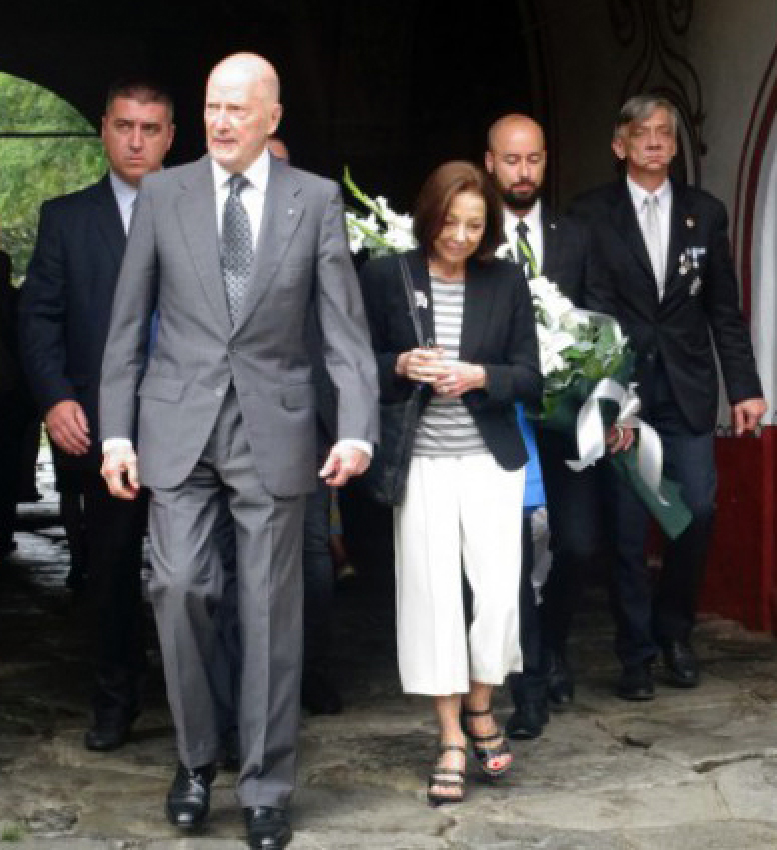
However, Bulgaria’s been here before. The last time anyone was able to win an outright majority in the Bulgarian parliament was in 2001 when, just like now, a former Head of State but with little experience in day-to-day governance formed a personality-based party running on a populist, anti-corruption ticket. That Head of Government in 2001 was Simeon Sakskoburgotski aka Bulgarian King Simeon II. While the King himself was not corrupt (the Bulgarian public figured that he was already rich so he had no reason to steal), the same couldn’t be said for the chancers and grifters making up the ranks of his party. Plus, the promises the King made that his high-ranking business contacts will attract much investment in Bulgaria failed to eventuate, causing the King and his party to drop quickly and massively in opinion polls.
Do the same fortunes await the inexperienced Radev and his newly formed Progressive Bulgaria party?
The biggest loser in this election – the Bulgarian Socialist Party (BSP), which slumped to just over 3% of the vote, failing to pass the 4% threshold to make it into the Bulgarian parliament.
The Bulgarian Socialist Party is the ‘democratic’ successor to the pre-1989 Bulgarian Communist Party, and it’s primarily because of this (and the nostalgia held for that period of time by some older Bulgarians) where it drew much of its support. However, the BSP has been a bit of a wild beast since its rebranding in 1989, where it’s gone through periods of advocating social conservatism and Russophilia, but under USSR-born Sergey Stanishev was instrumental in getting Bulgaria into Nato and the EU.
Is Radev as pro-Russian as he’s made out to be?
Well, we’ll see. Bulgaria and Bulgarians tend to be more sympathetic to Russia based on historical and cultural grounds, so Radev certainly tapped into that. However, EU funds are vital for Bulgaria’s ongoing development, and the country is now in the Eurozone, so practical economic concerns most likely will steer Radev and his government to tread a more concillatory line than what has been presented.
Exciting times ahead!








_(52052470251)_(cropped).jpg)





.jpg)


















.jpg)







.jpg)












_logo.svg.webp)









.jpg)














_(8249451687).jpg)