Not long after it happened, my father started throwing out all the food items imported from Europe my mother had just bought from our favourite continental grocers in Australia. We’re talking about pickles, chocolates, sausages, wafer biscuits, ajvar… When my mother questioned him why he did such a silly and frivolous thing, especially as they were of not much means, he simply replied ‘it’s all contaminated – Chernobyl’. It took a few years before my father would trust eating any food products from Europe.
Soon after we began receiving letters from relatives in Bulgaria (particularly) and Yugoslavia asking that we send dollars so they can buy western medicines to help them recover from inexplicable ailments. The Chernobyl radiation cloud had reached the Balkans on 1 May, a day when almost everyone was outdoors, whether it be for the May Day parades and/or mass picnics.
A year after Chernobyl, my mother was told by numerous relatives and friends that there was an unusually high number of late-stage miscarriages and medically required abortions all throughout the Balkans. People were attributing this to the radiation cloud from Chernobyl
And yet, particularly in Australia, there's been a major push over the years to say that nuclear energy is completely safe.
I went to Chernobyl in July 2014. Entry into the abandoned buildings of Chernobyl's service town, the now abandoned Pripyat, was still permitted then. Here are some photos of the trip.
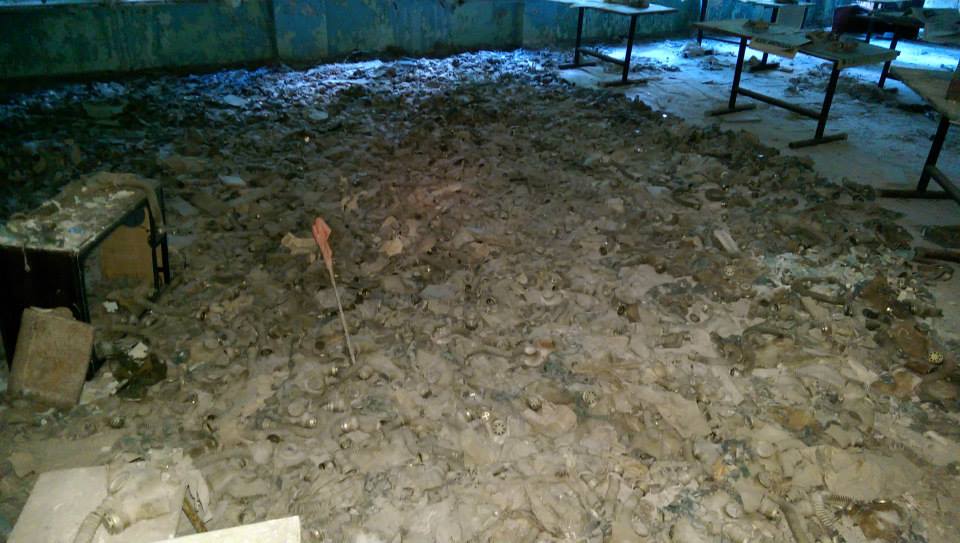
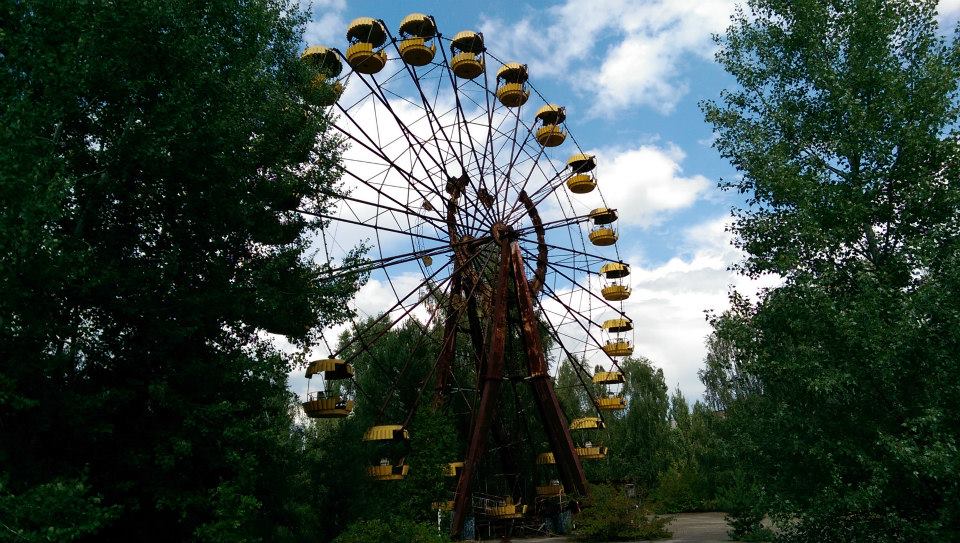
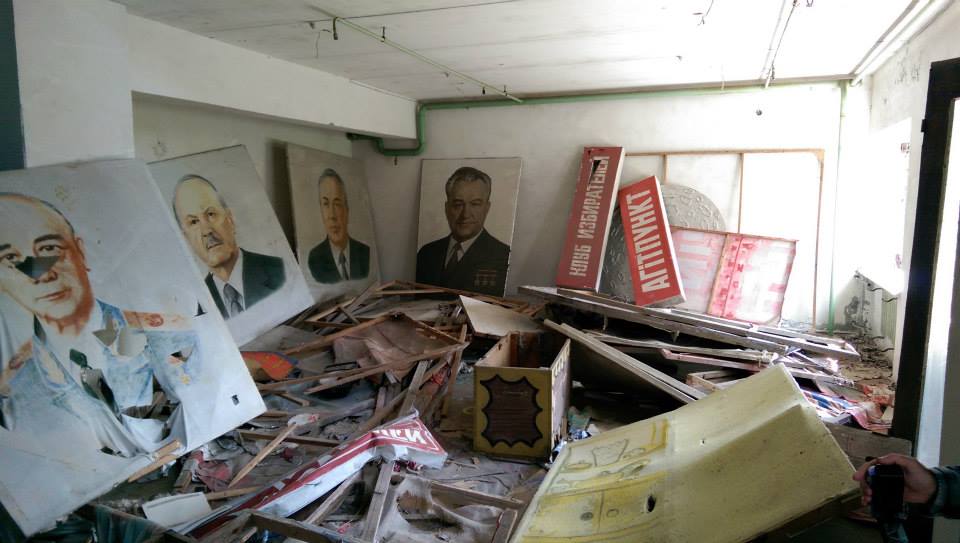
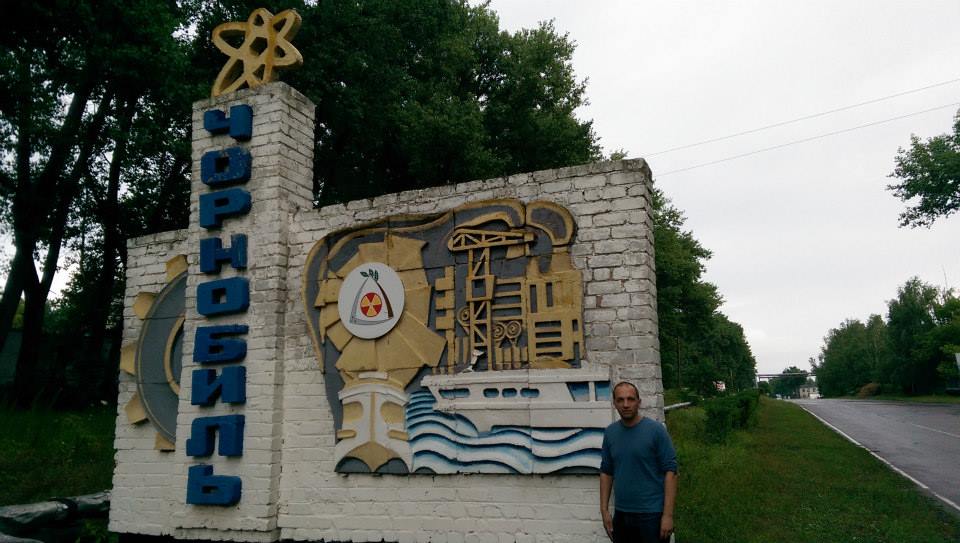
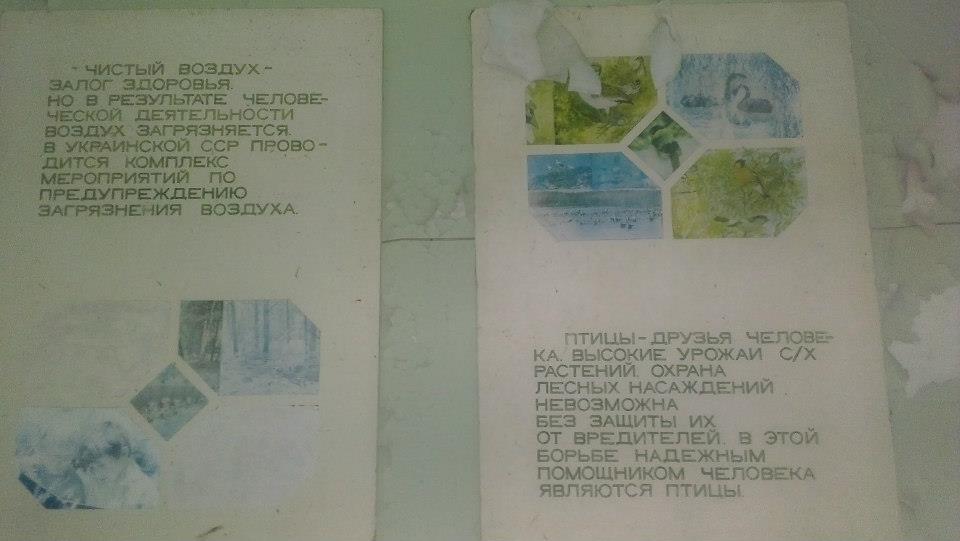
Horribly ironic. Below is a propaganda poster I saw in a class in the abandoned city of Pripyat. It says how clean air is a guarantee on health and that human actions can result in the air being contaminated. It goes on to say that in Soviet Ukraine a series of prevention measures would be taken in the event of air contamination. The response to the Chernobyl disaster proved that these measures didn't exist.


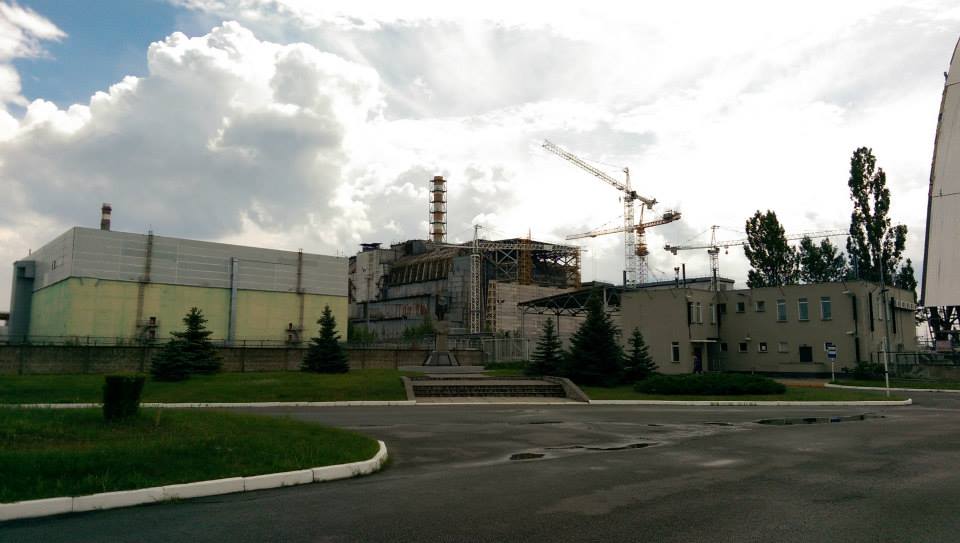
At the time, when there were still people camped in Maidan Nezalezhnosti in the centre of Kyiv, there were very few visitors in Ukraine. Just over 8000 people went to visit Chernobyl that year. By 2019, with the interest from the HBO mini-series, that figure had shot up to 120,000 visitors.


























.%20A%20day%20of%20campaigning%20%E2%99%80%20%E2%80%A6%20or%20a%20day%20to%20buy%20flowers%20%F0%9F%92%90.jpg)