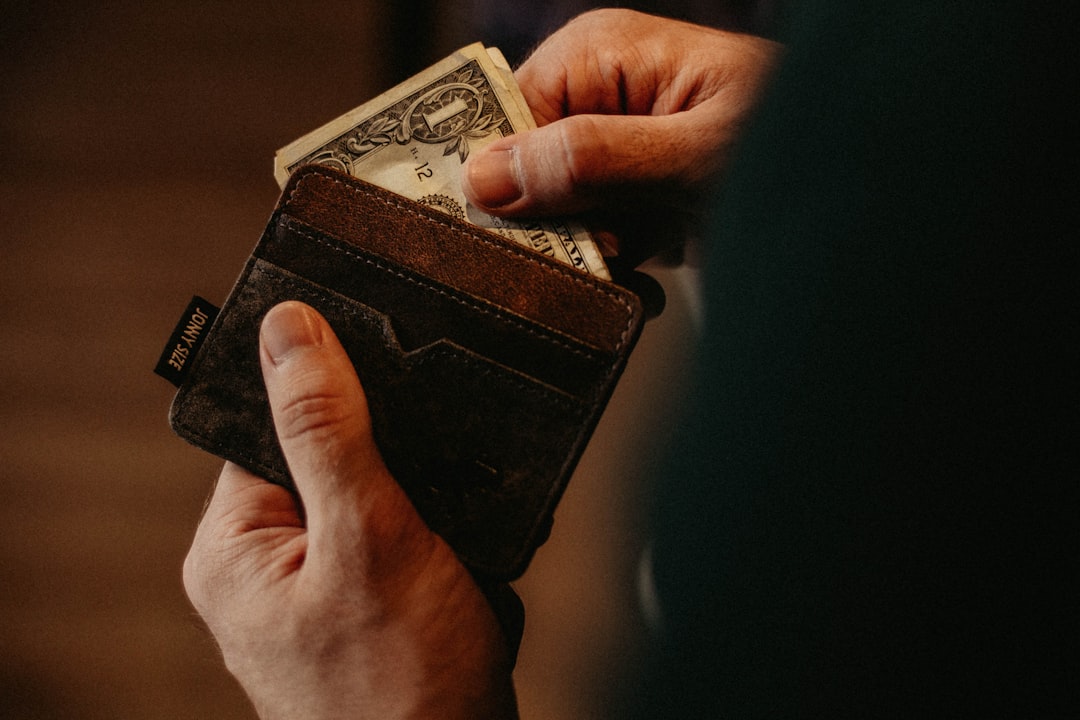
So, how are you supposed to bribe a doctor in Bulgaria to do an operation as expected?
This was the thought going through my head as I was on my bus having fled the and conflict on the outskirts of Skopje, Macedonia in July 2001.
Mission 1: Find cousin who fled her home a day after giving birth, who I hadn’t heard from in months. Outcome: success! All fine and well.
Mission 2: Provide bribe money to doctor so that auntie can have stomach tumour removed that was supposed to have been done properly two years earlier. Progress report: she’s in hospital and awaiting my US$300 contribution for said doctor.
OK, so I’m on my way. Just give me two hours.
This is the final stage of my 2001 Balkan Odyssey, that had seen me ricocheted from Canada to the Balkans to complete the two above missions. During that time, I’ve spent time being an “attraction” at my relative’s village of outcasts located in Bulgaria’s once-forbidden and deadly border zone near Greece, bump into people who know my father in the most unlikely of lucky chances, dealt with unusually nice border officials, entered into a war zone and be deemed “normal” amidst the craziness characteristic of armed conflicts.
Time now to get Mission 2 over and done with before my return to Canada.
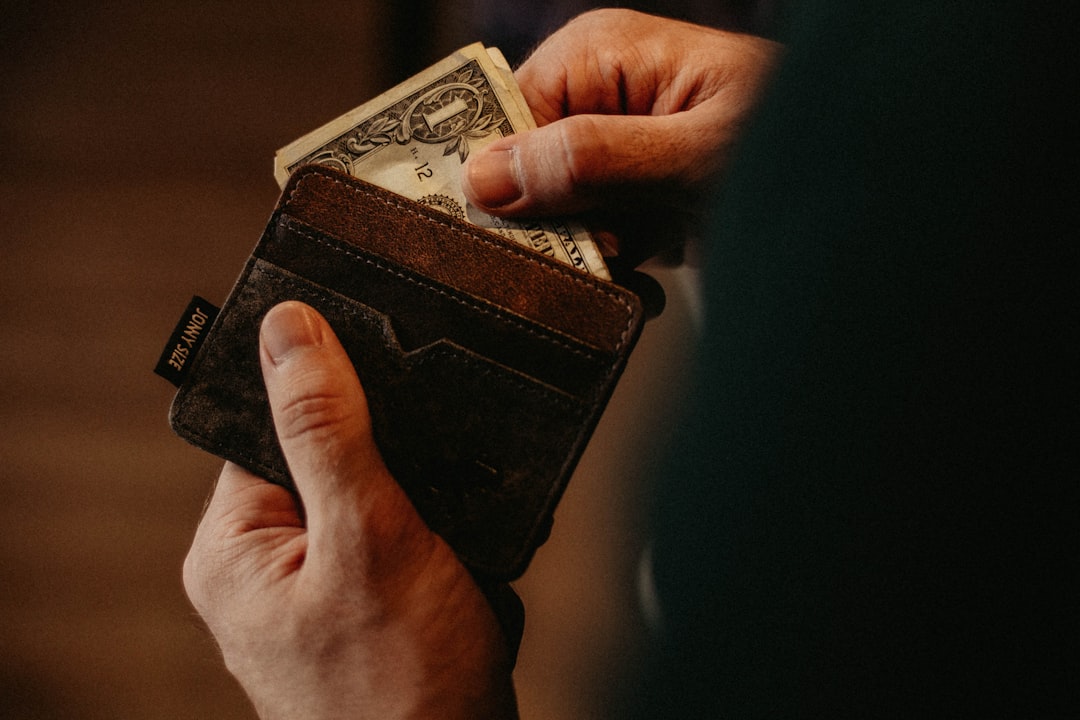
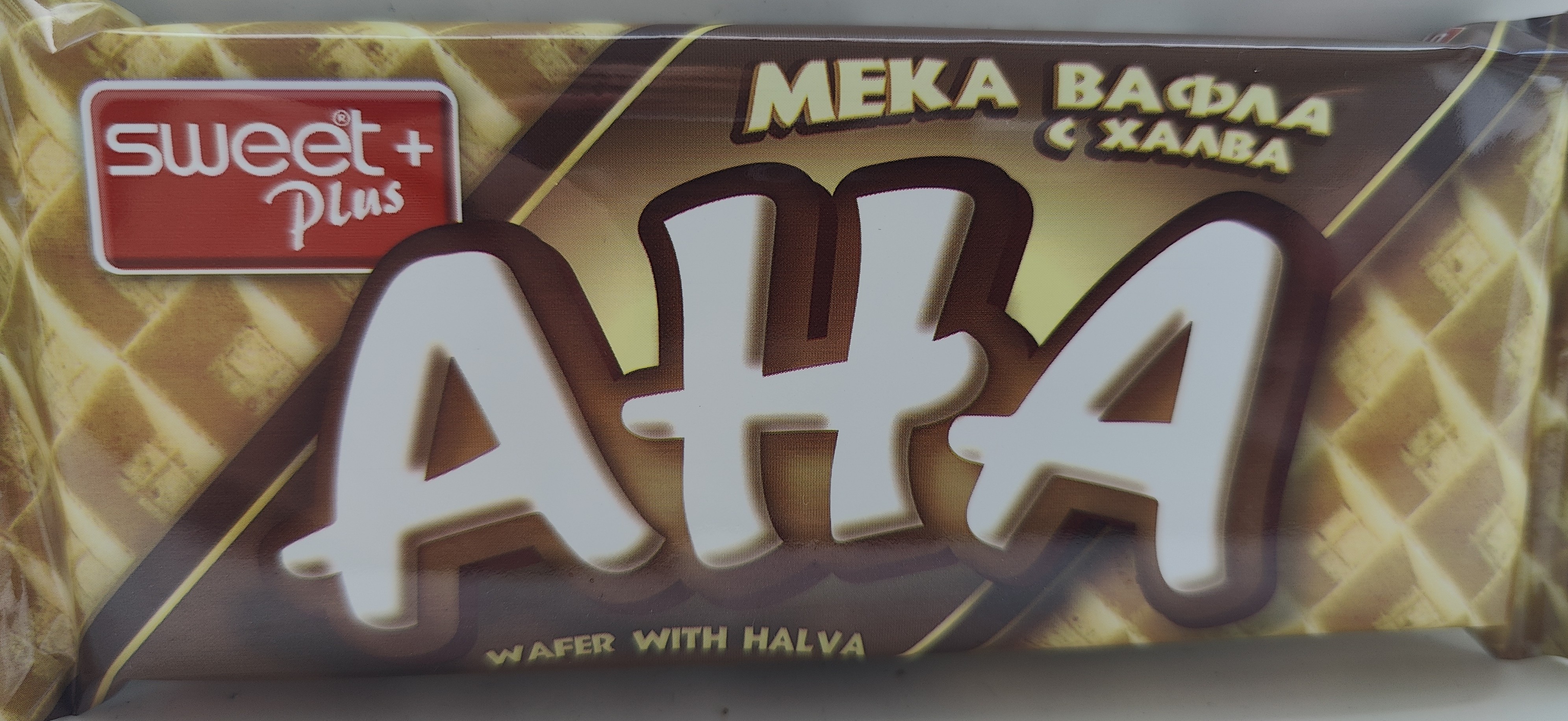
Arriving in Sofia after the surprisingly speedy bus trip from Skopje, first stop before going to the hospital where my auntie was waiting was a florist to buy some flowers – one by Sveta Nedelya Square. The attending florist asked me what flowers I’d like and I said “something that represents ‘health’”. Next was the obligatory box of chocolates. No, not for my auntie but to go with the bribe money for the doctor. And it had to be something “fensi” – not Chernomorets, something “western”. So Lindt it was. Next on the shopping list was a nice crisp envelope to place the nice crisp US dollar notes in. Do I get a bottle of Johnnie Walker and a carton of Malboros? Nah, we’re not in the 1980s anymore, plus, this is getting a bit overboard. This doctor really shouldn’t be getting the 300 bucks in the first place, let alone extras. But this, unfortunately, has been part of Balkan life not just in these days of wild capitalism but all throughout time. Favours, connections, gifts – all forms of tribute. They’ve always been important and have been deciding factors in whether something works out well or not.
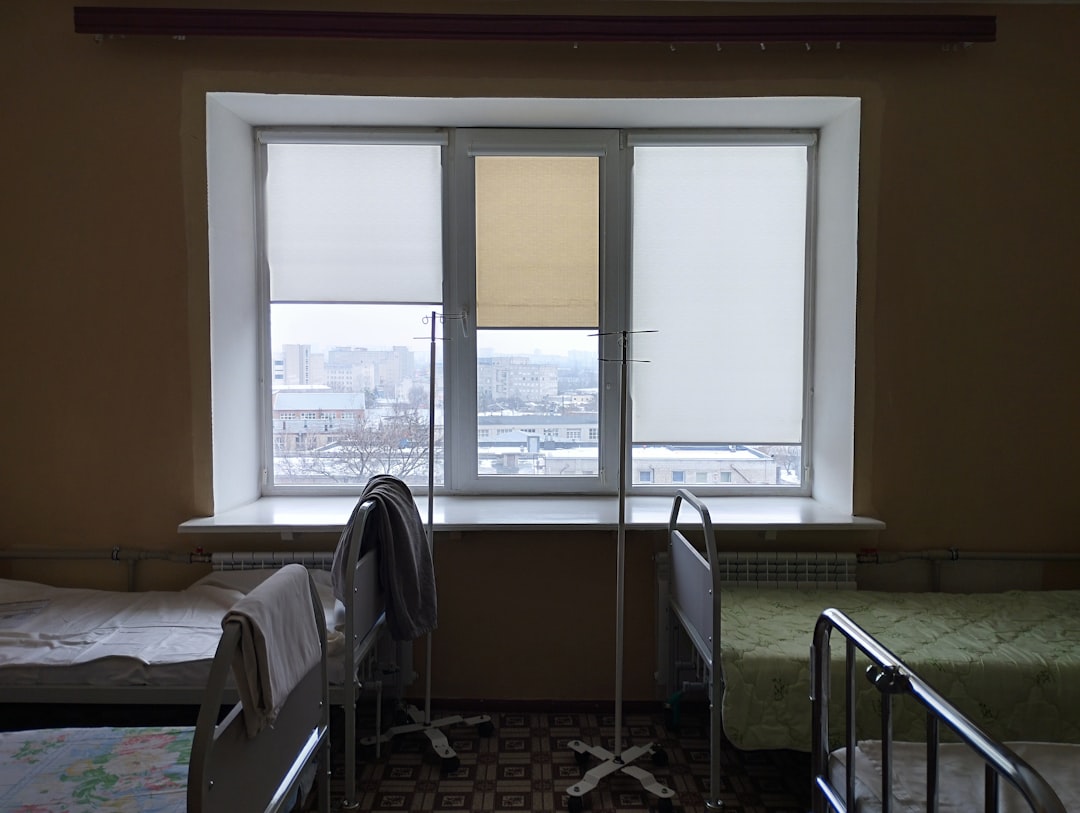
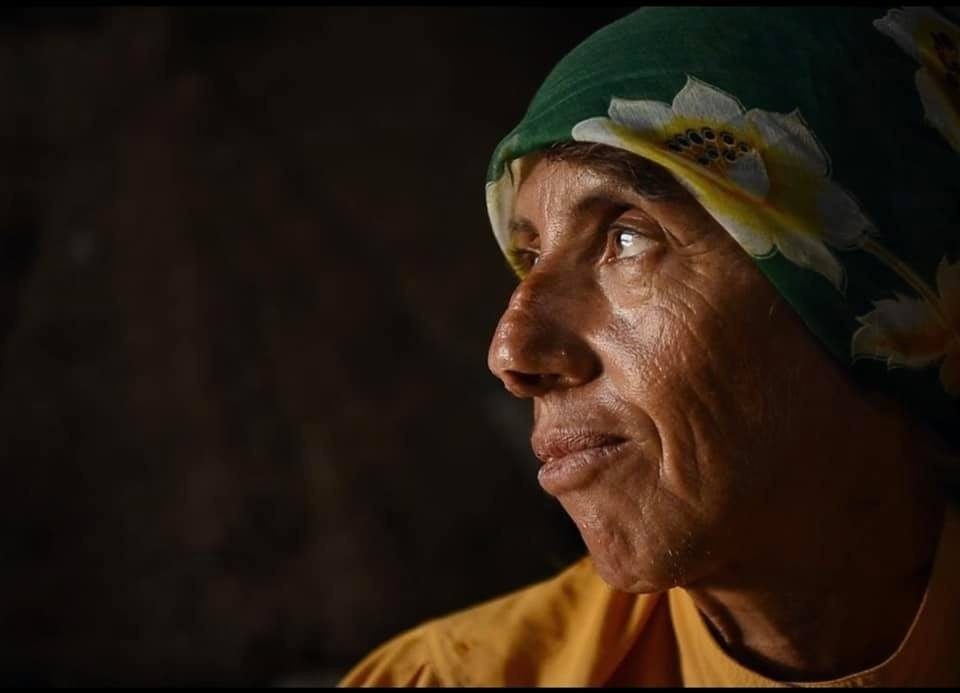
Entering the hospital, I went to reception, asked where my auntie is by name and was directed to a ward that was clean though certainly had seen better days. Such was the state of not just the Bulgarian public health system but this too was standard all throughout the Balkans and Eastern Europe. There was my auntie, all excited to see me, and by her bedside my cousin Anna-Maria. Their faces lit up immediately – I was finally there with the dosh to end the stomach pains.
First thing my auntie did was apologise for the state of the hospital, like as if it was her responsibility. “I’m sure the hospitals in Australia don’t look anything like this dump” she said. My modest reply was “oh no, they’re just the same”. What a hopeless lie! Of course they didn’t look like this. It’s not like wealthy Australia had gone through the economic turmoil that poor Bulgaria had gone through those previous two decades. But while my auntie is in this state, why bog ourselves down with comparisons. She was in pain, so this was not the time to rub in how she had the bad deal when it came to life…
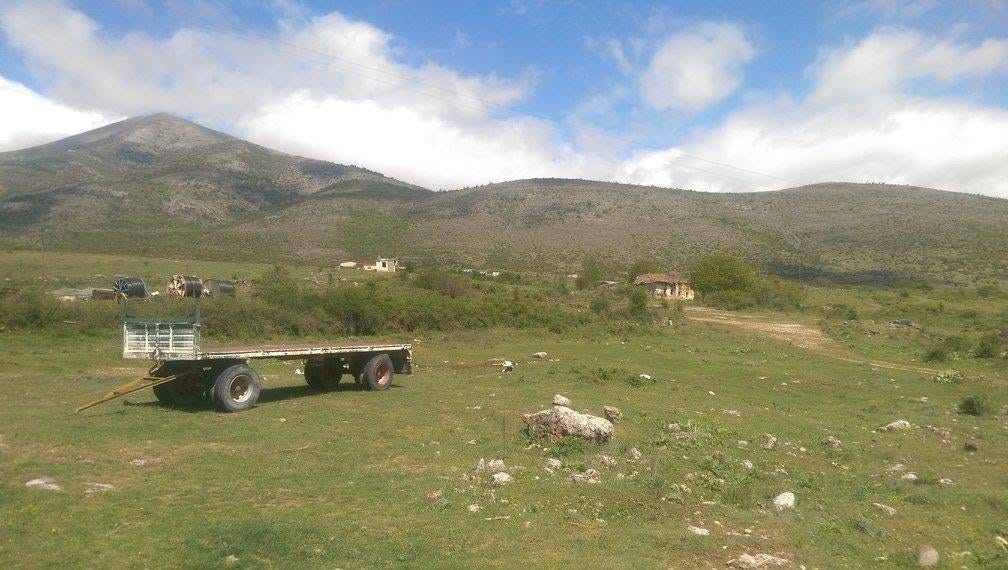
You could say my auntie was doomed from the onset. She had been born in her father’s (my grandfather’s) birthplace in 1944… not within the current borders of Bulgaria but just over it in what is now Greece. When my auntie told me this, I didn’t believe her. She then showed me her ID card where it clearly stated her birthplace, using its Slavic… well, Turkish, name of Karakoy (now Katafyto). What had happened was when her father had finally been caught after going AWOL from the Bulgarian Army during World War II, he was given a choice – either he be sent back to the front line to certain death or he and his wife could opt to return and repopulate his birth village in Greece, then under Bulgarian administration. In 1925, the people of the village, her father included, had decided that they would en masse leave for just over the newly defined border within sight into Bulgaria. In their place came Greek refugees from Asia Minor, victims of the population exchange between Greece and Turkey. When the Bulgarian Army took control of the region again in 1941, the plan then was for Bulgarian refugees who had come from Greece to return to their places of origin now part of greater Bulgaria. But few of them wanted to return to villages that had been completed destroyed (as was the case with my grandfather’s birthplace), meaning they needed to start all over again. However, for my grandfather, doing this was better than dying in a war he wanted no part in, especially as it was allied at the time with Nazi Germany. As a reward for returning to his village, my grandfather was appointed the village’s police officer. While there, his wife gave birth of their first child – a girl, i.e. my auntie.
But this new life back in the old place was not to last. Just over a month after my auntie’s birth, the Red Army entered into Bulgaria. The Soviets engineered a Communist-led coup (later officially billed as the September Uprising) toppling the pro-Nazi Bulgarian government. Bulgaria immediately changed sides and withdrew from all territories it had taken over beyond the country’s pre-1941 borders. This included the village that my auntie had just been born in. Given the circumstances, and seeing he was now part of the Bulgarian administrative and security apparatus, my grandfather had no choice but to flee from his birthplace, again, and withdraw to Bulgaria proper. My auntie, a mere few weeks old, was already a refugee.
As there was no one else really to do the job, even though he had been appointed under the previous, now wholly discredited pro-Nazi authorities, my grandfather continued being a police officer, just now his hat had a red star on it. For doing so, and pledging allegiance to the new communist government, my grandfather was roundly rewarded by being assigned a nicely located apartment right in the centre of Nevrokop in the town’s intact and lively Jewish quarter.
Life was fine. But that was to change… spectacularly.
On the evening of 20 April 1947, police officers, her father’s colleagues, smashed into their apartment. This was no friendly visit. The officers started trashing the entire place. Her mother had been ordered to leave the apartment immediately and was very ceremoniously thrown out onto the street for all to see. The reason for her sudden eviction – her husband, the police officer, had been arrested earlier that day after being discovered to have been feeding valuable intel to a clandestine separatist Macedonian “counter-revolutionary” grouping. My auntie, her mother and her newborn younger brother were out on the street now deemed “enemies of the people”. There was no mercy here. My auntie was 2 years old; her brother was barely six months.
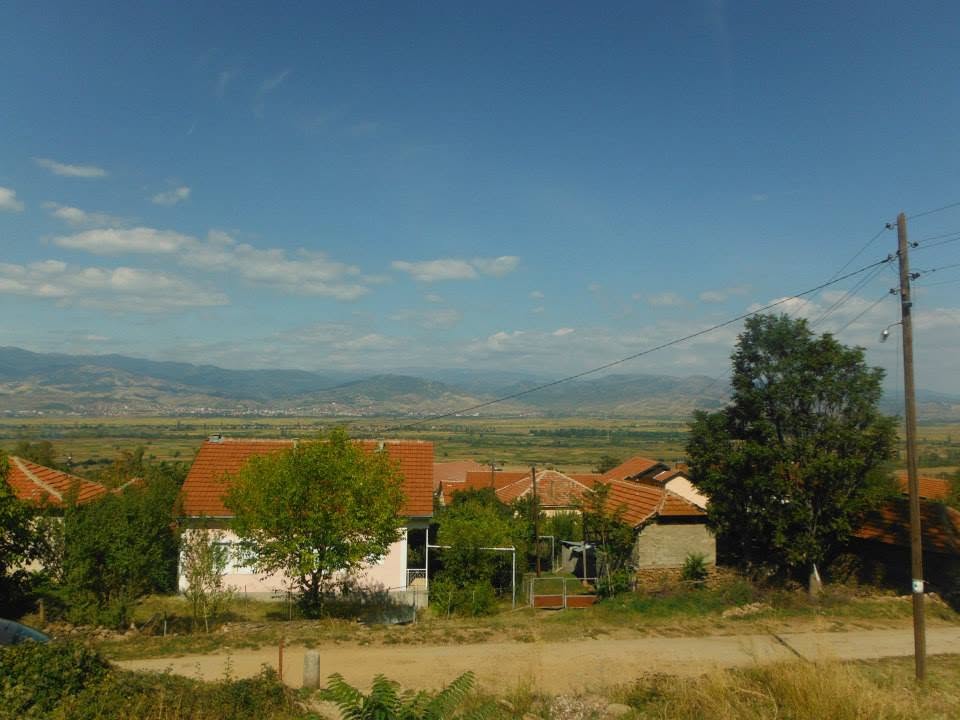
With no-one in her family or any of her husband’s relatives in the town willing to be associated with her, no matter how much they wanted to help her, my auntie’s mother had no choice but to flee to the village of outcasts (explained in Part 1) not far from the town for fellow “enemies”. Things then went worse for them when my grandfather made a daring escape, in broad daylight, from the prison camp he was interned, successfully making it over the nearby border into Greece. My auntie, her mother and brother were now, in the eyes of the Bulgarian authorities at the time, the lowest of the low.
It was made very clear to her and her brother that they have no bright future ahead of them in the worker’s paradise. Any dreams of university education? A highly prestigious job? Forget it. They were from now on, and constantly reminded of from the never-ceasing taunts from the other children, kopileta – essentially “bastards” in the old-fashioned sense.
Their father extraordinarily survived his escape and made his way to safety to Australia – “the furthest I could get from Europe” he would say. In a feeble yet necessary attempt to mitigate the negative repercussions he knew his escape will have on the family he left behind in Bulgaria, her father “divorced” their mother by letter, which allowed her to remarry… to the village drunk. Their childhood was absolutely horrifying, having to face the violent wrath of this lowlife of a man. My auntie and her brother (my uncle) were left to fend for themselves.
In her late teens, my auntie met a funny guy, similarly an outcast like her, from a neighbouring village, and soon after married. Given everyone in their region knew of their circumstances and backgrounds, they had nothing to lose and so a clean break would be best for them. They moved to the spa city of Velingrad, where they lived for a few years in the 1960s, and where their two daughters were born. At first, no-one knew about their backgrounds or associations, but eventually, their past caught up on them and were shunned. Then in 1969, the Bulgarian Communist Party made a call for young volunteers to move to the centre of Bulgaria where new lignite-powered thermoelectrical plants had been constructed. Workers were needed in all professions. The young family decided to answer that call and moved there. OK, that’s how the rosy-coloured propaganda at the time depicted their move. The reality was they needed to go further afield to escape their pasts, plus doing something in favour of the Party would do much to exonerate their tainted biographies and gain some positive ticks for providing better prospects for their daughters.
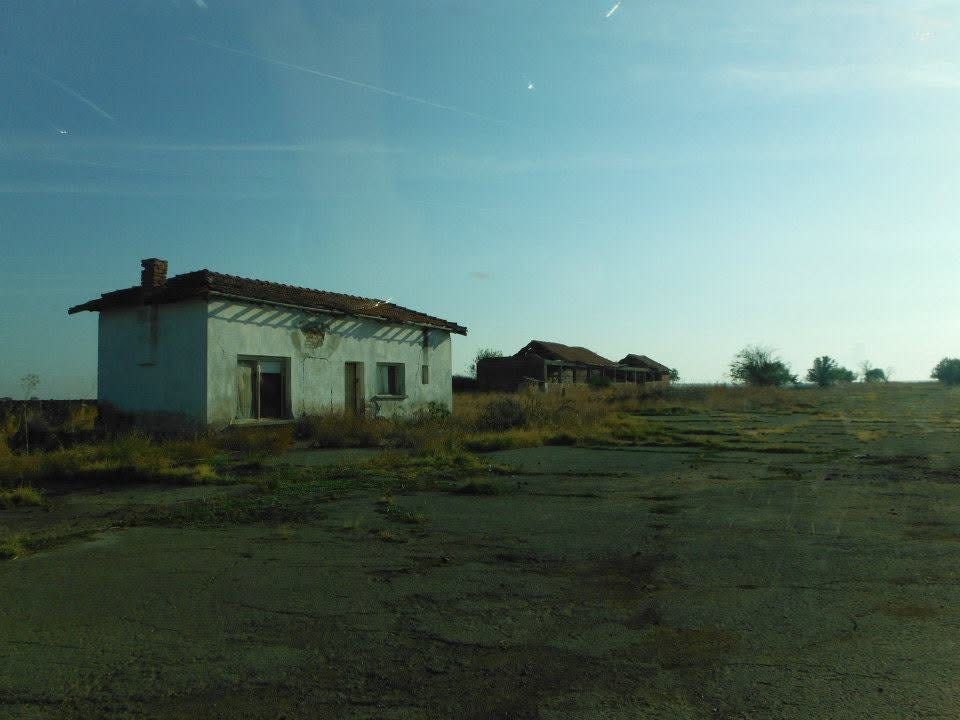
With only basic education – that was all they were allowed to have – they didn’t have much choice on what jobs they could take, but the railways were always desperate for people to work in remote villages, so they took the task of becoming the station masters of their new village of residence. My uncle was a very amicable person and loved talking with everyone, as well as saying jokes and making people laugh – this made him perfect material to become a train conductor. First working on local lines, he quickly climbed the career ladder to work on cross-country lines and soon after was chef de tren on international, multiday lines criss-crossing the Eastern Bloc. His journeys would take his as far as Novosibirsk deep inside Siberia. As he had his own compartment in these epic train journeys, for summer holidays he would also take along his wife and two daughters. Destinations such as (East) Berlin, Prague, Budapest, Leningrad and Moscow, places that my uncle would see regularly on his conductor expeditions, were the best most Bulgarians could possibly go to at the time – they were akin to Paris, Rome and Amsterdam for those in the west. My cousins would come back from these places, where shops were much better stocked that in rural Bulgaria, with items that would make their fellow students envious.
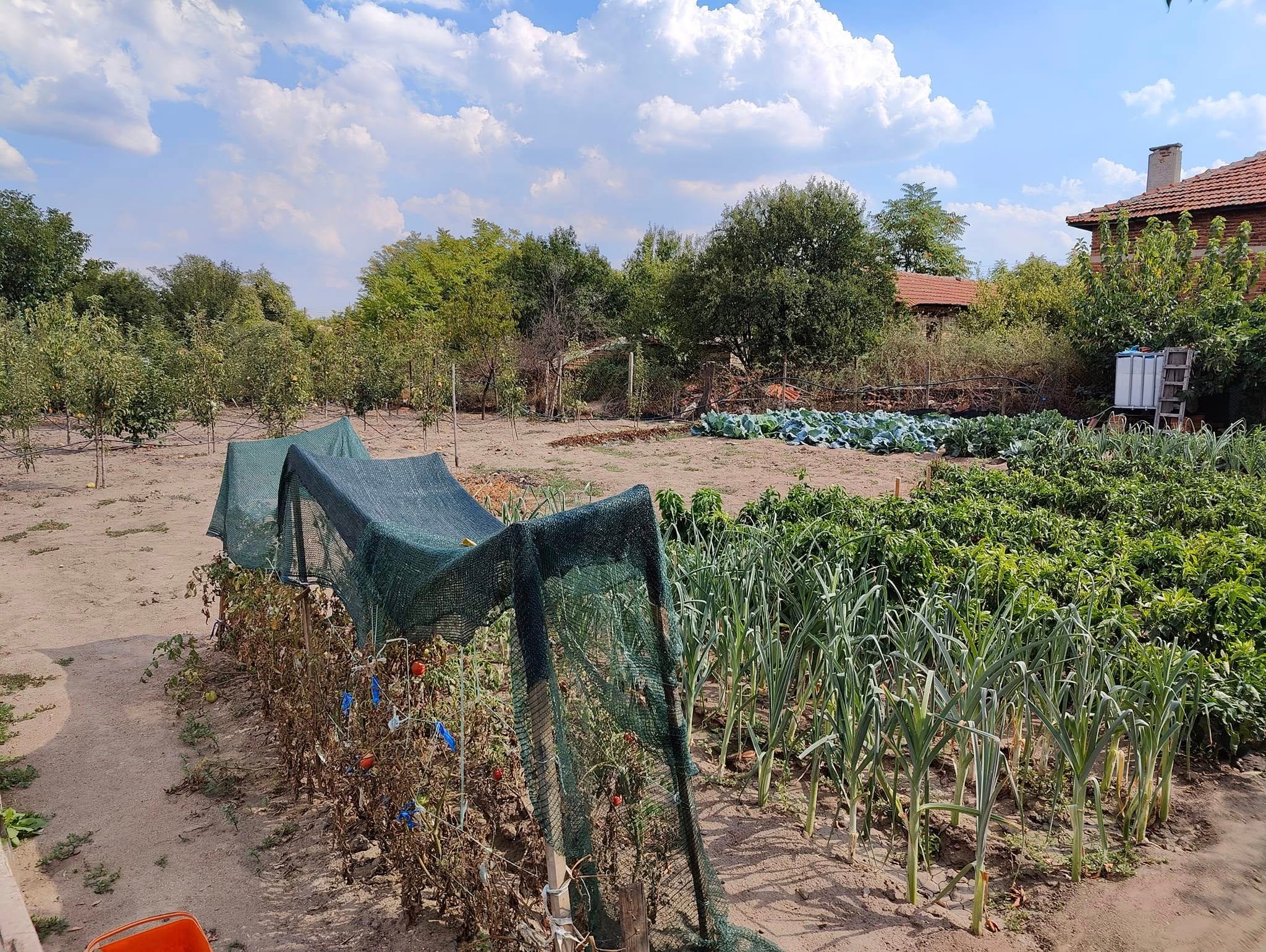
For two decades my auntie was the station mistress for their village, running the operations, from ticket sales to signalling, all by herself. Along with an ample plot of land for growing vegetables and tending to farm animals such as chickens and a pig, and being in a pleasant village where no-one held any grudges against them, their lives in 1970s and 1980 socialist Bulgaria were relatively pleasant. And even though they had been constantly threatened their daughters would also inherit with the same low status as them, none of this actually came about. By the 1970s, the Bulgarian Communist authorities realised it’d be better co-opt these “enemies of the people”, particularly their children, who had been born and lived all their lives in “real socialism”, rather than keep this ever-growing group of people in a resentful and antagonistic state – one that could grow to become a potential fifth column. Both my cousins were able to have full access to higher education – one going to teacher’s college in Plovdiv, the other having the privilege of studying in the capital, Sofia.
That’s not to say that my auntie liked her life under Communist Party rule in Bulgaria. As she told me when I reunited with her in 1997, eight years after the fall of communist rule in Bulgaria, she claimed the biggest mistake the Bulgarian communist leadership made was not following the example set by Tito in neighbouring Yugoslavia – if you didn’t like it, here’s your passport and leave. Why keep anyone against their will who could potentially cause trouble on the inside. Let them go. Given the choice, my auntie would’ve gladly left Bulgaria – as she said repeatedly, if she could she would’ve walked on water all the way to Australia.
The thing is… she did have the chance.
No matter how difficult it was being separated from his children, and the Bulgarian authorities certainly did their best to make it as tough as possible, my grandfather still maintained communication, even in secret from his new family in Australia, as I later discovered. For instance, a few years back while going through my grandfather’s papers and documents, I found a curious receipt from 1956 for a wire transfer to Bulgaria via a US bank for the remarkable sum of US$100 – a huge amount the equivalent of the average monthly wage at the time in Australia. The money was directed to his older brother to go towards his entire extended family in Bulgaria. Whether they actually received the money or not, who knows?
Then in 1971, the impossible happened. From the end of WWII right through to the late 1970s, Australia was in dire need of workers. The result was huge waves of migrants coming from Europe – first Brits and Irish, then displaced persons from Eastern Europe, then swarthier people from the Mediterranean. All throughout this time Australia applied a whites-only immigration policy, the criteria for which gradually lessened over the years as the desperation to populate the country intensified. I have no idea how this happened as my grandfather was a man of many secrets and someone who knew no English, but in the late 1960s he initiated the process to sponsor his daughter and son to migrate to Australia. Unlike now, the Australian side gave permission almost instantly – they were, after all, young, with families, very willing to do hard work and, most importantly, white. It was the Bulgarian authorities that needed greater convincing. Now it wasn’t impossible for Bulgarians to leave Bulgaria then, but close enough. Permission to leave Bulgaria at the time came with some hefty criteria. First of all, my grandfather would’ve had to pay a large amount of hard currency to allow for all this to happen – you could call it a ransom. The other was that the potential emigrants from Bulgaria must not have been privy to state secrets, knowledge or skills of value that Bulgaria could not afford to fall into the hands of the devilish scheming capitalists. Well, given they had been denied higher education, they certainly weren’t in that circle, and seeing they were not really wanted in Bulgaria in the first place, they would be no loss. So in a somewhat surprise move, the central authorities in Sofia provisionally approved their application for exit visas in their first step to be able legally to leave Bulgaria.
However…
Before full approval could be granted, they must first be cleared by the police directorate in the town they grew up in. The person who ultimately held the power to decide whether they could go to Australia or not… just happened to be the same police chief who was the immediate boss of their father’s just before he was arrested. In true provincial Balkan style, he still held a grudge, so out of pure Balkan inat, he denied them their approval. Again, the petty-minded nature of the authorities thwarted them. When my auntie recounted how she was in tears and near-suicidal leaving the police station after being told she was not getting the approval to leave her living nightmare.
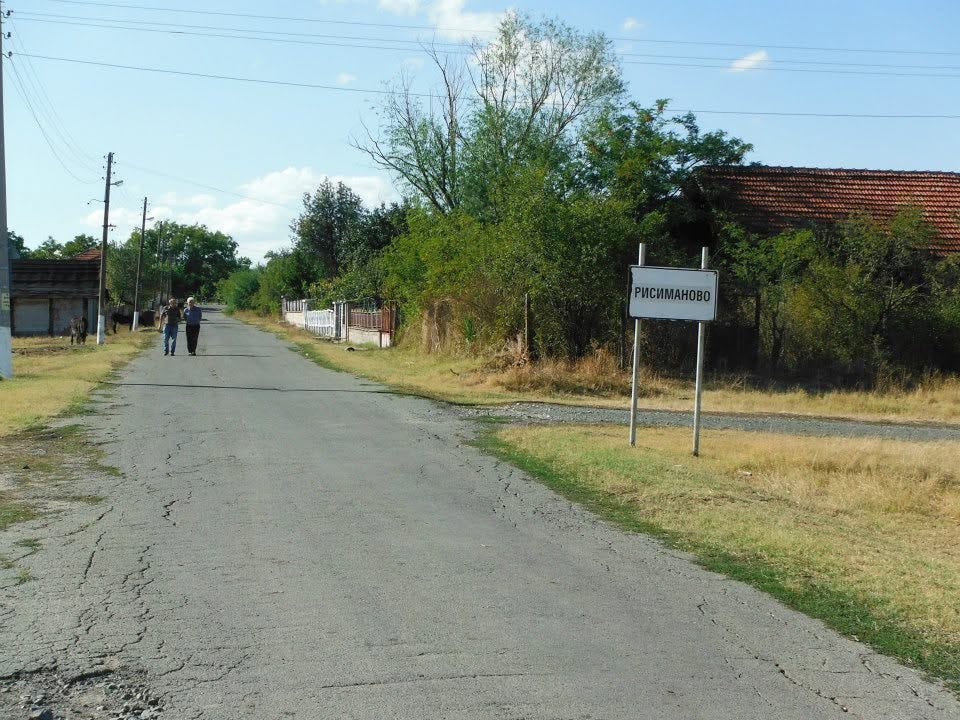
My auntie has always been a modest and understanding person… OK, not for the gypsies, who she despises with a passion, but she certainly made her peace with the circumstances resulting from her biological father’s escape. As she also said to me once, she doesn’t blame him for escaping. She knew that he knew beforehand what making such an escape will have on his own family – no-one does this lightly. To make such a daring move must have been prompted by something quite severe that had he not done it, most certainly he would have ended in a death camp like the ones in Belene or Lovech.
Now you’d think that the (unexpected) sudden fall of Communist Party rule in 1989 would have opened a wonderfully new chapter of hope and opportunity for my auntie. Well, that’s how it was all painted in the West at the time and since. Well, think again.
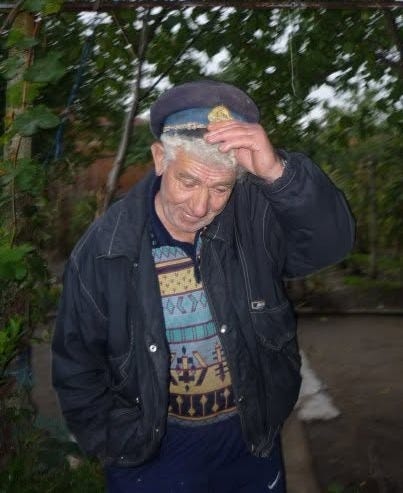
Life in the village continued with business as usual… until the railways were primed for privatisation. Her village was on a quiet feeder line that simply wasn’t profitable enough to entice potential private operators to keep running, and so it was closed down. Gone too then was her railway station she was single-handedly running, leaving her unemployed in her late 50s. That’s it – her working life had ended. From then on it was just tending to her crops and animals in their yard. Her husband also retired from his train conductor role, no longer fit enough to endure the weeks of travel required. But he never let go of his role. In his retirement, he’d still walk around the village and surrounding areas with his train conductor hat to talk to anyone and everyone, especially with the large number of Roma people in the area, whom he treated with utmost respect.
When looking through photo albums with my sister when I was a child, we’d chanced on this old black-and-white photo of a young blonde girl. Shocked, I asked our mother: “who’s this person that looks exactly like my sister?” That was of my auntie at age 14. When my sister finally got to meet our auntie, my sister was so shocked and the first thing she said was “this is how I’m going to look like when I’m older! Wow, I’m lucky!”
Back in the hospital ward, I discreetly handed the crisp envelope with the crisp US dollar notes to my auntie, who conveniently kept the envelope under her pillow and not in the bedside table lest it be stolen while she’s sleeping. Don’t ask me then what’s the protocol for handing that money over to the doctor – I left that to the professionals to handle.
In any case, Mission 2 had been accomplished! My work here is done. My cousin then told me that we had to go as she wanted to introduce me to someone.
My cousin had had a decade-long mission of her own. We had started corresponding with each other in the 1990s, and as cousins go, we get on very well. But it was apparent from that first letter my cousin had one intention in mind– to leave Bulgaria and live her true life in the West. My family would’ve wanted to help her to come to Australia, and she certainly would emphasise in her letters that she had funds and the independence not to be a burden on us, but she needed a sponsor before anything could happen. Unfortunately, Australia in the 1990s was no longer like the time when my grandfather could sponsor her mother. Australia at the time had a well-established, robust family reunion immigration program, one that certainly saved my grandmother, her children and her mother from political repression and destitution in 1950s Greece. By the 1990s this program had been tightened and only applied to immediate family members. Unless there were no other family, being a granddaughter, a cousin or niece was not close enough anymore, so we couldn’t help. But my cousin, like so many other ambitious Bulgarians at the time, was still determined to find a way out.
My cousin had a big announcement to make to me; one that would explain the “circumstances” why she couldn’t get to see me when I had first arrived in Sofia at the start of this odyssey. We went to a café in the centre of Sofia, where a guy was waiting for us. He was overweight, wearing somewhat flashy, albeit rip-off, brand name clothes for a Bulgarian man, smoking a cigarette, on his mobile phone, and with an air of arrogance and disinterest to him – in other words, a proper гъзар (gazar).
My cousin introduced me to him. His name is Toni. He barely acknowledges me and goes back to talking on his mobile. And so who’s this Toni, I ask my cousin.
- He’s my fiancé, my cousin replies.
Fiancé! This thing? Come on! My cousin can do way better than this peasant. There has to be more to this.
My cousin later revealed Toni certainly did have something worth going after – a US Green Card. Marrying Toni meant she’d be able to migrate to the land of opportunity, which she did soon after. Now would it be a surprise to you if I tell you that this marriage didn’t last too long, and everyone in the family had this unprompted code of silence never to ask about him or the circumstances of this tryst. Some things are best left untold – why worry us.
By this time, having been through a war zone, a village where I was the centre of attention, crazy driving with blind overtaking on steep cliffs, a string of luck on a journey across borders, and plenty more moments that could get me writing for another 10 instalments, I had enough. If a few weeks in the Balkans could get me wanting to escape, then who am I to judge my cousin or even my grandfather for that matter. The summer rain and no smoking in Canada were looking mighty fine by then.
Now I could write something profound, such as that I found something of myself. I certainly had an experience. It put into perspective the privilege I’ve had in my life. I can go in and out of these worlds and, apparently, still be normal. I’ve been told so.
By the way, my cousin Biljana and her family were able to return to their intact home after all hostilities in Macedonia came to climatic end in mid-August 2001, two weeks after I left, with the signing of the Ohrid Accords – a bad peace to prevent an even worse war. They lived in that house until this year. They’ve sold the place to move to an inner-city apartment in Skopje. Who needs such a house in the outskirts of Skopje, especially when both their children have now left Macedonia for good and now live their true lives in Germany. Macedonia may be at peace, but that alone doesn’t provide enough opportunities for the country’s youth, no matter what ethnicity.
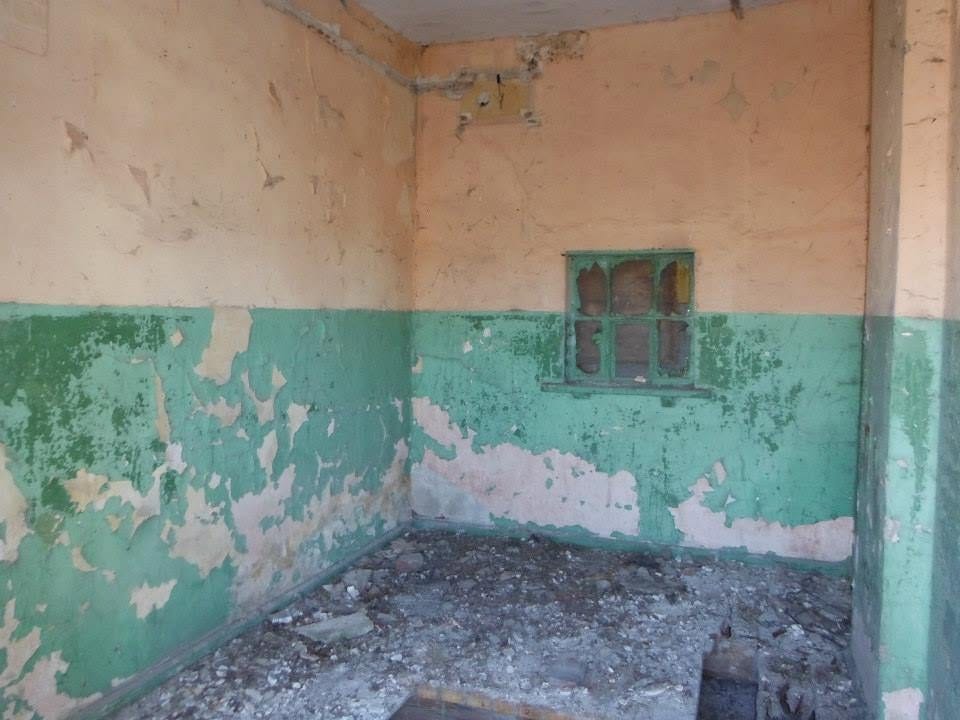
25 years later and my auntie is sprightly octogenarian who tends to her vegetables despite the ever devastating droughts from the intensifying summer heat. No surprises but she’s a huge fan of soap operas – The Bold and The Beautiful used to be her favourite, but now it’s the Turkish and Indian ones. Her husband unfortunately died of Covid during the pandemic, leaving the village without its jokester chef de tren. With the train long gone and no future in agriculture, the village has haemorrhaged people – there used to be 200 people there in 2001; now the official registered population is around 70, but all but 5 of them actually live in the village. The remaining five permanent residents are all widows, with my auntie being the youngest! They couldn’t bear living in anywhere else, not even with their adult children in the cities. They all look after each other, like sisters, otherwise they’re on their own.
Oh, and my auntie never got to meet her father, the man whose action to save himself from certain death came at such a huge price to him, his first wife, his children, their familes, his brothers and sisters and their families.
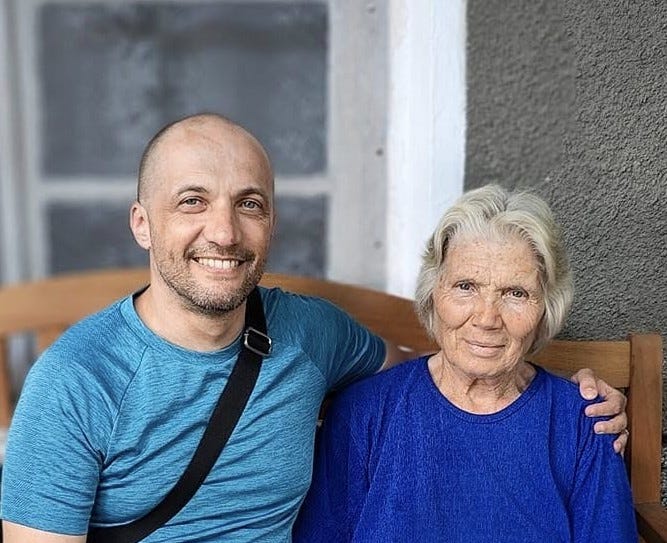
After I arrived back in Canada, I called my cousin to find out how’s her mother. All went well with my auntie’s operation – the tumour was finally removed and she was left with no more stomach pains. The bribe money did it, for which my auntie and cousin will be forever grateful. Of course, my auntie had been instructed post-op to rest and not do any heavy lifting or arduous tasks for a few weeks. But do you expect a Balkan villager to listen? My cousin told me as soon as they returned to the village, the first thing her mother did was move the heavy vats of sauerkraut and other pickled items she had into their basement, and clean the cupboards.
While on the phone, my cousin asked me what it was like to be in Canada again. I said it was fine. Not as exciting as it was on my odyssey. You can’t smoke everywhere and it’s constantly raining, even if it was August. She’ll find out soon enough when she starts her own odyssey in North America. Did I tell her that I was hassled by the customs officials upon my entry and told them about my odyssey? Nah! I didn’t want to tell her because I didn’t want to worry her.
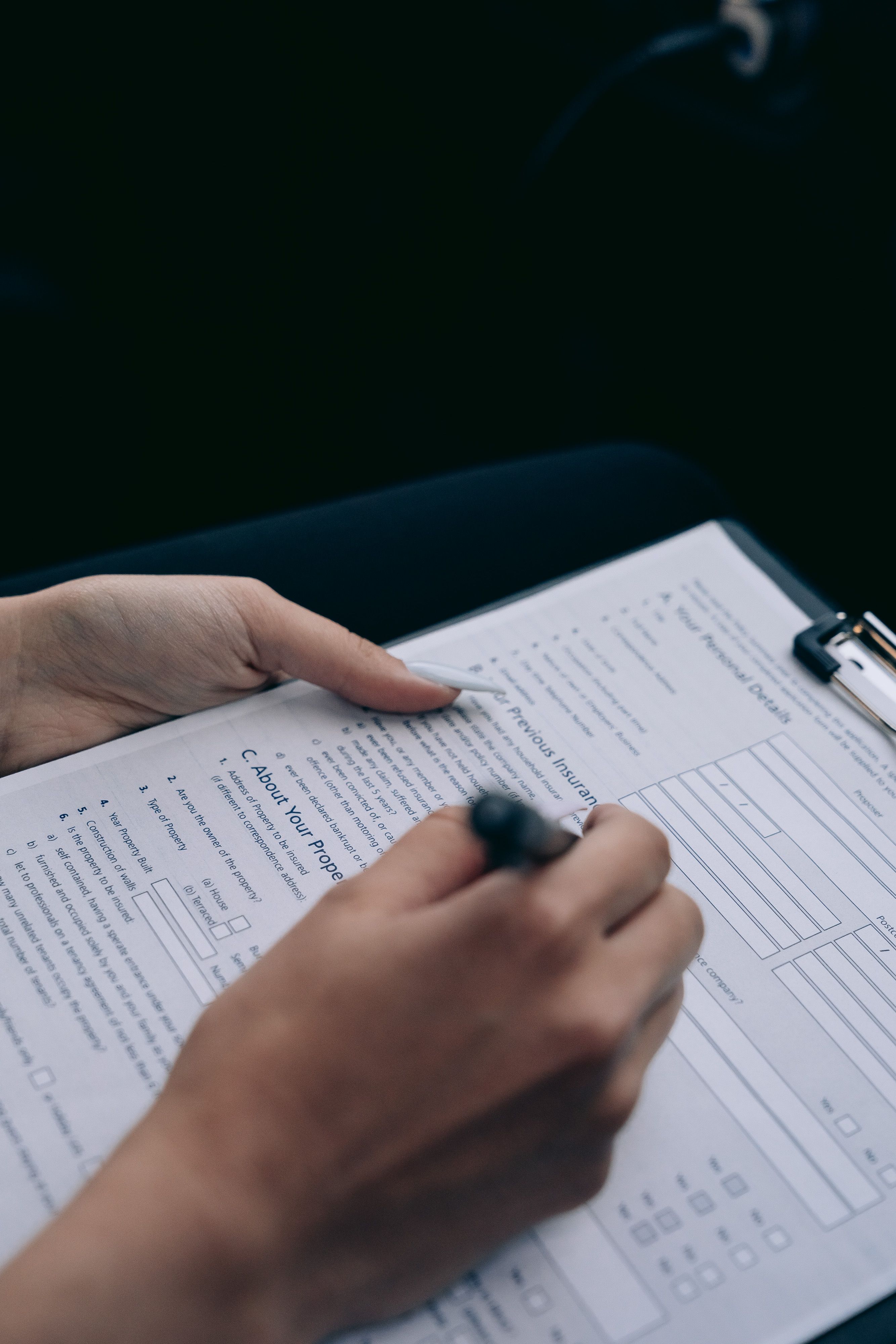
Photo right by Allef Vinicius on Unsplash







.jpg)















.jpg)







.jpg)











_logo.svg.webp)


_(52052470251)_(cropped).jpg)








.jpg)










_(8249451687).jpg)