Category:

Eurovision

South-east European culture

Balkan music

Why there's no turbo folk/chalga at Eurovision

Eurovision is all about high energy, disposable, insipid pop songs all based around the visuals. Pretty much the same as what most of the top selling turbo folk and chalga stars push. So it’d be a no-brainer that the countries of the Balkans would send this stuff to Eurovision… and yet they not only haven’t, they actively discourage it. For not want of trying for there have been many attempts over the decades to get turbo folk and chalga on the grand Eurovision stage, and all times they’ve failed.

But first, let’s just define what is turbo folk or chalga? I use here the colloquial definitions of what actually is a bundle of folk-based Balkan pop genres. “Turbo folk” itself was the name of a particularly type of electro-based pop-folk from Serbia, with a very distinct sound, that had its heyday in the mid-1990s. Chalga was the late 1990s Bulgarian off-shoot of this, mostly characterised by songs with humerous and/or overtly sexual lyrics (continuing the Balkan folk song tradition for this) and with a heavier Roma and Greek influence. These two genres were superseded in the early 2000s with what is pretty much the pop-folk of now, where the music, production levels and presentation often make it indistinguishable from western-style pop music. Gone are almost all live instruments; the only element surviving has been the singing style still based on local traditional folk techniques – it’s that ever slight trill. No turbo folk or chalga artist claims to be a purveyor of either music form; the genre in ex-Yugoslavia and Bulgaria is positively referred to as “pop-folk” or just “folk” (not to confused with the English definition of “folk music”, which in the Balkans is otherwise known as etno, i.e. “ethno” or folklorna i.e. “folkloric” music) or disparagingly as “turbo folk” (ex-Yugoslavia) or “chalga” (Bulgaria).

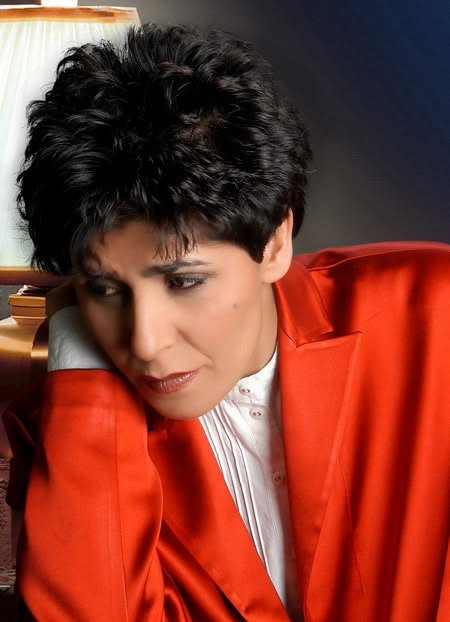
Nurken
, CC BY-SA 4.0, via Wikimedia Commons

So why hasn’t this music been sent to Eurovision?

Well, in western European countries, especially in the UK, Eurovision is considered a bit of a joke at most and even since the 1960s something to be ashamed of. But that fits when, to take the UK, its position in the world is fixed and prominent. For the countries of the Balkans, Eurovision has been serious business as this is one of the few opportunities where they can get to compete on a seemingly level playing field with the big western European countries. It’s also for some of the smaller the countries the only time in the year that most of Europe will even hear of them. So they have to put their best face forward so as to represent the national interest in the best possible light… and on terms they consider will garner them the most respect, or at least acknowledgement, from (civilised western) Europe.

Let’s face it: the Balkans are white but not white enough as they’ve deemed to be – how should I put it – “infected” by non-European, i.e. non-white, culture. Those aspects come from the cultural legacy of five centuries of Islamic rule, or even being Orthodox Christian with a non-Roman alphabet. Balkan countries too feel, or rather have been made to feel, that these elements are what have made them “lag behind” and therefore don’t meet the “high” cultural standards to be accepted on equal terms with central and western Europe. Turbo folk and chalga highly represent these “non-white” elements, therefore the public broadcasters have made it a priority to send entries that present their countries as the “European” societies they wish to be. The flip-side is that this attitude actually highlights the great insecurity in national identity these countries have – had they just accepted their true selves, ditched their shame and actually be proud of what they’re truly are, then we’d be seeing turbo folk and chalga at Eurovision.

And there is a precedence here. Greece and Turkey started sending entries to Eurovision in the 1970s. While there were times when they’d send songs that would be more in the style pertaining to widespread popular music tastes in their countries, an example being Turkish pop diva Ajda Pekkan’s 1980 entry Petr’oil (albeit with a more westernised arrangement), right into the 1990s both countries would regularly send entries that would fit the presupposed western sensibilities of the Eurovision. In a way, this was them showing the western European viewing public that “yes, we’re worthy of being here” and to contradict any oriental stereotypes this public would have of Greeks and Turks. But if we look at track record, sending these staid entries didn’t do well for either country, with mid-ing results at best. It wasn’t until well into the 1990s when Greece first and then Turkey later realised that sending their real music actually works. For instance, in the midst of government-propagated nationalist hysteria regarding the name of Macedonia in 1992, Greece sent Cleopatra (the singer, not the Egyptian queen) with this entry in the elafrolaika style featuring mainland Greek folk music motifs, including a Macedonian clarinet solo. The song came 5th, a unthinkably high placing for Greece at the time. Turkey managed to get its highest up-to-then position of 3rd when in 1997 it sent their previous year’s entrant Şebnem Paker (now with new nose) and the group Etnic with this very Turkish pop-folk number, and since fan-favourite classic, Dinle. The success of these two songs would prompt both countries to go for entries showcasing their local music, the culmination of which was wins for Turkey in 2003 and Greece in 2005. Self-confidence pays off!

But wait! Haven’t ex-Yugoslav countries and Bulgaria also sent entries that were based on local music and have done very well with them too? Well, yes. Serbia and Montenegro’s highly anticipated return to Eurovision in 2004 after 12 years of sanctions came with moody ethnic ballad Lane moje by Željko Joksimović. What was noteworthy in the lead-up to Eurovision was how vicious the Serbian media was in its hate for the song. There were constant implications that Joksimović plagiarised an Azerbaijani folk tune by Alihan Samedov – emphasising its “oriental” nature, belittling the title of the song by referring to it in English as “My Bamby” (lane in Serbian, while also a name of affection, literally is a “fawn”), and that his other, very western, hit at the time, Leđa o leđa (“Back to Back”) would be a far more worthy entry for Eurovision. All that, however, was conveniently forgotten when Lane moje almost won the competition by coming second. The song even heralded the thaw in post-war inter-Yugoslav public relations when, unexpectedly, the Croatian televote gave the song its top 12 points. The success of the song, which went on to become a regional hit and spawned versions in many other languages (even a Dagestani version that I can’t find anymore), set the trend for the “bombastic Balkan ballad” to become the go-to template for many consequent Serbian and other ex-Yugslav Eurovision entries, many penned by Joksimović, whether it be Bosnia 2006, Serbia 2008, Montenegro 2015 and even recently with Serbia’s 2025 entry.

Croatia even tried their hand at it in 2005 with rock star Boris Novkovic’s Vukovi umiru sami, and then with regional megastar Severina the following year with her controversial number Moja štikla, penned by Goran Bregović (his father was Croat, and he was the frontman of Yugoslavia’s most popular and biggest rock band, so that makes him “acceptable”). Severina was accused with this entry of “promoting Serbian turbo folk”, something that she did flirt with in her later albums, especially her highly successful 2012 release Dobrodošao u klub. Severina’s song was much criticised in her country as its Dinaric folk elements (shared with ethnic Serbs) were considered too “oriental” to represent “central European” and “civilised” Croatia. Baby Lasagna scored independent Croatia’s highest ever Eurovision ranking of 2nd in 2024 with this number that drew from the folk traditions of his native region of Istria, located in Croatia’s far west and never under Ottoman rule, therefore “permissable”. Croatia’s 2026 entry though has sparked controversy due to its “celebration of women defending their Christian identity”, harking to local Balkan folklore emphasising the commonly held belief in the region that five centuries of Ottoman rule was “slavery”.

After Bulgaria had sent two rather weak pop numbers in its first two years at Eurovision (the 2006 entry even had Azis in backing vocals), both failing to qualify for the Saturday night grand final, the Bulgarian public went for a different tact and sent Stoyan Yankulov and Elitza Todorova with the song Voda (Water). The performance is heavy with both performers on highly visual and energetic percussion, and Todorova singing in the Bulgarian “throat” music style (rather poorly, in my opinion). The song was Bulgaria’s first ever qualification for the Eurovision grand final and finished an impressive fifth place. That same success, however, was not repeated when they were eventually selected in 2013, where their song Samo shampioni failed to qualify for the final.

Macedonia’s entries have often featured the aksak (Turkish for “stumbling”), the 7/8 time signature most characteristic of Macedonian folk music but very foreign to western ears. Examples include the late Toshe Proeski in 2004 and Karolina Gocheva in 2007, who had gone from popstar dating one of Serb warlord Arkan’s sons to the respected etno artist she is now. Toshe Proeski’s 2004 song started off as Angel si ti, which when first presented to the Macedonian public as an option for the country’s Eurovision entry that year featured a solo with a kaval (a traditional shepherd’s flute found throughout the former Ottoman Empire), drumming with a tapan and a musical arrangement more reminiscent of turbo folk styles of the time. By the time the tune had arrived to the Eurovision stage with English lyrics, the “oriental” arrangement of the song had been toned down and the kaval replaced with a more “European” violin.

Serbia and Montenegro’s 2005 entry, featuring a quickly assembled boy band from Montenegro called No Name made up of sons of people close to then highly corrupt Montenegrin prime minister Milo Djukanović, also was in an aksak time signature. The performance itself featured archetypal Montenegrin folk dancing in an overt display of Montenegrin identity fitting with the growing calls for independence at the time, a topic that would be the defining point come the following year when tensions between Serbia and Montenegro came to the fore when picking its (ill-fated) 2006 entry.

Doubling down on what are society’s norms regarding turbo folk are the lyrics to Macedonia’s 2006 entry Ninanajna, where singer Elena Risteska laments how her boyfriend, who supposedly introduced her to “good” music (the song states “R&B and hip-hop” fall under this category) is now fully into turbo folk, so he’s “no longer the guy for her”. The lyrics also spell out that this “good turn bad” boyfriend has replaced Eminem with Planeta (a Bulgarian chalga TV station very popular in Macedonia at the time) and banned her from listening to Shakira (what, this song?) and Madonna. Make of that what you will. The irony of the song, and that doesn’t seem to dawn even on its composers or the song’s fans, is that the music to it, and using the well-used ditty “ninanajna” or variants of it, which can be found in songs from the Balkans across the former Ottoman Empire and even into Russia, are precisely these “bad” turbo folk elements that actually give the song any colour or saving graces. You can file this song under the title of “I don’t like turbo folk because that’s what the peasants listen to but this is fine because even though it sounds like turbo folk, it criticises it so that makes it not turbo folk, and so I can enjoy it”. That’s the logic gymnastics involved. Interestingly, the song ended up being extremely popular in Armenia… because of the turbo folk elements. Oh the irony!
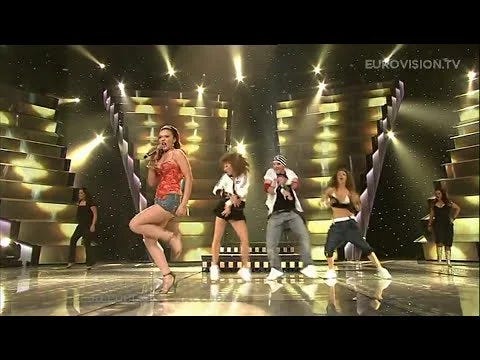
Fighting turbo folk with turbo folk. Elena Risteska and dancers at Eurovision 2006

OK, so there has been one time when a “turbo folk” singer has been at Eurovision. That was with Serbia’s 2010 entry Ovo je Balkan. OK, the scare marks are here because the performer of this song, Milan Stanković, who going by singing, music and especially his K-pop-ish image, is firmly pop, but only gets placed in the turbo folk bracket as he first gained his fame by appearing and coming fourth on ex-Yugoslavia’s biggest singing audition show Zvezde Granda, a platform mainly for discovering new turbo folk singers. Stanković subsequently had his first album released by Belgrade-based Grand Production, the biggest turbo folk label in ex-Yugoslavia. Like with Severina’s Moja štikla, Goran Bregović was the composer of Ovo je Balkan, and given that Bregović was a rock star, none of his music is allowed to be labelled as “turbo folk” even though you’d be none the wiser.

So it’s taken all this way to flesh out how Balkan musical elements have made it to the grand Eurovision stage. However, it might not seem it from afar but Balkan pop-folk performers with overtly pop-folk songs have attempted to get that ticket to Eurovision… just that often they’ve had officialdom thwart their chances. So here are some cases over the years where this has happened…

Yugoslavia 1983: Lepa Brena with Sitnije Cile Sitnije

Lepa Brena and her band Slatki Greh were an overnight sensation in Yugoslavia in 1982 when they first were featured, initially as a joke, on the popular Minimax Show. Their intoxicating mix of pop, disco and rock elements to Yugoslav neo-folk music, spiced with humerous lyrics and Lepa Brena’s provocative attire, were just what the Yugoslav public wanted and needed, but many in the establishment were horrified by this “low-grade” music. When RTV Belgrade unexpectedly selected Lepa Brena and her band to be one of its two representatives at the Jugovizija competition to select Yugoslavia’s Eurovision entry in 1983, many believed she and the band had it in the bag with this signature tune, even if their pop-folk music was the antithesis of Jugovizija. However, seemingly from nowhere, Montenegrin representative Daniel Popović won a landslide of the juries’ votes with the song Džuli (Julie), which many (rightfully) dismissed as a Shakin’ Stevens rip-off. Lepa Brena came a lowly 7th. To this day, many in ex-Yugoslavia firmly believe that the results were rigged against Lepa Brena to ensure that Yugoslavia not be represented to a European audience by someone of “such low class”. Džuli went on to come fourth at that year’s Eurovision, at the time equalling Yugoslavia’s best ever previous result at the contest, and the English version of song was hugely successful throughout Europe. Daniel Popović ended up being a one-hit wonder, while Lepa Brena went on to become the biggest and most iconic star in Yugoslavia and throughout the Balkans; Sitnije Cile Sitnije has become a classic hit and one of her signature tunes. However, even her megastar status couldn’t guarantee a later spot to represent her beloved Yugoslavia at Eurovision – in 1986 she tried again at Jugovizija with Miki Mićo but came a scandalous 10th out of a field of 16.

Serbia and Montenegro 2004: Jelena Karleuša with Moli Me

After 12 years of sanctions wilderness, Serbia and Montenegro (as what rump Yugoslavia had been renamed to) was back at Eurovision. The year before, a brand new pop song contest was started to become the vehicle to select the federation’s entry – Beovizija. When the list of entrants was revealed, many were shocked (just like with Lepa Brena in 1983) that turbo folk blonde bombshell Jelena Karleuša was in the field of prominent Serbian and Montengrin pop and rock stars. Karleuša was, and firmly remains, a hugely controversial and outspoken figure not just in her native Serbia but all throughout ex-Yugoslavia. Her appearance at Beovizija was to signify her pivot away from turbo folk towards pop. No one except her anticipated that she would win Beovizija (she came 8th out of 25 in the end) but because of her undeniably spectacular stage shows and bold presentation, she has been touted, often self-promotingly, almost annually as a frontrunner to be Serbia’s next Eurovision entrant. It’s to the point that she openly taunts the Serbian public by saying she’s the only chance the country has of ever winning Eurovision again, given her fame and notoriety outside of the Balkans – a point solidified when she became the first and only Balkan star to be imitated on RuPaul’s Drag Race.

Bulgaria 2005: Sofi Marinova and Slavi Trifonov with Edinstveni

Bulgarians treated their country’s first apperance at Eurovision as a sign of acceptance into the civilised family of Europe. Many of Bulgaria’s top performers at the time relished the opportunity of performing at Eurovision and present themselves to a wider European and world audience. So when Bulgaria’s biggest celebrity, Slavi Trifonov, a comedian, late-night show presenter and chalga/rock singer, most famous for his song Red Ferrari and the only Bulgarian to have filled the O2 Arena in London, teamed up with chalga superstar Sofi Marinova for a power ballad duet called Edinstveni, then it was practically settled in the mind of the Bulgarian public that they’ll be off to Eurovision. However, would Bulgaria “risk” having two chalga singers, one of whom is Roma, represent the country like this at an event as “prestigious” as Eurovision? Well… when it came to voting out of the three final songs in Bulgaria’s national final, Edinstveni gained 28,000 votes, but virtually unknown band Kaffe with the song Lorraine captured an unprecedented 76,000 votes (53% of the total vote) to become Bulgaria’s first ever Eurovision entry. Booing was heard from the audience when Kaffe was announced as the winner. Slavi Trifonov later claimed Lorraine received only 3,000 votes before the final, however, the number increased drastically by 60,000 at the last moment thanks to vote rigging spurred more out of racism towards Sofi Marinova. Bulgaria’s first Eurovision entry eventually failed to qualify for the Eurovision grand final that year.

Sofi Marinova was later picked to represent Bulgaria at Eurovision 2012 with Love Unlimited, a dance number in the style most associated with Romanian pop divas Inna and Alexandra Stan and at the tail-end of that style’s popularity. However, Sofi alone on the huge stage lacked the visual impact Eurovision dance numbers need to succeed, and coming joint 10th place in her semi-final saw her edged out from going to the grand final on a technicality.

Macedonia 2006: Adrian Gaxha and Esma Redžepova with Ljubov e…
and Macedonia 2013: Lozano and Esma Redžepova with Imperija

Esma was hands-down the queen of Roma song, universally adored and a national treasure of Macedonia and Yugoslavia. However, when it came to Esma’s attempts at Eurovision, there’s always been controversy, and both times it had partly to do with treating her as an equal. When she first tried to represent Macedonia in 2006, she paired with Adrian Gaxha, the hottest Albanian pop star in Macedonia at the time (he’d release all his songs in both Albanian and Macedonian). Their song Ljubav e (“Love is…”) is very representative of the sound of mid-2000s Albanian-language pop (though composed by ethnic Macedonian pop producers). However, there was much unease with the ethnic Macedonian public of having people who are not ethnic Macedonians represent Macedonia at Eurovision, let alone having Esma on an equal footing with a pop singer. That the duet, the favourites by far leading into the competition, was pipped out by Elena Risteska’s anti-turbo folk turbo folk song (mentioned above) by a matter of a few televotes, led to suspicions that the vote had been fixed. Following the incident, Gaxha stopped releasing songs in Macedonian and solely focused on the Albanian-language market.

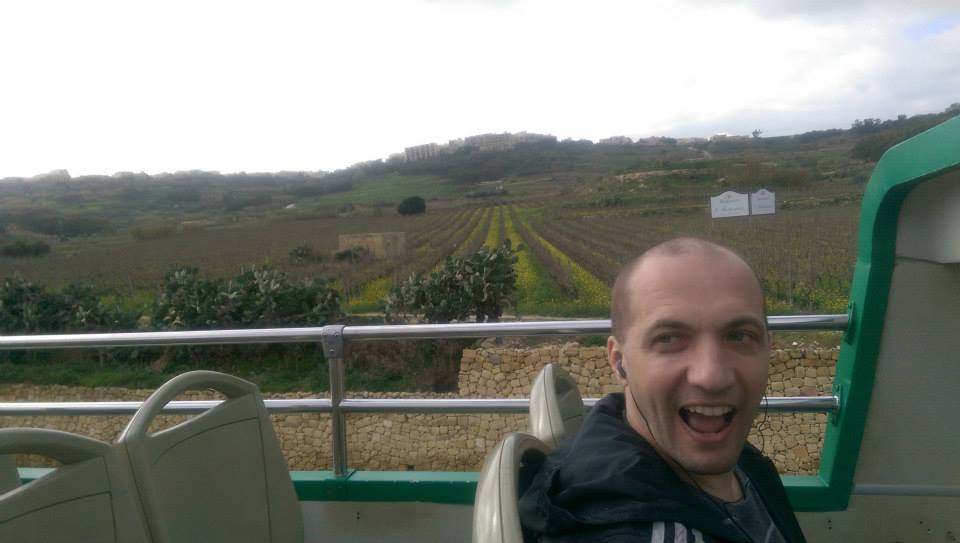
The controversy continued in 2013 when after it was revealed Esma will be teaming with Lozano, one of Macedonia’s most popular pop vocalists, as that year’s Macedonian Eurovision entrants, Macedonia social media went into a tailspin on hearing that Roma musician Simeon Atanasov, one of Esma’s 47 adopted sons and the person behind all of Esma’s modern pop-folk numbers, will be composing the song. When the song did come out, the turbo folk-esque Imperija (Empire) had Esma on an equal footing with Lozano, and the video clip heavily showcased the controversial Skopje 2014 renovation project that took Ancient Macedonia as its main aesthetic cue. Despite the overwhelmingly positive response from international Eurovision fans, the response to the song amongst many Macedonians was extremely negative, though this was more driven from the chattering classes using criticism of the song to vent rage at the then Gruevski government (which Esma vocally supported). Still, the level of blatant anti-Roma sentiment expressed from people who otherwise see themselves as “European-oriented urban sophisticates” was particularly high – in a case of all’s fair in love and war. A new, more “appropriate” replacement song, Pred da se razdeni, this time composed by pop producers, was quickly commissioned – a pale copy of Esma’s 2002 duet Magija with Toshe Proeski (mentioned above). Like in Magija, the new song saw Esma relegated to a supporting role providing what’s best described as “orientalist colour”. As predicted, not even getting Lozano in contact lenses could save this song from being relegated, so yet again no Macedonia at the Eurovision grand final. By the way, if you go to the 3:15 mark in the clip below and see the guy with glasses frantically waving a Macedonian flag – that’s me!

Bulgaria 2009: Gergana Dimova with Yasno Sluntse

There was huge interest from the Bulgarian public when this song first appeared in the semi-finals to choose Bulgaria’s 2009 Eurovision entry. Done in the 9/8 karshilama beat, and very reminiscent of Slavka Kalcheva’s 2000 neo-folk hit, the now standard Byala roza (“White Rose”), this song however stood very little chance of making it to Eurovision. And that was the case – even though the song clearly won its quarter final, it failed to make it past the semis. It still went on to become a huge hit for Gergana Dimova. The same can’t be said of Bulgaria’s eventual 2009 Eurovision entrant, Krassimir Avramov, who failed to make it to Eurovision Grand Final with his falsetto and has since disappeared from the public spotlight. And in what has become the usual, following the Bulgarian national final several Bulgarian musicians openly issued letters demanding Avramov withdraw from the Eurovision Song Contest, criticising his performing abilities and and questioning the legitimacy of the voting.

Serbia 2022: Sara Jo with Muškarčina

Sara Jo is a Serbian R’n’B and pop singer who first came to prominence in 2012 by coming third in the second and final season of singing audition show Prvi Glas Srbije (The Number One Voice of Serbia). She along with the other two finalists from that season represented Serbia at Eurovision 2013. After a string of successful hits, Sara Jo then faded into the background, but her 2022 appearance at Pesma za Evroviziju (Song for Eurovision – PZE), the contest that picks Serbia’s Eurovision entry, was to herald her comeback. So what does this have to do with turbo folk? Well, the composer of this song is Slobodan Veljković, otherwise known as Coby – one of the leading figures of the 2010s Balkan Reggaeton genre, otherwise known as Balkanton or Turboton, which combined Reggaeton with Balkan pop-folk and turbo folk. What was curious with Sara Jo’s number was the use of the karshilama beat (just like in Gergana Dimova’s song above), a time signature associated exclusively with pop-folk music and one that had somewhat fallen out of fashion in Serbia. Even though Sara Jo was tipped to win the ticket for Eurovision easily, she came second to Konstrakta, a conceptual art-pop act, with their lead appearing on stage washing her hands. Konstrakta’s win even took the act by surprise having entered the competition as a joke, though the large televote for the song has been largely attributed as a form of protest against the government-run Serbian national broadcaster RTS and, ultimately, the government of Serbian president Aleksandar Vučić.

Serbia 2024: Breskvica with Gnezdo orlovo

Listening and watching this brazen Kosovo-tinged pop-folk number much to the liking of Serbian nationalists and traditionalists, it’s shocking to think that a mere five years before Breskvica was Serbia’s foremost bedroom musician and the leading vocalist in Belgrade’s ultra-cool “Balkan trep” scene. This song formalised Breskvica’s transition to pop-folk, following which she’s since progressed further into pure neo-Folk. Gone was the cool urban girl and in came Serbian nationalist soundbites no different from what Serbia’s president Aleksandar Vučić would say. Given the song’s propaganda value aligning it firmly with the Serbian government’s line on Kosovo, and the massive public support Breskvica and her song had (it won the televote by far), it was a complete shock when the PZE jury members, including 2007 Eurovision winner and long-time Vučić loyalist Marija Šerifović, tanked this song into second place by voting more in favour for the eventual winner Ramonda by Teya Dora.

Montenegro 2025: Boban Rajović with Suze

Danish-born, Belgrade-based pop-folk star Boban Rajović announced that he was on the ticket to represent his ancestral country Montenegro at its national final for Eurovision 2025. However, quickly after Rajović withdrew from the competition on “personal grounds”, prompting showbiz gossip to spread that it was made clear to Rajović he had no hope of coming close to winning the spot.

Serbia 2025: Maja Nikolić with Žali srce moje

The Serbian personification of delulu, skandalmajstor Maja Nikolić is always guaranteed to bring an unimaginable new level of crazy to any proceedings. This does take away from the fact that Nikolić has had a great career with some fabulous “pop” hits. OK, there are those scare marks again. That’s because Maja Nikolić makes it quite clear how much she HATES turbo folk, but listen to many of her songs and you’ll be scratching your head as to what world is she living on as most of her material can be classed as such. Case in point, her attempt for Serbia’s 2025 Eurovision entry. Musically similar to Breskvica’s song the year before, the whole of Serbia was expecting Nikolić to ignite a one-person civil war when this number failed to even make it into the PZE final.

Croatia 2026: Zevin with My Mind

This was very much a fan favourite in the lead-up to Dora, the song contest that selects Croatia’s Eurovision entry, and showed much promise. However, the ropey vocals in its live performance certainly sealed the already doomed fate for this number — the pure 1990s turbo folk nature of the (Serbian) brass band interlude at the 1:50 mark was more than enough for the prim and proper Croatian public to rule out any chances for this number.

So what counts as “intelligent music” in the Balkans? Well, check out Bulgaria’s 2022 Eurovision entry…

This one also failed to make it to the final, coming second-to-last in its semi-final. Bulgaria was so annoyed by this that it opted out of Eurovision until it was lured back this year. Perhaps Europe was just not “intelligent” enough.

All I can say is the societies of these countries need to grow up and take pride in what music they produce. We have to let go of classist prejudices and outdated views of what’s considered “appropriate”. We should be honest with ourselves and take ownership of it. There’s no point in waiting for western societies, which have their own faults to deal with, to say that the Balkans are OK – that has yet to happen using the Balkans’ existing try-hard approach, so why should we expect that to change. If we of the Balkans want the world to accept us, we have to learn to accept ourselves first.

Should you decide to watch Eurovision this year (there are plenty of reasons not to), then I hope you have an enjoyable evening.

Share this post

Nick Nasev smiling

Hi, zdravo, bok, zdravei, g'day! I’m Nick Nasev, an Aussie of Balkan background living in the UK. I’ve been a translator and editor for 20+ years. If you have an interest in languages and all things Balkan, Eastern European, Australian and beyond, along with a dash of corny and irony, then stick with me as I rant about my experiences and stories.

Your text deserves to be taken seriously; have it translated and edited with confidence.

info@nicknasev.com

Contact me with the details of your text at info@nicknasev.com

Continue reading

2001: A Balkan Odyssey. Part 3 "Where's Biljana"

It's time to find Biljana. But before that, why does it seem that everyone in Macedonia knows each other? And why war-lead ethnic unity is addictive as Macedonia's opium.

Read more

If they don’t understand, they’ll just ask

But will they? Why having public-facing text optimised from the onset is better than expecting members of the public will simply ask if they don't understand something.

Read more

RIP Džansever

Džansever Dalipova, star of Macedonian Roma and Turkish Arabesque music, has died aged 59.

Read more

Australian English: receival

Yes, it's a word. How this old-fashioned and seemingly pompous English word is, surprisingly, still very much alive and in use in Australia.

Read more

Vibeάρω!

A bit of fun in the sun with one of this year’s viral summer songs in Greece – Vibeάρω (I Vibe)

Read more

2001: A Balkan Odyssey. Part 2 "You're the attraction"

It's all about the border! Distracted as an attraction in a village with water restrictions in Bulgaria, how I broke down barriers without resorting to the suggestion of wearing a bear costume.

Read more

Wartime witch hunts

How binary discourses in war societies where everything is black and white creates the environment to brutally attack anyone who questions this

Read more

Australian English: rort

Are you rorting the system? Do you find your job a bit of a rort? Or are you up for a rort this weekend? What the Australian term "rort" means and where did it come from.

Read more

Честит Илинден!

По повод 2 август, Илинден

Read more

Australian English: football, soccer... and root

A guide to Australia's sporting vocabulary—from football codes to the very naughty meaning of "rooting" for your team.

Read more

2001: A Balkan Odyssey. Part 1 "I didn’t tell you because I didn’t want to worry you"

Part 1 of my most Balkan trip ever, in 2001. With two extraordinary missions to complete, hurdles along the way ushered me instead into a unique Balkan experience. This is my story...

Read more

Australian English: spruik

Time for me to spruik the very uniquely Australian term spruik. What does it mean and where did it come from?

Read more

Anchor clients and the power of reminders

What are anchor clients and how I was able to regain one thanks to sound advice on using reminders

Read more

Watch my talk on Balkan multilingualism

My talk about Balkan multilingualism can be seen now!

Read more

Hotel, bridge, landmark: Novi Pazar’s Hotel Vrbak is 50!

The hotel that’s a casbah and a bridge in more ways than one, as well as one of the finest examples of socialist Yugoslav orientalist architecture. A look into the hotel, its city and region.

Read more

Olivera Katarina (1940–2026)

The only woman the great Salvador Dalí knelt for. The glory, mystique and controversy surrounding this celebrated Yugoslav and Serbian actress and singer.

Read more

What's the obvious sign of a lazy translation from English into any other language?

Translation is supposed to convey info from one language to another, but if you just use the words only tweaked from the source language, then you're doing a disservice.

Read more

I found the actual Ken Lee!!!

This has had me laughing all day. If you know, you know!

Read more

1990 – my most favourite World Cup, and how I lost love for Yugoslavia

How the 1990 World Cup was my most favourite one ever... but also the last straw for me with my relation the slowly combusting Yugoslavia

Read more

How Bulgaria soared and sunk at the World Cup in the 1990s

The World Cup grand finale is on this weekend. Let's remember how Bulgaria did well in 1994 but failed in 1998. And what happened to 1994 star Lechkov?

Read more

Australian English: receival

Yes, it's a word. How this old-fashioned and seemingly pompous English word is, surprisingly, still very much alive and in use in Australia.

Read more

Australian English: rort

Are you rorting the system? Do you find your job a bit of a rort? Or are you up for a rort this weekend? What the Australian term "rort" means and where did it come from.

Read more

Australian English: football, soccer... and root

A guide to Australia's sporting vocabulary—from football codes to the very naughty meaning of "rooting" for your team.

Read more

Australian English: spruik

Time for me to spruik the very uniquely Australian term spruik. What does it mean and where did it come from?

Read more

Dishlicker, check-out chick, doover? The yeah nahs and nah yeahs of the Oxford Dictionary's new Australian English additions

Wotz hot and wotz not?! Your resident Australian English localiser goes through the Oxford English Dictionary's latest Aussie slang additions and gives a propa Aussie verdict.

Read more

Australian English: EOFY

This initialism represents one of the most important dates on Australia's financial calendar. What does it mean and what you should know about it?

Read more

Australian English: dreaming and dream

How “dream” and "dreaming" in Australia came to describe the sacred, the suburban, the satirical and the simply delusional, and what this says about the country that uses these words these ways.

Read more

Australian English: going troppo and mango madness

It's hot and everyone's a bit heat-affected... well, we Aussies have the perfect sayings to describe this craziness!

Read more

Australian English: going troppo

The heat and humidity can do weird things to people, so that's why Aussies have this saying to explain it all...

Read more

Do Australians understand US English?

Many clients try to pass off their US English texts and copy for Australia. While most Aussies will get it, there's a large section of the Australian public that won't. Who are these people?

Read more

Australian English: BOM

Australia's weather bureau thought it had a branding problem with its explosive acronym. How solving it bombed when Aussies had their say about it.

Read more

What is one of Australia's iconic sounds?

No, it's nothing to do with an animal call. It's a sound that international music stars have even sampled...

Read more

Australian English: '-or' vs '-our'

"But '-or' spellings are American?" has said many an Aussie. But are they really? Not exactly. Find out how and where there are exceptions to the rule in Australian English.

Read more

Why Australian media give warnings of deceased Indigenous people?

The recent case of Kumajayi Little Baby shows how Australian media handle indigenous mourning protocols. Here are the details and background to them.

Read more

Australian English: Anzac Day

Parades, dawn services, two-up, biscuits... What you need to know about Australia (and New Zealand's) veteran's day. Plus, why the day is more important to some Aussies than others.

Read more

Australian English: Easter and shops

What's open and what's not this Easter in Australia...Time to give a real-life example of Australian English.

Read more

Australian English: pokies

Found in most pubs, clubs and casinos throughout Australia, the pokies are an important feature of Australian social culture. But what are they? Find out here...

Read more

You fetta believe it! Australian feta, parmesan and prosecco remain.

Feta or white cheese? Prosecco or sparkling wine? How will the new EU-Australia free-trade agreement (not) affect the terms Aussies use for certain products

Read more

Australian English: farewell and vale

No, I'm not leaving here. Linguistically, Australians actually have unique ways of bidding farewell to someone who's going for a long time... or forever.

Read more

Australian English: to farewell

Yet another unexpected Australian-ism I and an internet superstar recently discovered...

Read more

Australian English: demo

Aussies love shortening words and ending cutesy endings to them. But what happens when the same shortened word could mean multiple things?

Read more

Australians laughing at ChatGPT's US English default when Aussies use it

If Australia's answer to the Onion is making fun of how AI uses US English as a default, then that means Aussies notice when you're using it in your text and copy. But there's a solution to this...

Read more

When coins matter: stotinki and sixpence for Christmas

Big issue of the day – what coin do you use for your lucky-coin Christmas tradition? It matters to many in the Balkans AND Australia

Read more

Australian English: thongs

Aussies love wearing thongs outdoors. But does "thongs" mean the same in Australia as it does in other countries? Find out here...

Read more

Australian English: abroad vs overseas

There are a number of seemingly ordinary English words that can get Aussies thinking 'that's not right'. Here's the case with one...?

Read more

Chinwag Tuesday podcast with Amanda Boyne

Want to hear how I speak in Australian English with another Australian English specialist? Here's your chance

Read more

Australian English: tap, tag or touch?

How do you describe using a payment card to use public transport in Australia? It depends where in Australia you are...

Read more

Australian English: maths or math

Want to get Aussies angry? Ask this mathematical question...

Read more

Do I translate into Australian?

Many people are shocked when they find out I'm a translator, but their jaws drop even more when I tell them that I also 'translate' into Australian English.

Read more

Australia Day memories

Some memories of mine of 26 January, Australia Day

Read more

Australia Day/Invasion Day: the Lamb Ad!

Would you believe that one of the most anticipated events in the lead-up to Australia's national day on 26 January is... an ad about eating lamb! More about the vibe here...

Read more

Australia and New Zealand do seasons a little differently...

Why wishing your clients, friends and relatives in Australia a happy start to summer on December 21st is not the way to do it...

Read more

Australian English: peanut butter or peanut paste?

Tread carefully! The extraordinary story of this salty Australian regionalism and how it can ignite passions worthy of a civil war.

Read more

What's the name of this famous Australian natural landmark?

One of Australia's most visited tourist sites has two official names, but Aussies almost exclusively use one of them. Do you know which one?

Read more

Australia and trick-or-treating... a minefield

If there's anything that can get some Aussies hot under the collar, it's this...

Read more

Australian English: is it email and/or e-mail?

Welcome to confusion with "email" in Australia. It's generational...

Read more

Australian (Olympics) English: battered sav, hello boys, crazy date, flat bags, goose...

How a comedy routine during the 2000 Sydney Olympics provided Australia with its own, very naughty, gymnastics lexicon!

Read more

Why are Aussies so good at swimming?

To get away from the sharks! Nah, it's more than that.

Read more

The [enter place name] Olympics are going to be a disaster...

Or perhaps not. It wouldn't be an Olympics if there wasn't impending doom. But how has it actually turned out?

Read more

Who's gonna win: Sunderland or Newcastle? Fancy a Democracy Sausage? Or take a ride on the "Bulgarian Train"

Vote-count competitions between rival cities? How a mundane sausage in generic white bread is the epitome of mass democratic participation in Australia. And why a Bulgarian train is not a train. The weird world of election traditions.

Read more

Pets on public transport: yes or no? 👍👎

Australians adore pets... but not on public transport. How come?

Read more

Accadacca at 50!

One of the world's biggest ever rock bands has turned 50!

Read more

Australian English: "We're de factos!"

Many Australians are in "de facto relationships". What are these and how do they differ from marriage?

Read more

Poor Gina...

The lady doth protest too much, methinks. Australia's richest woman, mining magnate Gina Rinehart got more than what she bargained for when she wanted a portrait of her taken down. And how does wine figure into this too?

Read more

ABBA can thank Australia for the music!

50 years after ABBA won the Eurovision Song Content, it was Australia that set the tone for ABBA's fortunes over the decades. This is their Australian story.

Read more

Australian etiquette: the Outback Driving Wave

It’s all about being friendly when driving out in “woop woop” (the middle of nowhere) in Australia. A definite must-do!

Read more

Homonyms maketh the sentence…

How do you say in Bosnian, Croatian, Montenegrin or Serbian this: “Up there, the mountains burn worse”?👉 Gore gore gore gore.

Read more

So what are Fantales?

They are chocolate-covered chewy caramels 🍬 that were often so hard to bite into that they kept many dentists in business 🦷. Nothing particularly unique so far, you might think.

Read more

Happy 50th anniversary to the Adelaide Festival Centre!

🎉 50 years ago today, the Adelaide Festival Centre, the premier performing and visual arts venue and precinct in Adelaide, Australia, opened. The centre to this day remains one of the symbols of Adelaide. 🇦🇺

Read more

Australian English: "You can find the Doonas in Manchester”

Now this might sound a bit random but this is something you’ll hear all the time, in all places, in department stores in Australia. How come?

Read more

The time when George Bush Senior figuratively told the Aussies where to go…

Have you unwittingly done a hand gesture that meant something completely different in another country? Here’s a true story…

Read more

Australian English: receival

Yes, it's a word. How this old-fashioned and seemingly pompous English word is, surprisingly, still very much alive and in use in Australia.

Read more

Australian English: rort

Are you rorting the system? Do you find your job a bit of a rort? Or are you up for a rort this weekend? What the Australian term "rort" means and where did it come from.

Read more

Australian English: football, soccer... and root

A guide to Australia's sporting vocabulary—from football codes to the very naughty meaning of "rooting" for your team.

Read more

Australian English: spruik

Time for me to spruik the very uniquely Australian term spruik. What does it mean and where did it come from?

Read more

Dishlicker, check-out chick, doover? The yeah nahs and nah yeahs of the Oxford Dictionary's new Australian English additions

Wotz hot and wotz not?! Your resident Australian English localiser goes through the Oxford English Dictionary's latest Aussie slang additions and gives a propa Aussie verdict.

Read more

Australian English: EOFY

This initialism represents one of the most important dates on Australia's financial calendar. What does it mean and what you should know about it?

Read more

Australian English: dreaming and dream

How “dream” and "dreaming" in Australia came to describe the sacred, the suburban, the satirical and the simply delusional, and what this says about the country that uses these words these ways.

Read more

Australian English: going troppo and mango madness

It's hot and everyone's a bit heat-affected... well, we Aussies have the perfect sayings to describe this craziness!

Read more

Australian English: going troppo

The heat and humidity can do weird things to people, so that's why Aussies have this saying to explain it all...

Read more

Do you know what a "phrasal verb" is?

Most native English speakers have no idea about this very common feature of English, even though they use them all the time. As for others, they're a nightmare.

Read more

Do Australians understand US English?

Many clients try to pass off their US English texts and copy for Australia. While most Aussies will get it, there's a large section of the Australian public that won't. Who are these people?

Read more

Australian English: BOM

Australia's weather bureau thought it had a branding problem with its explosive acronym. How solving it bombed when Aussies had their say about it.

Read more

What is one of Australia's iconic sounds?

No, it's nothing to do with an animal call. It's a sound that international music stars have even sampled...

Read more

Australian English: '-or' vs '-our'

"But '-or' spellings are American?" has said many an Aussie. But are they really? Not exactly. Find out how and where there are exceptions to the rule in Australian English.

Read more

Why Australian media give warnings of deceased Indigenous people?

The recent case of Kumajayi Little Baby shows how Australian media handle indigenous mourning protocols. Here are the details and background to them.

Read more

Australian English: Anzac Day

Parades, dawn services, two-up, biscuits... What you need to know about Australia (and New Zealand's) veteran's day. Plus, why the day is more important to some Aussies than others.

Read more

Australian English: Easter and shops

What's open and what's not this Easter in Australia...Time to give a real-life example of Australian English.

Read more

Australian English: pokies

Found in most pubs, clubs and casinos throughout Australia, the pokies are an important feature of Australian social culture. But what are they? Find out here...

Read more

You fetta believe it! Australian feta, parmesan and prosecco remain.

Feta or white cheese? Prosecco or sparkling wine? How will the new EU-Australia free-trade agreement (not) affect the terms Aussies use for certain products

Read more

Australian English: farewell and vale

No, I'm not leaving here. Linguistically, Australians actually have unique ways of bidding farewell to someone who's going for a long time... or forever.

Read more

Australian English: to farewell

Yet another unexpected Australian-ism I and an internet superstar recently discovered...

Read more

Australian English: demo

Aussies love shortening words and ending cutesy endings to them. But what happens when the same shortened word could mean multiple things?

Read more

Australians laughing at ChatGPT's US English default when Aussies use it

If Australia's answer to the Onion is making fun of how AI uses US English as a default, then that means Aussies notice when you're using it in your text and copy. But there's a solution to this...

Read more

How you can tell that an Australian wrote English text... without being told?

Are your international customers getting your message? Are you aware that some of the words, phrases and terms you use could have no or a different meaning elsewhere. That's where you need your copy and text reviewed for your target audience.

Read more

So I go all the way to Australia to do this...

Off to the beach? Avoid the snakes and sharks? No... something completely different but expected from me.

Read more

Australian English: thongs

Aussies love wearing thongs outdoors. But does "thongs" mean the same in Australia as it does in other countries? Find out here...

Read more

Australian English: programme vs program

Which one is the accepted spelling in Australia? You might be surprised at the answer!

Read more

Australian English: abroad vs overseas

There are a number of seemingly ordinary English words that can get Aussies thinking 'that's not right'. Here's the case with one...?

Read more

Chinwag Tuesday podcast with Amanda Boyne

Want to hear how I speak in Australian English with another Australian English specialist? Here's your chance

Read more

Australian English: tap, tag or touch?

How do you describe using a payment card to use public transport in Australia? It depends where in Australia you are...

Read more

Australian English: maths or math

Want to get Aussies angry? Ask this mathematical question...

Read more

Do I translate into Australian?

Many people are shocked when they find out I'm a translator, but their jaws drop even more when I tell them that I also 'translate' into Australian English.

Read more

Australia Day/Invasion Day: the Lamb Ad!

Would you believe that one of the most anticipated events in the lead-up to Australia's national day on 26 January is... an ad about eating lamb! More about the vibe here...

Read more

Australia and New Zealand do seasons a little differently...

Why wishing your clients, friends and relatives in Australia a happy start to summer on December 21st is not the way to do it...

Read more

Australian English: peanut butter or peanut paste?

Tread carefully! The extraordinary story of this salty Australian regionalism and how it can ignite passions worthy of a civil war.

Read more

Macquarie Dictionary's 2024 word of the year is...

Australia's prime source for all things Australian English has picked its word for 2024. And this time, I agree!

Read more

Indian and Australian English... the links between them

India and Australia have common bonds that go beyond a passion for cricket. Here are a few words that Indian and Australian English uniquely share...

Read more

What's the name of this famous Australian natural landmark?

One of Australia's most visited tourist sites has two official names, but Aussies almost exclusively use one of them. Do you know which one?

Read more

Can the "world's most accurate translator" do Australian English?

Does DeepL live up to its claim of being "the world's most accurate translator" when it comes to Aussie English? Get ready for some zingers!

Read more

Australian English: is it email and/or e-mail?

Welcome to confusion with "email" in Australia. It's generational...

Read more

Australian (Olympics) English: battered sav, hello boys, crazy date, flat bags, goose...

How a comedy routine during the 2000 Sydney Olympics provided Australia with its own, very naughty, gymnastics lexicon!

Read more

Why are Aussies so good at swimming?

To get away from the sharks! Nah, it's more than that.

Read more

Australian English: "We're de factos!"

Many Australians are in "de facto relationships". What are these and how do they differ from marriage?

Read more

Poor Gina...

The lady doth protest too much, methinks. Australia's richest woman, mining magnate Gina Rinehart got more than what she bargained for when she wanted a portrait of her taken down. And how does wine figure into this too?

Read more

Australian etiquette: the Outback Driving Wave

It’s all about being friendly when driving out in “woop woop” (the middle of nowhere) in Australia. A definite must-do!

Read more

Watch out for the killer squirrels! It’s “silly season”… or is that “cucumber season”?

Watch out for the killer squirrels! 🐿️ We’re very much in “silly season” right now in the UK 🤪

Read more

Three everyday words that exist in Australian English only!

Ask what’s most unique about Australian English 🪃, the answers usually are our accent and slang✔️. However, there are also a number of uniquely Australian English words in regular use, even in formal situations, that Australians are surprised to find are not used everywhere else in the English-speaking world (OK, sometimes also in New Zealand🥝, […]

Read more

Watch out, here comes the Aussie version of The Office…

Are you a fan of the cult TV comedy show The Office?🕺And which version: the UK one 🇬🇧? The US one 🇺🇸? The French one 🇫🇷? The Indian one 🇮🇳 or any of the other 13 variants made? 📣 News in is that an Australian 🇦🇺 version of The Office will be hitting our screens […]

Read more

So what are Fantales?

They are chocolate-covered chewy caramels 🍬 that were often so hard to bite into that they kept many dentists in business 🦷. Nothing particularly unique so far, you might think.

Read more

Australian English: "You can find the Doonas in Manchester”

Now this might sound a bit random but this is something you’ll hear all the time, in all places, in department stores in Australia. How come?

Read more

The time when George Bush Senior figuratively told the Aussies where to go…

Have you unwittingly done a hand gesture that meant something completely different in another country? Here’s a true story…

Read more

Seachange, Treechange, E-change

Something Australian (but no way uniquely) today…Do you fancy an escape from the rat race and going for a seachange 🌊, treechange 🌳 or e-change 💻?

Read more

Watch my talk on Balkan multilingualism

My talk about Balkan multilingualism can be seen now!

Read more

Oldtimers, dancings and packets ... but are they English words?

Welcome to the crazy world of "false friends" and "pseudo-anglicisms"... they look like English words but they're not

Read more

The most important question for a certified translation of a personal document not in Latin script?

It's the simplest of things that can cause the most trouble. And when it comes to certified translations, getting this right is crucial!

Read more

Two years as a Chartered Linguist!

Two years ago I attained the highest qualification for translators, Chartered Linguist. And I'm the only one in the UK for the languages I work from.

Read more

5 May – Macedonian Language Day

How come Macedonian Language Day is on 5 May, and what strict rule makes spoken Macedonian sound so distinct?

Read more

Tales from ethnic radio (part 3)

What happens when our listeners can't understand what's supposed to be "their" language? The battle between standard languages and their dialects.

Read more

Македонски јазик: Божик или Божиќ?

Секоја година пред празникот се појавува истата дилема: Која форма е „помакедонска“? Еве го одговорот базиран на истражувањата на проф. д-р Елка Јачева-Улчар.

Read more

Dua Lipa and her "pasosh"

After many decades of Yugoslav rule, Albanian spoken in Kosovo, Macedonia and Montenegro has some Serbo-Croatian words, but particularly in certain areas. Which ones? And why is this not unique?

Read more

Kocani, Kočani or Kochani?

Some Macedonian linguistic pointers

Read more

What's my 'mother language'?

International Mother Language Day and Global Language Advocacy Day are on! So what do I consider to be my 'mother languages' and why one of them is under threat...

Read more

Slovenian, the odd one out

I translate into English from all Southern Slavic languages except one. Sorry, I can't do Slovenian. Here's my apology.

Read more

Serbo-Croatian? Yes, I still work from it.

3 decades have passed since it officially ceased to exist but I still get requests to translate from Serbo-Croatian. How come?

Read more

I'm now a full member of the Chartered Institute of Linguists of the UK!

Yet another accreditation...

Read more

Hindi/Urdu and Balkan languages... the links between them

There are words that are the same in Hindi and Urdu as in Croatian and Romanian?! How can this be? Find out here...

Read more

Can the "world's most accurate translator" do Australian English?

Does DeepL live up to its claim of being "the world's most accurate translator" when it comes to Aussie English? Get ready for some zingers!

Read more

Why are there so many Turkish words in Balkan languages?

Let's see how Turkish has influenced the languages of the Balkans and further afield. Bujrum!

Read more

False Friend Friday! Time for some Latin-based words

Where the translation gets undone because just because a word looks the same in another language, it doesn't necessarily means the same.

Read more

Watch out for the killer squirrels! It’s “silly season”… or is that “cucumber season”?

Watch out for the killer squirrels! 🐿️ We’re very much in “silly season” right now in the UK 🤪

Read more

Луд купон, the “crazy coupon” Bulgarian party

So who’s having a “crazy coupon” this weekend? 🎉 Wait!✋ A crazy coupon?🎟️😲 What’s that?

Read more

Oldtajmer, evergrin, rekorder, golman… the world of Balkan pseudo-anglicisms

Did you hear about the man who collects “old-timers”? 👴🏽 Or that Frank Sinatra has many “evergreens”? 🌲

Read more

Homonyms maketh the sentence…

How do you say in Bosnian, Croatian, Montenegrin or Serbian this: “Up there, the mountains burn worse”?👉 Gore gore gore gore.

Read more

Naš jezik at Munich Airport

I’m about to fly off to Australia transiting through Munich Airport 🇩🇪 … so I’m preparing myself to be ready to speak in “naš jezik” (“our language”).

Read more

Ramadan or Ramazan?

The Muslim holy month of Ramadan starts today, but how do you call the month? A case of local vs global of different circumstances

Read more

2001: A Balkan Odyssey. Part 3 "Where's Biljana"

It's time to find Biljana. But before that, why does it seem that everyone in Macedonia knows each other? And why war-lead ethnic unity is addictive as Macedonia's opium.

Read more

RIP Džansever

Džansever Dalipova, star of Macedonian Roma and Turkish Arabesque music, has died aged 59.

Read more

Vibeάρω!

A bit of fun in the sun with one of this year’s viral summer songs in Greece – Vibeάρω (I Vibe)

Read more

Wartime witch hunts

How binary discourses in war societies where everything is black and white creates the environment to brutally attack anyone who questions this

Read more

Olivera Katarina (1940–2026)

The only woman the great Salvador Dalí knelt for. The glory, mystique and controversy surrounding this celebrated Yugoslav and Serbian actress and singer.

Read more

I found the actual Ken Lee!!!

This has had me laughing all day. If you know, you know!

Read more

How Bulgaria soared and sunk at the World Cup in the 1990s

The World Cup grand finale is on this weekend. Let's remember how Bulgaria did well in 1994 but failed in 1998. And what happened to 1994 star Lechkov?

Read more

What's the latest with Honeyland star Atidje Muratova?

Good news: she's still looking after her bees.

Read more

Tales from ethnic radio (the end)

Going from fax to internet... and into armed ethnic conflict. And how war hits harder when you actually have to deal with its brutal consequences.

Read more

Vlado Janevski (1960-2026)

One of Macedonia's biggest pop stars has gone to his starry sky far away

Read more

Keeping up with the Zogus, Albania’s royal family

Three generations of a family that mostly never had a throne, a country... or much in the way of restraint. And how does an Australian woman get involved in all this? Show us the drama!

Read more

The king who became prime minister, muscular arms and other tales of the Bulgarian royals

A family history of exile, a tsar's comeback as a 21st-century prime minister, and how it all ends with his daughter trending for her muscular arms. Welcome to the stage, the Bulgarian Royal Family.

Read more

Two marches, one city, twenty years of broken promises

A government-backed parade, a tolerated Pride, and the fiction of democratic balance and the "traditional family" in the Balkans.

Read more

Donald Trump's birthday? Ha! It's also Ceca's!

Move over the Donald! There's someone else grander who has her birthday today too. But the similarities don't end there...

Read more

Big Bulgarian wedding – no! Big Bulgarian graduation ball – da!

Why the tradition for big weddings in Bulgaria is no longer the case... and why graduation balls and festivities have taken their place.

Read more

How the 1972 hajj brought smallpox to Yugoslavia... and how the country successfuly dealt with it

Socialist Yugoslavia always treated the Hajj and the participation of its citizens with care – they could come back with concepts that could bring the system down. But a Hajji in 1972 brought back something far more dangerous – a killer virus.

Read more

Is Ricky Martin Montenegrin?

Who needs real evidence? Where the Balkan thing for bread and circuses, and claiming everyone and anyone as they're own, collide. Plus, I reveal Lady Gaga's alleged Balkan roots!

Read more

Why there's no turbo folk/chalga at Eurovision

Disposable, easy pop with a local flavour and pleasing to the eye. You'd think turbo folk/chalga would be ideal for Eurovision, but you won't be seeing it on the big stage. How come...?

Read more

Why Croatia's 2026 Eurovision song is problematic

Croatia's dark ethnic ballad entry for Eurovision 2026 has gained many fans across Europe. But the song is problematic in some aspects...

Read more

"Don't take my picture then!" Arif Heralić and Alija Sirotanović – two socialist Yugoslav icons as one.

Did you know the most recognisable face of socialist Yugoslavia after Tito was of a Roma furnace worker from Bosnia? But many ex-Yugoslavs think it's another Bosnian. Here are their stories...

Read more

May Day in socialist Yugoslavia

Who's up for a picnic? It's time for bean soup. How Tito's Yugoslavia celebrated the "holiday of labour" and what changed over time and what didn't. Oh, and there's that time I got punched.

Read more

Video killed the red star in 1980s Bulgaria and Romania

How video casettes illegally smuggled from the west caused Bulgarians and Romanians to question their communist system in the 1980s. And how are James Bond movies treated in Bulgaria...

Read more

Princes Amongst Men is back!

The book that launched my career as a Balkans sensitivity and authenticity reader is back, updated and bigger than ever!

Read more

22 April – Lenin's birthday

So Lenin was one of the world's most prominent revolutionaries, but his legacy lasts by way of... first names and spring cleaning? All is explained here.

Read more

"The buying and selling of votes is a crime" in Bulgaria

The aspects of Bulgarian elections that no-one else talks about. And what does Chalga have to say about it? All aboard the 'Bulgarian train'. Toot, toot!

Read more

The eggs are dyed for Easter!

Yes, it's that time of year again, and I'm glad to say that the eggs turned out great this year.

Read more

8 April – International Romani Day

Today is International Romani Day. Note, not 'Gypsy'. Why this is not the most appropriate term, and how ethnic labels can be complicated.

Read more

Vale Yanka Rupkina!

Famous Bulgarian folk singer and member of the world-famous Trio Bulgarka, Yanka Rupkina, has died. Here is her extraordinary life.

Read more

Lazarus Saturday – the Balkan debutante ball, and Palm Sunday – the Balkan flower festival

The weekend before Easter in Balkan Orthodox Christian societies sees major celebrations for the coming of spring, steeped in pagan origins.

Read more

Tales from ethnic radio (part 2)

How I transitioned from listener to being listened. But first, let's bring in some music. 1990s Macedonian Turbofolk anyone? And what was the (surprising) word we couldn't mention?

Read more

Tales from ethnic radio (part 1)

50 years ago today started the service I loathed as a child... but became my ticket to my future. The crazy yet wonderful world of ethnic, and particularly "Yugoslav", radio in Adelaide, Australia.

Read more

Kostadinka Palazova, the voice of Bojmija, Macedonia (1939–2026)

Legendary Macedonian folk singer Kostadinka Palazova has passed away. Her life has been dedicated to keeping the songs of her birthplace alive in the face of official bans, ethnic cleansing and life in exile.

Read more

When coins matter: stotinki and sixpence for Christmas

Big issue of the day – what coin do you use for your lucky-coin Christmas tradition? It matters to many in the Balkans AND Australia

Read more

19 December is Saint Nicholas Day!

It's a pretty big day in some Orthodox Christian parts of the Balkans – St Nicholas Day. But how come it's happening 13 days after the rest of the world? And what are you not supposed to do today?

Read more

Princes Amongst Men: Journeys with Gypsy Musicians is back!

Garth Cartwright's award-winning book about the talented Roma music stars of the Balkans is getting a re-release!

Read more

Eat that burek... it could be useful later on

How my experience growing up Balkan in Australia has provided valuable knowledge to others.

Read more

Slovenian, the odd one out

I translate into English from all Southern Slavic languages except one. Sorry, I can't do Slovenian. Here's my apology.

Read more

My moment of 2024...

There's always one thing each year that stands out in my travels, and this year it was accidently discovering the huge gastarbeiter houses of eastern Serbia

Read more

Utopia of the Uniform: Affective Afterlives of the Yugoslav People's Army by Tanja Petrović

22 December was Yugoslav People's Day. Here are some notes about the topics raised in this research, my personal connection to the former JNA and how its legacy lives on in the memories and legends of millions.

Read more

Professor, Doctor, Docent, Magister... let's get into academic titles!

Some societies take them very seriously, some not so much. Find out more here...

Read more

Why are there so many Turkish words in Balkan languages?

Let's see how Turkish has influenced the languages of the Balkans and further afield. Bujrum!

Read more

Trileche, the not-so-traditional Balkan dish

How thanks to the Albanians, a Latin American cake conquered the Balkans.

Read more

"Can you identify the text here?"

Did you know that people regularly contact me to identify text they can't decipher. That's what happens when I know a number of languages.

Read more

25 years since the death of Bulgarian chalga star Rumyana

How the life and death of a popular chalga singer embodied the nature of post-Communist Bulgaria

Read more

Who's gonna win: Sunderland or Newcastle? Fancy a Democracy Sausage? Or take a ride on the "Bulgarian Train"

Vote-count competitions between rival cities? How a mundane sausage in generic white bread is the epitome of mass democratic participation in Australia. And why a Bulgarian train is not a train. The weird world of election traditions.

Read more

Oldtajmer, evergrin, rekorder, golman… the world of Balkan pseudo-anglicisms

Did you hear about the man who collects “old-timers”? 👴🏽 Or that Frank Sinatra has many “evergreens”? 🌲

Read more

Ramadan or Ramazan?

The Muslim holy month of Ramadan starts today, but how do you call the month? A case of local vs global of different circumstances

Read more

Out today! Elixir, In the Valley at the End of Time

The latest book that I played a part in its fruition (no, I’m not in it this time), by my dear friend, the award-winning writer Kapka Kassabova, is now available for purchase.

Read more

Do we really need self-service counters in 'Pirate', me mateys?

Ahoy, me hearties! What may appear as a community service actually serves to undermine the supposed primary purpose of such language provision.

Read more

Child interpreters. Why are we getting them to do an adult's job?

Children who interpret for their family members who do not know the local language are often portrayed as heroes. But what do these children think?

Read more

Hindi/Urdu and Balkan languages... the links between them

There are words that are the same in Hindi and Urdu as in Croatian and Romanian?! How can this be? Find out here...

Read more

"Can you identify the text here?"

Did you know that people regularly contact me to identify text they can't decipher. That's what happens when I know a number of languages.

Read more

Five common myths about raising bilingual children

Surprising as it may be, I was once a child, but one who happened to grow up in a multilingual environment but dominated by English.

Read more

If they don’t understand, they’ll just ask

But will they? Why having public-facing text optimised from the onset is better than expecting members of the public will simply ask if they don't understand something.

Read more

Anchor clients and the power of reminders

What are anchor clients and how I was able to regain one thanks to sound advice on using reminders

Read more

What's the obvious sign of a lazy translation from English into any other language?

Translation is supposed to convey info from one language to another, but if you just use the words only tweaked from the source language, then you're doing a disservice.

Read more

Oldtimers, dancings and packets ... but are they English words?

Welcome to the crazy world of "false friends" and "pseudo-anglicisms"... they look like English words but they're not

Read more

The most important question for a certified translation of a personal document not in Latin script?

It's the simplest of things that can cause the most trouble. And when it comes to certified translations, getting this right is crucial!

Read more

Two years as a Chartered Linguist!

Two years ago I attained the highest qualification for translators, Chartered Linguist. And I'm the only one in the UK for the languages I work from.

Read more

If you know another language then you cannot be a bigot! Is this true?

Is there any truth that knowing another language eliminates any chance of you being a bigot?

Read more

Child interpreters. Why are we getting them to do an adult's job?

Children who interpret for their family members who do not know the local language are often portrayed as heroes. But what do these children think?

Read more

How to pass off as a native English speaker when writing?

What's one of the biggest giveaways that a text in English was not written by a native speaker? Find out here with a simple and yet important tip...

Read more

My new personalised stamp!

To add to that professional touch, I can have your documents stamped with my personalised round stamp.

Read more

Professor, Doctor, Docent, Magister... let's get into academic titles!

Some societies take them very seriously, some not so much. Find out more here...

Read more

Serbo-Croatian? Yes, I still work from it.

3 decades have passed since it officially ceased to exist but I still get requests to translate from Serbo-Croatian. How come?

Read more

I'm now a full member of the Chartered Institute of Linguists of the UK!

Yet another accreditation...

Read more

Hindi/Urdu and Balkan languages... the links between them

There are words that are the same in Hindi and Urdu as in Croatian and Romanian?! How can this be? Find out here...

Read more

Can the "world's most accurate translator" do Australian English?

Does DeepL live up to its claim of being "the world's most accurate translator" when it comes to Aussie English? Get ready for some zingers!

Read more

International Translation Day and the Dragomans

How the Ottoman Empire granted its translators and interpreters, the Dragomans, with respect and status.

Read more

Meyk lov - not vor

Why you shouldn't trust automated translation on LinkedIn or anywhere else. And are the Macedonians being targeted?

Read more

Any place, any time…

👍The best thing about being a freelance translator is being able to work at any place at any time. 👎The worst thing about being a freelancer translator is being able to work at any place at any time.

Read more

English language translation tips: use of long forms of country names

Republic of Serbia 🇷🇸, Republic of Croatia 🇭🇷, Kingdom of Norway 🇳🇴, United Kingdom of Great Britain and Northern Ireland 🇬🇧, Oriental Republic of Uruguay 🇺🇾, Plurinational State of Bolivia 🇧🇴 …

Read more

On the An Englishman in the Balkans podcast

I'm the guest on the latest episode

Read more

Oldtimers, dancings and packets ... but are they English words?

Welcome to the crazy world of "false friends" and "pseudo-anglicisms"... they look like English words but they're not

Read more

Muphry's Law strikes again!

Have you heard of Muphry's Law? No, it's not Murphy's Law, and if you thought that it was, then that's Muphry's Law. Confusing? Well, time to clear it up...

Read more

If you know another language then you cannot be a bigot! Is this true?

Is there any truth that knowing another language eliminates any chance of you being a bigot?

Read more

International Mother Language Day: "you're confusing him"

To show why mother languages matter, here's my story how educators in Australia tried stopping my parents speaking to me in my mother language.

Read more

Careful, someone might hear you!

Think you can say vile things about the people around you because hardly anyone speaks your language? Think again! Because when you least suspect it, there'll be someone who does understand...

Read more

A company by any other name than Nik?

Oil, banking, jewelry, optics, radio broadcasting, hard spirits... Nik does it all! But do I really?

Read more

Dua Lipa and her "pasosh"

After many decades of Yugoslav rule, Albanian spoken in Kosovo, Macedonia and Montenegro has some Serbo-Croatian words, but particularly in certain areas. Which ones? And why is this not unique?

Read more

Do we really need self-service counters in 'Pirate', me mateys?

Ahoy, me hearties! What may appear as a community service actually serves to undermine the supposed primary purpose of such language provision.

Read more

What's my 'mother language'?

International Mother Language Day and Global Language Advocacy Day are on! So what do I consider to be my 'mother languages' and why one of them is under threat...

Read more

Indian and Australian English... the links between them

India and Australia have common bonds that go beyond a passion for cricket. Here are a few words that Indian and Australian English uniquely share...

Read more

"Merci" is how you say "thank you" in which language?

It may come as a surprise but it's not just in French...

Read more

"Can you identify the text here?"

Did you know that people regularly contact me to identify text they can't decipher. That's what happens when I know a number of languages.

Read more

You know that time when Madonna was interviewed by a Hungarian tabloid? Or when translation goes hilariously bad…

We all know how some translations can be so bad that they’re unintentionally hilarious, like the viral examples from Engrish.com...

Read more

Working in IT? What do you call yourself? An IT-ian, a Hitechist…?

Working in IT? 👩🏻‍💻 Would you call yourself an IT-ian, Hitechist or Startupist?

Read more

Watch out for the killer squirrels! It’s “silly season”… or is that “cucumber season”?

Watch out for the killer squirrels! 🐿️ We’re very much in “silly season” right now in the UK 🤪

Read more

You do Montenegrin and Bosnian, right?

Two more language directions have been added to my Institute of Translation and Interpreting profile

Read more

Generic or specific? The issue stopping the free-trade agreement between the EU and Australia

Would you believe that the names of all these famous products are the cause for the deadlock in the free-trade agreement negotiations between the EU 🇪🇺 and Australia 🇦🇺. How come?

Read more

Smoker’s remorse… or how false friends can be deeply expressive

🟰 Words that look the same or similar in two languages but have two, at times radically, different meanings are called “false friends”.

Read more

The personal touch

Translation can often be a very sedentary existence, plugging away in front of a laptop, with little or no face-to-face contact with clients👨🏻‍💻

Read more

World Cancer Day: cancer scare!

Even after being cured of cancer and remission is over, there's still the threat of it coming back for around go. What to do with a new cancer scare?

Read more

Cancer and gallows humour: Thank you for the flowers 💐; I hope they die before I do!

What's one constant when it comes to the cancer experience? It's the gallows humour. Yes, it gets very, very dark. Why is this so?

Read more

15 years cancer-free!!!

And I know because of an annual procedure a work colleague advised me to do...

Read more

It's Men's Health Week... and I'm 15 years cancer-free!!!

The story of how I found out by chance that I no longer had cancer

Read more