How do you spell your name in Latin script? 🔤
This is one of the most important questions to be asked before a certified translation into English is done of a person's certificate written in a non-Latin alphabet.
In my case, many of the languages I work from are written in Cyrillic script.
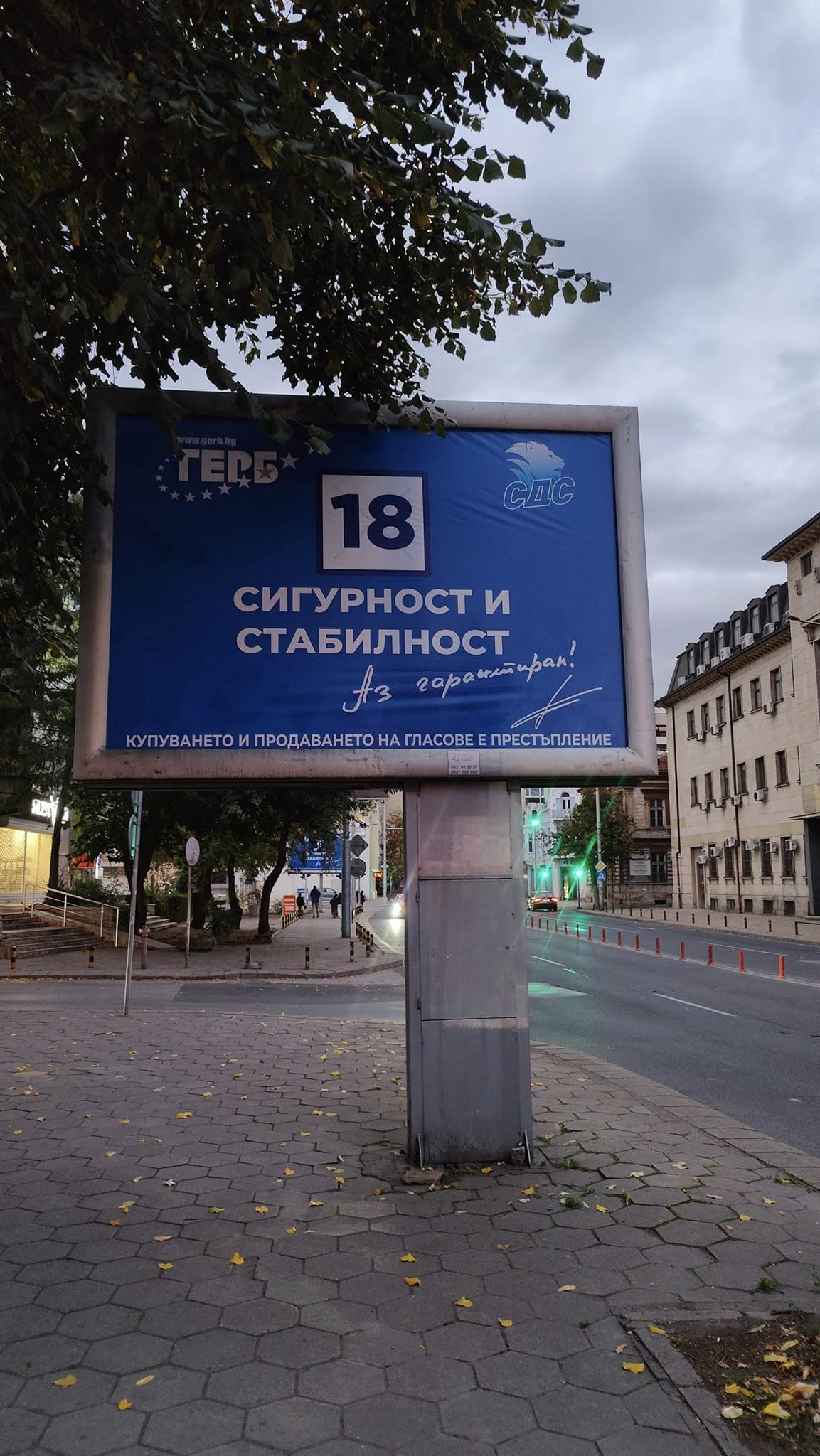
Now, you'd think that in this day and age there would be straightforward and consistent systems where names in Cyrillic script can be transcribed into Latin script.
✅ Well, with Serbian and Montenegrin, that's the case... and it's to the point speakers of those languages regulary and seamlessly switch between writing in both Latin and Cyrillic scripts.
❎ But the same cannot be said for Bulgarian or, any longer, Macedonian.
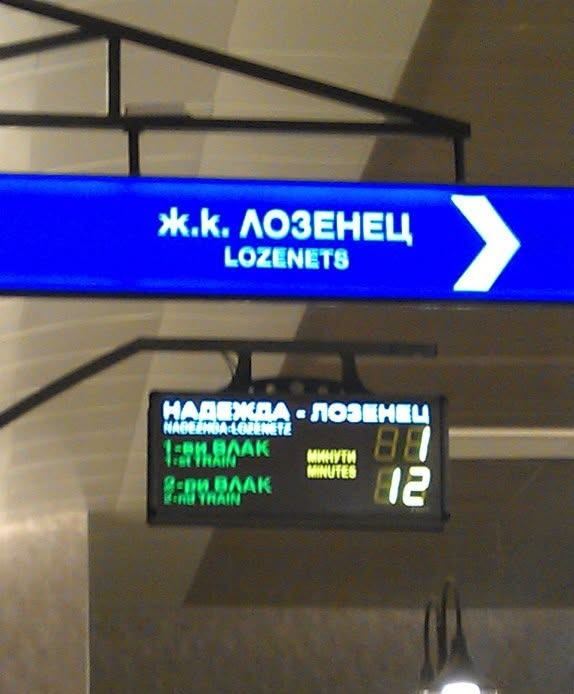
🇧🇬 Bulgarian has had so many systems for transcribing Cyrillic into Latin that Bulgarian names of places and people can appear in multiple ways. Just check out the (blurry) photo from the Sofia Metro below and you can see the district of Лозенец is "Lozenets" on the sign above but "Lozentz" on the electronic board below. Honestly, it's a mess. And even though the Bulgarian Transliteration Act in place since 2009 was supposed to standardise everything, given there have been so many different romanisatiom systems in the past, and that many Bulgarians live abroad, in practice Bulgarian names in Latin script are inconsistent in their spelling. To accommodate this, Article 2(2) of the Rules on Issuing Bulgarian Personal Documents "allows individuals to choose and maintain a stylized, alternative Latin spelling of their name on their documents." More details here. So that's why the first question I ask of Bulgarians who require their certificates to be translated is how their name is spelt in Latin script in their Bulgarian and/or foreign citizenship documents. In many cases, the names do follow the current system, but quite often they don't.
Example:
Росица according to the current Bulgarian romanisation system should appear as "Rositsa", but other common spellings from the past include "Rositza", "Rossitza", "Rossica" and "Rosica".
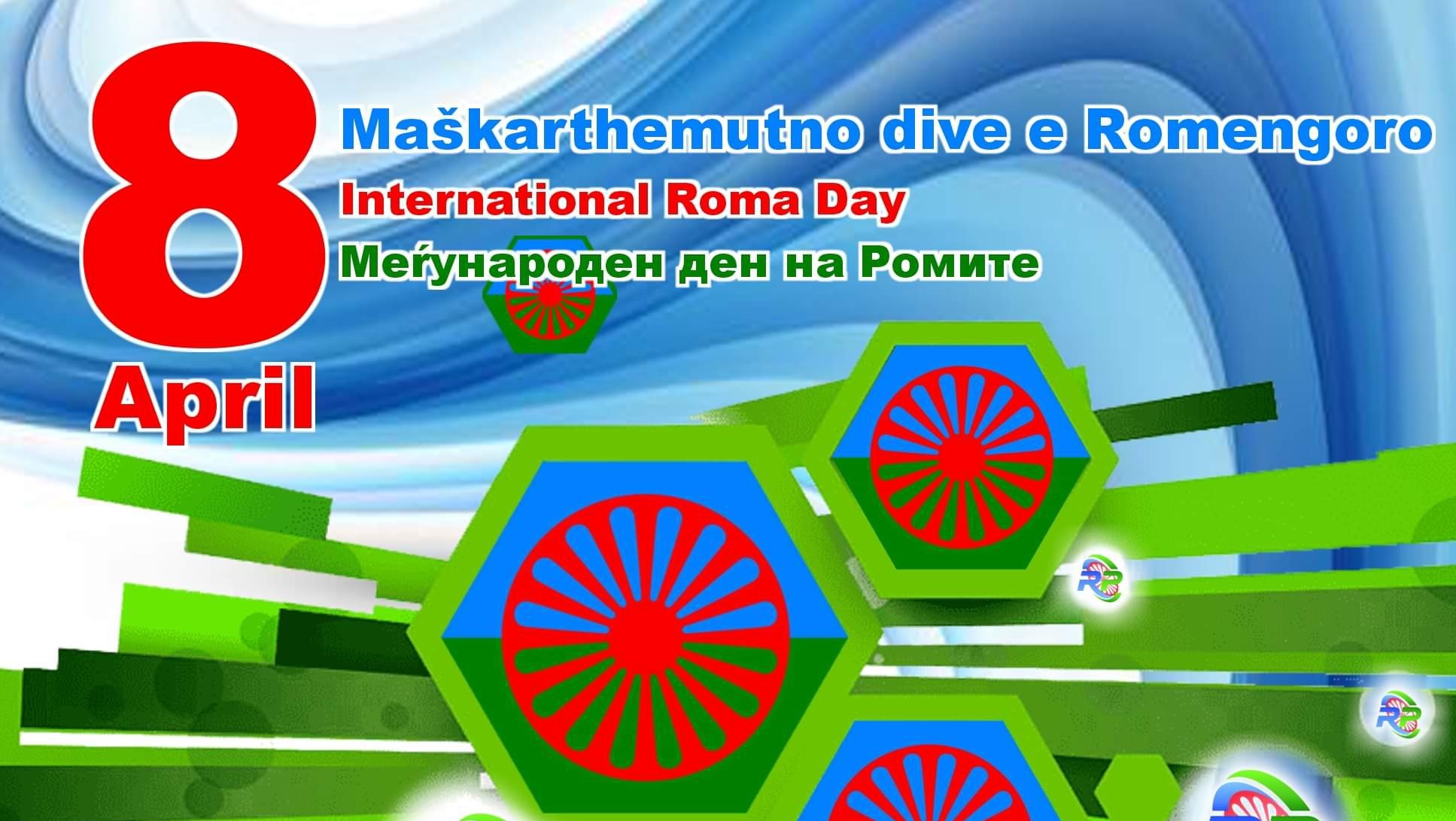
🇲🇰 Macedonian for decades used the same pan-Yugoslav romanisation system as Serbian and Montenegrin, but in 2008 the Macedonian government decided to change this to a more English keyboard-friendly system eliminating the use of accent marks (known in linguistics as diacritics). Good intentions aside, this did mean scores of Macedonians found their romanised names in their new Macedonian ID documents no longer matched those in existing citizenship documents for other countries.
Example:
The family name Ѓорчевски used to be "Ǵorčevski" (often minus diacritics as "Gorcevski"), but since 2008 it's been "Gjorchevski".
🚨 Does this really matter?
Absolutely!
⚠️ Names in certified translations need to match how they appear in other identification documents such as passports. Just one-letter difference can cause processing delays, application rejections and worse. Stories abound of meticulous officials causing problems because of ostensibly minor disparities in names, so it's best to avoid this hassle where possible.
💡 Consistency is key, even if the same can't be said about the systems in use.
👉 If you need any document translated from Bosnian, Bulgarian, Croatian, Macedonian, Montenegrin or Serbian into English, and have it certified for use in the United Kingdom before government authorities (such as the Home Office) or any court proceedings, then I am able to provide them as a Chartered Linguist and a full member of both the Chartered Institute of Linguists (CIOL) and the Institute of Translation and Interpreting (ITI). For more information, contact me at info@nicknasev.com.




.jpg)






.jpg)











.jpg)







.jpg)










_logo.svg.webp)



_(52052470251)_(cropped).jpg)
















_(8249451687).jpg)