Do you fancy an escape from the rat race and going for a seachange, a treechange or an e-change?
These terms all describe different forms of migration of people of all ages, wealth brackets and professions from Australia’s big cities to regional (the Australian term for provincial) and rural areas, whether it be for a better quality of life, retirement, financial and/or health reasons, or more room to move.
A seachange describes the phenomenon in Australia that took off particularly in the 1980s where many people decided to move, for the above reasons, from the cities (particularly Sydney and Melbourne) to small seaside towns.
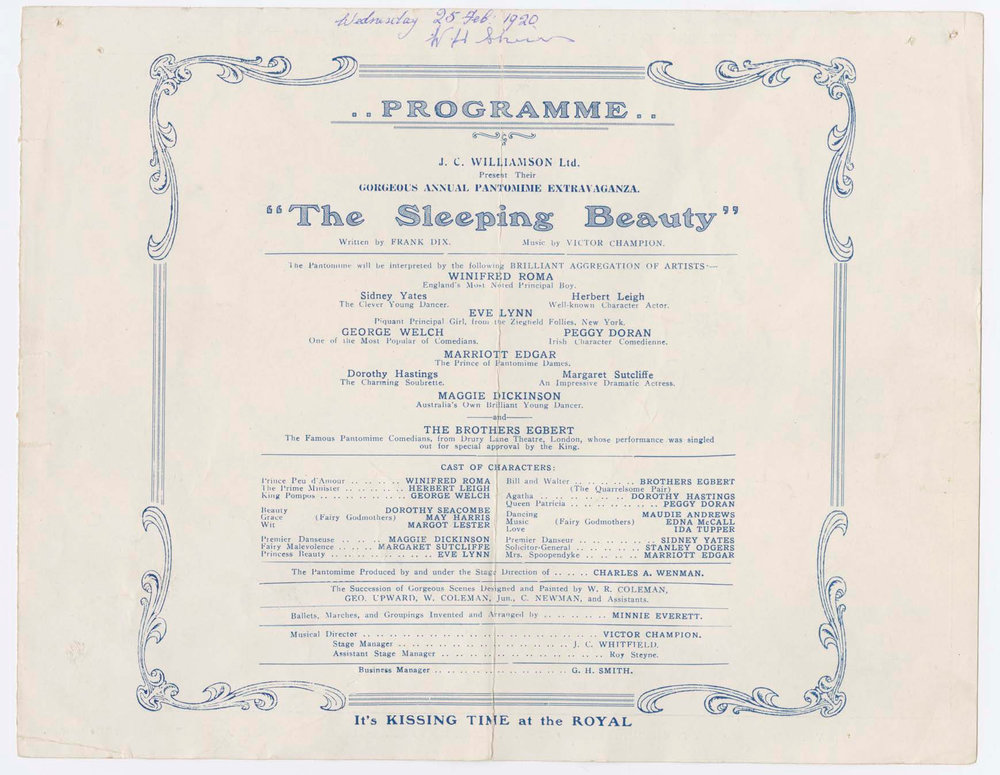
It took until the late 1990s for this term to be accepted, itself coming from the popular Australian drama series SeaChange featuring the main character Laura Gibson fulfilling her escapist desire by leaving the city for the fictional seaside town of Pearl Bay.
The show’s title came from the original meaning for sea change: a complete, profound, and often surprising transformation in perspective, behavior or society. Another way of describing it is a paradigm shift. As what the best reference for Australian English out there, the Macquarie dictionary, has as a definition, it’s simply a complete or radical transformation, and gives this example from 1998: that great sea change in relations between Aboriginal and non-Aboriginal Australians that has taken place in recent years.
The idiom was first coined by William Shakespeare in his 1610 play The Tempest. It’s in Act I: Scene 2 of the play where Ariel, describing the transformation of Ferdinand’s father’s body, sings: Nothing of him that doth fade, But doth suffer a sea change, Into something rich and strange. Over time, the phrase moved from a literal ocean transformation into a popular figurative expression for any major, deep-seated change.
Though the original Shakespearean idiom and meaning are even mentioned in the SeaChange TV show, by capturing the zeitgeist, and essentially being literal (i.e. a change by the sea), Australians quickly adopted the following defintion as given in the Macquarie Dictionary:
a move from a city environment to a rural location, especially near the coast, as part of a lifestyle change, usually to escape the stress and other deleterious aspects of city life
Actually seachanges seem to be a popular theme for (1980s) Aussie TV dramas. First there was The Henderson Kids, featuring Kylie Minogue and Ben Mendelsohn in their first major acting roles, about a suddenly parent-less Melbourne family moving to Haven Bay.
Soon after in 1987 came the long-running and internationally famous soap Home and Away, with the Fletcher family doing a seachange from Sydney to Summer Bay (OK, so there’s a pattern with these fictional town names). After 39 seasons and launching the careers of international stars such as Heath Ledger and Chris Hemsworth, the soap still going as strong as the only original character’s broad Australian accent – Alf Stewart (Ray Meagher).
Note also that the spelling tends (though not set) to be different in Australia between definitions:
- sea change for the original idiom
- seachange for the newer, more common Australian definition
SeaChange ended its run in 2000 but the term seachange had become so firmly entrenched in the Australian vernacular that in 2004, in response to the influx of tourists and new residents to their jurisdictions, coastal councils from around Australia formed the National Sea Change Taskforce (since renamed the Australian Coastal Councils Association) to seek ways to ensure sustainable development in their communities.
Due to the popularity of seachanges in Australia, some former sleepy seaside towns have now grown into bigger urban areas, often drawing the ire of the original inhabitants. The increasing development of these towns, and the subsequent rise in costs and property prices, are constant issues and a source of friction.

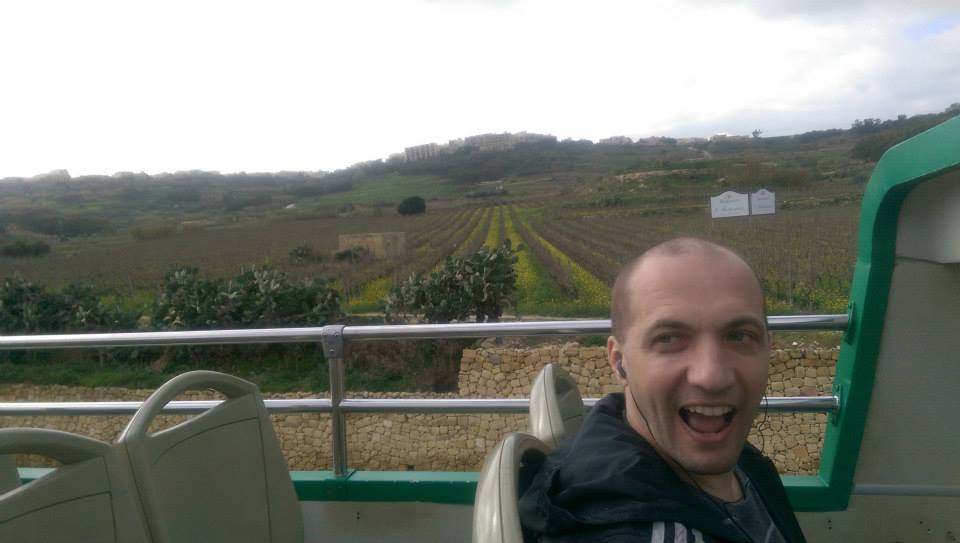
But not everyone wanting a change of scenery was heading off to be by the seaside. You also had many going up into the hills or to country towns away from the coast. To distinguish this migration pattern, the term treechange (or tree change) was devised. Who coined the term first is up for date: most sources claim presenter Steve Martin from ABC Radio in Ballarat, a city of 120,000 people just over 100 kms inland from Melbourne, Victoria; others point to Australian author and demographer Bernard Salt in 2003. For instance, when Sydneysiders talk of a treechange, they’re often talking about moving to nearby inland places such as the Blue Mountains or the Hunter Valley.
During and soon after the COVID pandemic, with greater internet connectivity, the rise of digital nomads and the subsequent expansion of work-from-home, there too was a rise in the phenomenon of e-change. Where before seachangers and treechangers would often seek employment in, or at least be somewhat engaged with, their new local communities, e-changers moved to regional and rural areas but kept working either remotely in their existing city-based jobs or as geographically unbound freelancers. With the subsequent wholescale return to office-based work, the amount of e-changers in Australia has too dwindled, many having found that working remotely didn’t provide the benefits they were seeking. Unlike a few years ago, there is now not much talk about e-change in Australia.
And if you’ve noticed, the people who do a seachange, treechange or e-change are known as seachangers, treechangers or e-changers.
So would you consider taking the plunge and going for a seachange, treechange or e-change?
And if you'd like to find out more about Australian English and how I can help you connect more with your Australian audience, drop me a line at info@nicknasev.com
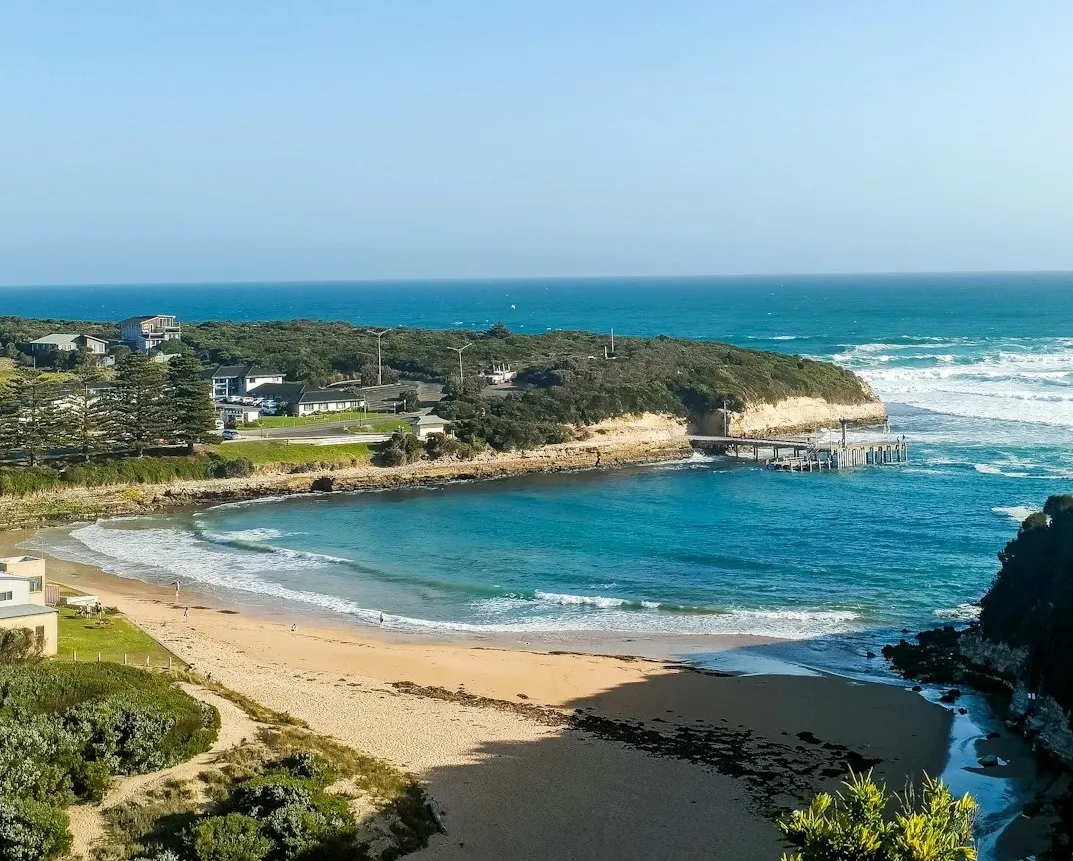
Photo right: a town along the Great Ocean Road, the perfect place for an Australian seachange Photo by Abdul Haseeb on Unsplash







_(52052470251)_(cropped).jpg)





.jpg)

















.jpg)






.jpg)












_logo.svg.webp)


















.jpg)

















_(8249451687).jpg)