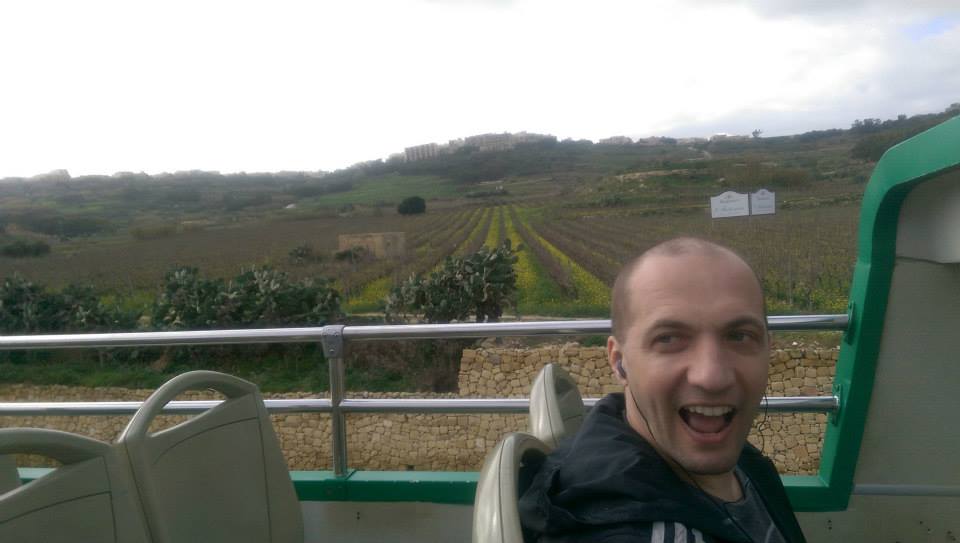
Last I left you, I, the ghost, had some intrepidations about going to see my relatives in the village where my grandmother had been born, even though going there was the main point of my trip. A wrong turn, or more precisely, blindly believing that the road would lead me to a safe haven, had me instead heading straight into the epicentre. Inevitable and unavoidable.
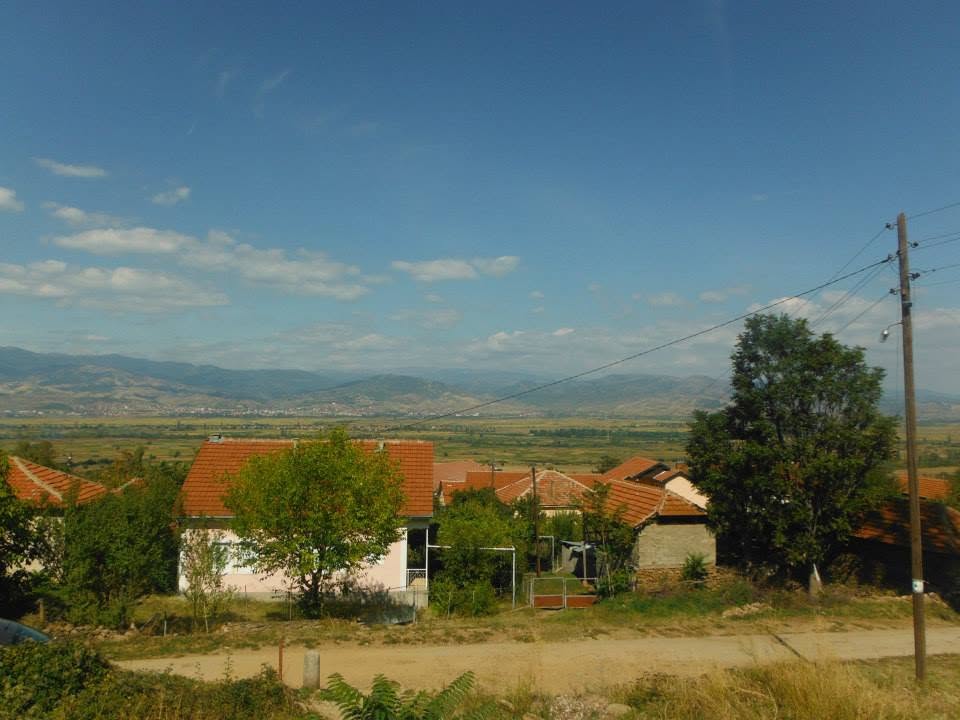
OK, take a few deep breaths. It’ll be OK. I could see my grandmother’s village looming in the fields ahead. Based on the description my ancestors from the area used to give about the relations between villages, I wasn’t expecting all the main features leading to the village to appear so rapidly, one after the other – the river (still called Stara Reka, “the old river” in Macedonian), the water silo, the area known as drumo (“the road”). Granted, prior to the 1950s the only way people travelled from village to village was by pack animal or on their own two feet. Now with motor vehicles, what used to take hours, even days, are now mere minutes. Time to think of a plan… Right, like the ghost that I am, I’ll go first to the place in the village where I know the most people – the cemetery. Hopefully, no one sees me. Then I can head off to the next village, where I can escond myself.
Much in keeping with the course of things that day, the first place I happen to chance upon entry into the village from the south was… the cemetery. In a rush, I sped around the corner and parked the car right by one of the village’s three working churches, which are, somewhat curiously, closely located to each other. Cool, no one has seen me. The ghost is oblivious to everyone!
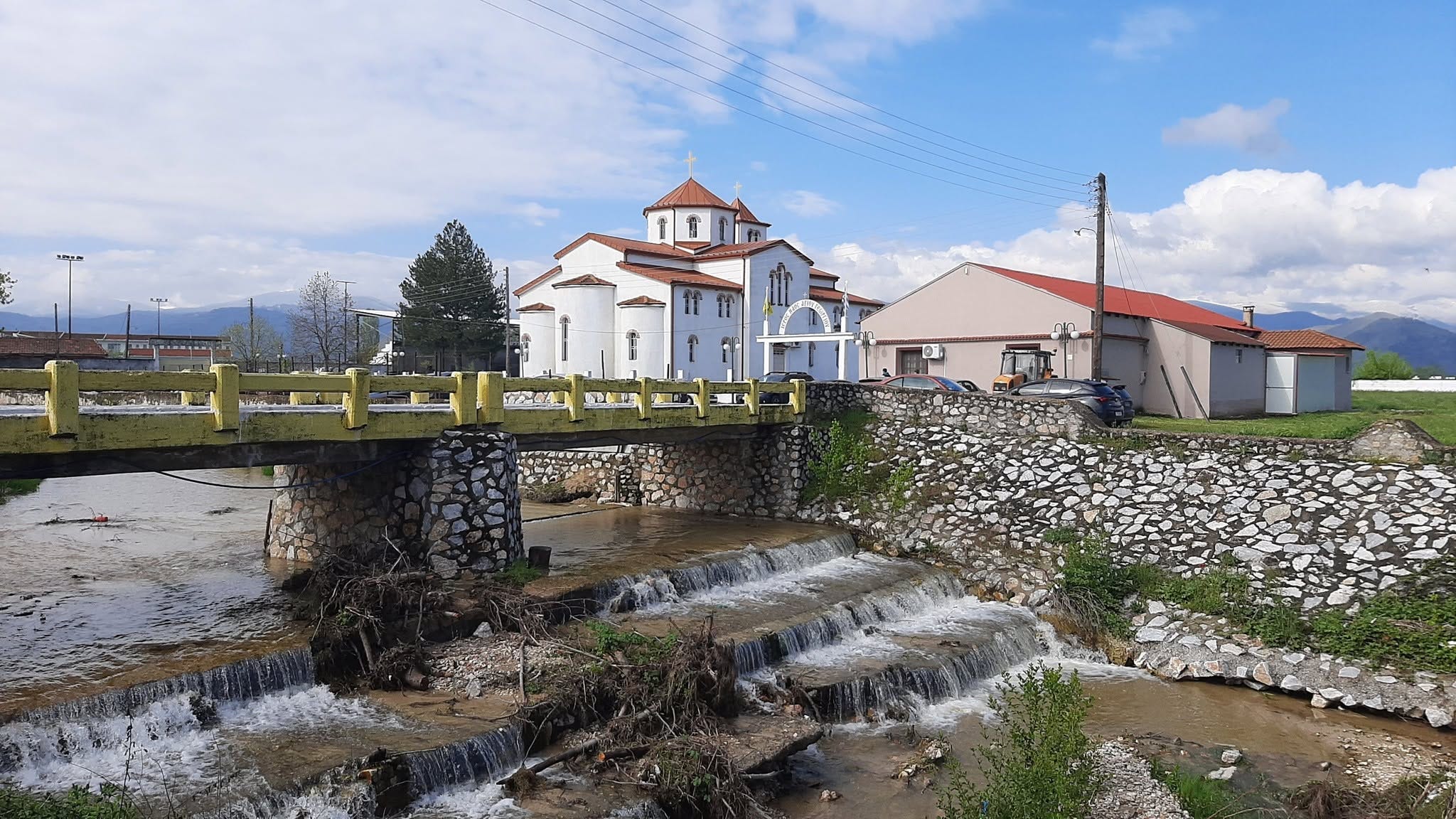
Just as I get out of the car, out comes half the village! Mass had just finished in one of the churches. I wonder to myself: who goes to church on a Saturday? Obviously, my grandmother’s village does, as the people who remain are rather pious. It was the name day for Sts Cosmas and Damian, so that figures, but I didn’t recall there being that many Cosmas and Damians in the village to warrant such a crowd. If you go through the list of people on our village’s Facebook groups, there’s a disproportinate number of men named Georgios, Dimitrios or Iannis, and women with their female equivalents.
This being a Balkan village, young and old all started staring at me. It was clear from that trademark bewildered scrowl on their faces that they were all wanting to know: who’s that??
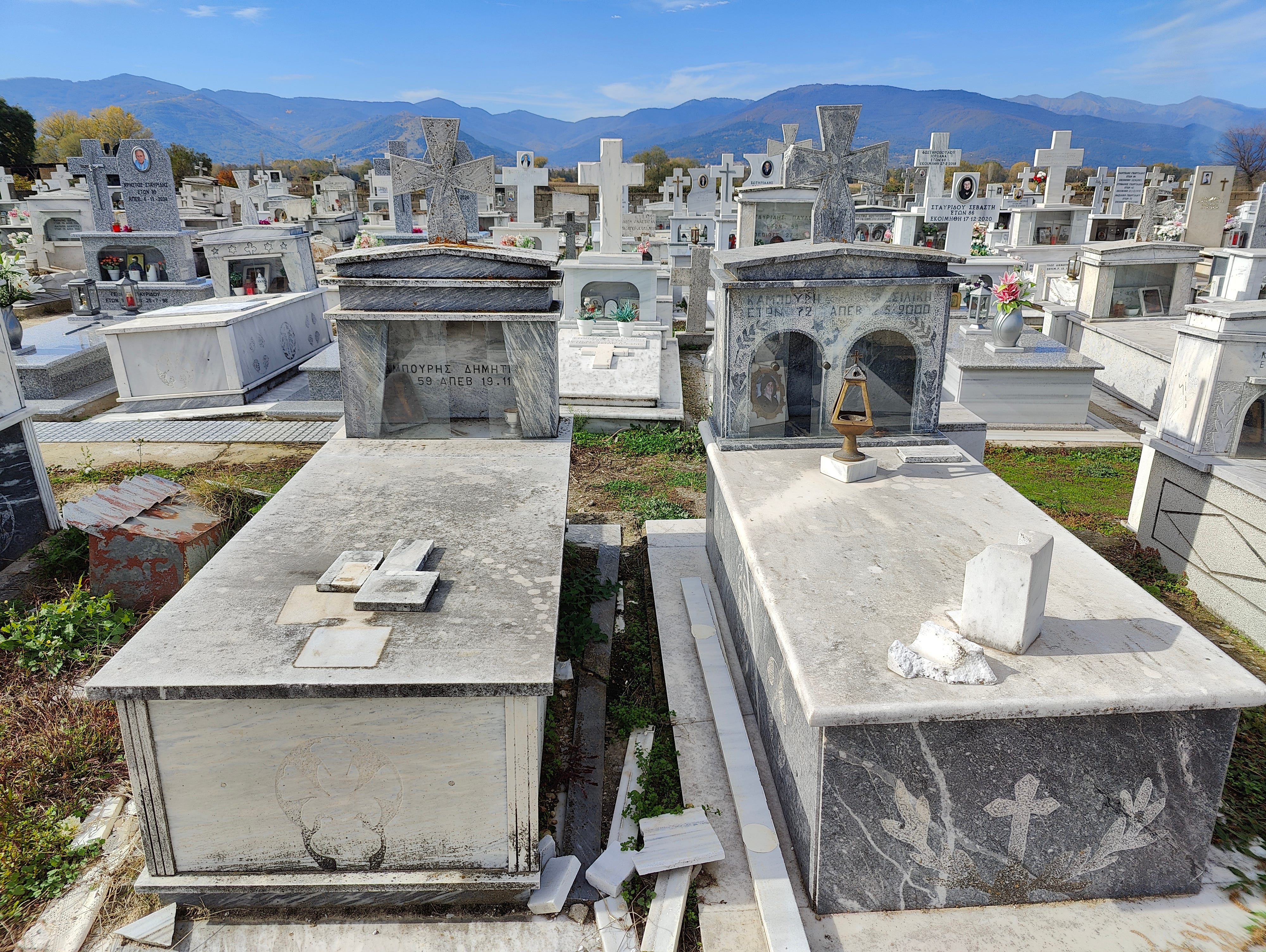
Undeterred, I rushed off (like that wouldn’t make me more suspicious) and made my way over the fence into the cemetery from the side. Almost every plot at this wide field of family gravestones contained the mortal remains of some distant relative of mine, only with their Greek names denoting them. The first time I had been at this cemetery, it took me a while to work out who these people were. One of my relatives living in the village pointed out at one grave and said “that’s your grandmother’s second cousin”. A weird Greek name appeared on her grave. “Oh, so that’s what she was officially called” I thought to myself. You see, everyone in the village, and the region for that matter, effectively has two names: one is their official government and religiously sanctioned Greek name; the other being their informal Macedonian name. Usually the Greek and Macedonian first names would correlate: Georgios would also be Georgi/Gotse, Dimitrios would also be Dimitar/Micho/Mitse, Georgia – Gjurgja, and so on. The surnames would be way off at times, so when talking about them in Macedonian, reference would be to the name of their soy (Turkish for “family”, though in Macedonian it refers to the extended family) or rod (a pan-Slavic word for “genus” or “race”), along with the appropriate pan-Slavic surname endings. As my family would solely communicate with the people of our village in Macedonian, we’d only know their Macedonian names. To add to the mix, many (particularly the males) also had a third name – a nickname, almost always based on a local Macedonian term. Nicknames are the true distinguishers when you have so many in the village whose name is, say, Giorgos Dimitriadis, and mentioning their father’s name doesn’t whittle it down much either. But everyone knows who’s “Indianetso”, “Kalcho” or “Chukar”.
My first stop was to look for the grave of my grandmother’s first husband. All I remember was that it was located somewhat central, as fitting for someone from one of the most prestigious families in the village. Being shown his burial plot was a shock for me. He was the black sheep of the family, having run away to join the communist partisans in the Greek Civil War, and became a sapper. I had been told that he had died while being stretchered to a field hospital after being severely wounded while up on Vicho mountain. My expectation was he would’ve been buried along with many hundreds of other partisan fighters in the huge unmarked mass grave on the outskirts of the nearby town of Florina – a site to this day that remains unmarked. Surprisingly, his remains were able to be returned to the village and he was interred in the family grave. Combing the many rows of graves one by one, I eventually found it. I remembered his name on the list of family members buried there appeared right at the bottom, almost reluctantly, in the hope that no one will notice. Almost 80 years later and I saw that his descendants have now gone one futher – his name being almost totally obscured in a blatant move to hide his existence even in death.
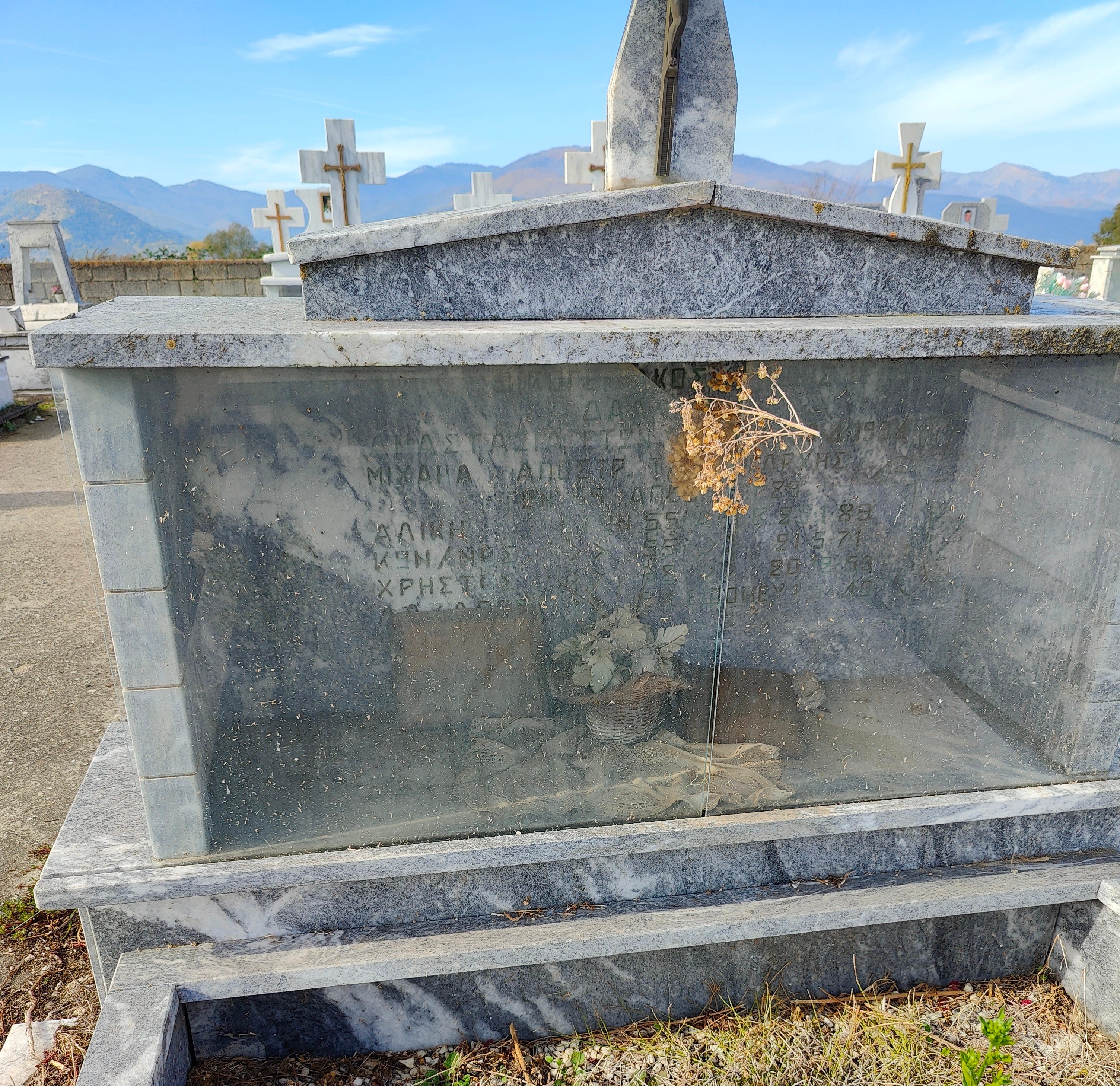
As I was pondering at the sight of the graves, an old man came into the cemetery and started shouting at me: Poios eisai? Ti psahneis? “Who are you and what are you looking for?” he asked in Greek. Now, I could have replied in Greek, but hey, I’m in my grandmother’s village and so I’ll speak in her language. I responded in the local Macedonian dialect: Go palam grobo na baba Tsila, sestrata na baba mi. “I’m looking for the grave of my great aunt Tsila”. Taken a little aback, as it’s not often that someone in the region gets to hear someone my age speaking in the local dialect, the old man then replied Ah, ti si od daleku (“You’re from far away”). Finally, someone is speaking to me in the local Macedonian dialect! No awkward silence here and no change into English. Older locals can immediately pick up that “young” people like me speaking in the local dialect are from the diaspora, who had no real need to learn how to speak in Greek – communication with our ancestors from the village would be in Macedonian.
Already, I knew what the next question would be:
Chii si? – “Who do you belong to?”
He needed to work out what’s my connection to the village and, possibly, if we’re related. Now this is not always an easy question to answer given the situation with the jumble of personal names, and often the Greek ones would change too. I say to him that my grandmather was Fila who left for Australia in 1950. Even something as basic like that could be of note as people in the village tended to keep the knowledge of those who left quite alive, maintaining their presence in spirit in the village after they’d long gone. No, not this time though. There was a blank look on his face. I go through a whole series of names, trying even their Greek names (when I know them), and then it occurred to him – ah, Fila, one of dedo Stefo’s lot! You’re of the Vanchevski clan.
Yes, that’s me!
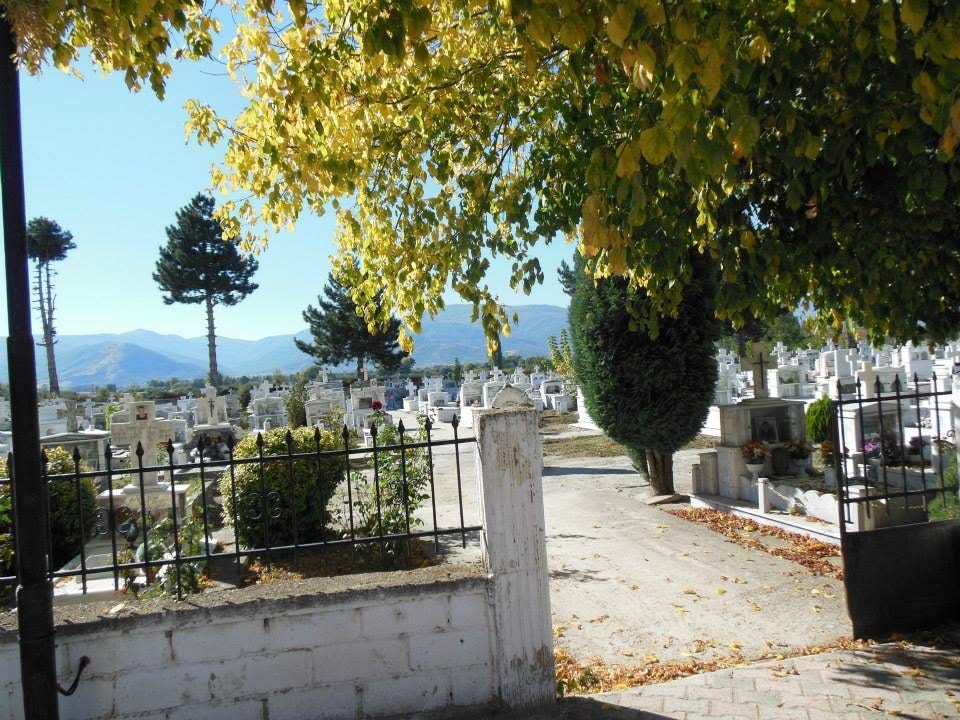
With my origins determined and my place in the patchwork of family and clan alignments in the village all clarified, the ghost that I was had regained its corpus. I was safely back into the village fabric as a living person.
The old man too was called Stefo. Volunteering to look after the church grounds, which included the cemetery, kept him busy. He was a widower; his wife had died of cancer a decade ago, and he coming to the cemetery to tend to her grave daily was what gave him solace . We worked out that he and my grandmother were distant cousins, but then again, so is practically everyone else in the village. Stefo naturally had relatives in Australia, in Melbourne no less (well, it was either there or Adelaide), and had even went to visit them to attend a wedding in 1989. The virtual rolodex of memories and dates in my mind went into overdrive to work out whether I had been at that wedding too (I hadn’t). He then asked if I was going to see Tanas and Rina, the closest relatives I have left in the village – Tanas is my mother’s first cousin and Rina his wife. Well, now that dedo Stefo knew I was in the village, I couldn’t escape not going as word would now get back to them of my presence. I said yes to the present dedo Stefo.
- “You know where they live?”
- “Of course I do!”
And I did! I had the village’s layout etched in my mind, like instinct. A lifetime listening to the vivid accounts of my grandmother and her relatives describing who’s who and where’s where in the village ensured that map be drawn metaphorically for me.
Dedo Stefo and I started searching for my great-aunt’s grave. He remembered her in their younger days – the younger Tsila had been the life of the party, always chatting with everyone. Up and down we went through the rows of graves, but we still couldn’t find it. Dedo Stefo then left me to myself. And just as I was about to give up, there I found it. A little forelorn, it was obvious that no one had been to the grave in some time. A sign?
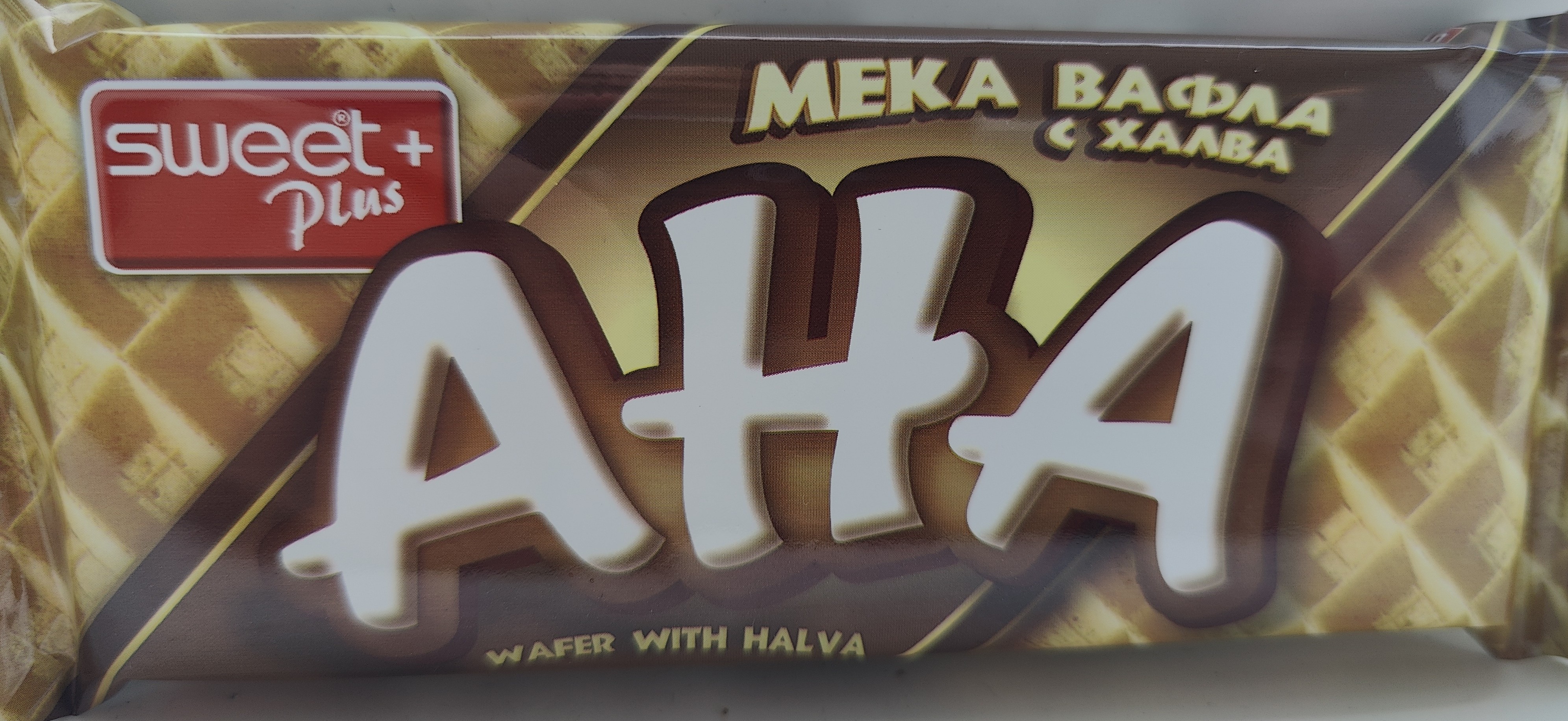
Now that I had been exposed and properly identified and tagged, I needed to get a gift to give to my relatives, as Macedonian etiquette dictates you can’t go to someone’s place empty-handed. Off then to buy some chocolates or sweets from the local shop.
Asking about the fortunes of my relatives in the village over the years served as a barometer of the economic climate in Greece. When I was in the village in 2003, things were going very well. One of my second cousins was working in construction building the sporting venues for the upcoming Olympic Games in Athens and was easily clearing 2500 euros in wages a month. Another was the village’s Posh Spice (just with a personality – she took after her grandmother Tsila) as her fiancé – her childhood sweetheart – had been signed to play professional football in an Athens team and was sporting a David Beckham-esque mohawk and flashy fashion sense to prove it. Another cousin had just come back from a luxury holiday in the Maldives with her fiancé and was eyeing the Seychelles for their upcoming honeymoon. And my great-grandmother’s half-sister, the 92-year-old baba Frousa, was the proud owner of a dairy farm with 120 cows. When I asked baba Frousa where did she get the money to afford such a huge enterprise, she said with a wide smile on her face: “Eh, stupid Germany gives us the money, so why not?” The main street of the village was lined with shops, a top quality zaharoplasteio, many fancy kafeteries (cafe-bars) and a shockingly large number of petrol stations. This was not the village of old or of the vivid accounts of my grandmother’s. Seemingly gone were the poverty and post-war and junta-era political repression that drove so many to leave.
By 2013, in the wake of the economic depression to hit Greece a few years before, things had changed massively. My cousin who had been working in construction in Athens for the Olympics had returned to the village, was now working locally but had been required, like so many other Greeks, to take a wage cut of a third to keep his job – he was now earning just above 1000 euros a month. Our Posh Spice had left the Bechkham wannabe and became a beautician, having moved to the nearby main town. Baba Frousa was no longer with us, and gone too was her family’s dairy farm – once the money from “stupid” Germany dried up, so too did their operations. As for the main street in the village, well, most of the businesses were empty except for the same sad-looking sign appearing on their bare doors: ENOIKIAZETAI (“FOR RENT”). The situation for my relatives, though, was not as dire as it was for those in the big Greek cities. Everyone in this border region would pop over north every week to the market in Bitola, Macedonia to buy up groceries at half the price (speaking in Macedonian to traders there ensured they’d get things even cheaper), plus the vegetables they still grew in their land plots surrounding the village made sure they could survive.
Very little had changed in 2017, except those “for rent” signs had been replaced with POLEITAI (“FOR SALE”), with no takers. Also, the local customs officials banned locals from bringing items in bulk over the border from Bitola, ostensibly as a measure to protect local Greek businesses, but it was also whispered that the Greek authorities worked it out that this trade had been the impetus for more locals to maintain and improve their knowledge of Macedonian – something the authorities have been rigorously stifling in the region since the start of Greek rule in 1912.
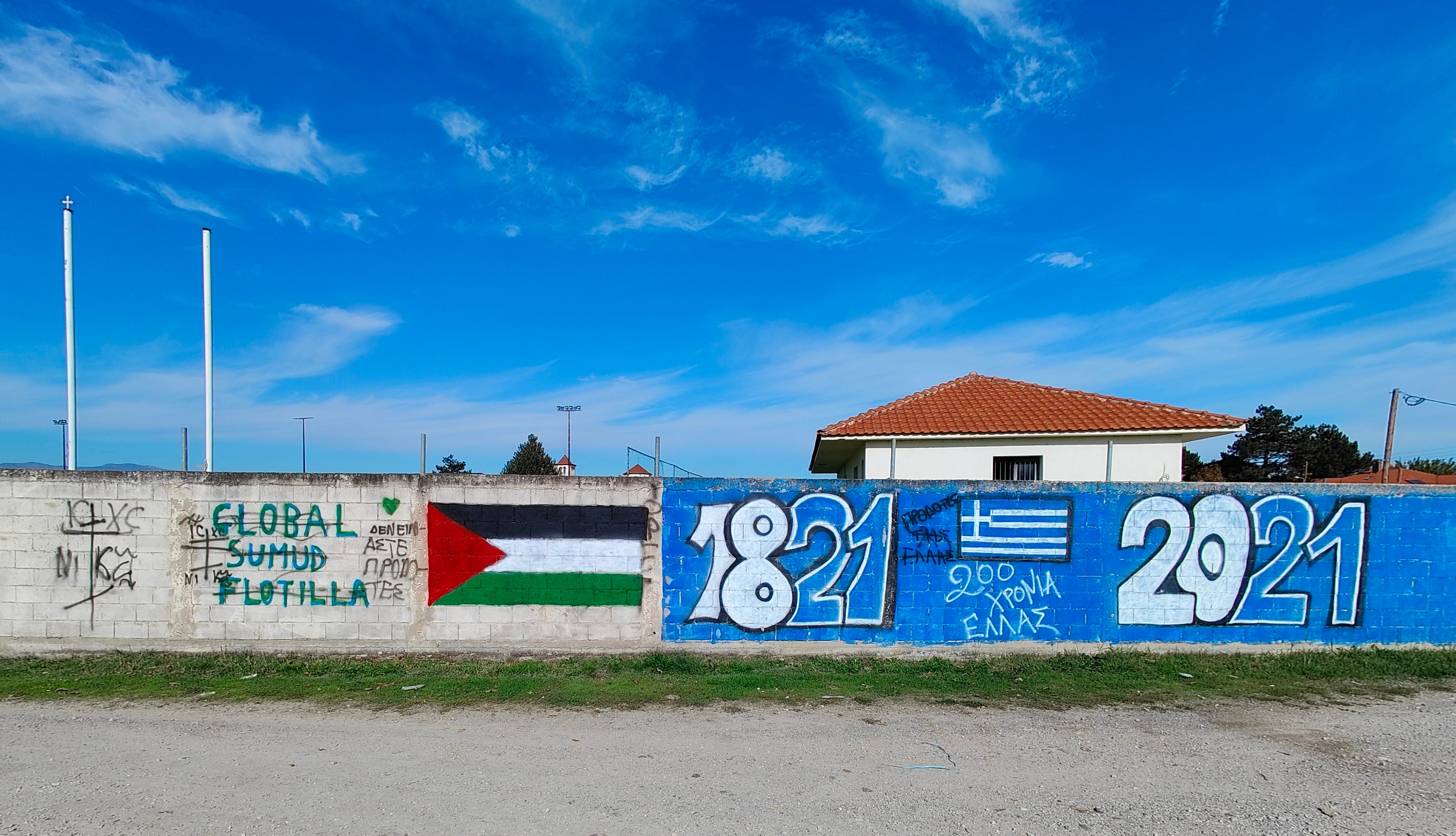
I was driving down the main street looking desperately for a sign of life. Amongst all those empty windows, I found just the one store – a pandopoleio, a corner shop that, as its name in Greek says, “sells everything”, though more a relic that has withstood the economic ups and downs. The stuff on sale in there also similarly outdated but remarkably long-lasting. Nah, this is not the place; I’ll just have to go to where most of the locals go – the local Lidl supermarket.
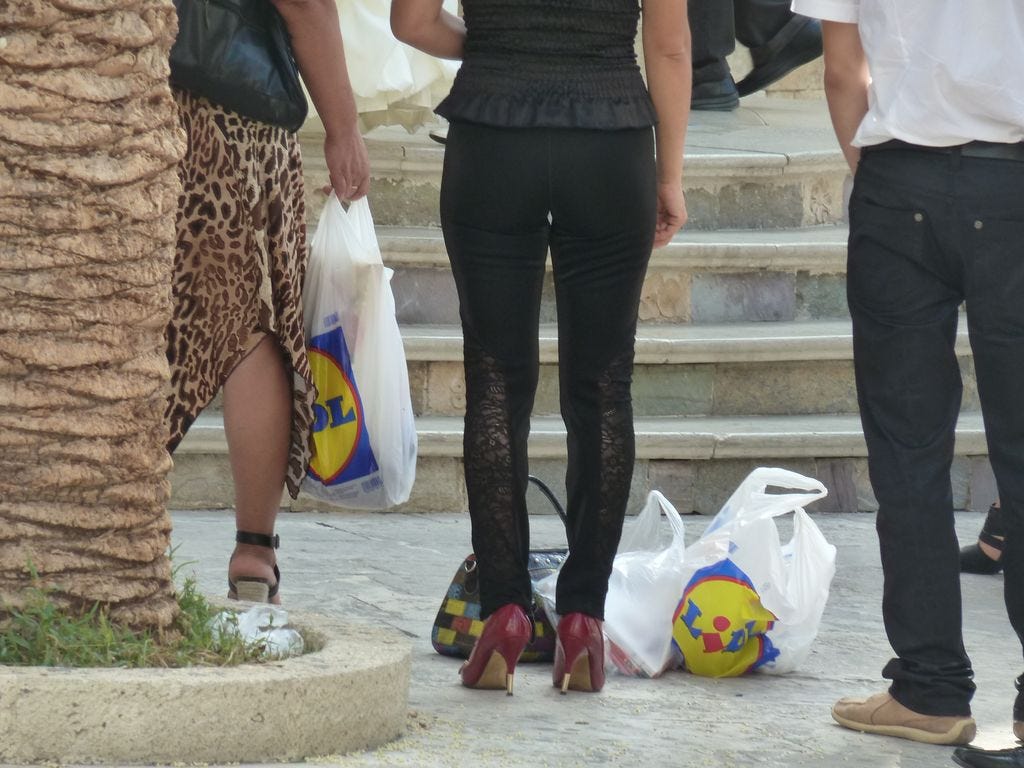
About half of the cars parked at the Lidl outside of Florina had Macedonian plates, so in reverse of shopping patterns from before. Obviously they had no bans of them bringing back produce, though for how long they’ll be popping over the border to this supermarket remains to be seen; Lidl is about to open two supermarkets in Bitola. Such are the number of people from north of the border coming to this Lidl that the management had to put up signs in Macedonian instructing customers not to flush paper down the toilets – local Macedonian language activists claimed this acknowledgement of the language as a major victory. Did this mean the staff also spoke in Macedonian to the customers coming from up north? Armed with my chocolates, coffee and cookies while in the check-out queue, I snooped in to verbal interactions the Macedonians in front of me in the queue had with the operator – no, it was all in broken English.
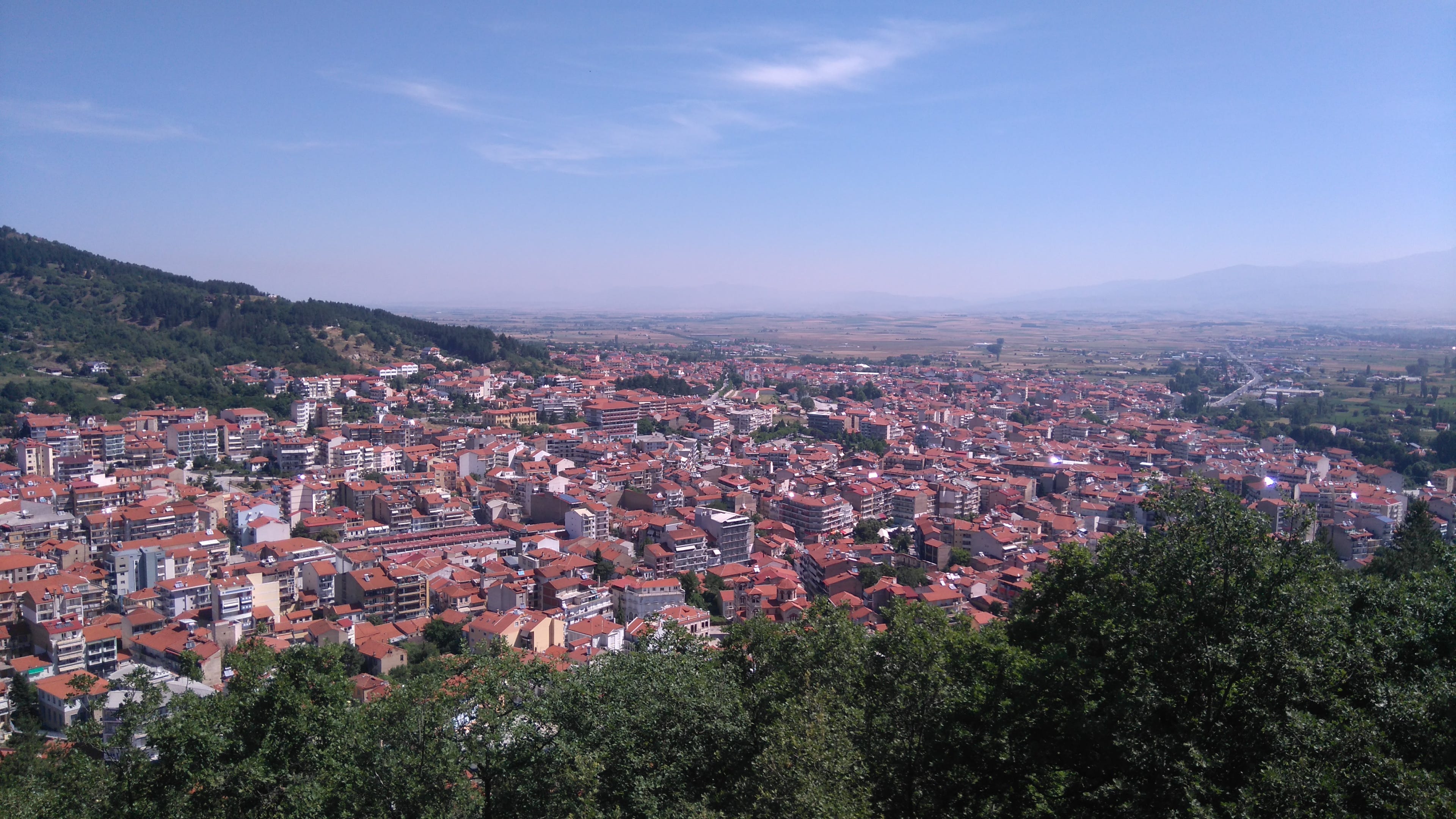
Now properly primed with the appropriate guest gifts, time to go back to the village. It should’ve been a straightforward trip, but I missed the turn-off and ended up in a neighbouring village in the midst of the flat Florina plain. This is not the Greece you see in the brochures. The village looked almost abandoned, with just a few old people sitting on benches chatting amongst themselves. Having been on the scenic tour as such, I weaved my way back to my relatives’ place.
I always seem to come to my relatives’ place unannounced, but then again, why would they be anywhere else?
It had been an unseasonally warm 23 degrees so I was expecting them to be in their yard. I walk in and I see them: Tanas and Rina. I shout out in Macedonian: Zdravo zhivo. Me poznavate? Hello, do you recognise me?
Of course they don’t. It’s been seven years since they last saw me.
I’m Kole, Mile’s son!
Their faces lit up! Of course they recognise me now. They great me warmly, Rina hugs and kisses me and gets me immediately to sit down. I’ve arrived for a late lunch (unintentionally) and before I know it I’m being force-fed my body weight in food.
They tell me that my cousin Micho, who’s my age, will be returning from the fields in his tractor shortly. The food supply from these plots still providing their main food source. Lidl for them is only for special items.
The thing I first notice is that their Macedonian is not as good as it used to be. My auntie and uncle are native speakers of the local Macedonian dialect and primarily speak to each other in it, as they always have, but likewise always have spoken in Greek to their four children. They are now all in their forties, and had learnt Macedonian from their grandmother Tsila who, apart from a few years in Australia, had spent her whole life in the village in Greece… and yet her knowledge of Greek was rudimentary at best. What kept up their knowledge of modern Macedonian was from the interactions they had whenever they’d go over the border to Bitola for shopping. They still go now and then, for dental work and to fill up on petrol, which is much cheaper “up north” (the local euphemism for “North” Macedonia). Micho though had not spoken Macedonian in a very long time, but he certainly gave it a shot. My relatives felt frustrated at times that they couldn’t express everything in Macedonian, particularly for modern concepts that they only know the Greek words for – driving licence being one of them (as I worked out, it’s a diploma in Greek).
I asked Micho how’s his work situation in Florina and in general. He tells me that he now makes 800 euros a month, apparently a decent wage in the region. That was a shock for me! That’s almost the average wage in the neighbouring countries “up north”. Go back to 2003 and the economic gap was so huge then that Greece was seen as a major migration destination for those from impoverished Albania, Macedonia and Bulgaria. Just over two decades later, the gap has been bridged, more so because Greece has declined so much while the northern neighbours have only made modest improvements.
My uncle and auntie (anyone my parents’ age are called that) are holding up. They have so many grandchildren to deal with – 11 to be exact. Most responsible for this is my cousin (anyone my age is called that) Lina who has eight (yes, eight) children. Lina is an interesting one. After having finished high school, she decided to join the police force. That was a surprise for everyone given how quiet and petite she is – you’d never expect her to be police officer material. It was also a shock that she would join the successor force to the gendarmerie that used to give constant grief to our ancestors, particularly our common great-grandfather Boris (who didn’t even have a Greek name). Intimidation from the Greek police was one of the main reasons that prompted him to flee the village for Australia in 1929. He’d be turning in his grave if he knew about his great-granddaughter. Even her two oldest children have joined the force, so auntie Rina told me we’re in safe hands. For us in Australia, we can’t understand how could they go over to the other side, but that’s family homeostasis for you. When it comes to the village and its associations, we’re still stuck in 1949 and speaking Macedonian; while the village itself is in 2026 and speaking in Greek. Two completely different worlds.
But that’s not the most scandalous thing Lina ever did. It was her choice of spouse that many members of the family, in the village too, still can’t get over. He’s a… I’m afraid to admit it… a prosfiga! A “refugee” Eek!
No, he’s not a modern refugee – he, his parents and even grandparents had been born in the region. He’s of Pontian origin; his great-grandparents having come from the Black Sea coast of Türkiye as part of the forced population exchanges of 1923. More than 100 years later, and despite generations going to the same schools, same shops, speaking the same Greek, having the same common experiences, watching the same TV, people in the villages still made a distinction between those who are dopia (locals) and who were prosfiges (refugees). She’s dopia, he’s prosfiga! So Romeo and Juliet! For a long time intermarriage between the two groups was strictly frowned upon. Some relatives didn’t even turn up for Lina’s wedding in protest. Some local people even talk of “mixed” and “clean” villages in the region. Officially, everyone is “Greek” here, but clearly existing ethnic identities and sentiments, and animosities, remained bubbling under the surface.
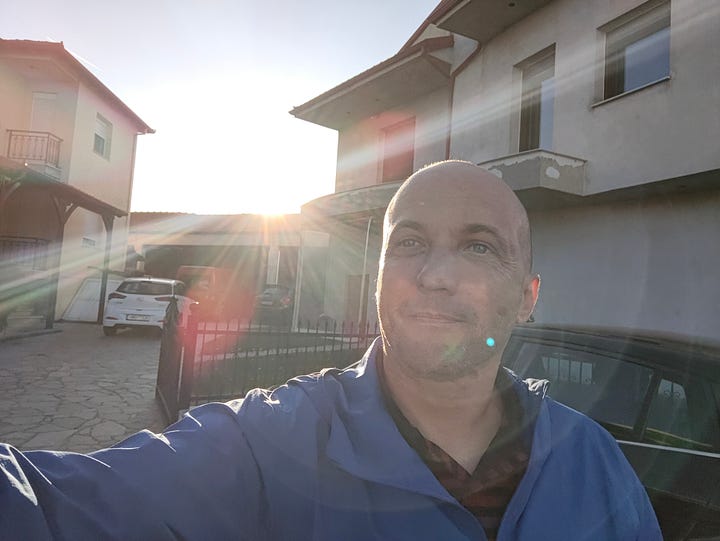
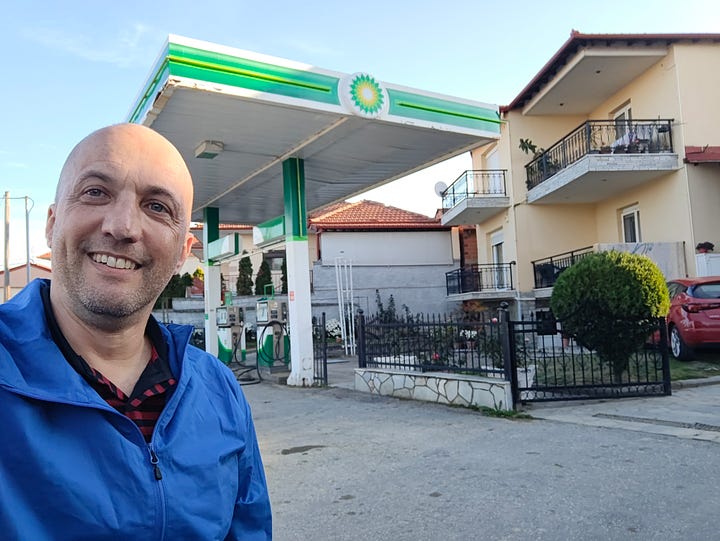
It was getting late. While there was still daylight, I had to take a photo of me being at the spot where my grandmother had been born around 100 years before. I said farewell to my relatives, promised that I’ll bring my parents with me next time, and made my way literally around the corner to her exact birthplace. There used to be an imposing building there, where 22 people of the extended family lived. Most of their descendants left for Australia but my third cousins still live at the new house built in its place… plus run the BP next to it. Yes, my grandmother’s birthplace is now a petrol station.
And like with the trip I did for my grandfather’s 100th birth anniversary, so too can Kapka Kassabova say the same for my grandmother’s:
He looked lonely on that god-forsaken road, yet his expression said in no uncertain terms: Here I am. I made it.
Next stop was the next village down – Vevi, otherwise known as Banitsa, traditionally a Macedonian-speaking village. Just that I didn’t find that was the case anymore. I asked the person in charge of the village’s modern guest house if he speaks “our way”. No, it was the same brief pause of awkwardness and then into broken English. Perhaps it’ll be different in the only restaurant in the village, looking not much different from the taverna in Siderohori/Shesteovo. No, same story: I ask if they speak “our way”, there’s the awkward two seconds of silence… and then a response in broken English. OK, I’ll just face reality and speak Greek then, but I’m not happy, angry in fact. The language that defined life in the region has almost disappeared from its native habitat. The land in my head does not match that of its current actual iteration.
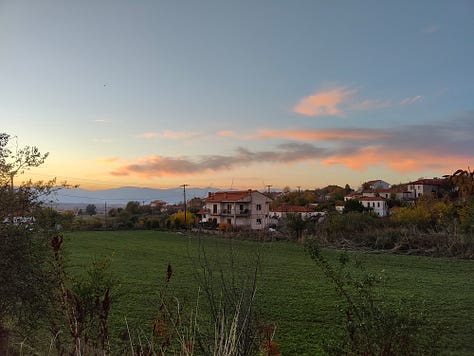
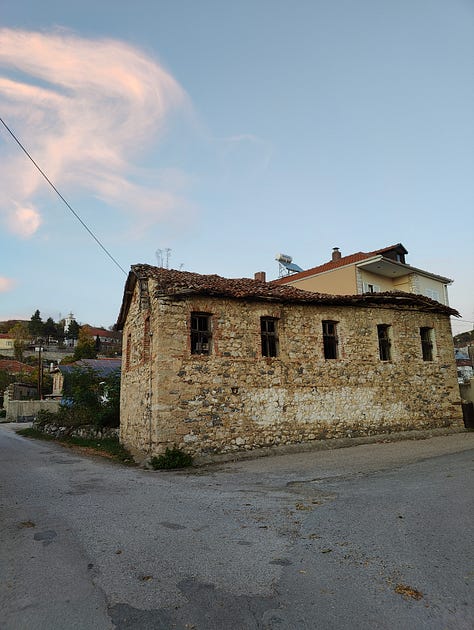
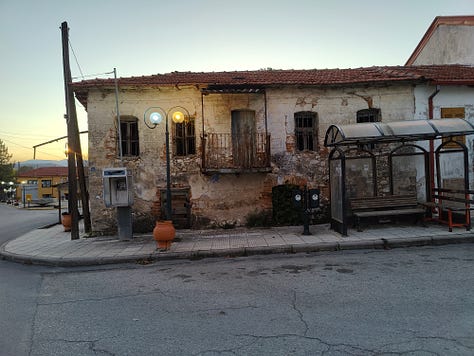
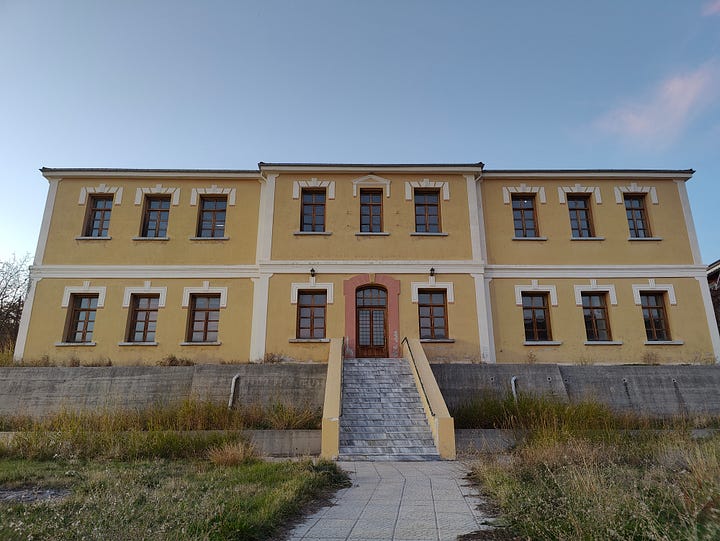
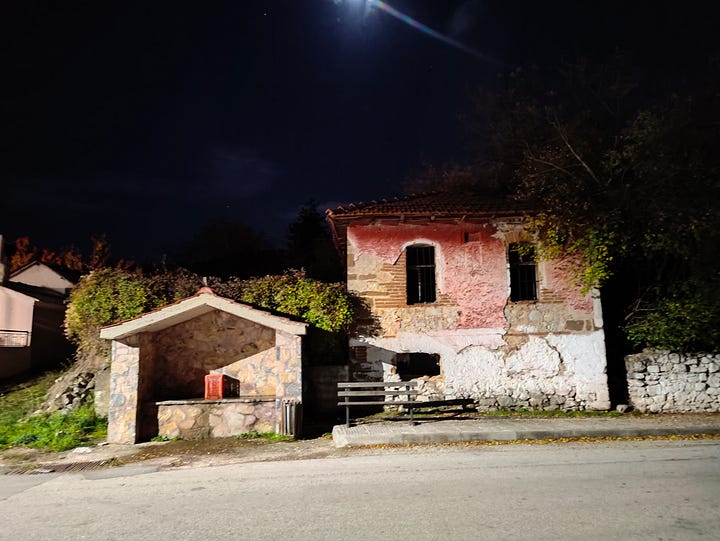
The corpus that rejuvenated my spirit upon entering my grandmother’s village had obviously stayed behind there in its safe spot. Much like that eternal metaphoric map trapped in my mind only. I’m now back to being a reluctant ghost.
But the ghost will find hope… in the final part to come. For no one or nothing can truly suppress the spirit that lives on just under the surface.
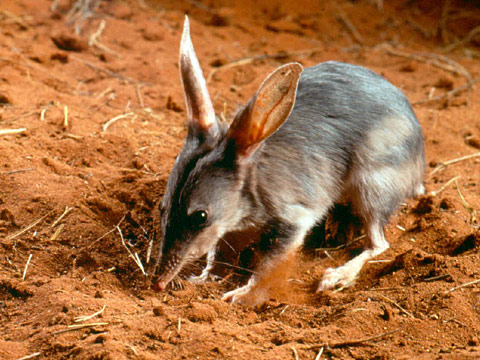
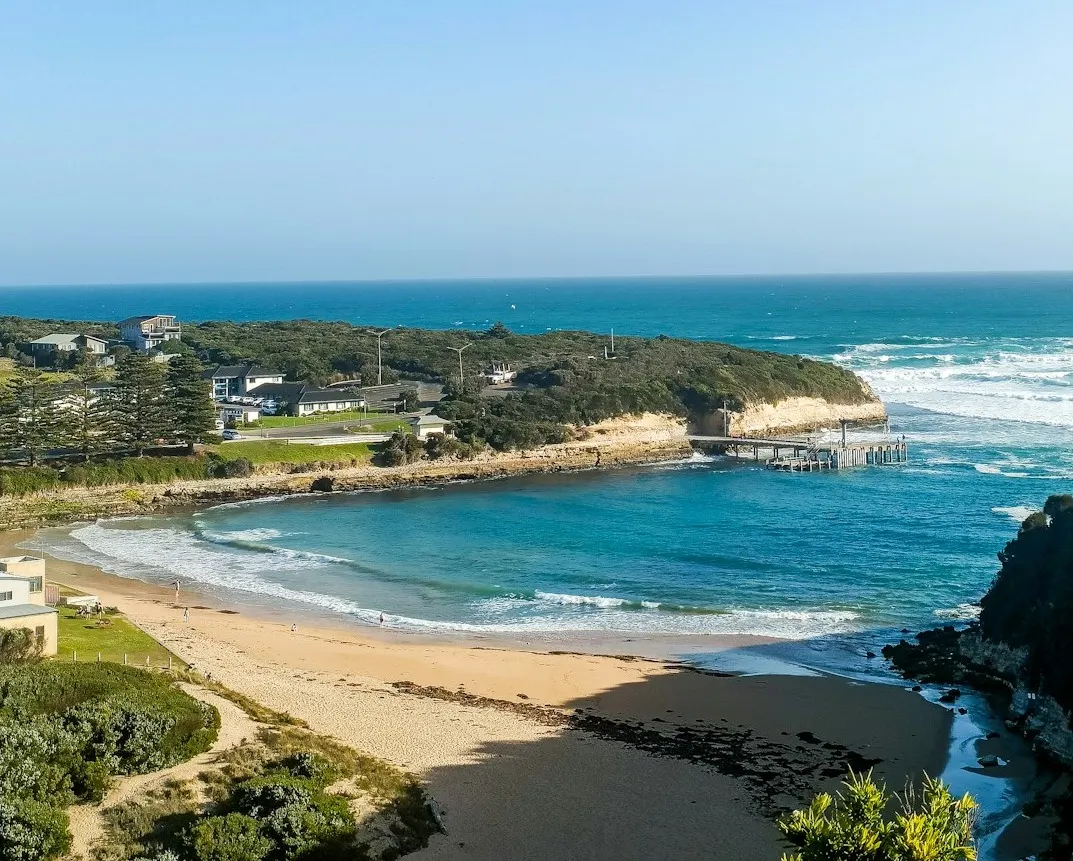
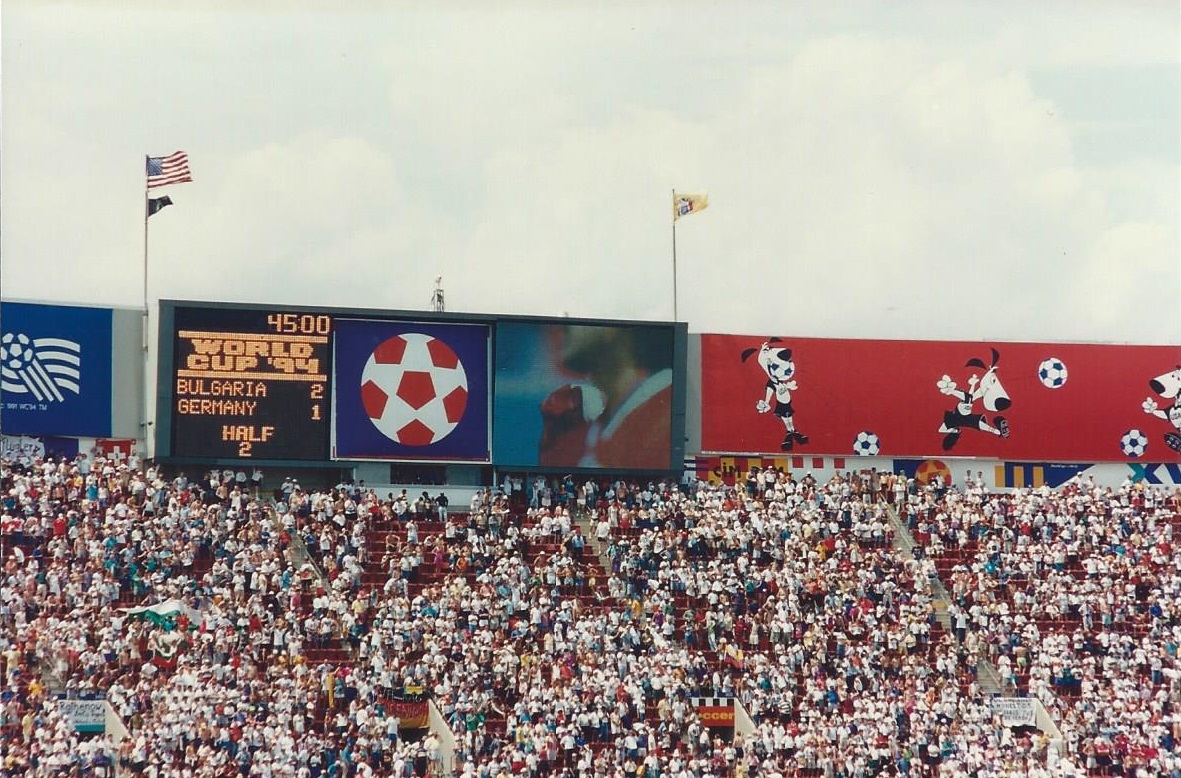
Photo right: w:bg:Подпоручик, CC BY-SA 3.0, via Wikimedia Commons