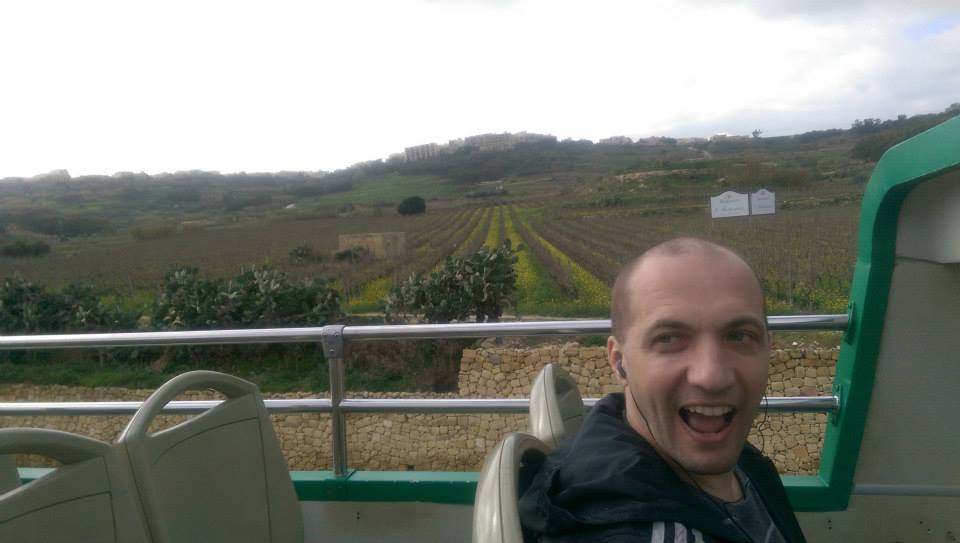
Yes, it’s one of the year-in-review things. For almost two decades now I’ve been noting what has been my most stand-out moment of the year, which have ranged from yelling in Russian at two women in the queue for a Ferris wheel in Moscow (2013), hiking across Luxembourg (2016), being mistaken for a Croat and being called Alexander of Macedon in Uzbekistan (2019) to discovering the mega-mansions of eastern Serbia (2024). So here are the front-runners for the title for this year…
Cosplayers in Guangzhou, China
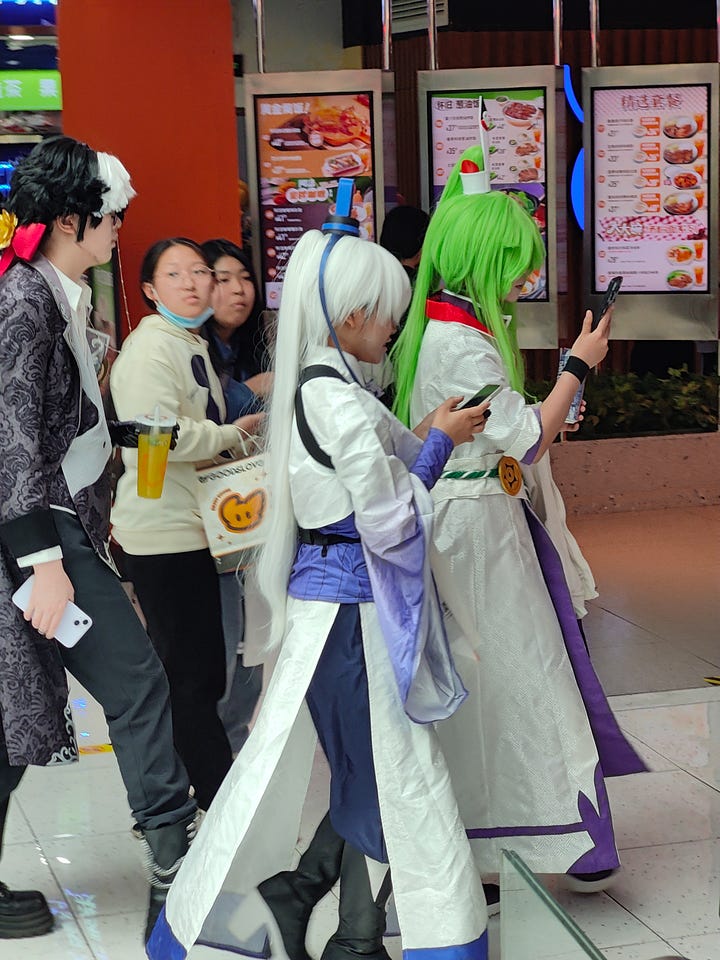
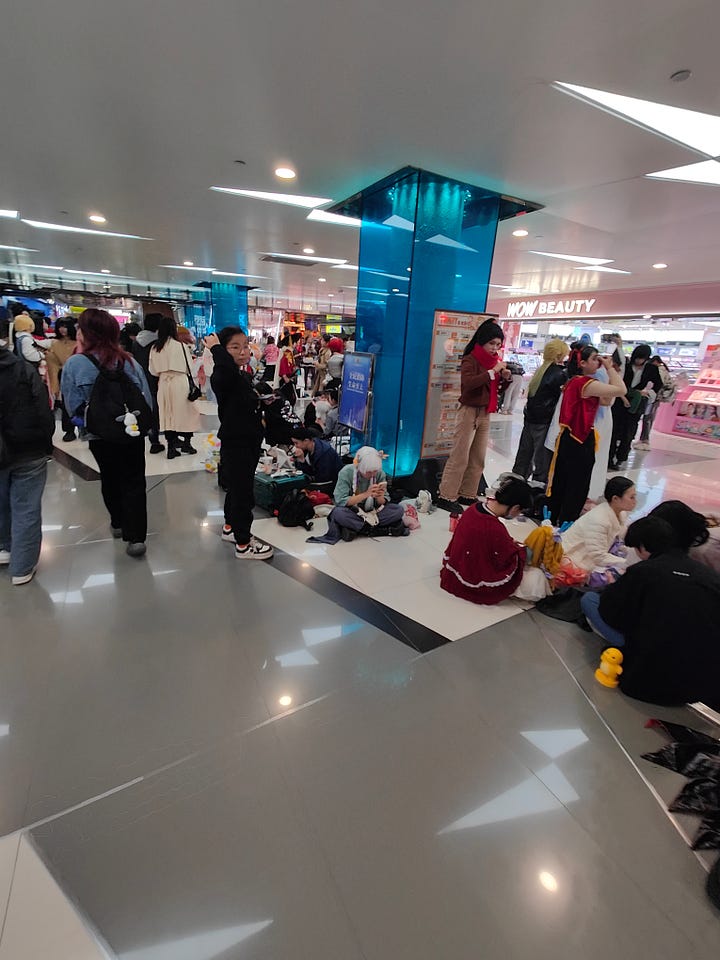
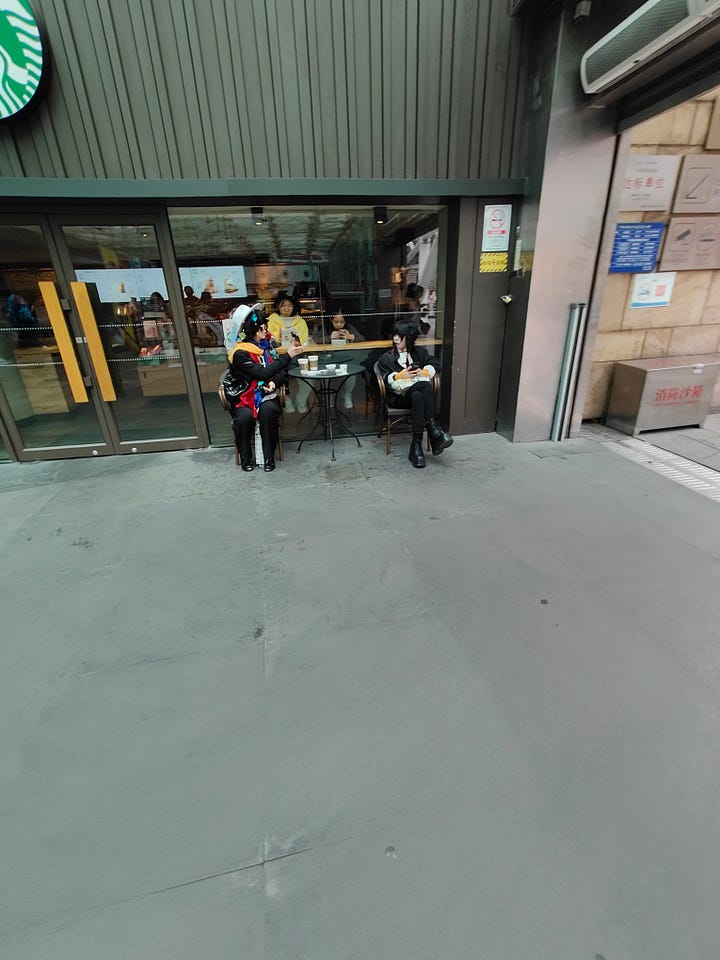
I visited Guangzhou for the first time ever in February 2025. It was a Saturday when I was walking around the city centre, so there were plenty of people about, but then again, that’s always the case with Chinese cities. I noticed now and then that there were some young people dressed up in elaborate anime cosplay walking about. The more I walked, the more I saw that there were actually a lot of cosplayers in Guangzhou. Was there some sort of event or convention happening? That’s not what you get to see much even in London.
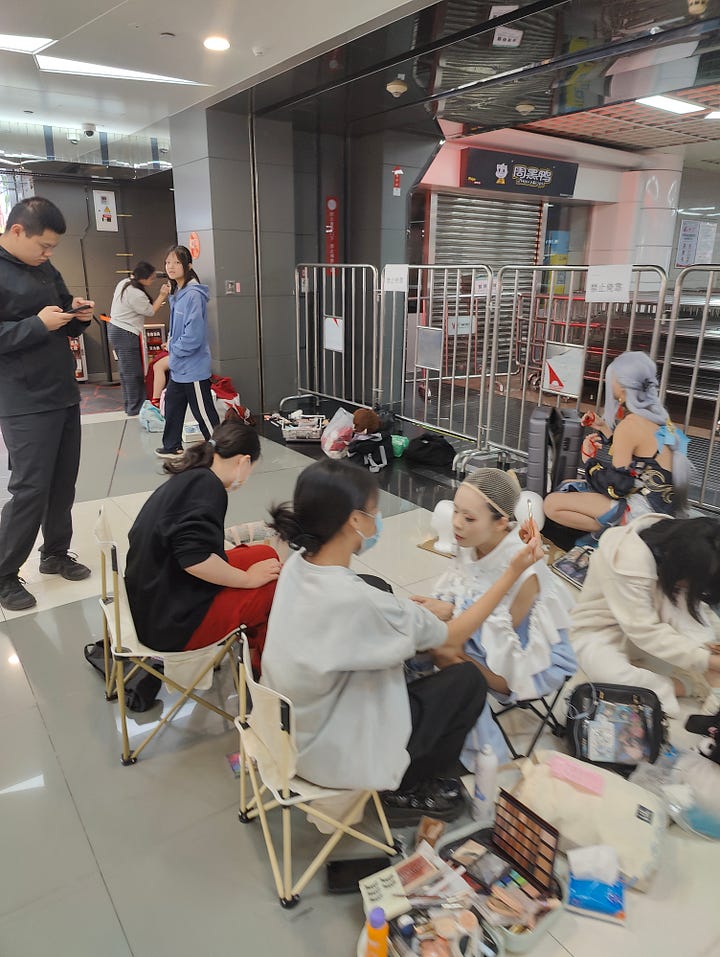
I was making my way from the Sun Yatsen Memorial Hall to the Guangzhou Uprising Memorial Hall, but one of Guangzhou’s main thoroughfares, Zhongshanlu, was in my way. My instincts kicked in and so I decided that entering one of the metro entrances will lead me to an underground path to the other side. Well… not quite. I descended down on an escalator lined with giant posters of local anime characters and then attempted to find a way through the apparent maze. No luck! Everywhere I turned led me into a dead-end. But what I had discovered was that this wasn’t the entrance to a metro station but a huge underground, multilevel shopping centre solely catering for the anime cosplay scene. So this was where all those cosplayers were gravitating to. It was a real hangout place for them. Cosplayers fully covered all available open spaces, putting on makeup on each other and taking photos. Everyone was more than half my age, so as the older European guy here, I stood out like a sore thumb. It was absolutely fascinating to see how huge the scene is in China. It did make me wonder what the authorities think of such large gatherings of young people, but I did read later that the Communist Party actually encourages this scene as the characters that cosplayers in China dress up as are usually drawn from Chinese mythology, so it’s a display of patriotism.
After a desperate 15 minutes trying… and failing… to find an exit to get me to the other side of Zhongshanlu, I gave up and returned to the original entrance I came in. Still, this was a side of Chinese youth culture I wouldn’t have known about had I not made that decision to go down the escalator.
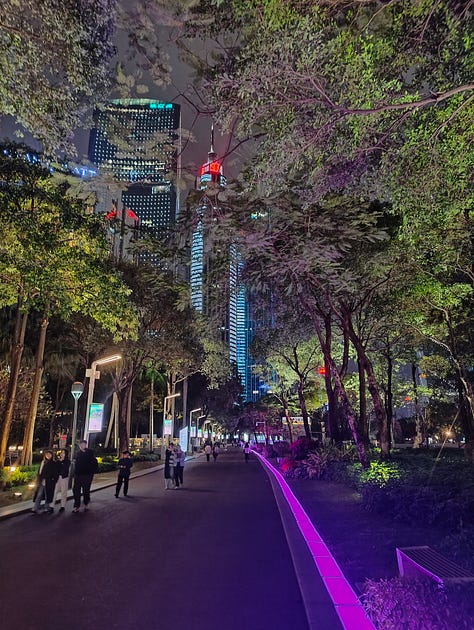
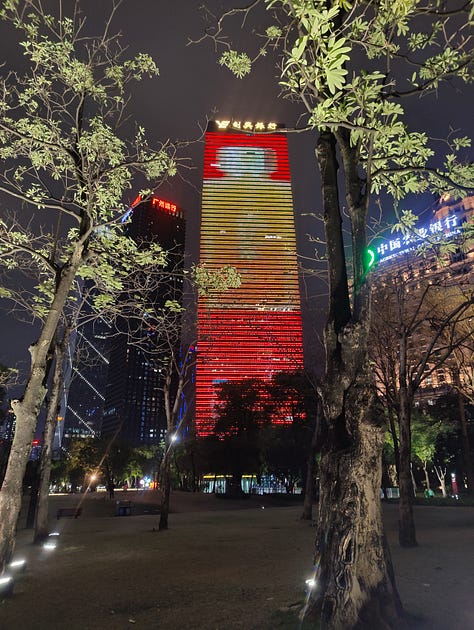
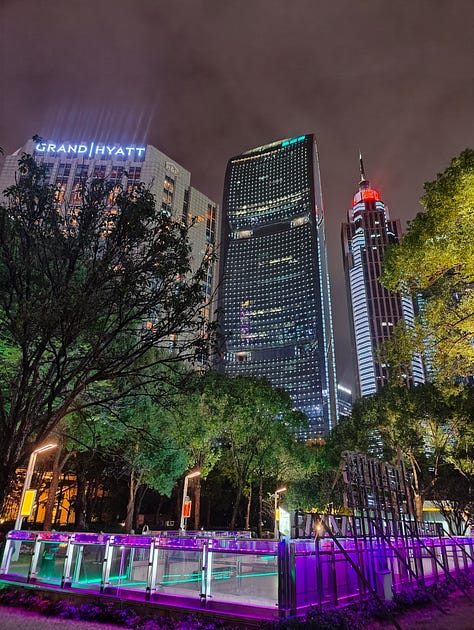
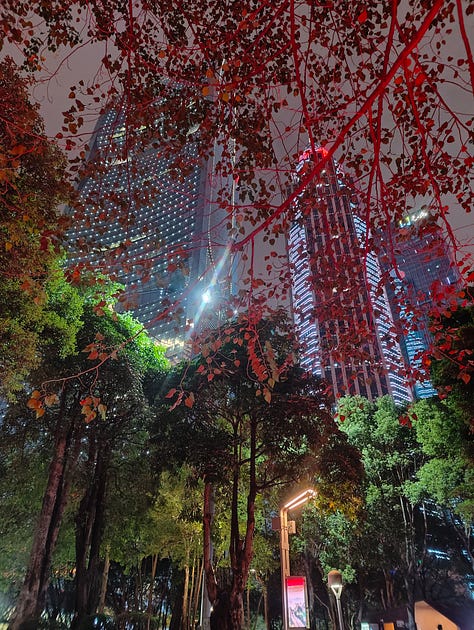
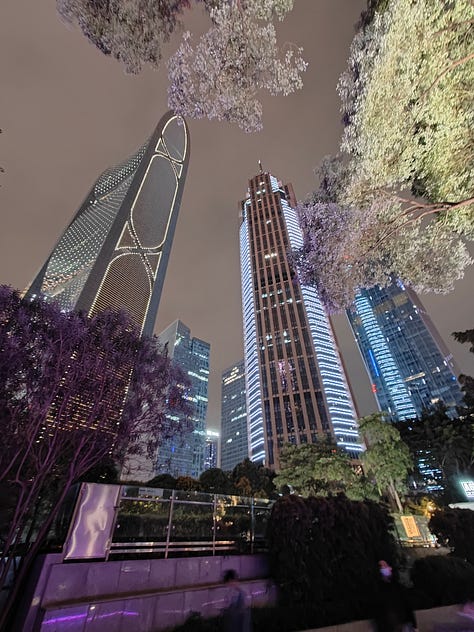
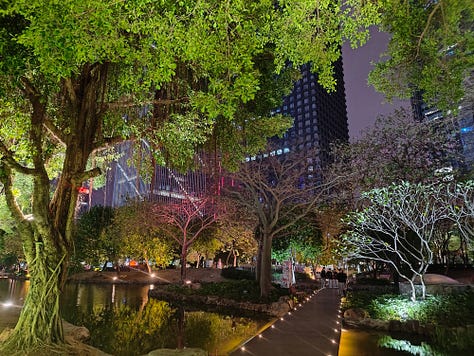
The modern Tianhe district of Guangzhou with flashy buildings and bright lights was extremely photogenic at night. Here are some of my best shots
A Balkan restaurant… in Nairobi, Kenya
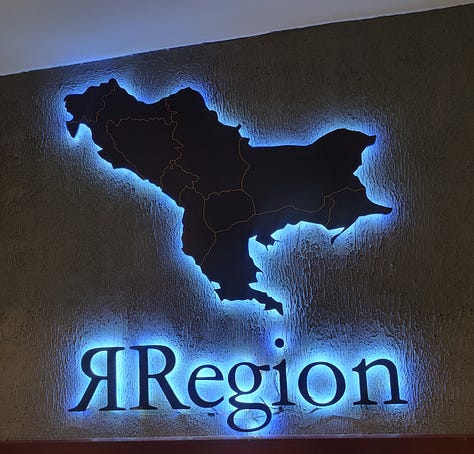
I travel from London to Australia twice a year. I do this for two reasons – to keep up to date with the latest in Australian English, and to visit family and friends. Now, normally I’ll use the opportunity to do an extended stopover usually somewhere in Asia, hence Guangzhou above. However, I decided that for my October trip I’d take a different approach to my journey and hop my way via Africa. First stop was Nairobi. My first day in Kenya’s vibrant capital had taken me on a tour around the city and to the country’s national museum. After a jam-packed day seeing the sights, I was a bit hugry, so I went on the net to see what restaurants were on offer within walking distance from my hotel. The first place that popped up had me blink twice. Did I not get enough sleep on the flight the night before that I’m now hallucinating but did I just see the word “Balkan” appear? I did a double- then a triple-check, and it was true… there was indeed a Balkan restaurant just around the corner from my hotel. Get out! And why?? Never did I expect that there would be such a place in the heart of eastern Africa. I mean, who’d go to a place like this? It’s not like Nairobi is known for having any sort of Balkan diaspora, and Balkan cuisine, though making major inroads worldwide thanks to the likes of the marvellous Irina Janakievska, does not have the same reach or recognition as, say, Italian or Chinese cuisine. Curiosity had the better of me and I had to go investigate. So off I went.
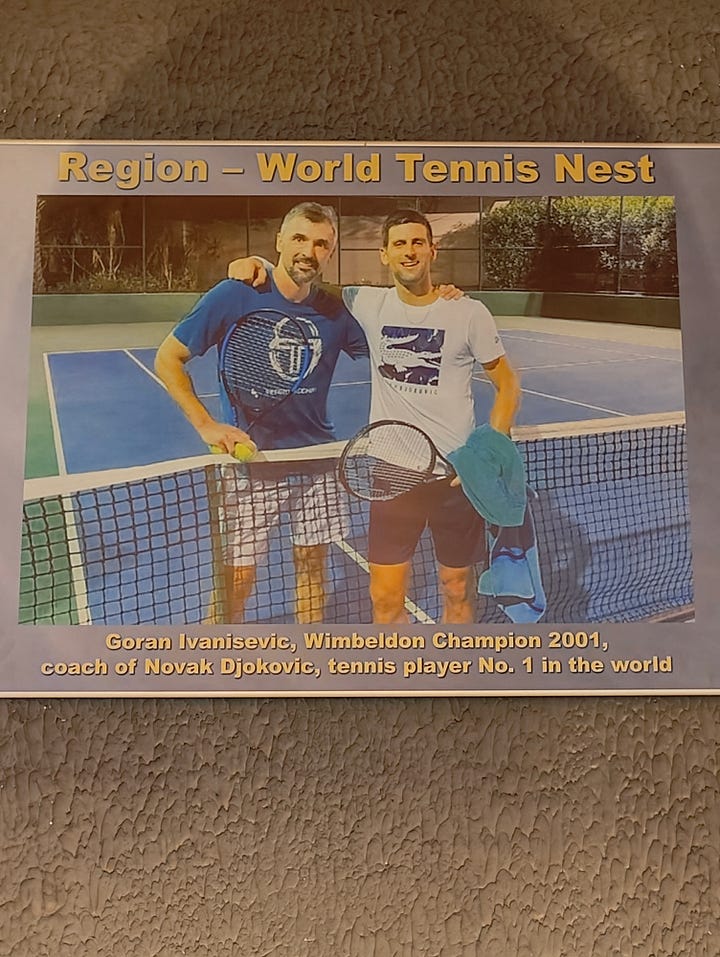
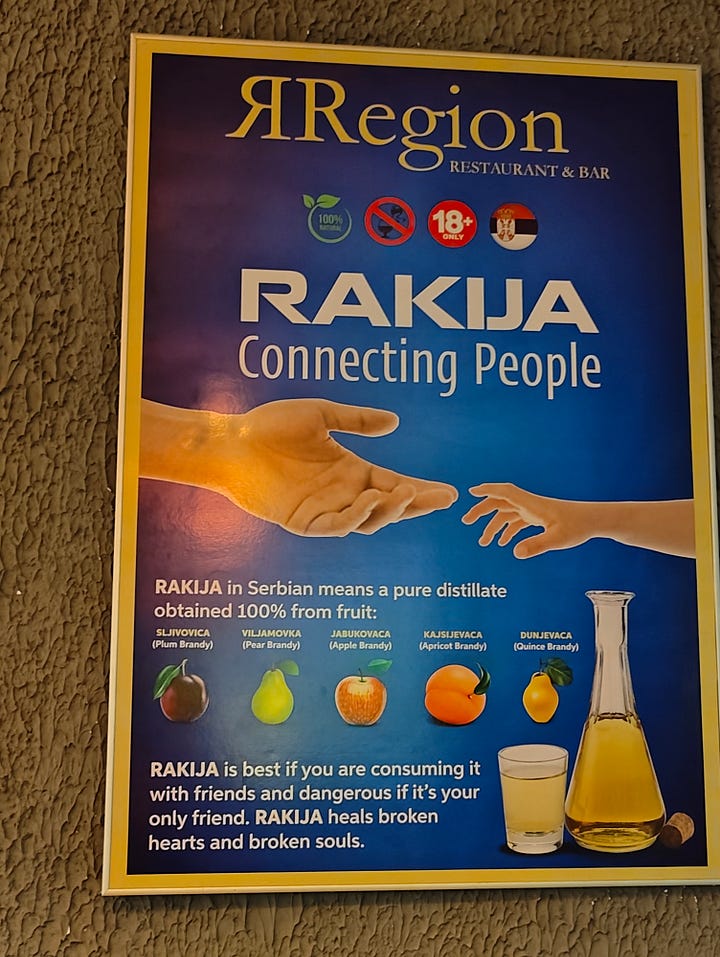
The restaurant indeed was only a two-minute walk away. I arrived to find a familiar scene – a group of European men were sitting out the front drinking beers and smoking. They were all “my lot” – Balkan. The scene looked no different from that you find from any typical Balkan kafana. The restaurant itself was empty (it was a weekday night) but I had to try it out. I could see that the chef was definitely from the Balkans, so that was a good sign. The walls were adorned with pictures indicating that the proprietors were Serbs – one about rakija, a giant picture of Tito with Kenya’s first president Jomo Kenyatta (Yugoslavia’s leading role in the Non-Aligned Movement has left a positive legacy throughout Africa, as I detailed here) and a map of “the Region” – the euphemism speakers of Serbian, Croatian, Bosnian, Montenegrin, Slovenian and Macedonian use for “ex-Yugoslavia” or “the Balkans”, and hence the name of the restaurant. I ordered the dish that serves as the perfect litmus test for Balkan restaurant – the mixed skara plate. As I was waiting for my food to come, I noticed that more Balkan men (just men) were turning up. They all seemed to know each other, so this restaurant was more of a Balkan community gathering point for them, much like what a local kafić is like back home for them. The skara spread arrived… and the verdict – it was perfect! The only thing out of place was that there was barbeque sauce instead of ajvar, though I put that down as a nod to local tastes. A definite thumbs-up from me. So if you’re craving for some ćevapčići in Nairobi, make your way to Region!


Strumica, Macedonia’s hidden gem of a city
My long-time Balkan and Eastern European travel buddy and great friend, the amazing writer Garth Cartwright, had asked me whether I’d be popping into Macedonia again this. He was putting the final finishing touches for the re-release/update of his iconic book about Balkan Roma musicians, Princes Amongst Men, Journeys with Gypsy Musicians. Since its first release in 2005, many of the amazing musicians featured in the book have left this world, while new stars have appeared. One of the biggest Roma musicians to come out of the Balkans in recent years has been Djambo Agushev and his orchestra. Garth wanted to interview him in his hometown of Strumica, in the southeast of what is begrudging known as “North Macedonia” (big tip – never say “North” with a Macedonian!). As I had already had planned to be in Greek Macedonia and then in Bulgaria with a week gap between, and with Strumica being perfectly located on the way between the two places, I told Garth to come join me in Salonika and then we can make our way up to Strumica and then to Sofia. And so we did in November this year.
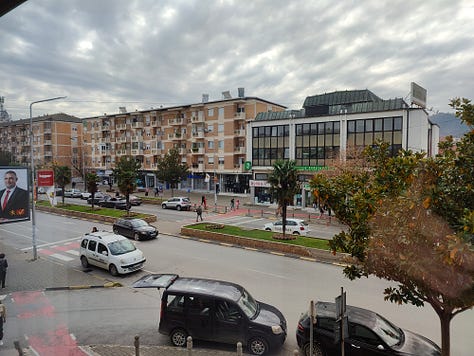
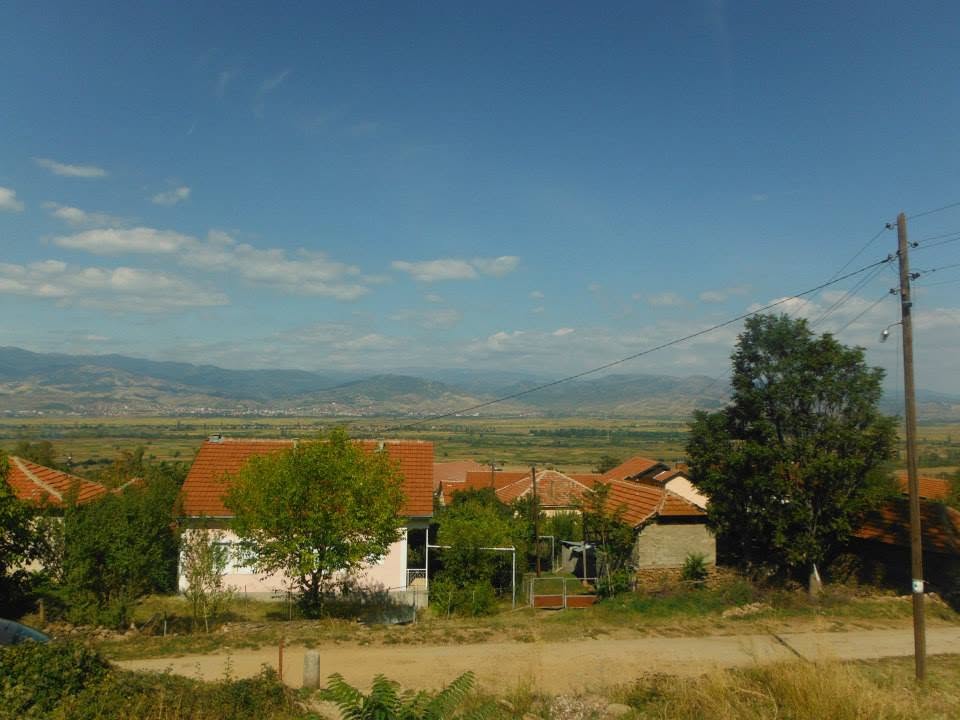
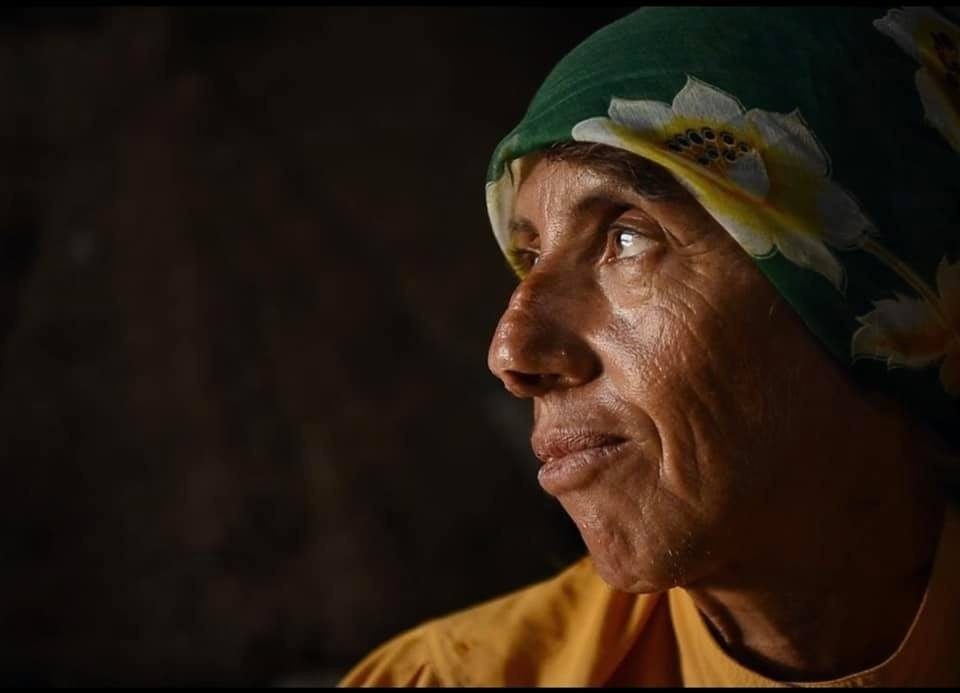
I had only skirted Strumica by car twice before in my life, and despite knowing many warm and friendly people from there, I had never properly visited the city. So it was exciting to see what Strumica was all about… and I was beyond impressed. First of all, it is a city and not some overgrown village, as what many of the other Macedonian “cities” (“gradovi”) are like. The city centre is modern, with plenty of brilliant restaurants, cafes and shops, as well as some stunning old buildings full of character. The hills are a brief walk nearby, where there are small parakleisons and, curiously, the grave of the internationally famous, Strumica-born faith healer and clairvoyant Baba Vanga. I say “curiously” as Baba Vanga is also buried across the border in Bulgaria in the village of Rupite, the place where Baba Vanga lived from 1942 until her death in 1996. No-one so far has been able to explain to me why Baba Vanga has two graves, so if you know, let me know!
Strumica also takes deserved pride in how its large Turkish-speaking Roma community is well integrated into the everyday fabric of the city. Unlike in many other places all throughout Europe, where Roma are largely confined to hidden ghettoes (for want of a better word), the vibe gleaned from the Roma in Strumica is one of confidence and belonging. They felt quite comfortable being in all parts of the city.
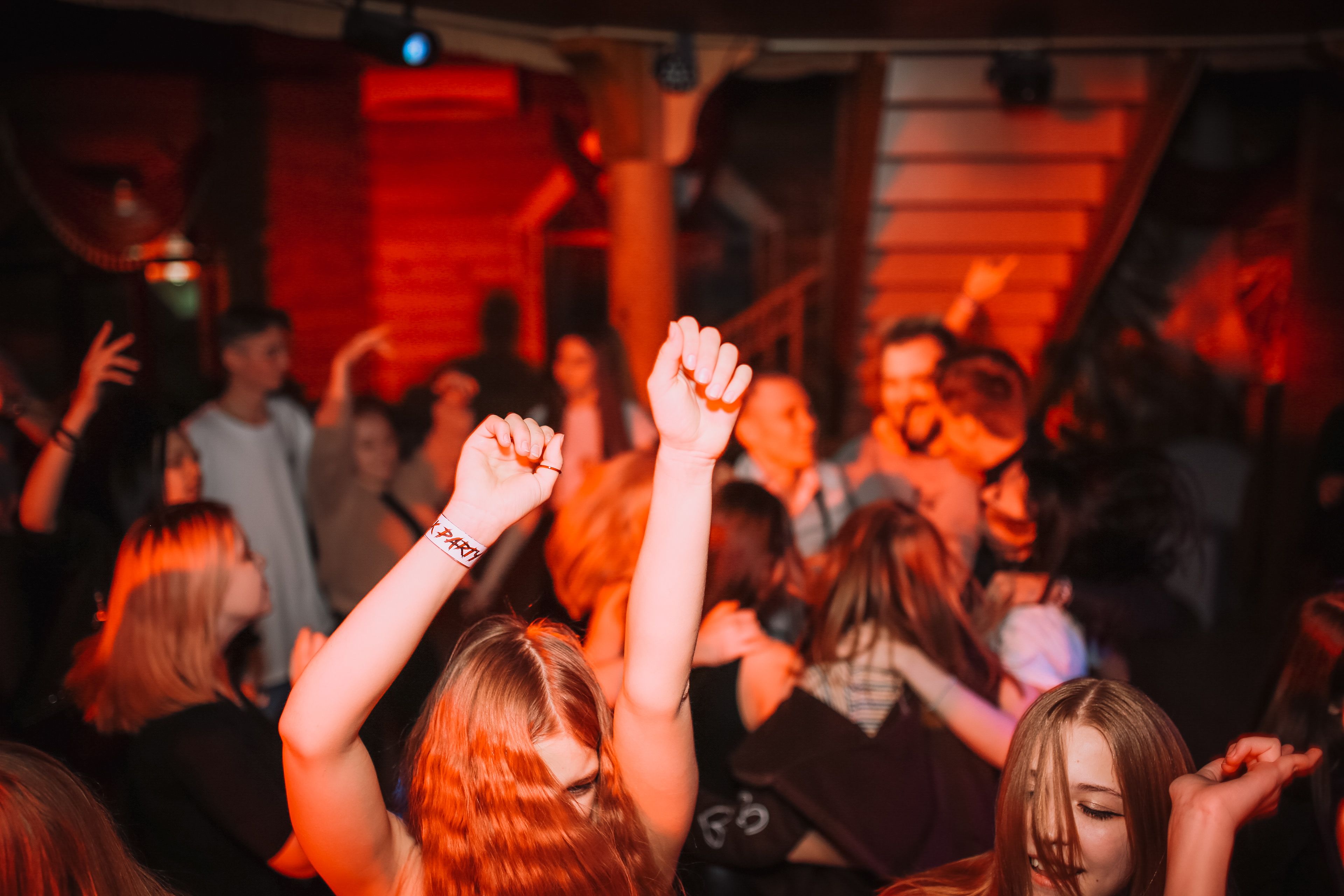
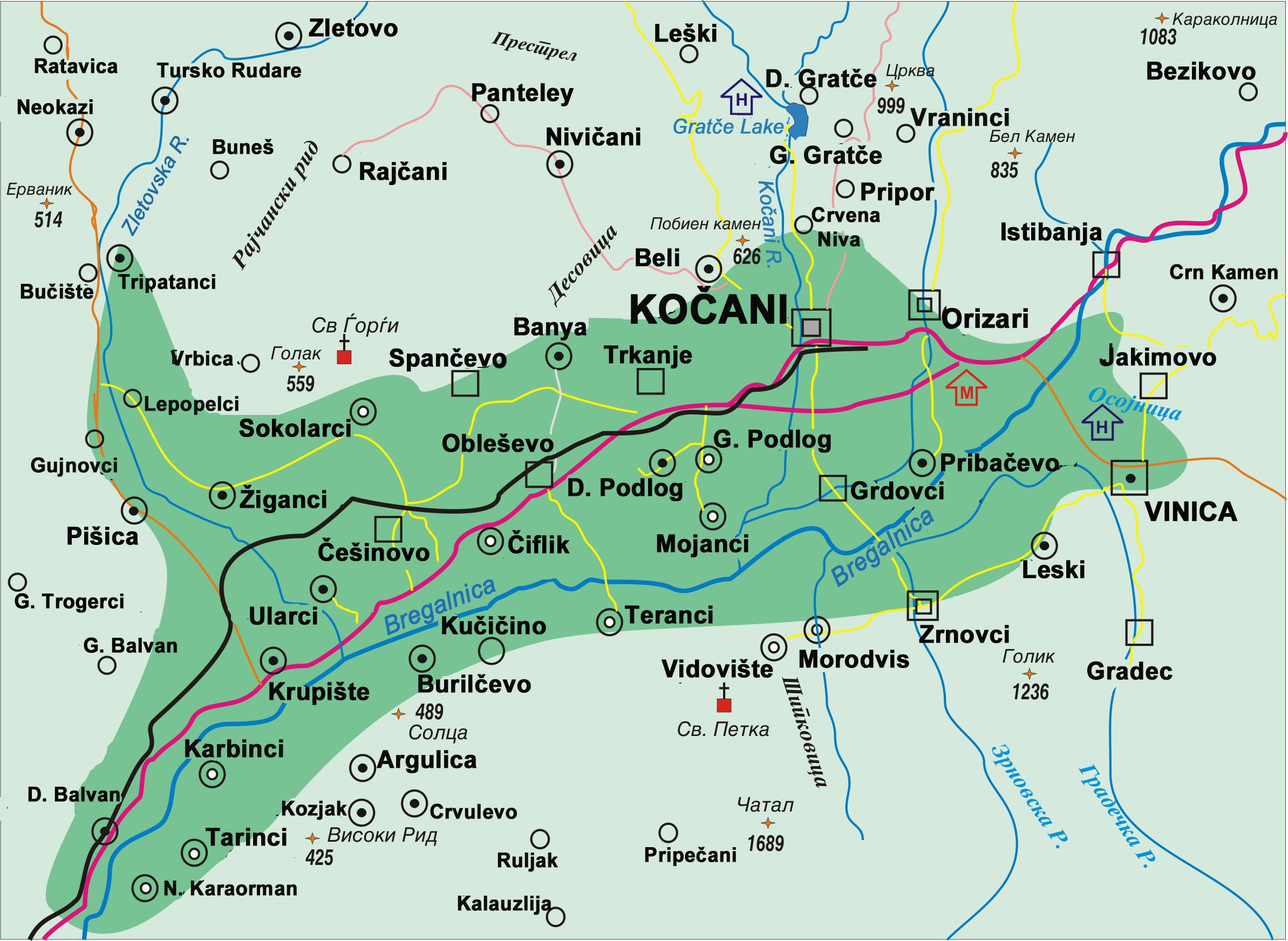
Our main purpose for being in Strumica was to interview Djambo Agushev in his hometown. Now, things in Macedonia aren’t planned – they usually just happen. I had messaged Djambo to see if we could talk to him. Alas, it was crickets. Not a biggie, as Garth and I simply enjoyed the atmosphere in Strumica. But this is Macedonia. On the afternoon of our final day in Strumica, just as we were resigned to the fact that we wouldn’t get to fulfil our task, I suddenly get a message from Djambo – “Can we meet in 15 minutes’ time?” Of course we can! After a change of meeting location, Garth and I dashed our way to meet Djambo in a finely appointed restaurant. Now for a weekday afternoon, this place had a fair share of customers. Djambo graciously greeted us and we joined him at his table. And let me tell you – for the superstar he is in Macedonia and the Balkans, he’s the most down-to-earth guy you could meet. Actually, I wasn’t really needed much for interpreting as Djambo has learnt enough English to conduct his way through interviews, which is impressive considering the last time Garth met Djambo in 2019, he could only muster a few words of English at most. Djambo and I had a good old Macedonian conversation. We of course had mutual connections – Djambo Agushev is a good friend of Jane Rafailovski, the brother-in-law of one of my cousins, and who is also a famous clarinet and saxophone player. We discuss how even successful and affluent Macedonians such as Djambo Agushev move abroad to provide better education and career opportunities for their children, and we mourned how many people we knew who perished in the Pulse nightclub fire that happened in my father’s hometown of Kochani, Macedonia in March 2025. Honestly, Djambo Agushev has a heart of gold. And his message to anyone wanting to make a mark for themselves – be original and true to yourself.
Djambo Agushev and his orchestra will be touring Australia in 2026, including Womadelaide in my hometown of Adelaide. Tickets for their Sydney, Melbourne and Perth shows are available here.
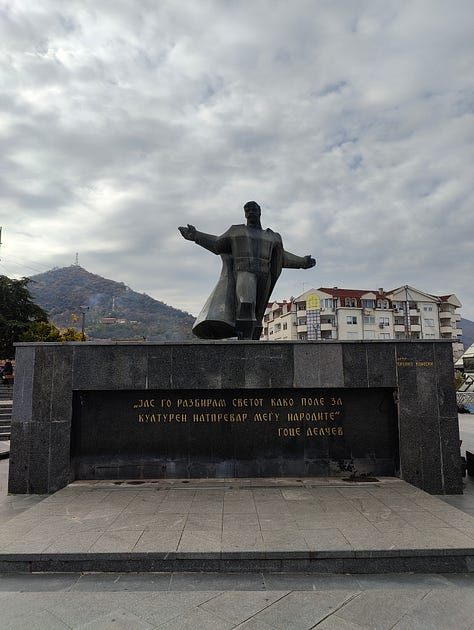
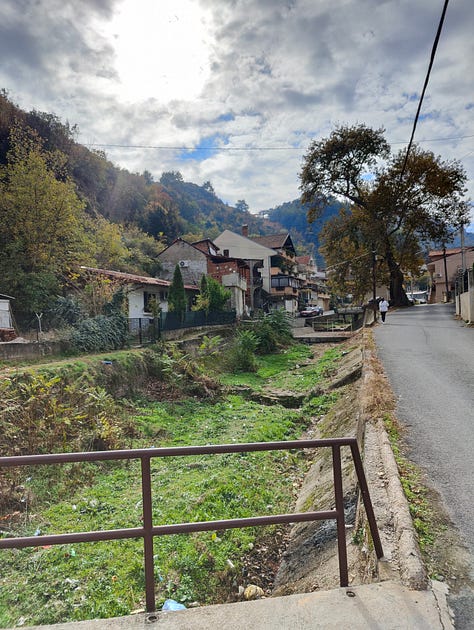
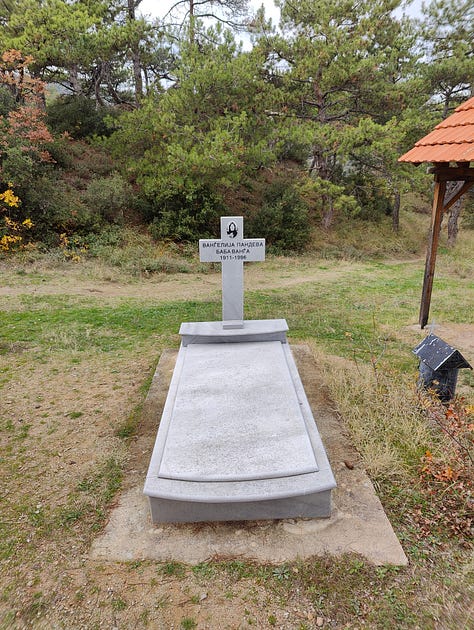
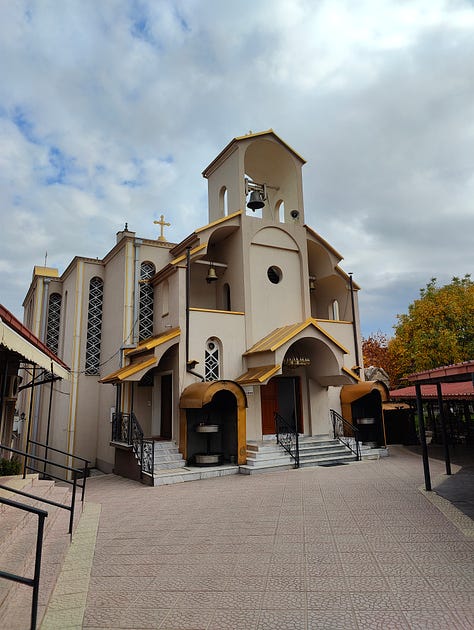
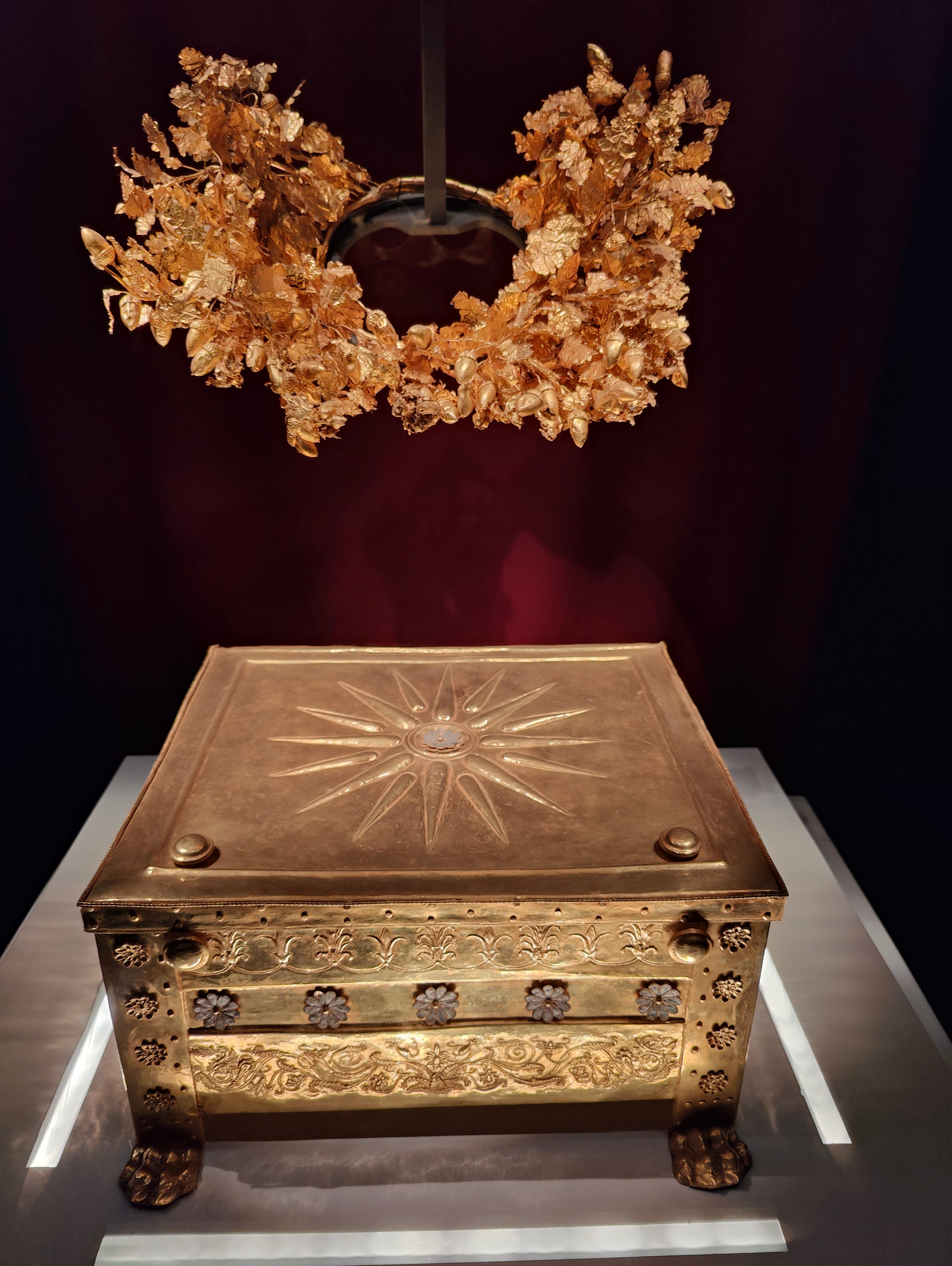
Seeing the sunburst and returning to the lake
My maternal grandmother’s 100th birth anniversary was to occur in November 2025. I’ve turned in it into a tradition, as well as a pilgrimage of honour and respect, to go to the birthplaces of my grandparents for their centennial. I did so in May 2017 for my maternal grandfather… well, close enough – I spent the day of his official birthday (my grandfather actually had no idea when his actual birthday was, just that it was sometime during WWI, so he just made up a birthdate) with my cousin, who has the same name as our grandfather, in a series of interesting events around the town that my grandfather lived in before escaping Bulgaria in 1948. I planned to do something similar in my grandmother’s village for her anniversary. I was at first going to go with my sister, who has never been to our grandmother’s birthplace. My sister bares a striking resemblance to our grandmother and, spookily, has her birthday a day after our grandmother’s (though that date is just a rough one – our grandmother could have been born anytime between mid-October and mid-November). However, my sister couldn’t make it in the end, so I had to face going to the village on my own. This village is now in Greece, but our grandmother did not see herself to be ethnic Greek, which put her at odds with the Greek authorities all her life. That plus her first husband being killed in battle during the Greek Civil War on the losing Communist side and leaving her widowed and politically tainted forced her to flee as a refugee to her father in Australia in 1949. This, plus the ongoing ethnic politics in the region of Lerin/Florina, Greece, where ethnic, linguistic and cultural minorities remain officially unrecognised, makes visiting the village quite an emotional challenge for me and my family. This is something I talk about in Kapka Kassabova’s award-winning book To The Lake, and interviewed about with Jerry Kisslinger. Regardless, and with much trepidation, I did make it there.
Before arriving in the village, I did drop by some places of interest for me:
- Asvestohori/Pejzanovo, a village overlooking Salonika. Until the 1920s, this was one of the most southern Macedonian-speaking villages in Greece.
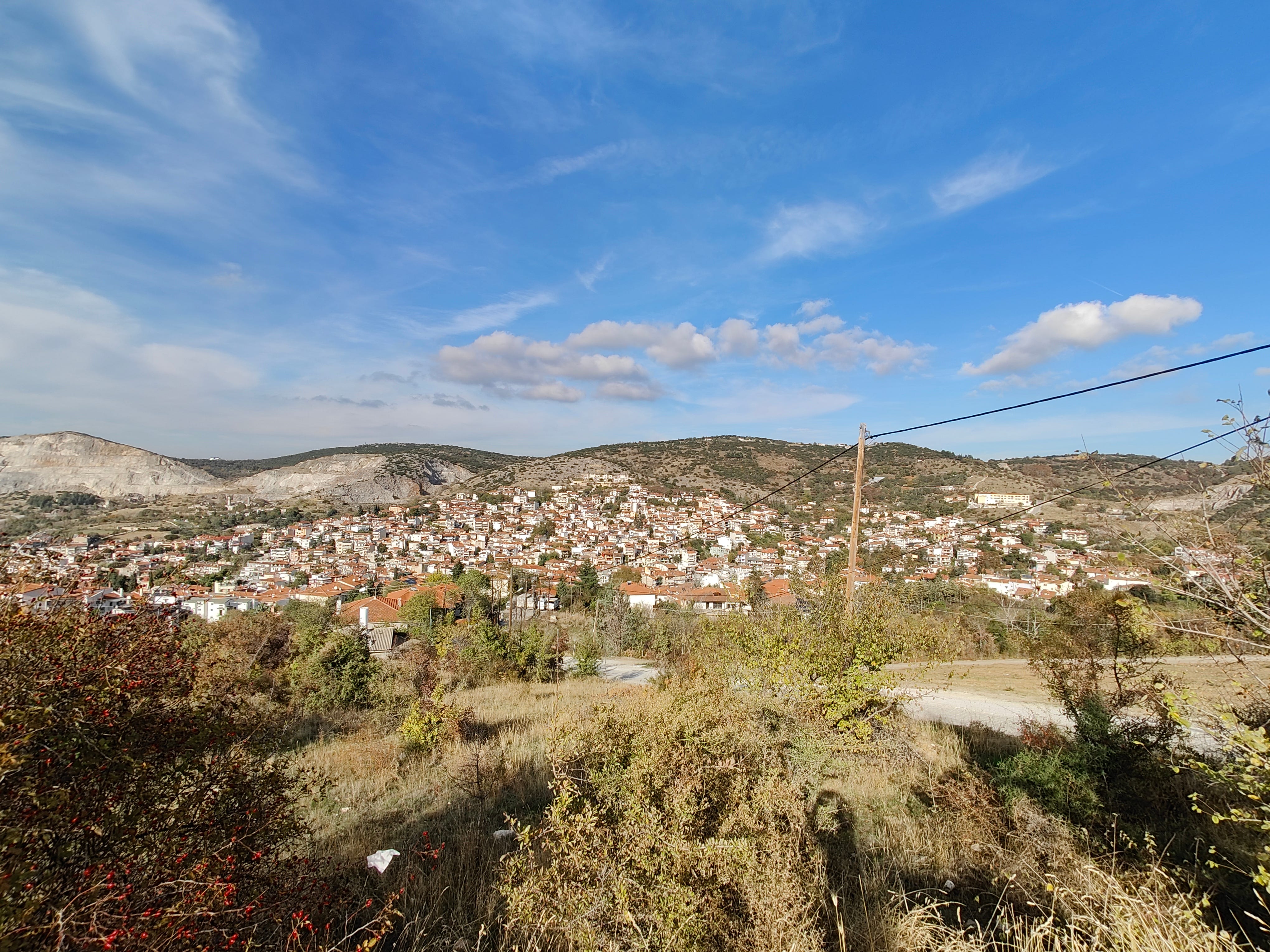
- Vergina/Kutlesh, to see the tomb of the Ancient Macedonian royal family and see the original Macedonian sunburst symbol
- Klisoura, an Aromanian village that was an epicentre in the 1903 Ilinden uprising
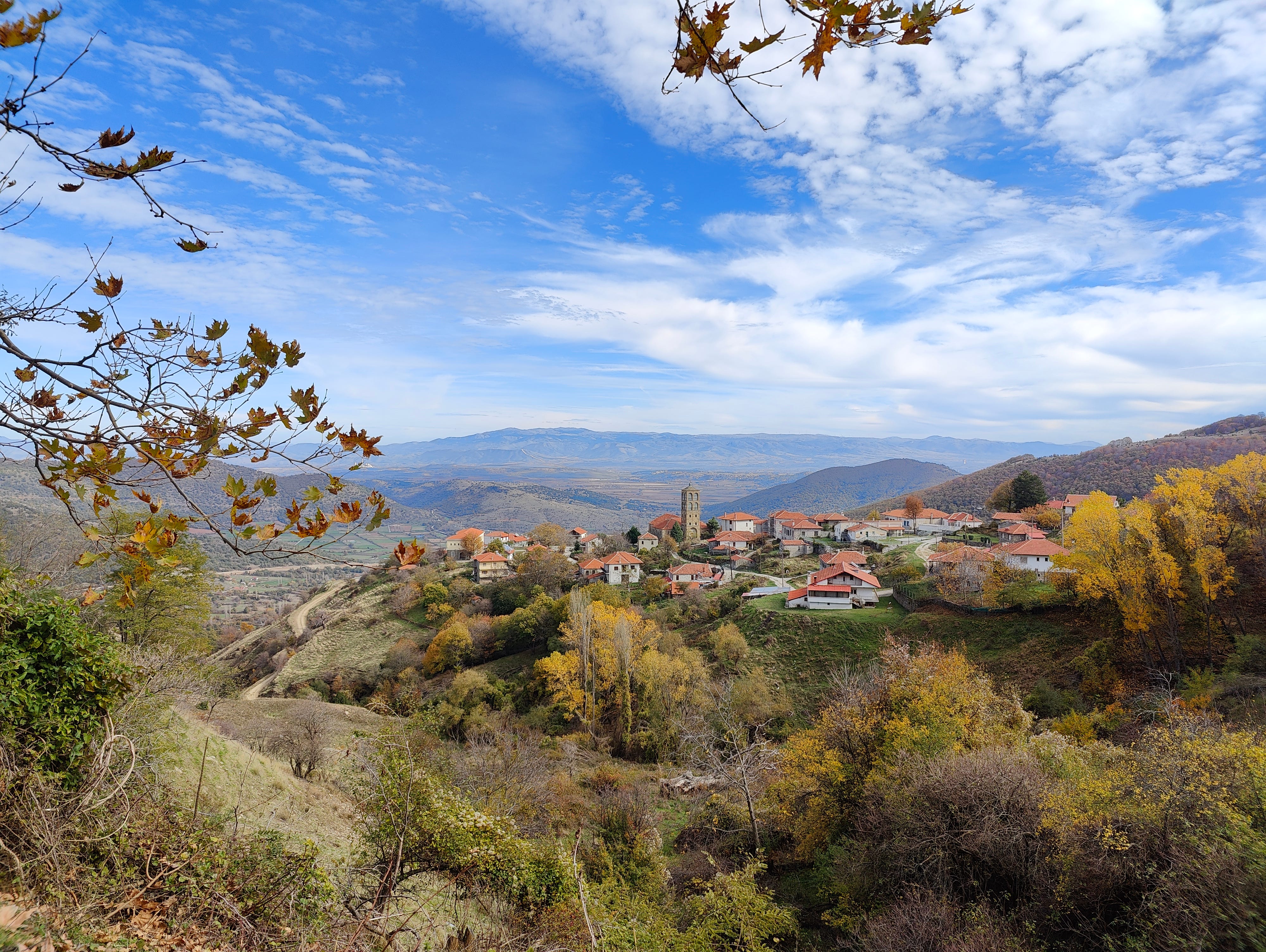
- Vasiliada/Zagorichani, the birth village of Dimitar Blagoev, the father of Russian and Balkan communism
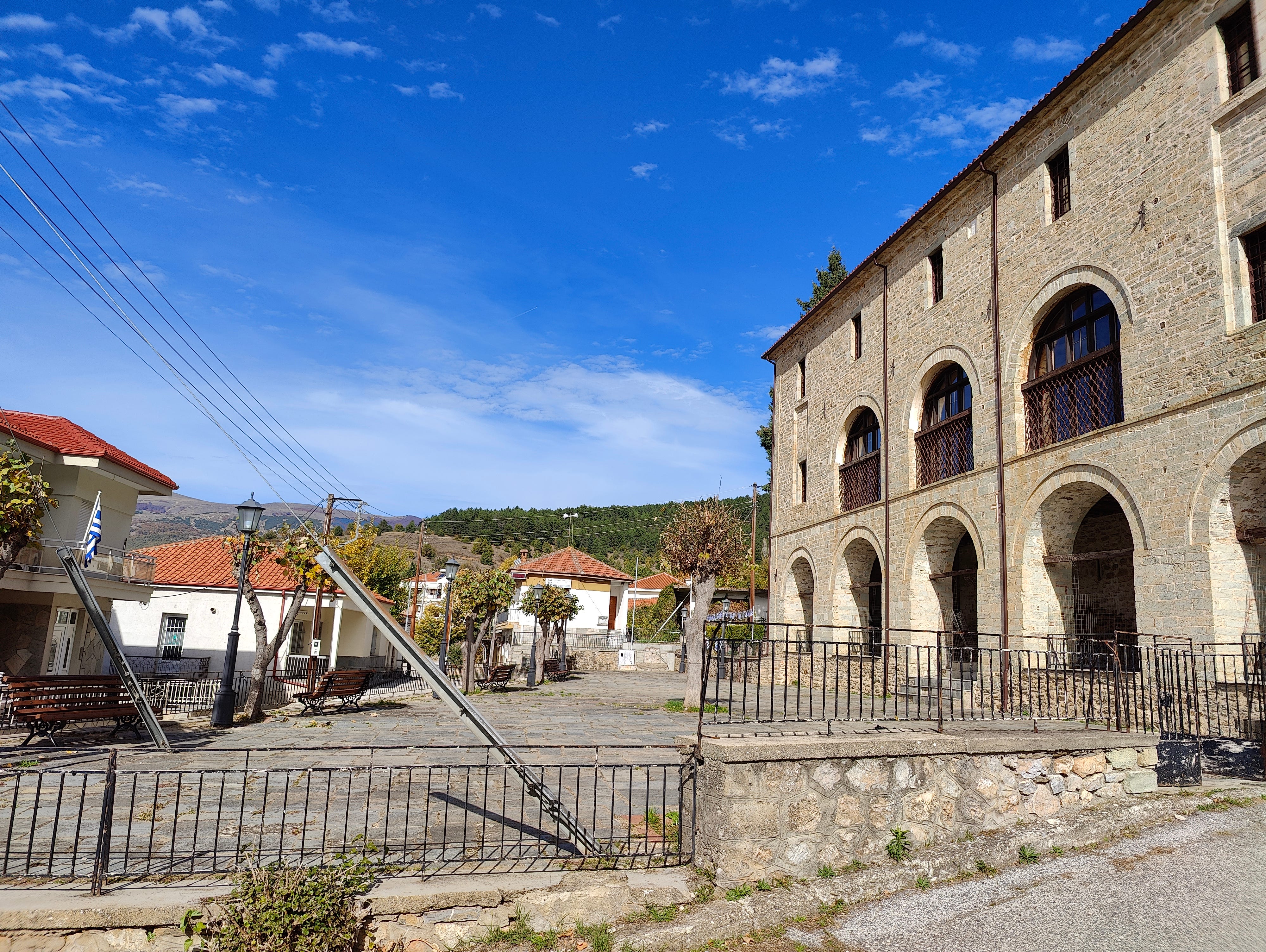
- Sidirohori/Shesteovo, the village where in To The Lake Kapka and I encountered a modern gravestone bravely written in both Greek and in Macedonian (Cyrillic)
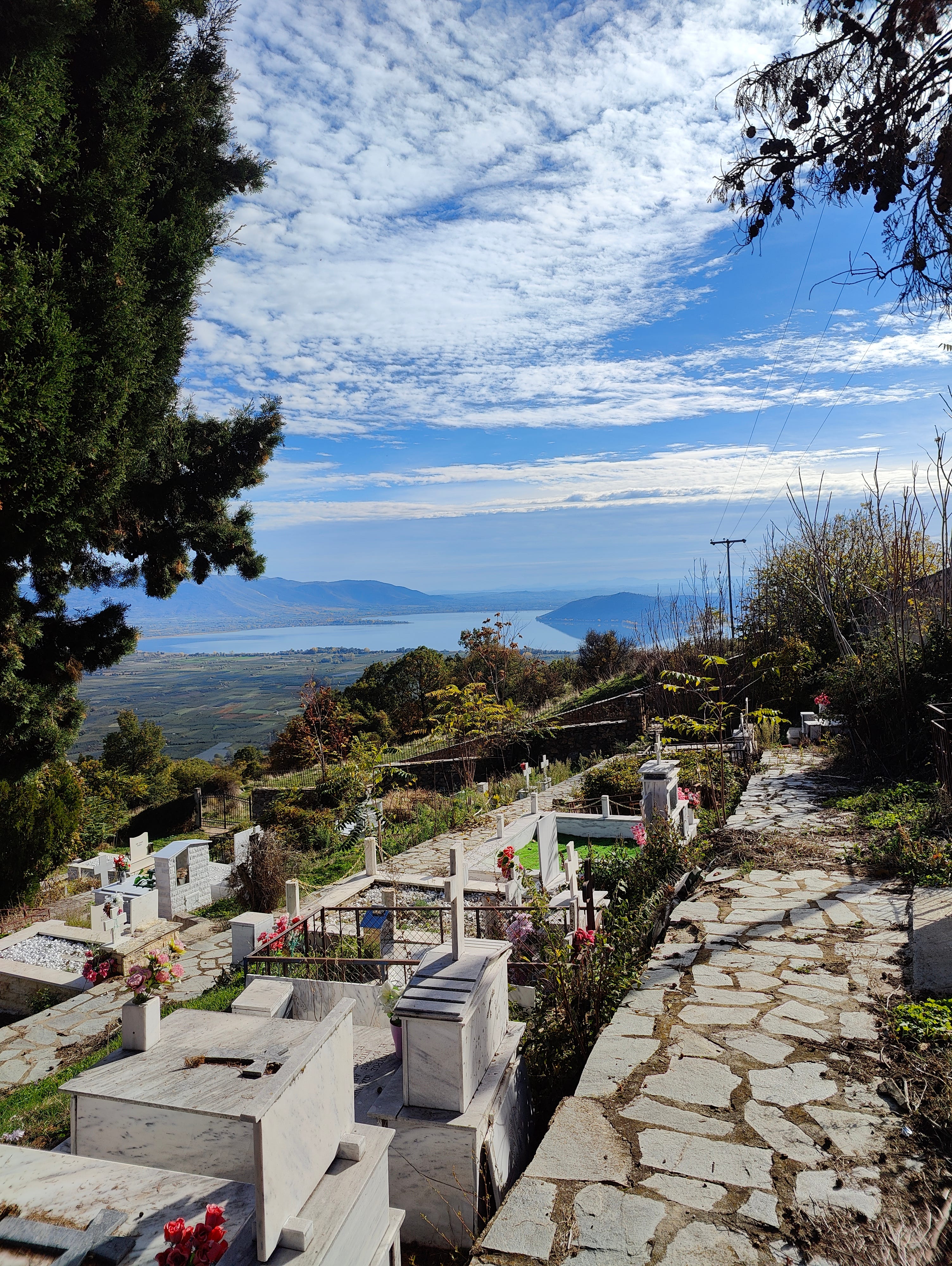
- Vissinia/Visheni, now a nearly-deserted village, but many from the Macedonian community in my hometown of Adelaide, Australia, descend from here
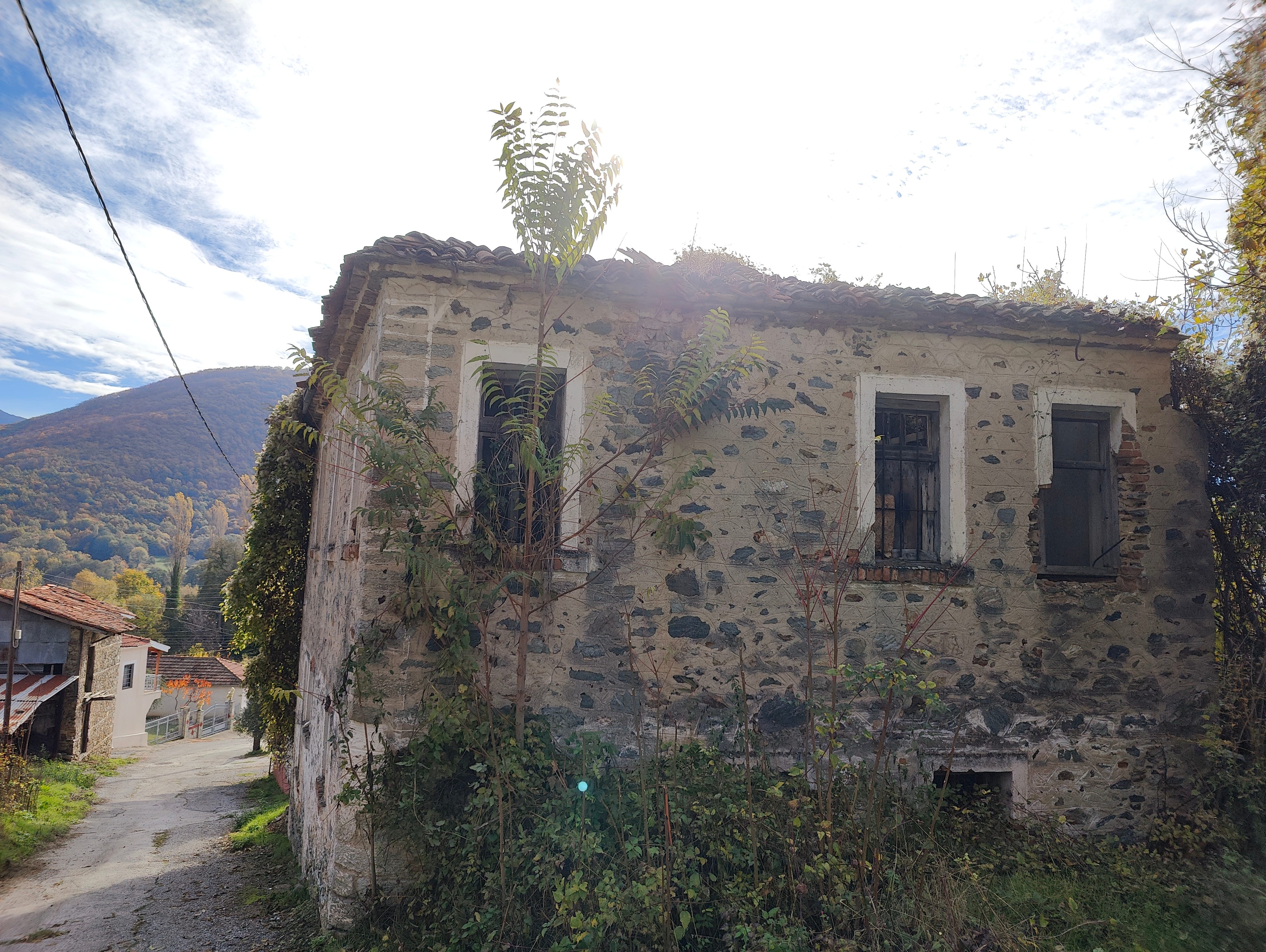
- Vitsi/Vicho mountains, the scene of the bloodiest battles in the 1946-1949 Greek Civil War and where napalm was first dropped on civilians; now completely depopulated and eerily serene in a deafening silence
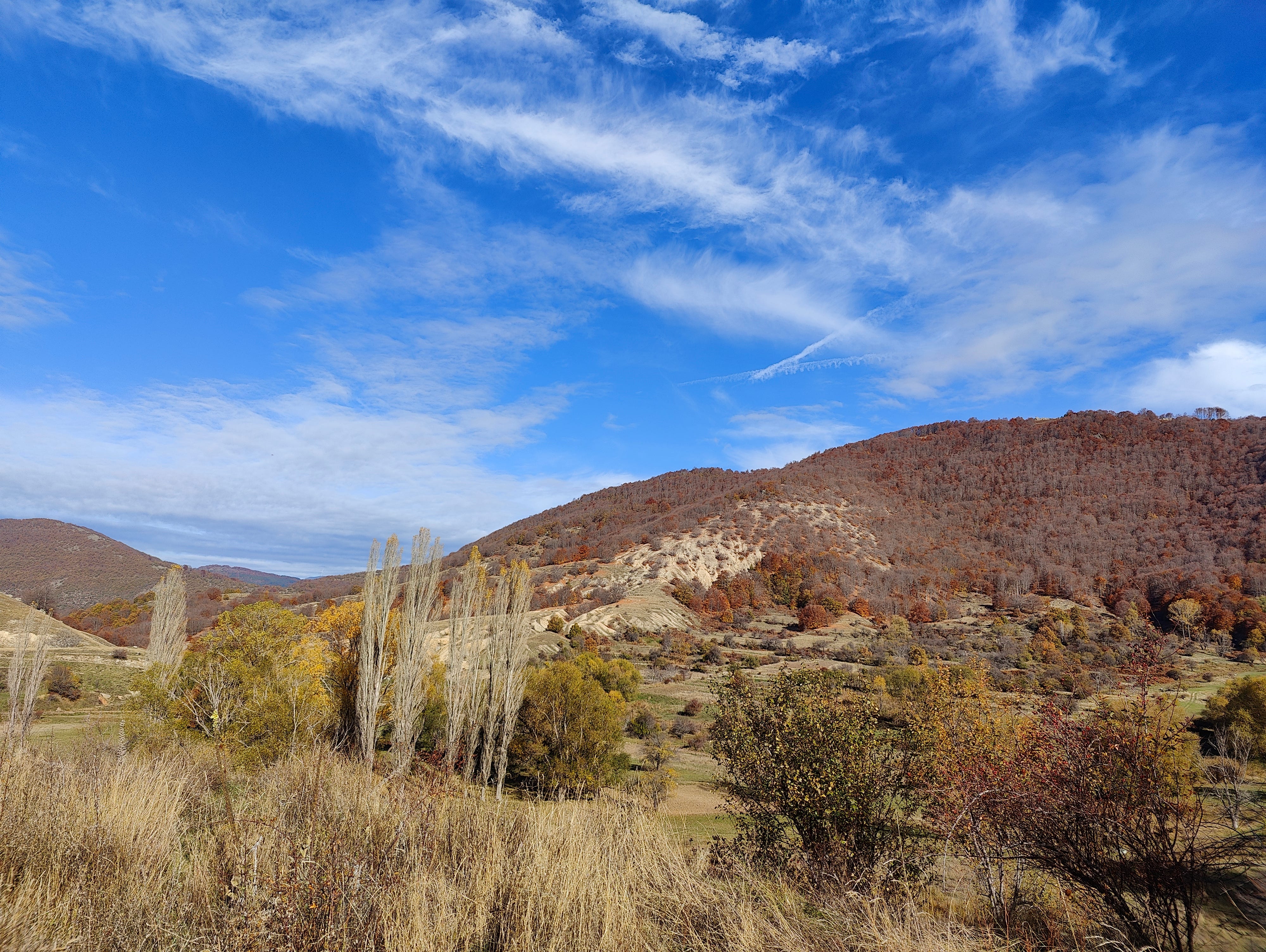
Going to my grandmother’s birthplace means, somewhat paradoxically, first going to the cemetery, as I know more people there than those still alive in the village. Actually, there are more people from the village living in Australia, the USA, Canada, Germany and north of the border in N. Macedonia than in the village. People had been leaving a church service when I arrived, so in true village style, the parishioners couldn’t hide their curiosity – they were all staring at me wondering “who’s this guy?”. I venture into the cemetery and search first for the family grave where my grandmother’s first husband was buried. He was from one of the most prominent families in the village – a position of privilege gained from their intense loyalty to the Greek state. However, my grandmother’s first husband was the black sheep of the family. During the Greek Civil War, he ran away to join the Communist rebels as he saw himself not as ethnic Greek but ethnic Macedonian. Almost 80 years after his death on the battlefield on Vicho mountain, he’s still considered a source of shame to the family as displayed here with his name purposely obscured on the gravestone.
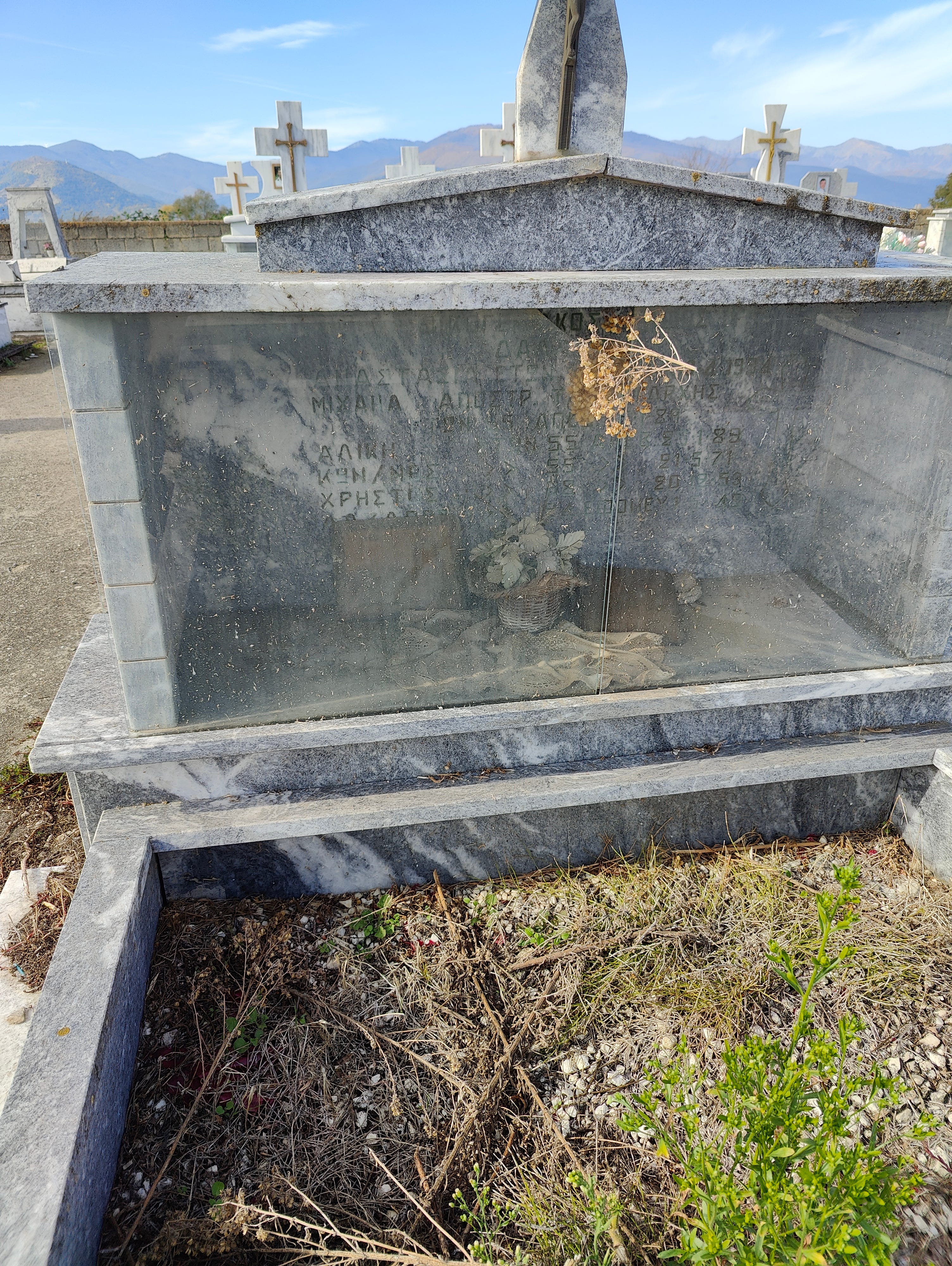
It didn’t take long before a local had to find out who I am. While I was weaving through the gravestones and amazing myself with the official Greek names of people I only knew by their Macedonian names, an old man shouted out something at me in Greek. I respond to him, in the village dialect of Macedonian, that I don’t know Greek. Truth be said, I do know conversational Greek, but when I’m in my grandmother’s village, then it’s only natural that we should speak in, as we say euphemistically, “po nashe” – our way, i.e. Macedonian. Of course the old man can speak “our way”, as does everyone above the age of 40 can. And naturally, the first question he asks is the same one familiar to anyone who has roots in the Balkans – “chii si?” – who do you belong to? After mentioning a few names, the old man was able to place me within the village’s kinship network and all in-built apprehensions he had about speaking in the banned local language with someone who’s no longer a stranger were all gone. Of course, the old man, Kosta, is a distant relative of my grandmother’s (who isn’t in the village?) and we proceed to search together for other relatives in the cemetery. Dedo Kosta showed me the grave of his wife, who had died from cancer a decade before, and regaled how he had been to Australia to attend a wedding in Melbourne in 1989… which made me think that I might have been there too. Kosta left me to it, and eventually, in what had to be the final grave I saw, I find the one of my great aunt’s, quite unkempt I should add, and then make my way to visit my closest relatives remaining in the village. I hadn’t seen them since 2013, so it was great to catch up with them. My second cousin Micho, who’s the same age as me, is quite rusty with his Macedonian – unlike his parents, he speaks the language only rarely, but we communicate well. I make sure to use the Greek terms for modern concepts, such as “kinito” for “mobile phone”, “diploma” for “driver’s licence” and “synavlia” for “concert”. They tell me how much their wages have gone down since the 2010 Greek debt crisis and that everything has flatlined since then. All the young people are leaving the village as there’s no future for them, even as farmers. After seeing them, I then went and took a photo at the spot where my grandmother was born – it’s now a BP petrol station!
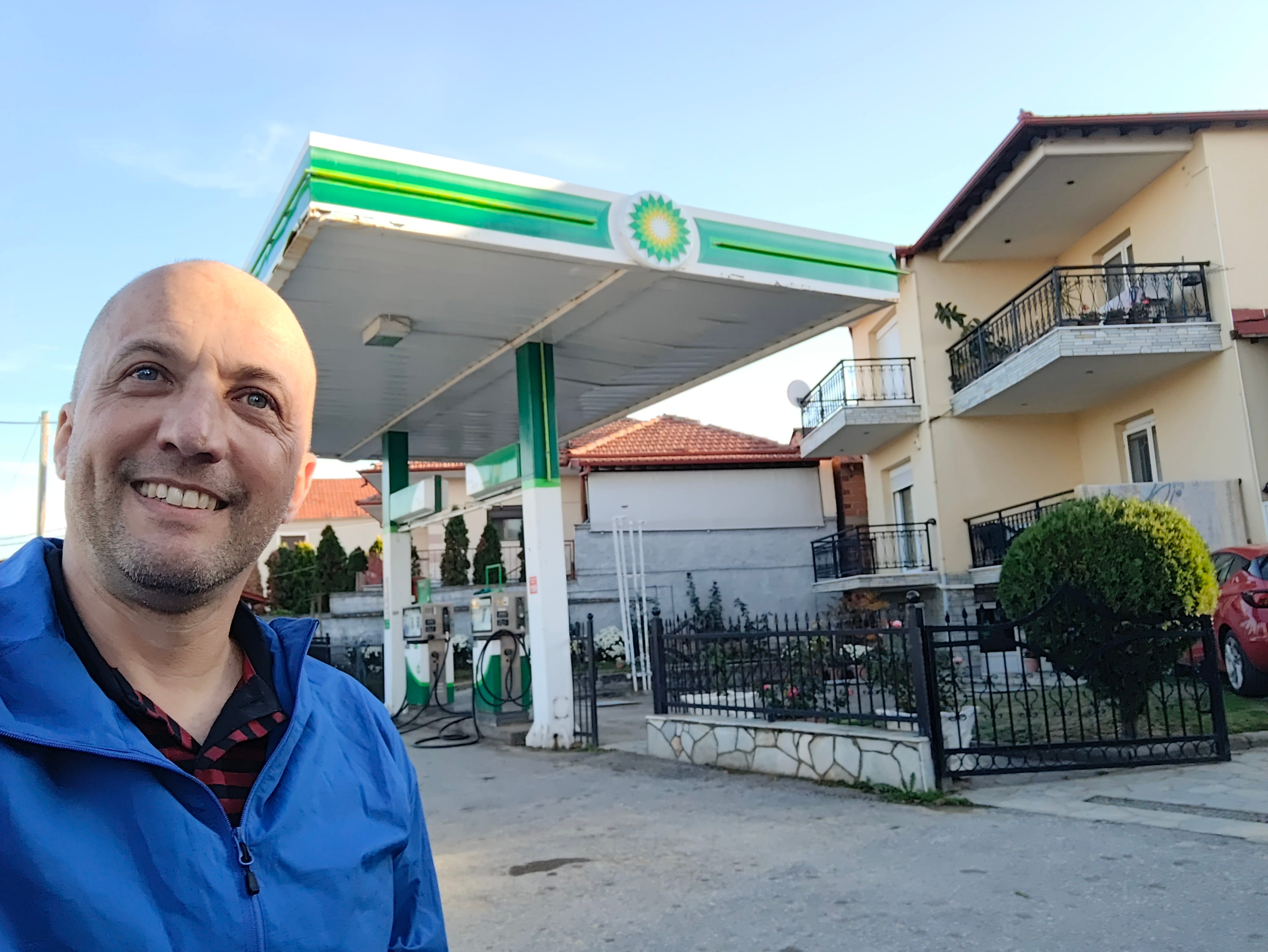
So it was mission accomplished. The village is not how my grandmother would have wanted it to be, but she had no say in that. She was glad that at least I was able to do in Australia what she couldn’t do in Greece.
The highlight of the year: Méglen
I promise I will write more about this day in another post as it’s deserving of it.
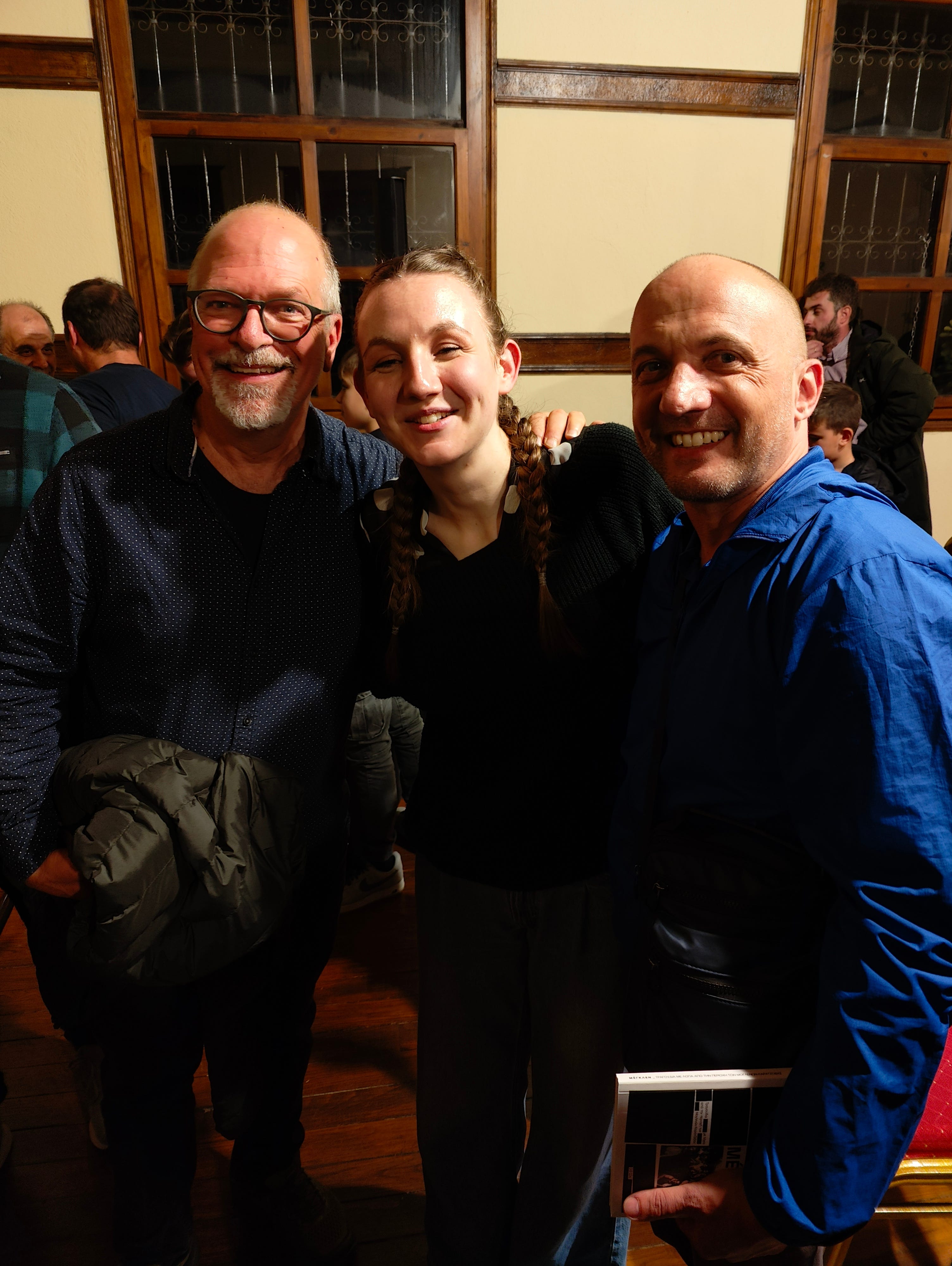
The moment of 2025 that will remain most etched in my mind was attending the symposium for the Méglen Project, held in Edessa/Voden, Greece on 2 November. Together with Jerry Kisslinger of Jerry’s Balkanography, and his family, we were at this event where academics, ethnomusicologists and musicians discussed the significance of the Méglen project and the problems mainstream Greek society has with the acknowledgement and performance of the region’s songs in the Macedonian language native to the region. More details about this ground-breaking project can be found here. As an added bonus, young local musicians and folklorists, including Maria Dafka, Dimitris Moulis and Stavros Tzivanis (of the band Rythmoi tis Makedonias – Rhythms of Macedonia) provided live performances of some of the songs and folktales featured in the CD and book set issued as part of the project. Not only was I a bit fanboy when it came to Maria Dafka, whose music I’ve been following for years now, but it was so assuring to meet people like Dine Doneff, Hristos Apsis and Stamatis Pasopoulos, who were very willing to speak in Macedonian with me. What stood out the most for me was the reaction of the two women who were seated next to me in the audience. When the young musicians started playing, they were overcome with joy. They looked at each other, tears in their eyes and they grabbed hold of their hands. Never in their lives did they think that they’d hear the songs of their ancestors, the ones they heard sung by their mother, would be played by young people these days. These songs had set these women free! Just thinking about the joy these women experienced seeing these songs being performed, and the pain associated with them as they had been banned from public performance in Greece since the 1930s, brings me to tears too. These songs represented who they truly are. I’m glad to have shared that moment with them. I was shedding those same tears that I had when I saw the gravestone in Sidirohori/Shesteovo… and the same tears that my grandmother had when she saw me writing in Cyrillic for the first time.
Why must we still cry like this?
Thank you, spolaiti nogu once again Jerry for inviting me to join you and your wonderful family at this truly remarkable event!
A special note of condolence to all of the families of the 63 victims of the Pulse Nightclub fire that tragically happened in my father’s hometown of Kochani, Macedonia in March 2025. Justice for the victims!
I’d like to wish you a successful new year 2026! Here’s to more travels and less tears!
Среќна нова година 2026!
Честита нова година 2026!
Srećna nova godina 2026!
Sretna nova godina 2026!
Gëzuar vitin e ri 2026!
An nou fericit 2026!
Yeni yılınız kutlu olsun 2026!
Καλή χρονιά 2026!








.jpg)
















.jpg)







.jpg)









_logo.svg.webp)


_(52052470251)_(cropped).jpg)






.jpg)










_(8249451687).jpg)