
Have you ever used or even heard of the noun receival?
If you think it’s a bit old-fashion sounding, as well as pompous, then you’re in the majority.
In most forms of English, receival is a formal yet very rare noun meaning “the act of receiving something” or “the state of being received”. In effect, it’s a somewhat archaic alternative for the much more commonly used term receipt.
That makes receival not a word you’d use in everyday English speech.
But this is where Australia steps in and says “hold my beer”.
With all dialects and forms of English worldwide, words, terms and phrases that may have fallen out of use and now considered archaic in some can still be found in another or others, making this vocabulary appear like fossils – Indian English is particularly known for this. Australian English is no exception, and receival is definitely a prime example of one of these fossilised terms.
Before we go any further, let’s get one thing clear: receipt in Australia refers to foremost the paper document received for proof of purchase.
In Australia, when you receive goods, whether it’s a major shipment of wheat or that item you ordered online but arrived frustratingly weeks later via Australia Post, that’s quite often referred to as a receival. It can also refer to the received item itself, e.g. Did you get the receival?
So a sentence like this is quite normal in Australia: Upon receival of the item you will be supplied with a receipt.
From that, Australian English has incorporated the term receival into other aspects of logistics.
For instance, many larger businesses in Australia have Reception, Receival and Dispatch departments (though you’ll sometimes see the older spelling despatch still in use). Reception is where people are received (at the entry of the main office), receival is where goods are received (inbound goods warehouses) and dispatch is where goods are sent off (outbound goods warehouses).
You can see how the term receival appears several times here on this Australian government website for training in receival and dispatch services. The people or legal entities performing such tasks are then known as receival agents.
It should be no surprise then that at Australian warehouses goods arrive at the goods receival dock.
Deliveries of goods in Australia usually come with physical receival slips or receival notes, which show a record of their receival (i.e. receipt) and receival date.
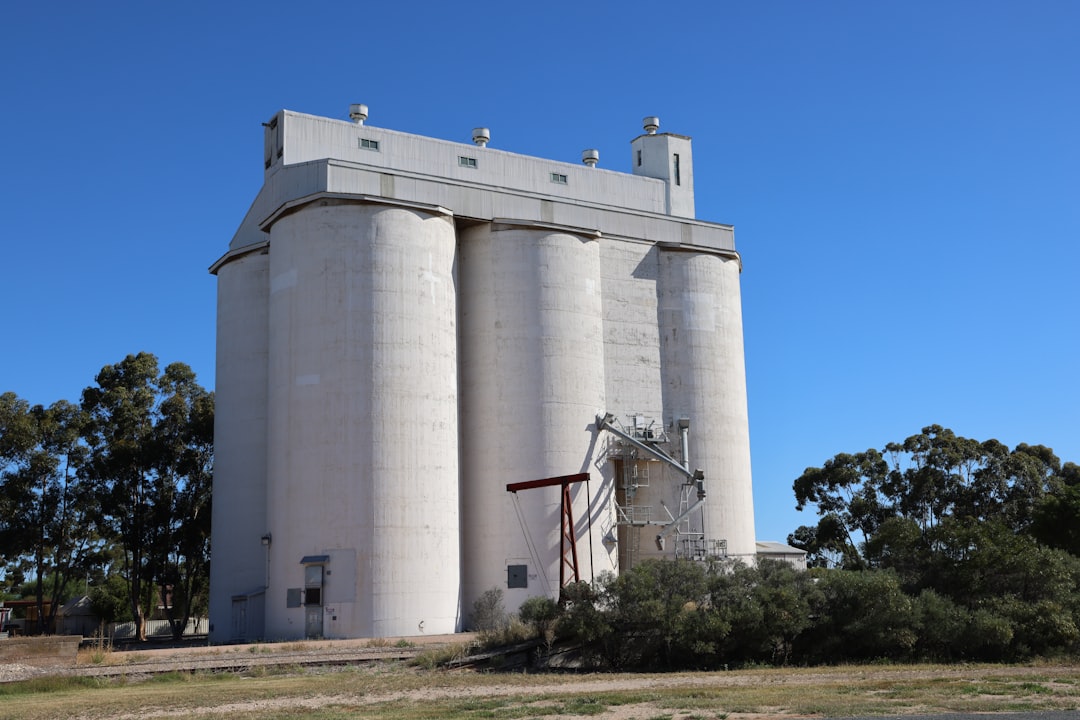
Then when it comes to commodities such as grains, the production and export of which are very important to the Australian economy, there are receival sites, which cover silo networks and delivery points. These sites are then by governed by industry-set receival standards.
Then there are receival notices (as can be seen here), which are messages submitted electronically to Australia’s customs authorities (as seen on the TV show Border Security: Australia’s Front Line [generally referred to simply as “Border” in Australia, and broadcast as Nothing to Declare in the UK and Ireland]). These notices provide details of goods that have been received by Australian cargo terminal operators for loading onto international ships or aircraft.
However, languages are living creatures and constantly changing, and with the growing internationalisation (or should that be internationalization) and levelling of English worldwide, receival in general usage seems to be on the way out too in Australia. That’s why it’s becoming more common in Australia to see and hear instead the gerund form receiving where appropriate (e.g. the receiving of goods instead of the receival of goods), as well as receipt appearing particularly in international communication from Australian entities.
Did you know about receivals? Have you had a receival lately?
And if you need to sort out your receivals from your receipts and make sure that your text or copy lands with your lucrative Australian audience, why not pop an email to me at info@nicknasev.com and let's see how I can help you.
Photo by RoseBox رز باکس on Unsplash





.jpg)














.jpg)
















.jpg)







.jpg)














_logo.svg.webp)







_(52052470251)_(cropped).jpg)





























_(8249451687).jpg)