♫ It’s over 50 years ago now that one of the world’s most successful and famous rock bands worldwide was formed in Australia.
Do you know which one? I’m sure you’ve heard of them...
It’s hard rock band AC/DC!
Formed by the Young brothers in Sydney, most of the band’s members were not born in Australia but in Scotland and England, having emigrated to Australia with their families as Ten Pound Poms – part of Australia’s Assisted Migration Passage Scheme that allowed for British Subjects, i.e. the “right” type of people for “white Australia”, to emigrate to Australia for the heavily subsidised price of 10 pounds (terms and conditions applied).
Many other legendary Australian rockers and pop singers are or descend from Ten Pound Poms: Olivia Newton-John was one (born in Cambridge). The Isle of Man-born Gibb brothers who later became the Bee Gees started their music career as teenagers in the Brisbane suburb of Redcliffe, where there’s even a pedestrian street named the Bees Gees Way celebrating them. You can also add John Farnham, Jimmy Barnes, and the parents of both Kylie Minogue and Hugh Jackman to that list of Ten Pound Poms.
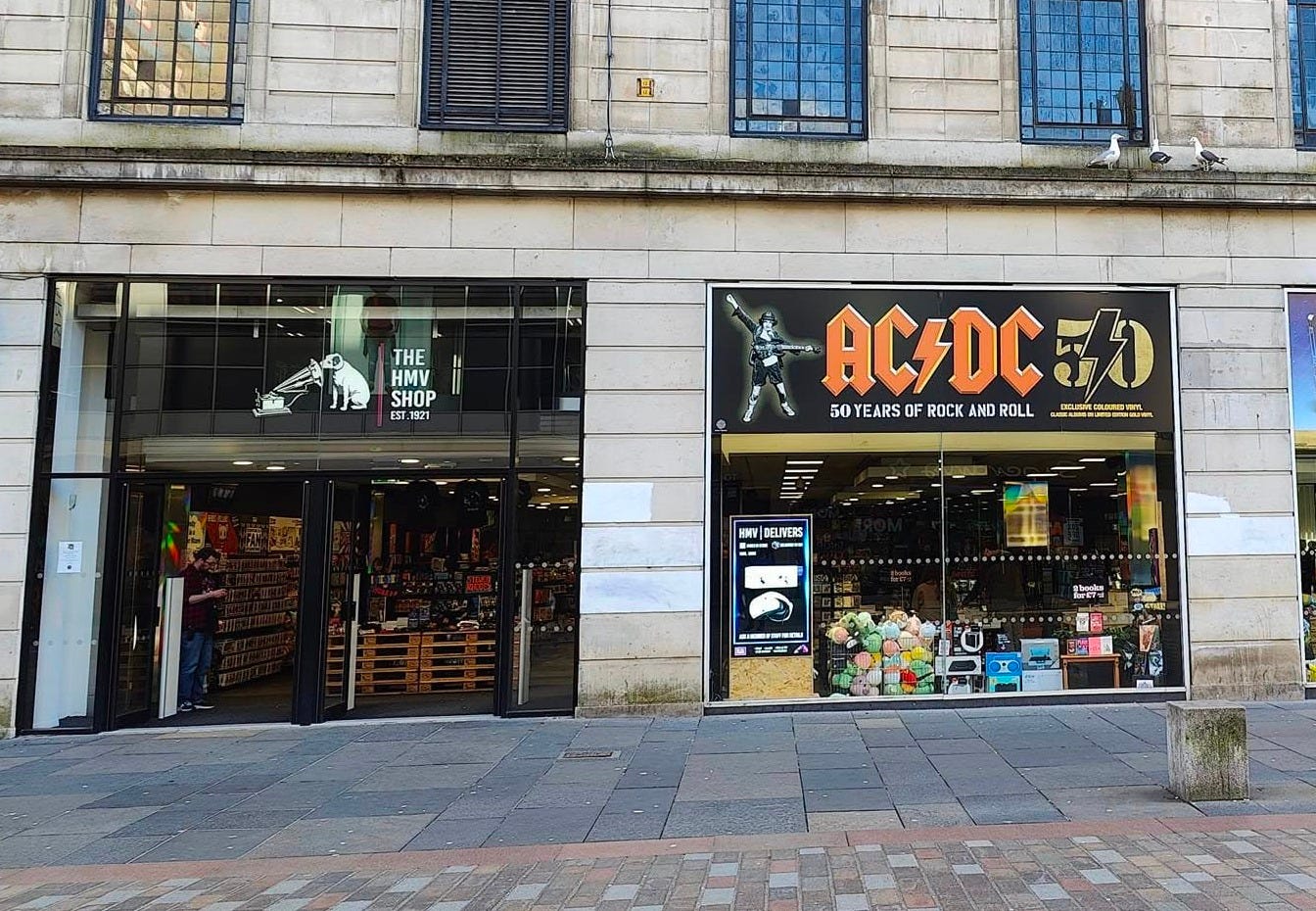
On account of their birthplace, quite a few Scots then claim AC/DC as a “Scottish band”, which is pushing it as only three of band’s members were born in Scotland and they hardly grew up there. Still, I saw this in Glasgow a few years back…
“Pom” is the originally derogatory term Aussies and Kiwis (and South Africans) applied for British, and particularly English, people. The origin of this term is still subject to debate: some believe it came from Australian rhyming slang (the only dialect in the English-speaking world apart from Cockney to apply this linguistic phenomenon wholescale) from “pomegranate – immigrant”. Some folk tales, since disproven, claim the term was derived from the acronyms POM ("prisoner of Millbank"), POME ("prisoner of Mother England") or POHMS ("prisoner of Her Majesty's Service", but there’s no evidence of any of these ever being in official use.
In true Aussie style, eventually many Brits in Australia coopted the term “Pom” as a playful self-dig, so the derogatory nature of the term has softened over the decades. Still, there’s a fine line to be tread here, so unless you’re sure you’re in safe company, best avoid.

In Australia, AC/DC is more commonly and endearingly referred to as Acca Dacca or Ackadacka. It’s essentially a play on pronouncing the electrical term as a word, though some suggest it’s to take away from the term’s other slang connotation – bisexuality. There was even a tribute band in Australia called ACCA/DACCA.
Let’s break this down a little further.
The most likely explanation for the nickname Acca Dacca comes from that Australian tendency for affectionate diminutives by shortening or, in this case, adding cutesy endings with a slight touch of irony. You see this with the Aussie way of saying Maccas for international fast food chain McDonald’s. So in reading AC/DC literally, you get “ac dac” and then add -a endings to form “acca dacca”. It must be pointed out that Australian English is not unique in using diminutives like this – all dialects and forms of English employ this, it’s just that Aussies have taken it to the next level.
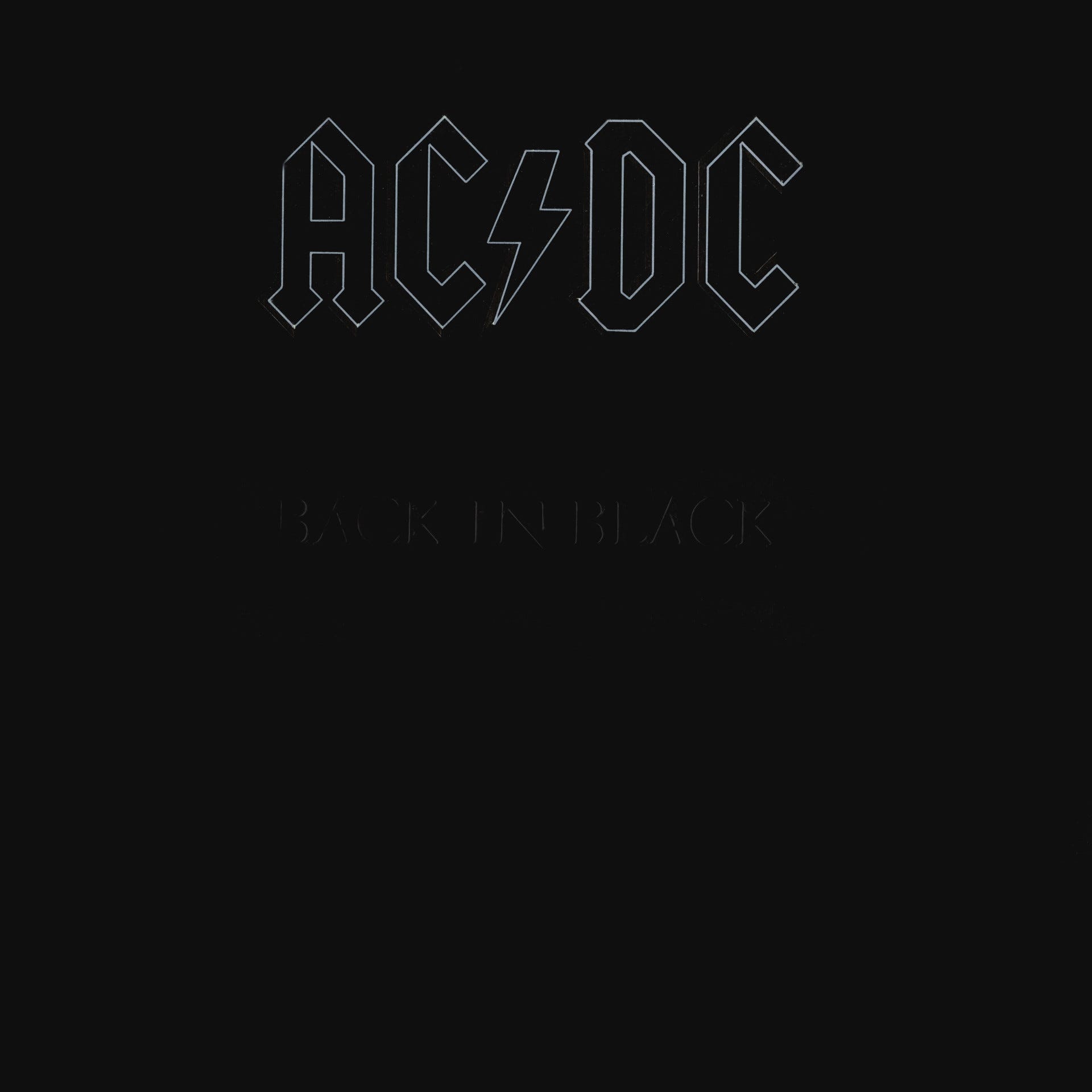
The road that inspired the title for one of the band’s most emblematic songs, Highway to Hell, came from the nickname for the Canning Highway, the road that connects Fremantle, the port of the city of Perth, through the inner southern surburbs to the Great Eastern Road and on to the main roads that reach out to most of Western Australia’s all important agricultural and mining areas. In the 1970s this road made up of long straight stretches was notorious for being the scene of highly illegal street drag racing (hooning to use the Aussie and Kiwi term) and, in turn, the number of car accidents on it.
On 1 March 2020, just before the Covid pandemic took off, the Canning Highway was transformed into the stage for the one-off Highway to Hell Festival featuring many bands covering AC/DC hits. The 10-kilometer rolling concert commemorated the 40th anniversary of the death of AC/DC frontman and former Fremantle resident, the legendary Bon Scott. Up to 150,000 fans flocked to the event, and 3722 of them participated in the world record for the biggest air guitar gathering. Check it out here…
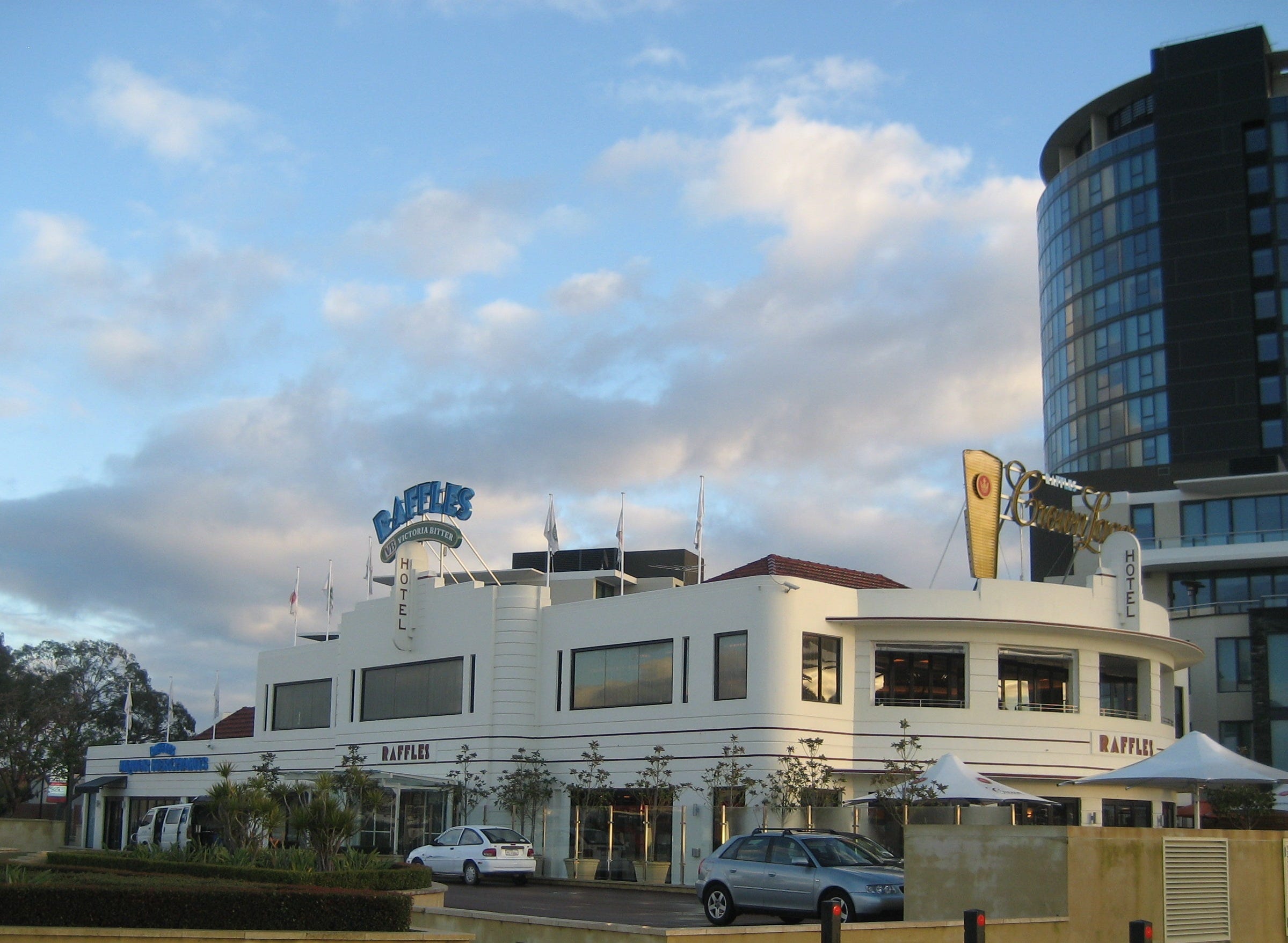
Going down the Canning Highway these days, you’d be wondering how is this at all a highway to hell? It’s your typical main suburban Australian road lined with houses, retail strips, some nice parks and some good cafés, though it can get hellish at rush hour when it’s bumper-to-bumper. Its most enduring landmark is the Raffles Hotel, apparently one of Bon Scott’s most favourite watering holes back in the day. Now, don’t go thinking this “hotel” has anything to do with its namesake in Singapore. Most places with hotel in their name in Australia are actually pubs. The reason for this is that from the 1800s until the late 20th century, for a venue to qualify for a public alcohol licence in Australia, they also had to offer rooms for rent. The logic behind this was that early European settlement of Australia was patchy making long-distance travel difficult – usually on horse and provided primarily by stagecoach company Cobb & Co, so the authorities wanted to ensure travellers had a place to sleep, eat and find shelter along long routes or in small communities. Eventually the publicans of these venues found they earnt most of their money selling beer, so particularly after rail replaced stagecoach for long-distance travel in Australia most of these hotels became more pub than accommodation, often treating the required rooms as an after-thought and simply keeping them to stay legally compliant. Even though the laws have since changed and most of these venues no longer rent out rooms, the historical name "hotel" has stuck around as a deep-rooted cultural habit.
One of the most readily recognisable aspects of AC/DC’s imagery is lead guitarist Angus Young’s schoolboy costume – one of the most iconic looks in rock music. It was his older sister Margaret who suggested the outfit, after Young had already experimented with gorilla, Zorro and Superman costumes. Margaret made her brother’s costumes in the early years of the band, and even gave the group their name after noting the famous initials on the AC adaptor of her sewing machine. Angus Young is also famous for his trademark “duck walk” when performing.
One other aspect about AC/DC concerts in 1980s Australia was the notoriety of them being cut short due to rioting. The one that happened at the Adelaide AC/DC concert in February 1988 is still the stuff of legend and even looked back in fondness. Here’s a nostalgic report about it on the nightly news…
Any Acca Dacca fans out there? How many of these related Australian terms did you know of? If you need to know more about Australian English, email me at info@nicknasev.com.
Photo right by Yu Chu Chin, CC BY-SA 4.0, via Wikimedia Commons