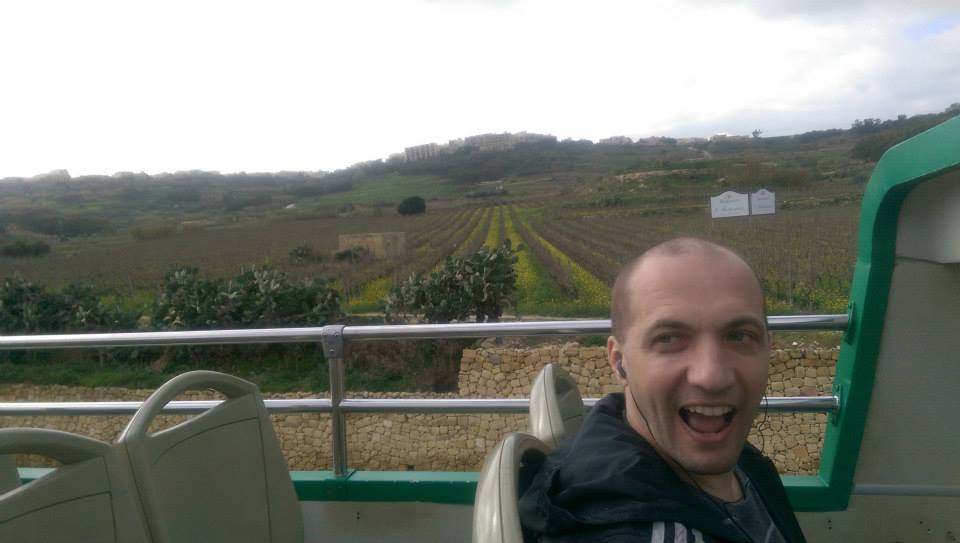
“What d’ya want to do now?”
That’s what my old friend Misho said to me around midnight on a Saturday night. We’d been at a local kafich, your typical flashy Balkan café where mainly young people go and I was not yet ready to finish the night.
“Let’s get some beers and enjoy the summer night” I said.
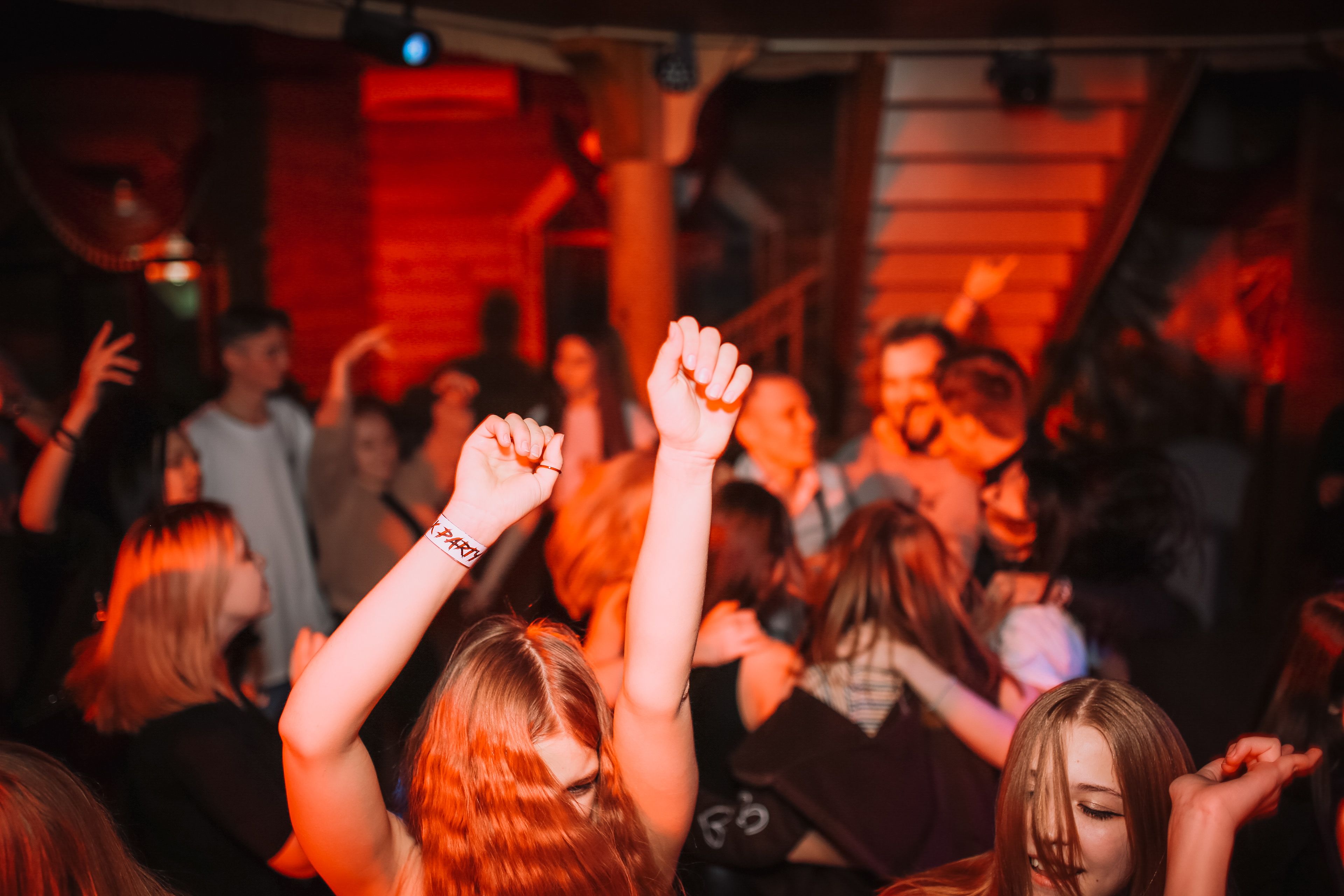
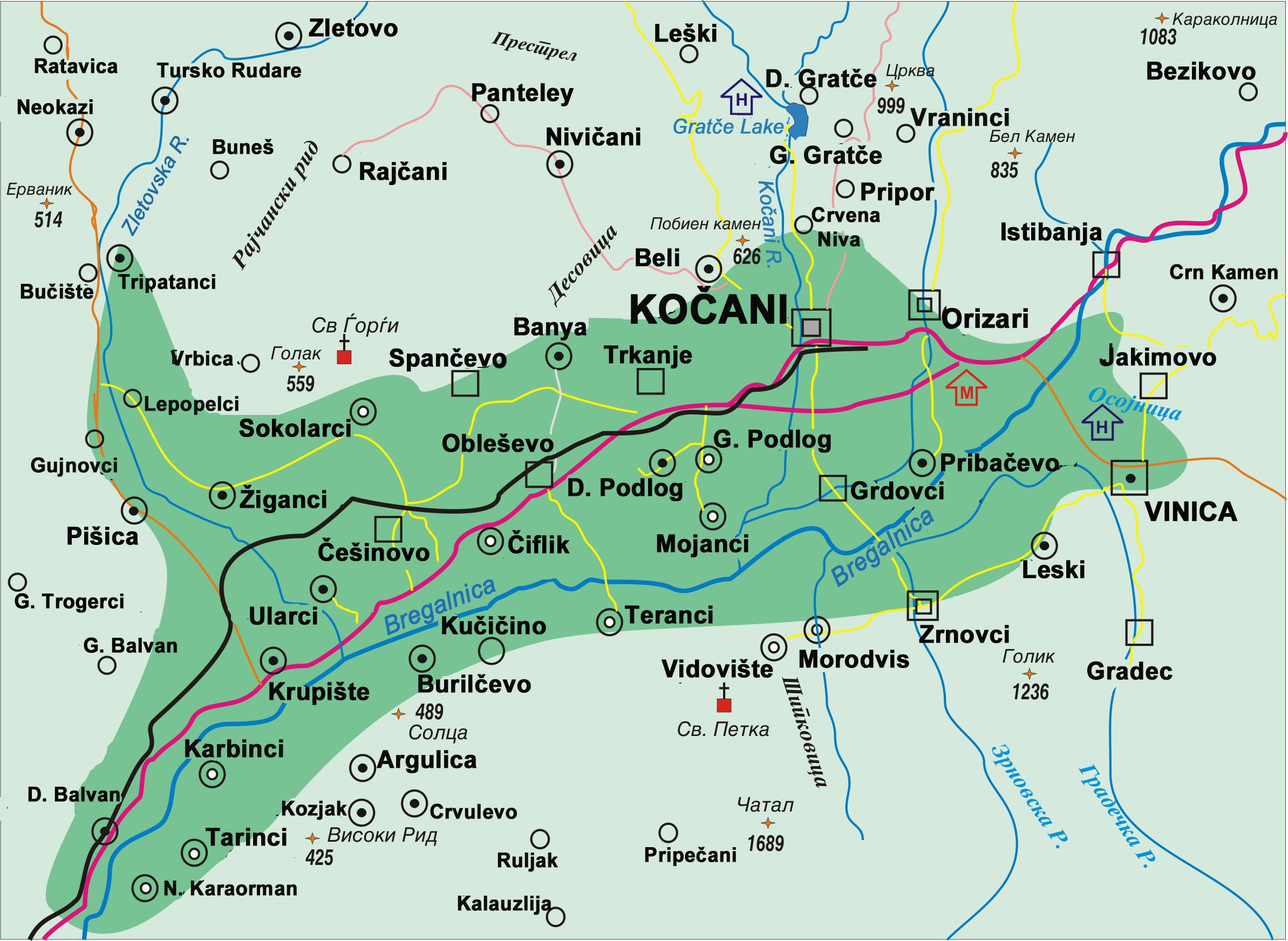
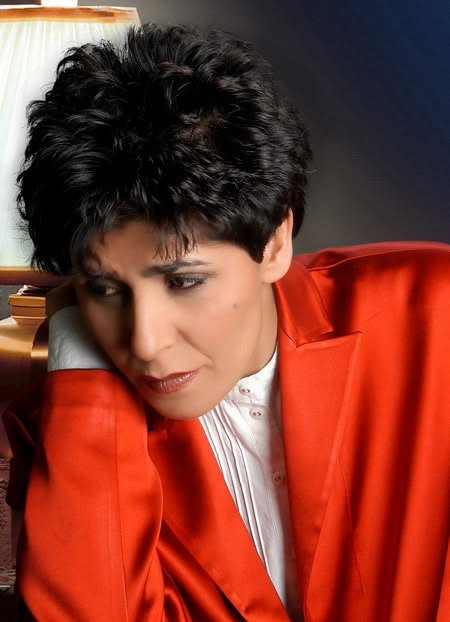
Misho, who was the same age, height and build as me, and someone I’ve known since I was a baby, certainly had a way with people, which made him the ideal post deliverer for a village like the one he lived in – the same one where my grandparents lived and where my father grew up. Nothing seemed impossible for Misho, with his charm, whit and affable manner, he was able to source the beers simply by shouting out to summon the proprietor of another, nearby kafich that was closing up. The proprietor obviously had had a long day, but seeing it was Misho who made the public call, he immediately obliged, and out came two more Skopsko beers for us… as well as a table and some chairs. Before I knew it, a few other young people in the village came and joined us. More beers came out. After a few more minutes, Misho felt that it was too quiet, so he insisted for some music. Just throw caution into the wind and who cares if the whole village won’t be sleeping tonight. Misho asked me what I wanted to hear. Very politely to the point of embarrassment, and knowing that Misho won’t take no for an answer, I requested if by any chance they had anything by Turbo folk star Reni, whose songs in Bulgarian and Serbian were top of the charts across the Balkans at the time. If they do, it’s guaranteed I’ll be up dancing. My wish was their command, and with the speakers on full blast, out came the oriental-sounding initial bars of Opasno te volim (I love you dangerously), my favourite song at the time. That was the cue; off I went in my drunken yet merry state into a solo dance in the middle of the village square for all to see… and judge. I was living life! I’m sure the village is still talking about it.
Looking back, I wonder what was I doing? That was so not normal!
Welcome to Part 4 of 2001: A Balkan Odyssey, my oh-so Balkan trip through Bulgaria and Macedonia. Part 1 went into how this trip started with two missions: 1) find my cousin in Macedonia during the armed conflict there, and 2) pay for the bribe money for my auntie in Bulgaria to have a proper operation to have a stomach tumour removed. Normal things. I’m sure you’ve had this happen to you too.
Part 2 was how I was an “attraction” in the somewhat isolated and outcast village where my relatives live near the Greek border in the southwest corner of Bulgaria. Part 3 had me almost flying off a cliff in a car and bus ride of great luck across the border, how there are only two degrees of separation in Macedonia, and completing mission 1 of 2.
Now it was time to get closer to the frontline.
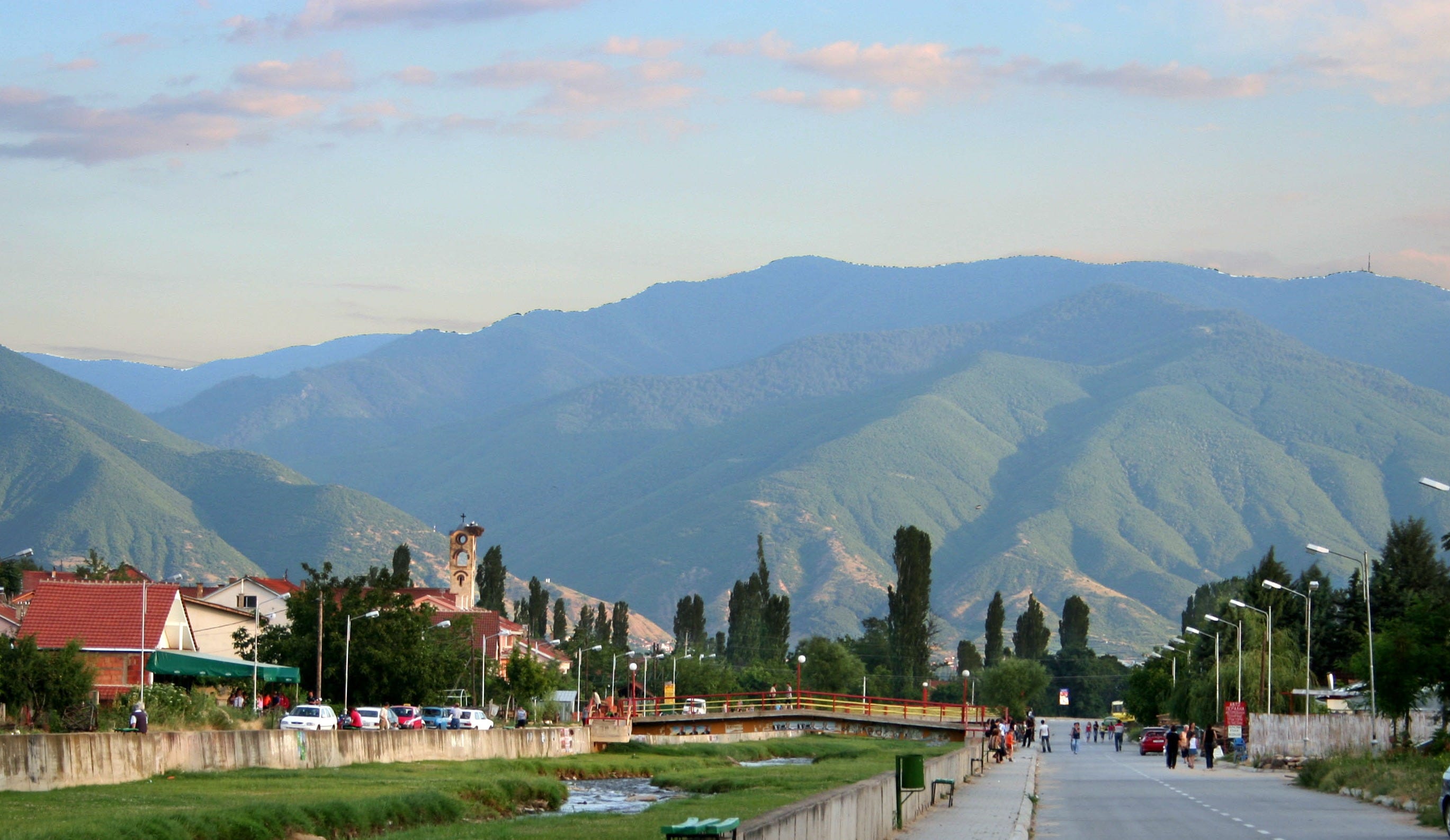
The last part I said how intoxicating the feeling of ethnic/national unity can be for most – everyone of the tribe in complete camaraderie with each other. It’s always described as a “spirit”. You have the “Christmas spirit”, the “Blitz spirit” etc. There certainly was spirit happening alright, and being amongst “my” people, I was fully taken in by this spirit. At this time of armed ethnic conflict in Macedonia, another spirit was also out of the bottle – a sense of free spirit – countering an impending doom that a terribly fatal tragedy could hit at any moment. Now was the time to live life before it gets easily taken away.
It’s always uncanny for me how growing up and living in Australia, even when I was an infant with assimilation-friendly blonde hair and blue eyes, I still didn’t look “Aussie” enough, i.e. of Anglo-Celtic origin. But being in my father’s home village, where everyone has the same blue eyes as me, and all the guys born the same year as me are all the exact same height as me, it was almost too comforting to be in the majority for once. And seeing that I was presenting as part of the majority, even though I certainly didn’t share the same life experience as my ethnic kin in the village, I certainly did get swept up in their same spirit. One big difference though was I was not a Macedonian citizen at the time, and so I never had to military service, nor was there a true threat, unlike for all those equally aged and heighted guys, that I could be called to be sent to the frontline to fight the Albanian terrorists, to use the Macedonian term (they were “rebels” in the western media). In that case, here I wasn’t the “normal” one.
Having spent far longer than expected in Bulgaria, and with my auntie in Bulgaria due to have her long-awaited stomach tumour operation any time now, my time in Macedonia was limited, so as much as I loved dancing solo in the village square at midnight to Turbo folk hits in my grandparent’s village, I needed to get to Skopje to check in with my auntie there and with my cousins, including Biljana who had fled her house at the start of the armed conflict.
- Even the pop stars get recruited to sing for the cause. Kristina Arnaudova with her 2001 war-time hit Dzvonete chekori herojski (Toll Heroic Marching Steps). Plenty of bravado imagery.
Back then it usually took about 3 hours by bus to get from Kochani to the capital Skopje, factoring in stops to pick up passengers and the mandatory cigarette break along the way. A trip I’ve done many times, but this time it was going to be different, for part of the route would get perilously close to one of the frontlines.
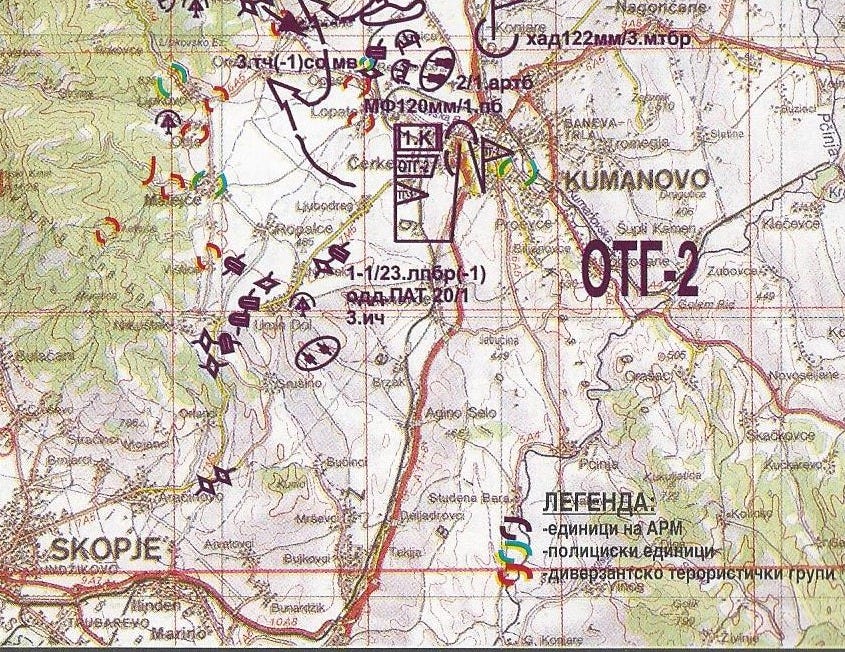
As we were passing Macedonia’s main international airport, about 20 minutes’ drive out to the east of Skopje, the feeling inside the bus turned into an aboding fear. All eyes were focused on our right-hand side to the looming “black mountains” – Skopska Crna Gora/Karadak – otherwise, where the war was. The main road entering Skopje is two kilometres of Arachinovo, an Albanian-populated village where the heaviest fighting had occurred. Well, the village had previously been mixed ethnic Albanian/Macedonian until the ethnic Albanian forces ethnically forced their Macedonian neighbours out at the beginning of that year. 25 years later and despite peace accords, hardly any of those ethnic Macedonians have dared return to reclaim their homes, out of pure intimidation.
As we were approaching Skopje, in the distance, right by where Arachinovo is nestled under the imposing mountains, we could all see a plume of smoke rising. That fear in the bus turned to a dead silence in the bus, only broken by the sobbing of one of the passengers. Was I crazy for even trying to get into Skopje? That was the first time I saw with my own eyes the war I’d been reporting about for months before. Too transfixed on this plume of smoke and wondering whether we’ll be seeing any of the Mil Mi-24 “Dragonfly” armed helicopters or the Sukhoi Su-25 jets flying about (these were purchased from Ukraine, much to the protest of the West; these aircraft were later gifted back to Ukraine in their current war), I didn’t notice that the bus was speeding faster than usual. Actually, so too were all the cars in this area within firing range. I had mixed feelings: glad that the driver was getting us out of there as quick as possible, but also dread of his, and our, need to do so, while also having at the back of my mind a cavalcade of images flash by of bus and car accidents in the Balkans, often with speeding as the cause. No need to worry about that now – just get us the hell out of here!
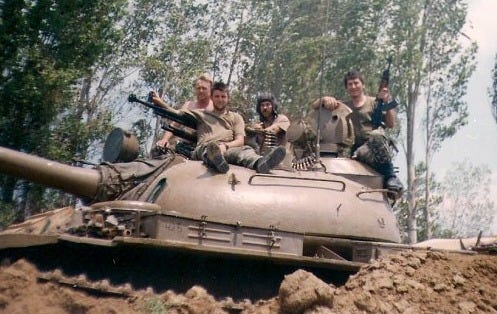
Not long after, we were all safe and sound (just) at the bus station in Skopje. My cousin Deni and Biljana’s husband Bobi were there waiting for me… primarily to make sure that I don’t end up taking a taxi with the “wrong” company. You see, the war fully entrenched sectarianism in otherwise multiethnic Skopje. Locals there knew which areas, and services, were “theirs”, going as far as which taxi company to use. The walls that separated the communities were imaginary, not physical. People from Northern Ireland or Bosnia and Herzegovina – you know what I mean.
I almost didn’t recognise Deni and Bobo in the sea of men in military fatigues as they too were dressed in them. I’d never seen them dressed like that before, but they had a new calling in their lives. They both had joined the newly formed Macedonian paramilitaries, one with the “Tigers”, the other with the “Lions”, and as they were to tell me, they spent their days going to the frontline and engaging in fighting, and most evenings they would go back to my auntie’s house and to what was otherwise ordinary, everyday family living. This was their new normal.
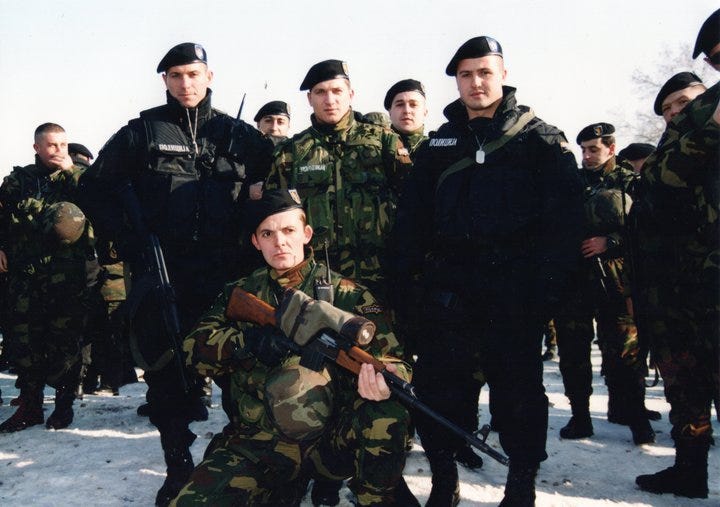
For my cousin Deni, this was the first time in his adult life that he had some sort of purpose, for he was part of the “lost” generation. Born into a prosperous Yugoslavia, he and many others born in the early 1970s had what could be best described as a “normal” childhood. By the time they were teenagers in the 1980s, their homeland declining economically and fast, but still there was some hope that it’ll all end up fixed by the time they finish school. Nope, that wasn’t the case. All those years of education preparing this generation for adult life working in a self-managed socialist Yugoslavia was all for nothing – that country and system were practically gone by the time of their graduations. Then for the guys there was that other threat – military service in the Yugoslav People’s Army (JNA). Like all other Yugoslav boys, Deni grew up hearing the legendary stories and learning how proud it was to be in the JNA; however, by the time he was due to enter its ranks, it was now deadly. One of the first casualties in the 1990s Balkan Wars was 19-year-old Macedonian JNA conscript Sasho Geshovski. A crowd of angry protestors in Split, Croatia also tried to lynch Svetancho Nakov, also a Macedonian, who was on his way to rescue Geshovski. Soon after, once full-scale fighting started, conscription to the JNA meant being sent to the Vukovar front, becoming cannon fodder and certain death. Reports were coming back at the time that the lucky ones who escaped the front could find refuge in Vienna where the South African embassy apparently had its doors wide open to them and could fast-track their migration in a last-ditched attempt to boost the number of Whites. The whole of Yugoslav Macedonia started to hide its conscript-age young men, Deni included. For months on end he didn’t see the outside of his home. Macedonia declared its reluctant independence from Yugoslavia in late 1991 and the JNA withdrew from Macedonia in an orderly manner. By that time, Deni was over 20 years old and totally unprepared for the new beast of nationalist-driven capitalism that had been unleashed. He and many others his age had pretty much given up on life by then, only to fill their unemployed existence with heavy smoking, heavy drinking, heavy gambling… and heavy mental health issues to scar them for life.
It wasn’t all doom and gloom for Deni. The year before the war, Deni married a woman, also called Biljana (there are a lot of Biljanas in Macedonia) – a wonderfully chatty person, but if there’s anything that makes her stand out, it’s her highly perceptive nature. She would always cut through the rubbish and see things for what they really are. Like her husband, she was also part of the lost generation, chain smoker and all, but it always seems the women are forced into being more resourceful. If anything was happening in the neighbourhood, Biljana was always the first to know. Any time I want to find out what’s the buzz or vibe on the Macedonian street, I always ask Biljana for the lowdown.
Leaving the bus station in a taxi from the “right” company in the company of my cousin and cousin-in-law, life in Skopje to me appeared normal, despite the war happening not far away. The only apparent differences were the same as what I saw when entering Macedonia – more guys in military fatigues, plus this song on constant rotation. Life went on regardless and people were not going to let the nonstop news, war songs or people in uniform get in their way. They were determined to still be normal.
The destination was my auntie’s place on the very edge of Skopje backing out to the main railway line into and out of the city. Her place had also become the permanent refuge for the young families of her two adult children. Just as we made our final turn onto the street where they lived, there too was a new sign of the war – a sentry post made of sandbags. Now this scared me. This was a visible sign of the war on what’s always been for me a peaceful, if very shabby, street no-one except locals and Skopje bus drivers know exists. They were preparing for potential street battles in the neighbourhood. This was not normal.
At my auntie’s house was my cousin Biljana, the one who I was to find. After months of not knowing of her whereabouts, I finally saw her in person – mission accomplished! Just as our grandmother described, Biljana was fine. She gave me a brief overview of what had happened to her in the past few months since leaving behind her place near the frontline. She was glad to have been in our grandparents’ village with her newborn baby girl and her infant son away from the fighting, but she had to leave the village after the mosquitoes there were devouring her children alive. Trust me, the Kochani mosquitoes, who live in the region’s expansive rice paddies, have the uncanny ability to suss out the DNA of their prey and go only for fresh meat, which basically means anyone who’s not a direct descendant of someone born in the region.
Talking with my auntie, I asked her whether she knew that my father (her brother) had been trying to call her for months now. She didn’t know, but then again, as what my grandmother said, she hadn’t been able to pay the telephone bill for ages, so they most likely had cut them off. That figured.
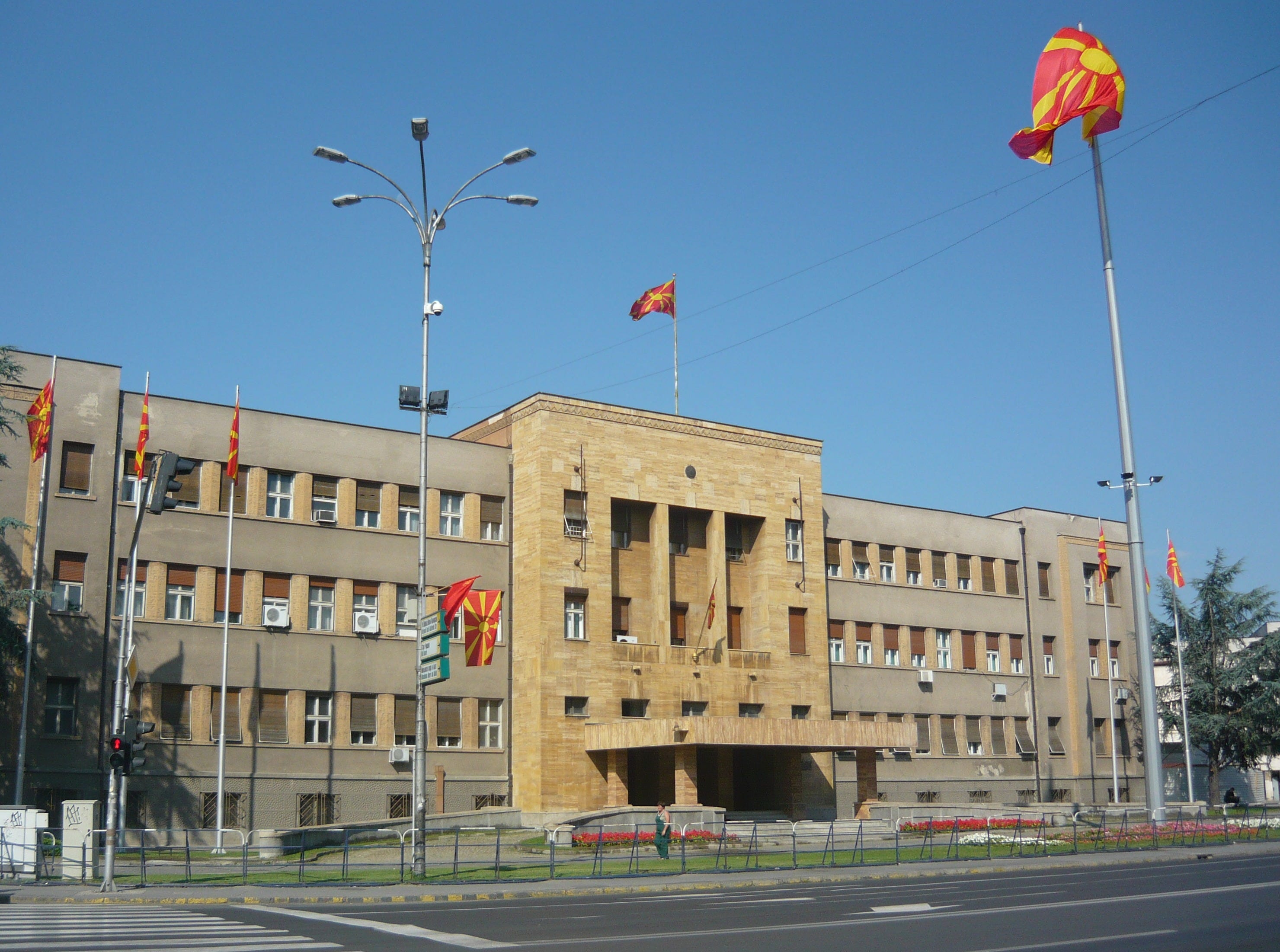
A few days later, Deni was able to take a day off from his paramilitary duties, giving him and Biljana the opportunity take me to this great new pizzeria on a terrace of the brutalist GTC shopping mall in the centre of Skopje. It did a molto bene pizza Magarita. Surprisingly for a work day, it was peaceful and calm in central Skopje, only for that to be suddenly interrupted by a giant commotion. Everyone at the pizzeria and along the GTC balcony stood up to see where all this noise from coming from. Is it a protest… or something more dangerous than that? The yells and screams were coming from way of the Macedonian parliament building in part view to us. We could see that a whole load of buses had arrived. Pouring out of them were lots of elderly people, most carrying well-stuffed bags, obviously possessions. They were angry. This was not normal.
Wanting to find out what was going on, a person from a table near us shouted down to someone walking past asking if they knew what was going on?
- “Yes, they’re people who’ve just been kicked out of their homes near Tetovo”.
They’d been ethnically cleansed that very day. Buses arrived in their villages, they were given a few minutes to gather whatever they could and forced onto buses to ferry them to “safety”. While on board, the mainly elderly passengers demanded the drivers to drop them off in front of the parliament building they can show the politicians their anger. You can’t continue eating pizza when a situation like that is happening nearby. That’s not normal.
No-one of note was at parliament except security, so some of the grannies then made their way down the road to take out their anger elsewhere. Their targets were anything related to the West, who they claimed was supporting the Albanian insurgents who had ethnically cleansed them from their home villages. The grannies headed to the McDonald’s down the street and started attacking it with their bags and walking sticks. They barely could manage breaking the glass window. If the circumstances were tragic, it would’ve been comical. This incident at Skopje McDonald’s still made it to the CNN international news that evening, though the angle they took on this was, to put it mildly, rather different.
Most evenings were spent, as per usual for summery July in Macedonia, in the yard in front of my auntie’s house. Bobi would come back from the frontline and give us a dire report from the fighting. All very dramatic. Years later, the perceptive Biljana told me that Bobi was never anywhere near the frontline and almost all of the gallant war stories he told us were more fiction and embellishment than anything else. Credit to him for being such a storyteller.
We’d be sitting there, talking about old times, all while smoking and having some Skopsko beers. But just like that, our conversation would be cut off: tat, tat, tat, tat, tat – the sound of gunfire coming from Arachinovo, only five kilometres away. The first time I heard the gunfire, I ducked. That made everyone laugh. But soon enough, I started getting used to the sound, or so I thought.
My cousin Anna-Maria in Bulgaria had emailed me. It’s happening! Her mother (my auntie) has arrived in Sofia and will be having her long-awaited operation to remove her stomach tumour as soon as possible. We’ll need to get the bribe money ready for the doctor before the operation can be performed. Finally! And even better, I now have the perfect excuse to get out of this pressure cooker punctured by the sound of machine guns. The early-morning bus to Sofia awaits. Even though the initial part of the route fully skirted the frontline, I didn’t care; I wanted out.
My final evening in Skopje with my auntie and cousins. Deni gave me a farewell gift – a special edition t-shirt sporting a cartoon of a Macedonian Tiger paramilitary soldier crushing a black eagle i.e. the Albanian symbol. Blagodaram Deni. I didn’t know how to accept such a gift, but my face screamed “awkward”. Definitely of its time. A few years back I tried searching to see if I still had it – no, it’s disappeared, just like that paramilitary formation.
Back to sitting in the yard and smoking with the family. An eery silence descended upon us. This was not normal for us not to have something to say. The calm even had perceptive Biljana unusually quiet.
Then it happened – a huge blast… and another… and another. This wasn’t gunfire. It was mortar fire. Loud! Close!
And that was it. Back to silence. All my cousins were still casually smoking away as if nothing had happened.
Perceptive Biljana then broke the silence. She looked directly at me and said…
- Look at you! You’re trembling!
I honestly thought I was just as calm as they were. I mean, we’re all in this together, we’re part of the same tribe. But no, perceptive Biljana was right. I noticed my hand was shaking uncontrollably as I was bringing my cigarette to my mouth to inhale.
- See, you’re still normal. Not like us. We’re crazy! All these sounds of war are not normal but we’re now used to it. It doesn’t scare us. That’s not normal. We shouldn’t be used to this but we’re no longer human. You’re still human. And lucky, you can leave this hellhole and stay normal.
Yet again, perceptive Biljana was right.
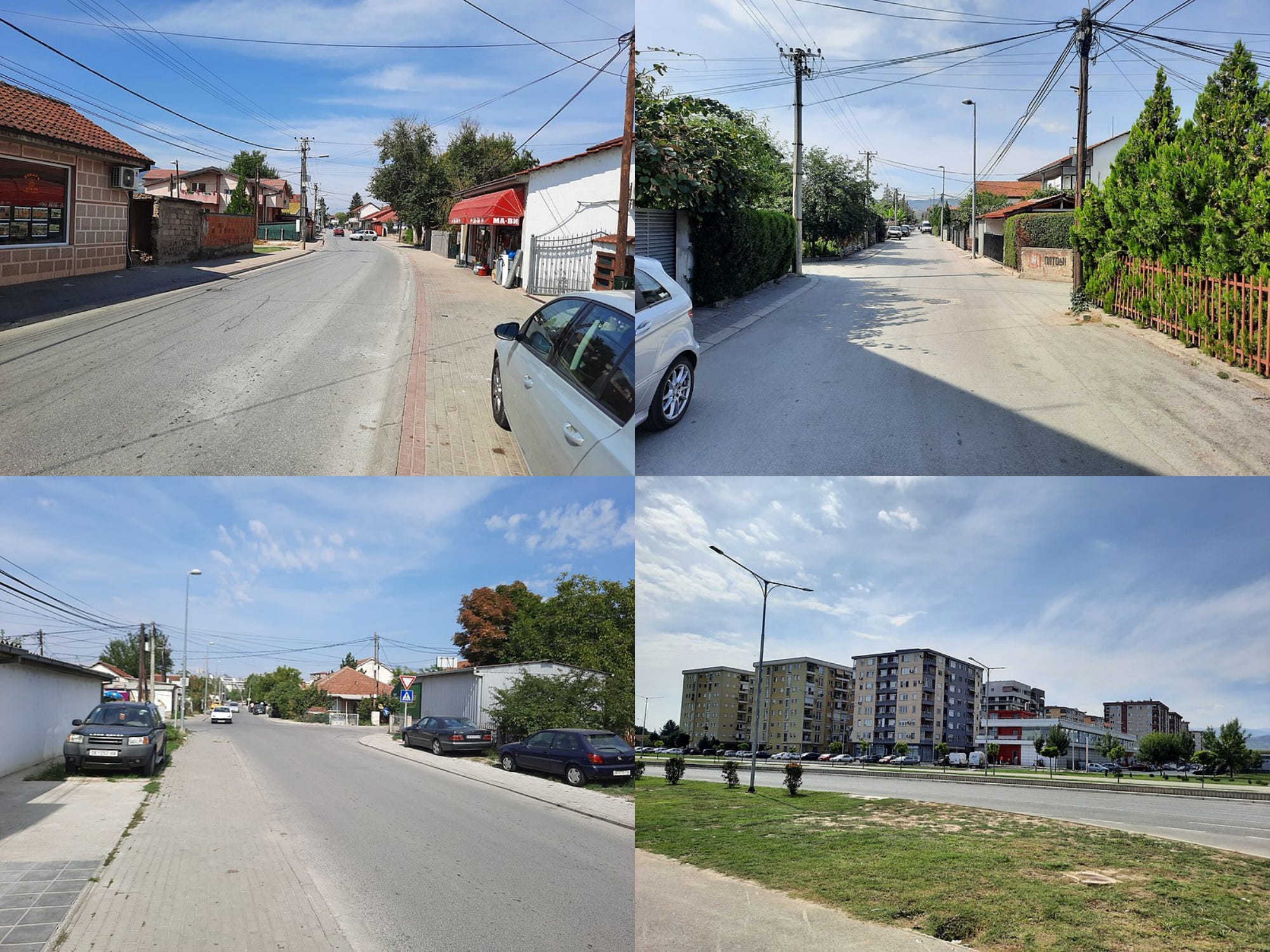
Early the next day, I set off to Sofia by bus. There was hardly anyone on the bus – probably no more than 10 of us. First stop was Kumanovo, one of Macedonia’s larger towns, with a mixed Macedonian/Albanian/Serbian population. The fighting had not reached Kumanovo, thankfully, but the neighbouring Albanian-populated Lipkovo region in the “black mountains”, the scene of heavy battles, was in full view. Kumanovo had been left without tap water because of the fighting in Lipkovo had caused major damage to the water system feeding the town from the reservoirs high in the black mountains, though the rumour going round then was Kumanovo’s water supply had been poisoned.
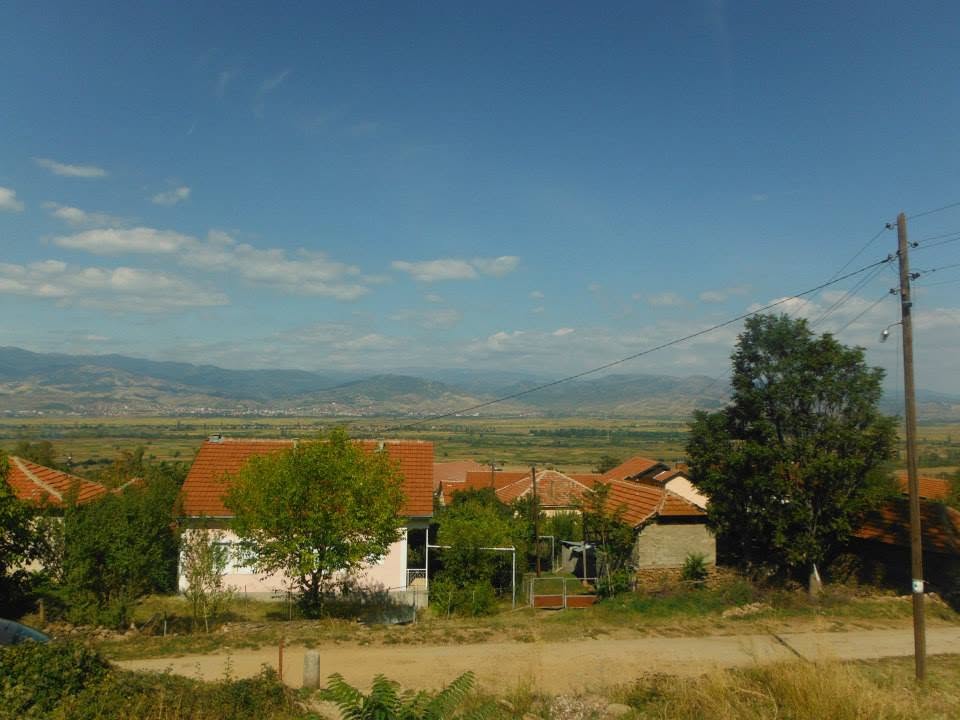
To get to Kumanovo meant fully skirting the war zone. Here are some shots of what it looked like.
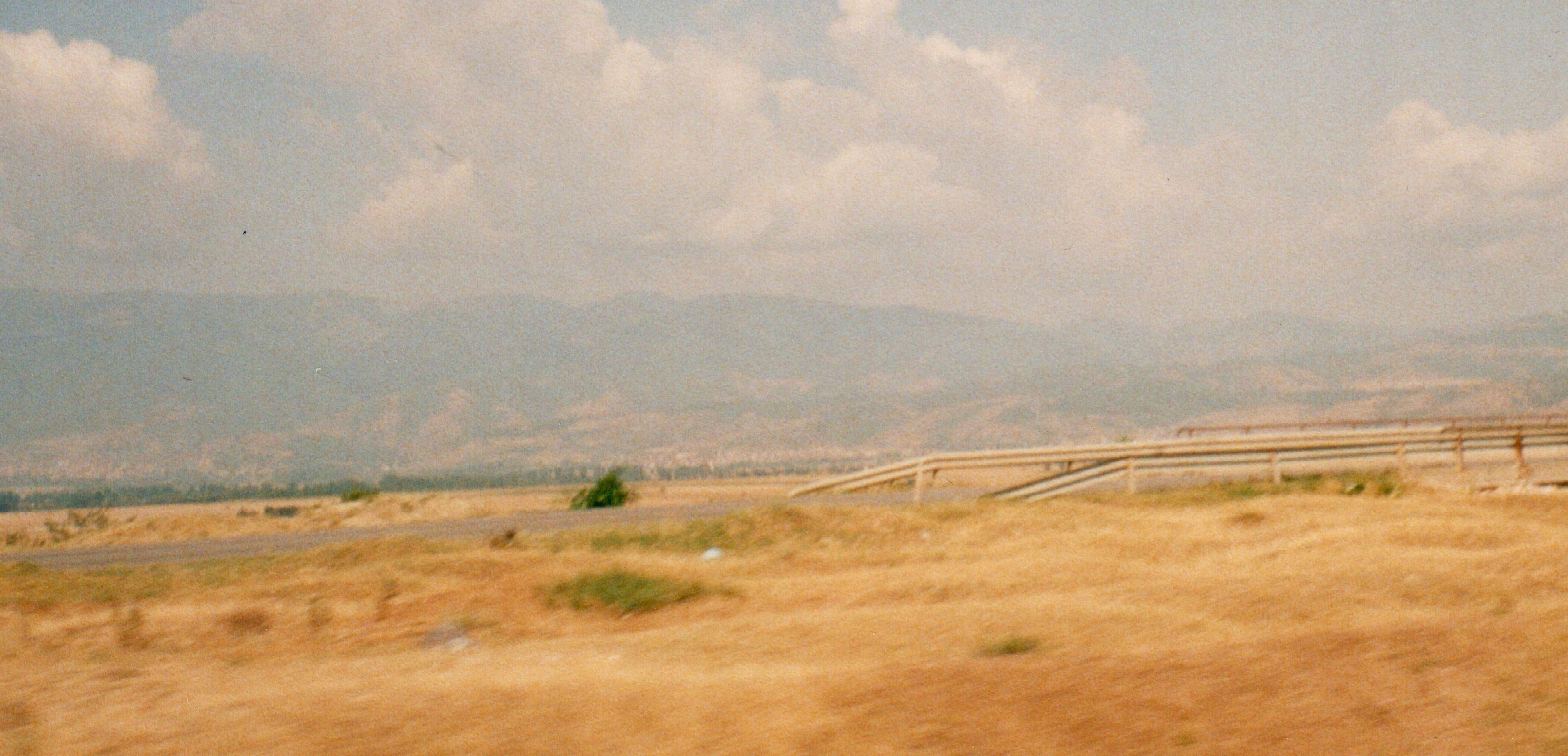
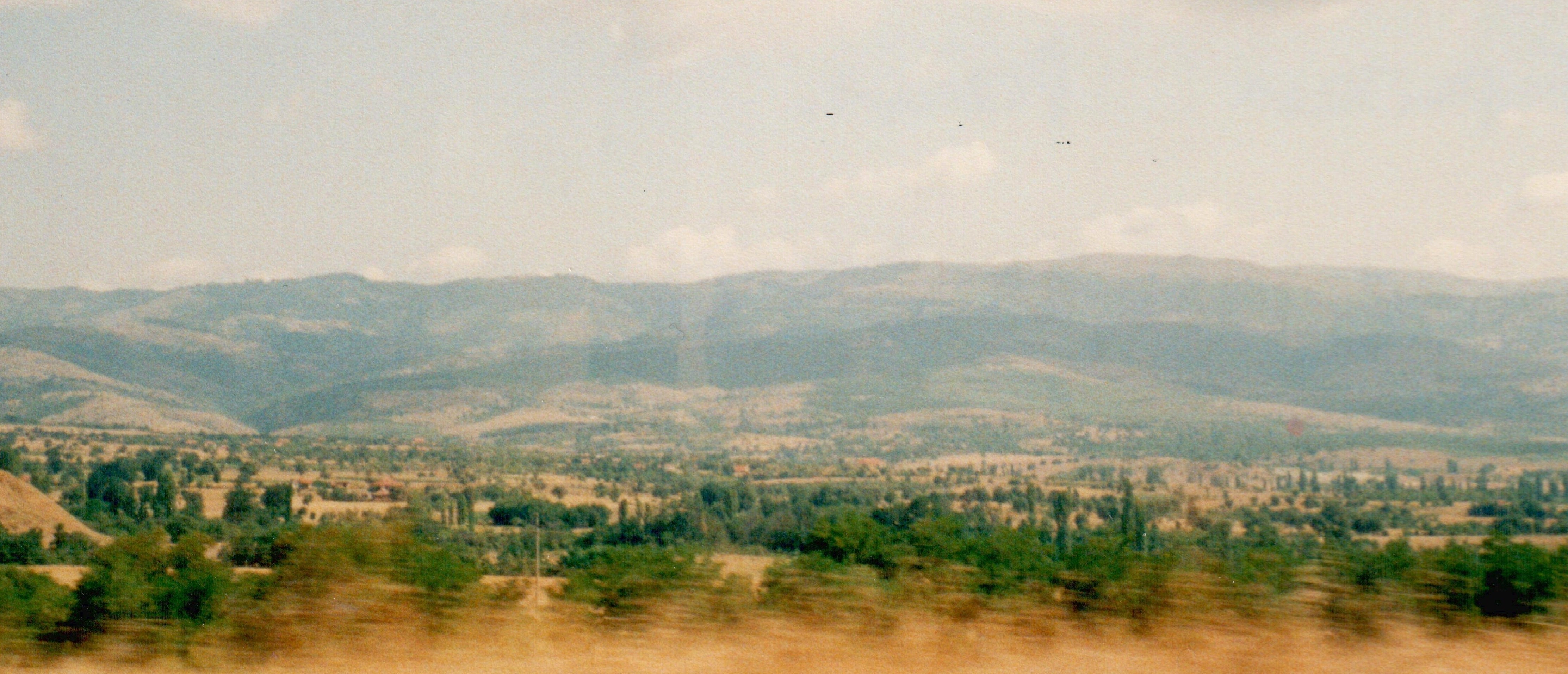
It looks quite normal; deceptively peaceful.
Kumanovo was looking very shabby. Given the water situation, and the ethnic tensions in such a mixed town, Kumanovo looked almost abandoned. At the bus station, we weren’t even allowed off for a cigarette! I quickly sneaked in a photo. The bus driver noticed and instructed me no more photos.
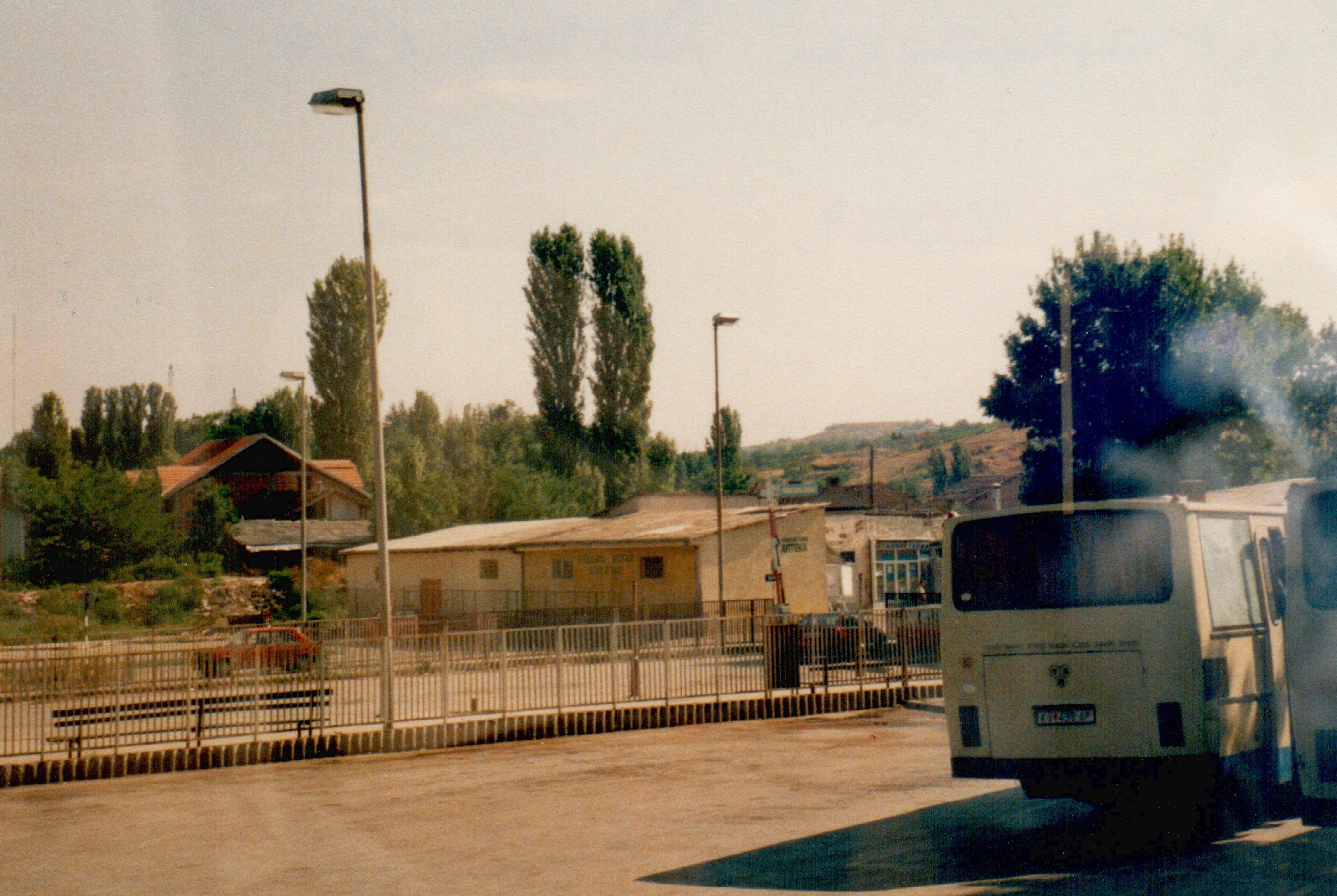
Quick, let’s get to the border. I want to get out of here. This is not fun. I want to be normal while I still can!
About two hours later and we’re at the Macedonian/Bulgarian border. One final bit of crazy. The first time I crossed this border, in 1997, I waited 5 hours. This time, not only were all the Macedonian border officials wearing military fatigues too, but the passport and customs processing on both sides was so efficient, it took us a record-breaking 15 minutes from arrival on the Macedonian side to departure from the Bulgarian side. Unbelievable! The armed conflict brought in professionalism. Why can’t we have that as “normal”?
Done! I was out of the crazy place. But was I still normal? I mean, next stop was Sofia where I had to provide a hefty amount of US dollars so as to pay off a doctor to do their job properly. Is that normal?
Coming up in the final instalment of 2001: A Balkan Odyssey, find out how to bribe a doctor in Bulgaria, and I discover my cousin succeeded in accomplishing her own personal mission. Normal? Find out here




.jpg)






.jpg)










.jpg)







.jpg)







_logo.svg.webp)


_(52052470251)_(cropped).jpg)

















_(8249451687).jpg)