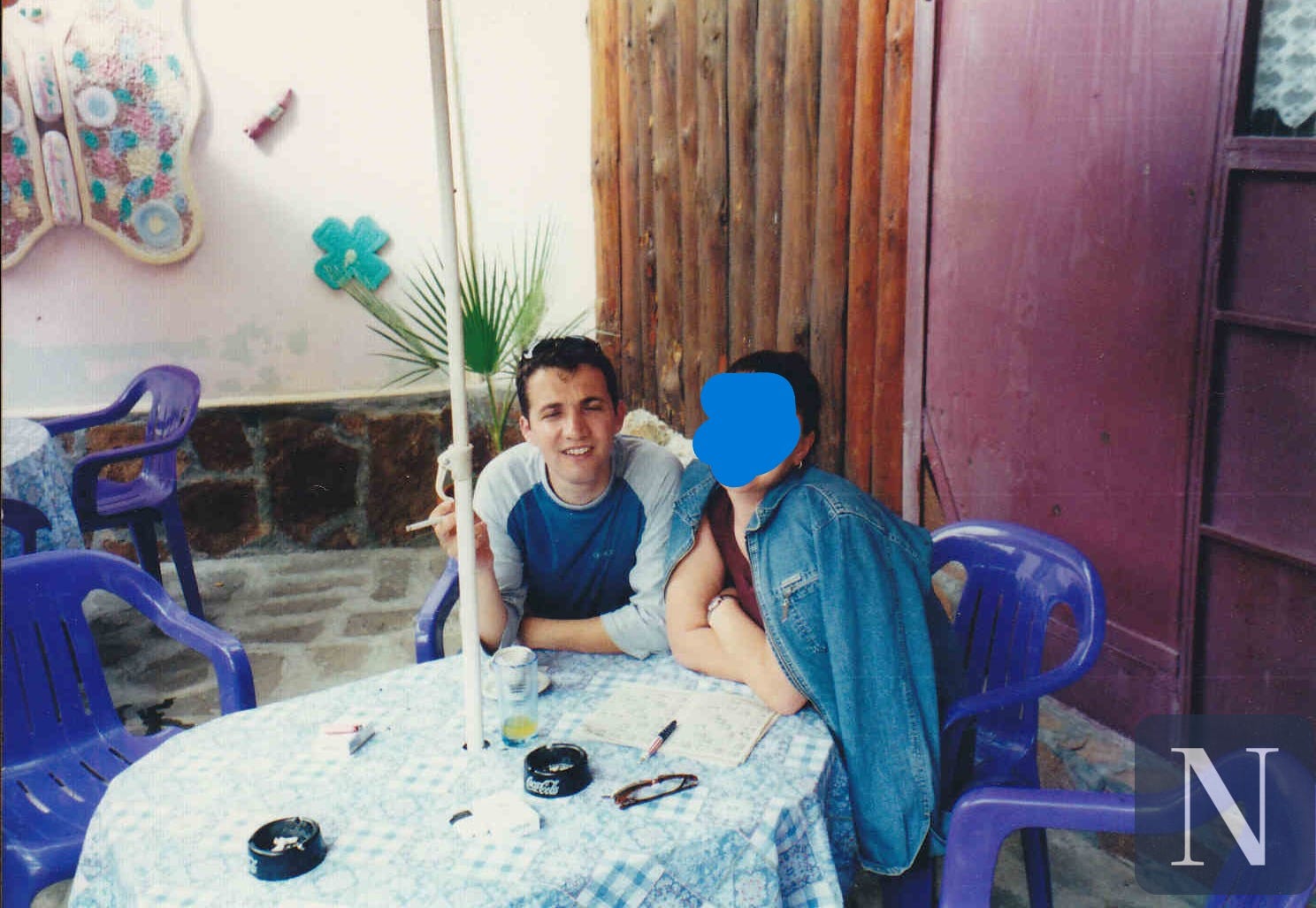
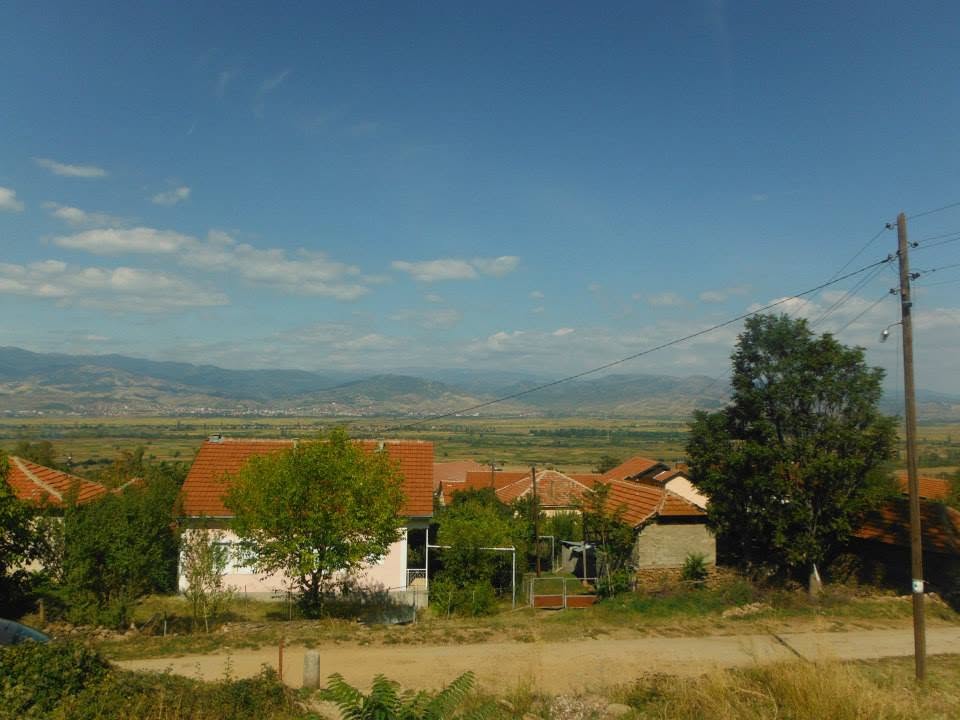
I left off Part 1 of this Odyssey in the Balkans with how I was in the village where my uncle and all his offspring lived – a place of untrustworthy misfits during Communist Party rule in Bulgaria’s forbidden southern border zone. When I was there, the village was with water for only one hour a day, and the locals saw me as a curious atraktsiya, to use the term my cousin’s wife (a huge Whitesnake fan, I must mention – très Bulgarian) described me.
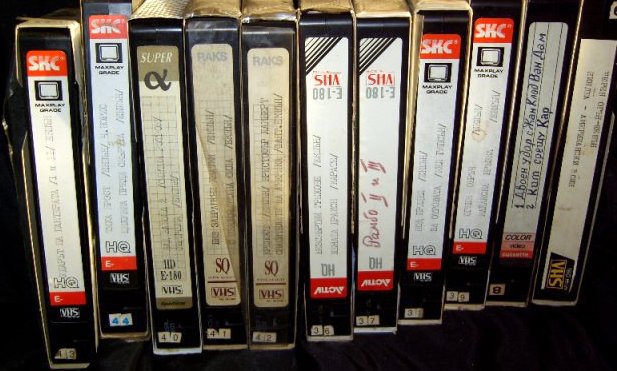
OK, last time I didn’t say how come I was the “attraction” but I did give some background as to why I would draw such attention. In one word – isolation. As the village had been cut off as a result of politics, geography and economics, but ultimately all to do with the nearby border, it wasn’t the type of place where any foreigners, whether related to anyone in the village or not, did, or could, venture. So for many in the village, I was the first foreigner they had ever met… and especially someone from the mythical, and wealthy, west. I was a living being of the near-aliens they had first seen before 1989 on banned western films and TV shows on smuggled VHS tapes, or the occasional western TV show or news footage shown on government TV, and then later on soap operas, comedies (Friends!) and MTV music video clips. Does that make me a Chandler, a Ross or a Joey? I dressed differently from them, behaved differently and seen things that they could only dream about. Even the seemingly small things were amplified – apparently I walked differently (much faster) and even ate differently (messier and much less bread). It was an innocent curiosity that, as we would witness soon enough, I caught at its tail end.
This fascination and curiosity weren’t always that innocent though. My cousin did warn me straight off that one particular girl in the village will be very keen to meet me. Let’s call her Siika (not her real name, privacy and all – you owe me!). Lo and behold, he was right. Siika knew what she wanted and was determined to get it. She considered herself too big and too good for this one-horse town. She wanted out! And her ingenious and original plan to achieve her true destiny – marry a rich foreigner.
Wherever I was, so was Siika. First off, she launched her charm offensive – the googly eyes, the feigned interest in everything I had to say, the put-on laugh at every half-baked and totally unfunny joke I’d say. Sorry to say Siika but none of those rookie tactics worked, no matter how hard you tried. It was too much. I then started to avoid her, which was a hard task as she was practically part of the furniture at my cousin’s café (she, like most of the other twentysomethings in the village, was unemployed). Siika eventually got the picture. But she wasn’t going to give up, so one time she just blurted it out to me: “Let’s get married. You don’t have to love me, but I’ll make it worth your while. I’ll pay you back.” Her bold move caught me by surprise, but instinct has a way of instantly providing the best rebuttal in such gotcha situations. I told her I couldn’t marry her, adding something soppy of the sort as “I believe in true love and the sanctity of marriage” blah blah. Hey, anything to get her off my back. With her best opportunity in ages thwarted, she was, to put it mildly, not happy with me.
Things were to supposed to have been different for the village by then, but over decade after the end of the Cold War, the Greek border twenty kilometres to the south was still closed. During communist times, the village was in the closely monitored border zone straddling the highly volatile fault line separating the west and NATO on one side (Greece) and the east and Warsaw Pact on the other (Bulgaria). If World War III had broken out, this would have been one of the flashpoints for that brief moment before nuclear annihilation. It wasn’t just the prospect of the end of the world that made the border fatal. Prior to 1989, anyone approaching it without special permission on the Bulgarian side, let alone attempt to cross it, would be arrested or, as did happen on occasion, shot dead. I only found out recently of the fate of the man, a local Turk, who shared the prison cell with my grandfather in 1948. Many years of maltreatment and torture in the communist-era Bulgarian prison system left this Turkish man crippled and could only walk using crutches. The final straw for him happened in the mid-1980s when the Bulgarian Communist Party embarked on a last-ditch nationalist populism campaign – the “Revival Process” forcing all of Bulgaria’s Turks to adopt “Bulgarian” names, him included. With nothing to lose, the old Turkish man decided to limp his way towards the border intending to escape to Turkey. Needless to say, he didn’t make it across the border, for even frail old men were not spared the unforgiving aim of the border guard’s rifle.
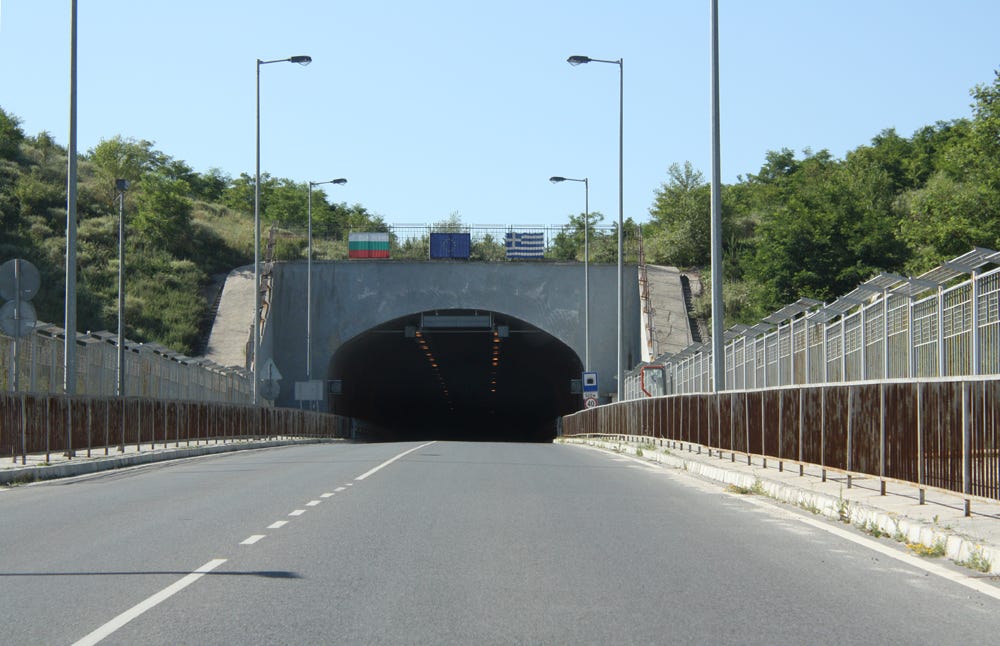
During Ottoman times, the course south along the Mesta river (the central feature of Kapka Kassabova’s Elixir) heading to the Aegean Sea was the region’s natural trade route. The border finalised after World War I cut that route. With the Cold War over for over a decade then, the border should have been reopened. The road to the border had already been renovated, and new passport control booths and customs hall constructed, all in preparation for this eventuality. But seeing that the EU was stumping the funds, an environmental impact assessment had to be done… which found the area immediately before the border to be a migration path for brown bears. The Dutch in particular insisted this path could not be disturbed. Weighing the options, a technically complex and expensive tunnel needed to be built. This would add years to the project and require more EU funds to achieve. The locals would just have to wait.
How do you think this tunnel plan in favour of the bears went with the local population?
Not good.
In 1998 brown bears were declared a protected species in Bulgaria and the ancient tradition of forcing them to dance for people’s entertainment became illegal. This being Bulgaria, the law was not thoroughly applied. I still saw one dancing bear in Gotse Delchev in 2003 and it wasn’t until 2007 that the last dancing bear was finally rescued. A sanctuary in the nearby village of Belitsa (also the former site of a uranium mine) was set up for these bears, with Brigit Bardot’s animal welfare fund being one of the prime sponsors. Word had it that each bear had a monthly upkeep stipend of 250 euros – more than the average monthly local wage at the time. And so, the destitute locals were not impressed that the bears, who they deemed to be merciless predators, were getting more money and attention than they were. Many locals half-jokingly suggested at the time that it’d be better if they all dressed as bears to elicit greater western sympathy for their plight.
The tunnel was completely, eventually, and the border opened in 2005. This allowed Greeks foremost to come over to this isolated corner of Bulgaria to buy fresh produce and avail themselves to services at much lower prices than back home. Dentists in particular did a roaring trade! Soon after came the Greek businessmen to open sweatshops to employ locals at much lower wages and in worse working conditions than in Greece.
But there was a far more resounding event before that…
In April 2001, the Bulgarian and Greek foreign ministers ceremoniously walked hand-in-hand across the main border crossing between the two countries at Kulata/Promachonas – signifying the end of visa requirements for Bulgarian citizens for short stays in the EU. Around the same time, the European Commission declared Bulgaria and Romania would be joining the EU by 2007 (the EU has learnt its lesson since then and no longer announces set deadline years for the entry of any new member states). Soon after, programmes were launched permitting Bulgarian and Romanian citizens greater access to work opportunities in EU countries. This came in the form of self-employment visas in the UK or, in greater numbers, low-skill and often dangerous jobs in the booming construction industry in Spain and Portugal, often attracting the army of older unemployed men in Bulgaria’s destitute villages. What this mean was the isolation of the past was gone! Bulgarians (and Romanians) of all socio-economic backgrounds could be found all throughout western Europe and beyond. And the impact was quick. Come 2004, when I was back in the village for Christmas, I was no longer the only foreigner in the village. Some who had left the village to work in the EU married partners in their new country of employment. Everyone in the village enthusiastically informed me there’s an Englishwoman in the village (married to a villager working in England, of course), and I got to meet the Portuguese wife of the cousin of my cousin… in my cousin’s house. No longer was I an atraksiya.
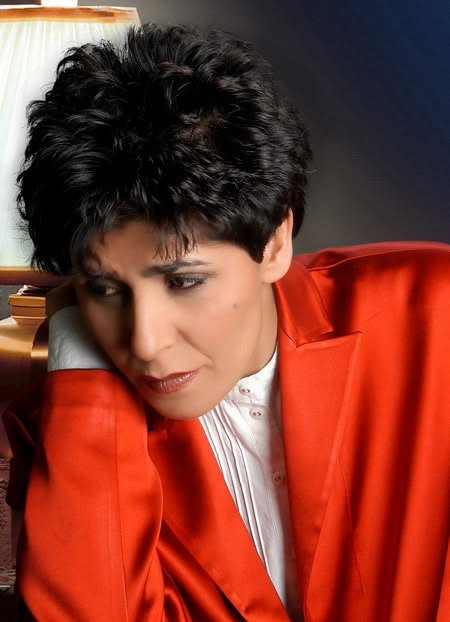
The signs of isolation did linger in other ways. While in the village, posters started appearing that Bulgarian Roma singing sensation Sofi Marinova was to have a “koncert” that Thursday evening in the nearby town. Great news for me as I was a big Sofi fan. It was also a great opportunity for some downtime for my cousin, just as big a Sofi fan as me, who, when not working for the local electricity company in the emergency maintenance unit, was also running the “Australia” café. This was our opportunity to have a proper night out. It was settled – we had to go!
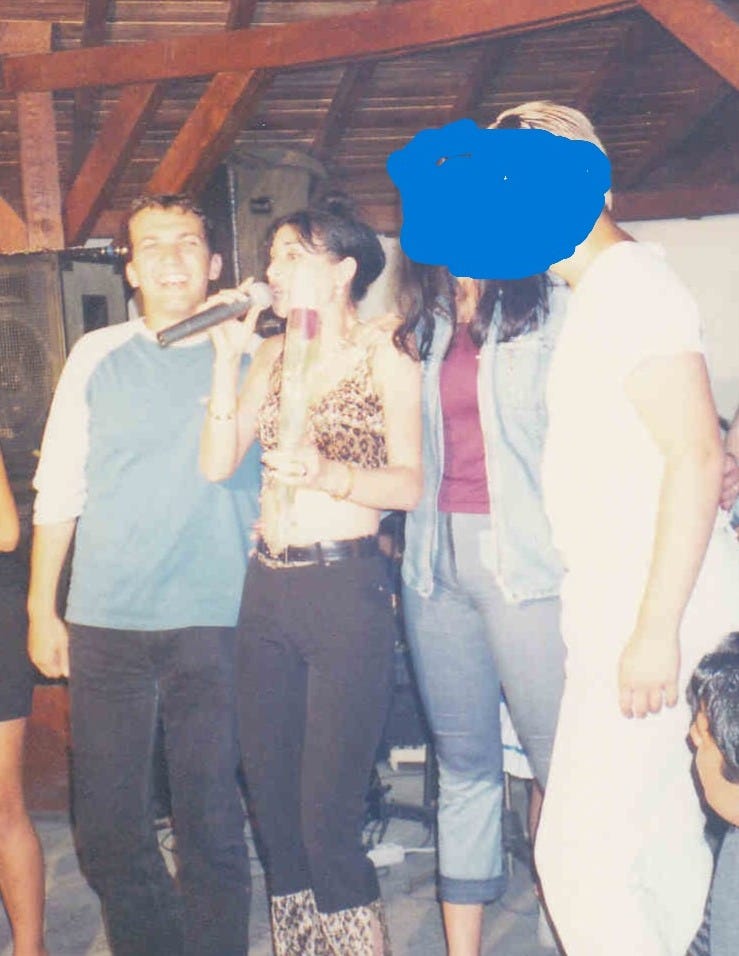
The “koncert” was actually a live performance at a local restaurant. My cousin and our group of friends had a brilliant table (merci Cousin!). The house band started the show with some Greek music – very popular in the region as they could, and often, listen to Greek radio. Off the band fired with Vasilis Karras’ classic 1992 zeibekiko number Den pao pouthena. Now, I too am a big fan of Greek music and dance, and if there’s something that’ll get me up onto the dansing, then it’s a zeibekiko. Kef and merak won over me, and so, off I whirled myself to become the true atraksiya. The crowd was amazed! They all started clapping for me (out of tune) and shouting out opa! Thankfully no-one attempted to break a plate (a complete no-no in Greece), and this was before the time paper napkins would be thrown on the dance floor (now a common feature in Greek and Bulgarian nightclubs – safer than plates). But what surprised me by all this was despite being a mere 20 kilometres from the Greek border, the people here treated the dance I was doing, something very Greek, as exotica from some faraway country. To a great degree, it was through the lens of a cliché not much different from how western tourists see Greece. The atraksiya was more Zorba the Greek than me enjoying myself. Despite many of them having listened to many a Greek song in their lives, none of them could dance a zeibekiko, which then meant they didn’t truly understand the whole point of these specific Greek songs and dance: to release dertia (a Turkish-origin Greek word meaning “pains” or “anxieties”) in a personal fight against a cruel world. This proved the nearby border was more than some imaginary line; it was also state of mind.
Fast forward to 2026: Bulgaria and Greece are both in the Schengen zone, have the euro as their currency and are military allies. At the border itself past the bear tunnel, the passport control booths and the custom hall are now empty. With border checks gone, people just drive through, with just a sign to greet them. The previously stark economic differences between both sides are now almost all gone, thanks to Bulgaria’s modest economic growth but more so to the massive drop in Greece’s standard of living post-2010 economic crisis. The Greeks no longer go north to shop in Bulgaria, except for cheaper booze and petrol, while Bulgarians now head south to Greece to holiday and dance zeibekiko. Still, go to the Staro bure/To palaio varelaki (Old Barrel) taverna in Gotse Delchev not even 30 minutes drive from the Greek border and the decor is kitschy Greek.
By the way, Siika also had to be at the Sofi Marinova concert (stalking much!), but she brought a friend along. No, not a new suitor of hers – a special friend, also from the village and, as always, dressed fully in white I had seen him before; where else but at my cousin’s café… and apparently the look on my face was so priceless that my group of friends in the village all laughed. They knew what was going on in my mind when I first saw him. With his exaggerated feminine mannerisms and demeanour, anyone could tell straight away he was gay. As I asked with that shocked look on my face: “Who is that? Azis?” I was surprised there was an openly gay guy in the village. Now, I had grown up being fed tales that unlike in the decadent west where I grew up in, there were no gays whatsoever in the Balkans. Seriously? I should’ve known better going by track record – for example, my father would also convincingly claim there were such things as Macedonian dodo birds. But this was the first time I saw someone obviously gay in a rural Balkan setting. Later I was told he was the person who had the most sex in the village: the local guys would prefer “letting off steam” with him as there was no threat of him getting pregnant. The code (until recently) was that if you get a girl pregnant, you marry her. Condoms? “Real men” never used them, despite the risks.
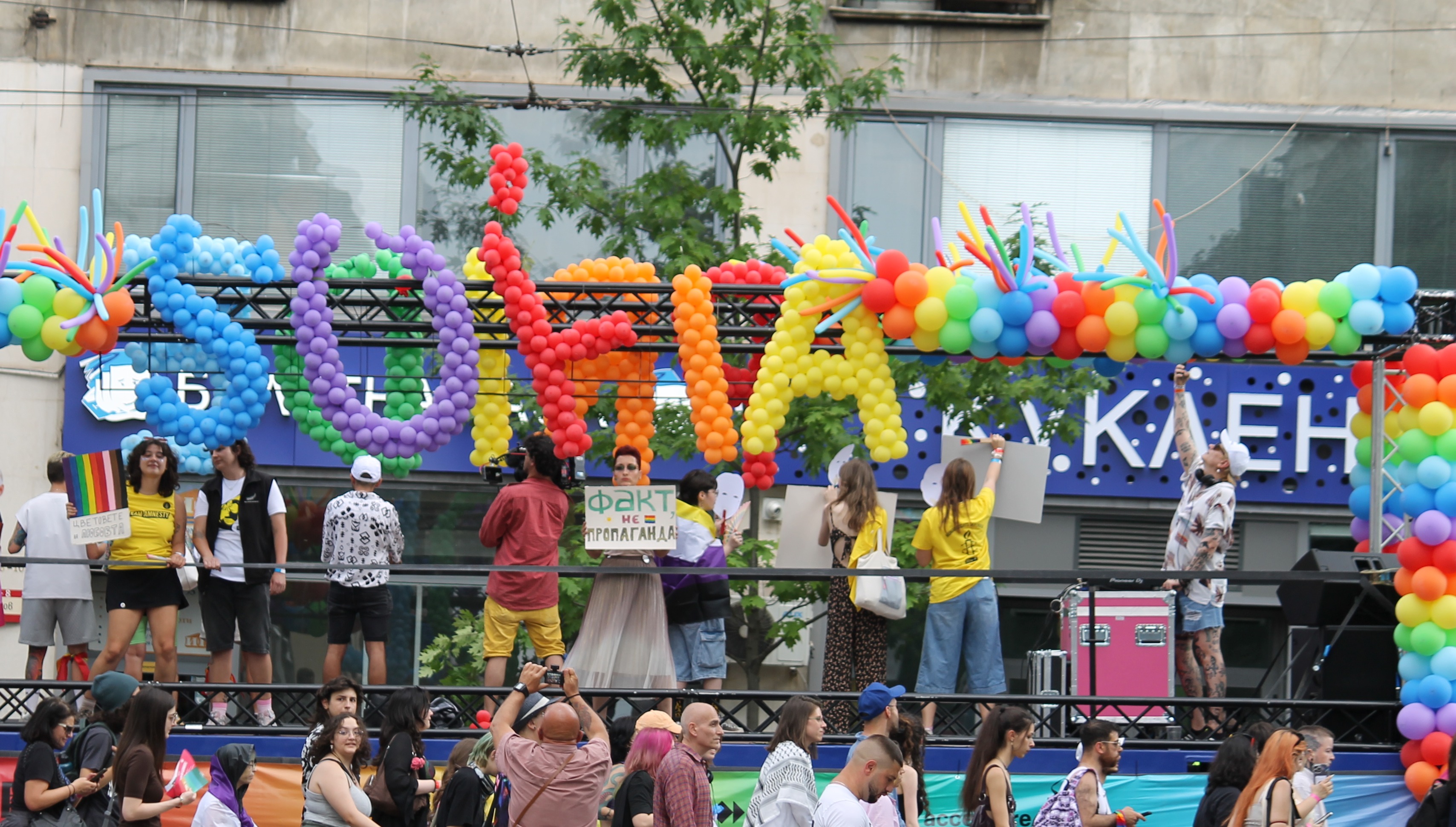
Things have changed immensely since then, mostly for the better, for straight people. Can’t say the same for everyone else. While at the time there was a muted hush talking about people who were not entirely straight, the discourse since then has become much more polarised in Bulgaria, as witnessed with the yearly stand-off in Sofia between the LGBT+ and family-values parades.
By the way, if you’re wondering, Siika did eventually find the man she wanted. Result! Last I heard of her was that she ended up in Italy and into the arms of an elderly and wealthy benefactor. Still, my cousins joke with me how Siika for me was the “one who got away”.
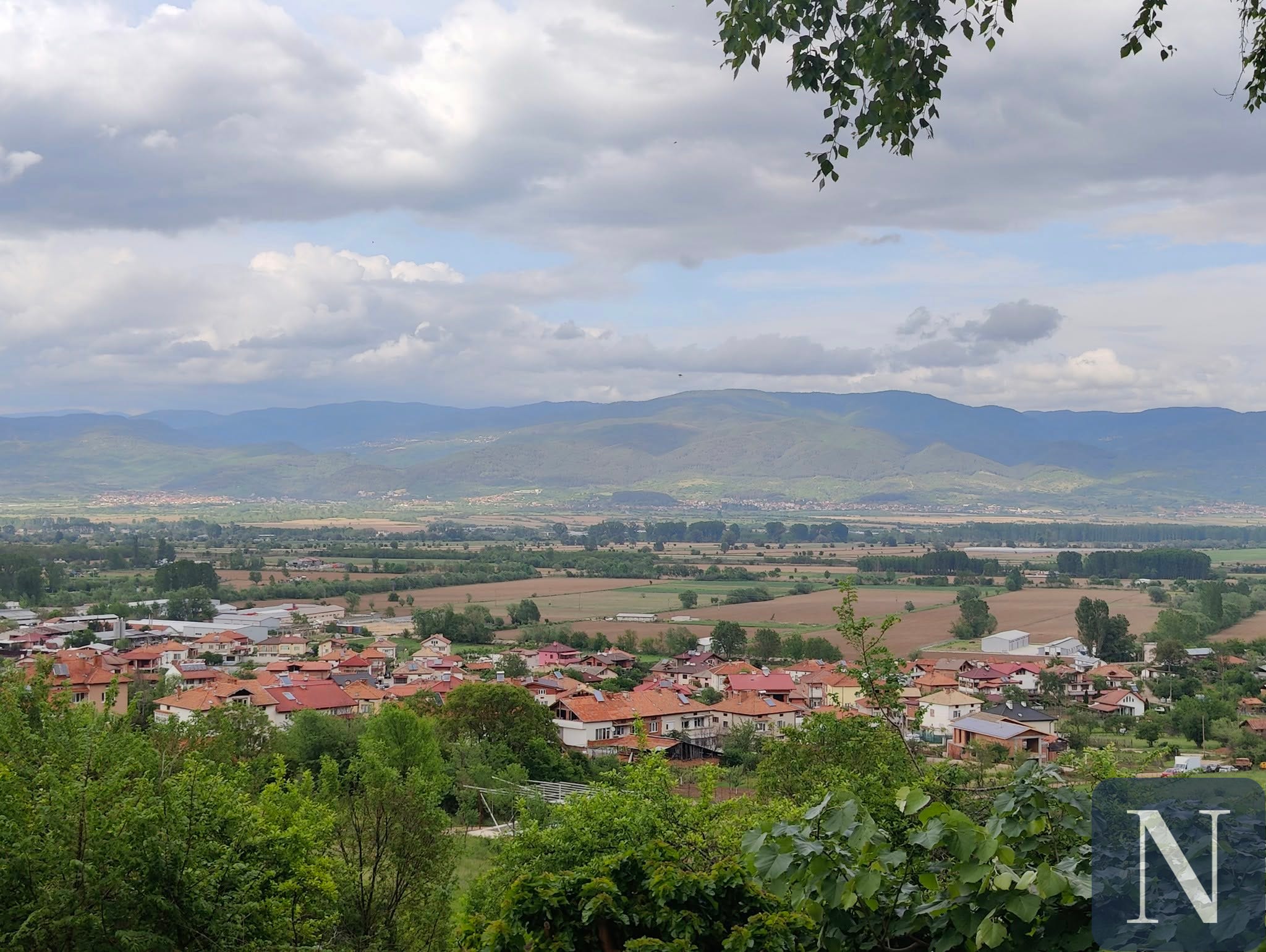
Two weeks into my stay in the village and still just water for an hour a day. Frustrations were growing. I mean, how long does it take to fix a pipe? But more to the point, how naïve of me to ask such silly questions. The locals knew better, even the children. This is how the conversation I had revealing how the locals saw things panned out…
- Do you see that village over there [pointing at the distance]?
- Yes
- And that village and that village [more pointing]?
- Yes
- They all have water. They’re on the same water system as our village.
- OK
- Our village and the neighbouring don’t have water because we’re being punished
- Punished? For what?
- For voting for the “wrong” party.
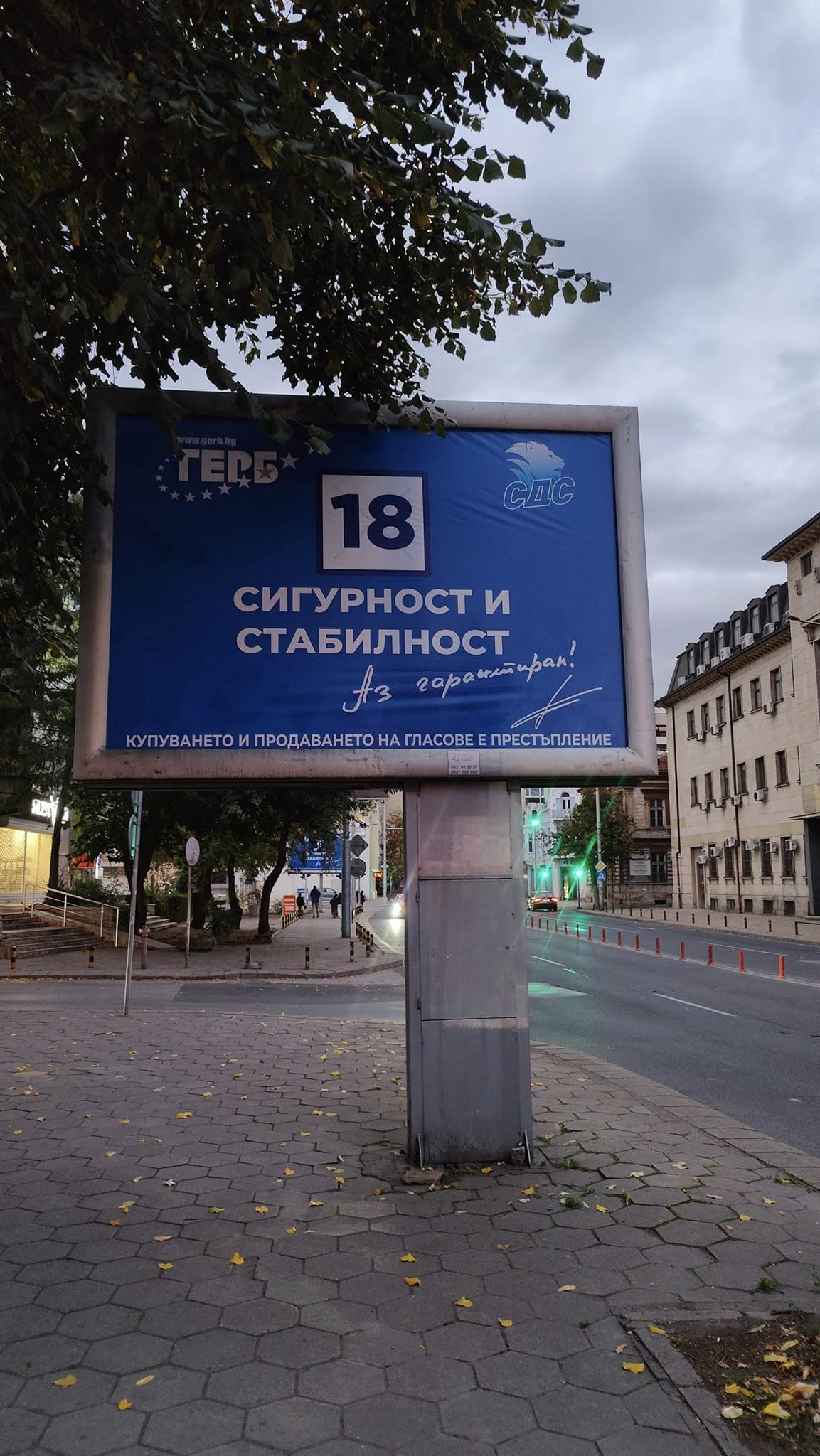
At the 1999 local elections, the village voted for the mayorship the then-recently legalised Macedonian party OMO Ilinden. In the last instalment I explained how the village came to be populated by “politically unreliable” people during Communist Party rule, many of whom were, or the descendants of those, tainted in relation to the Macedonian Question. As a result, most of the villagers did not identify as Bulgarians but as ethnic Macedonians. This was made quite clear to me when I was in the village the previous time, in 1997, where I was proudly shown the Macedonian sunburst symbol on the façade of the newly built chapel at the edge of the village. OMO Ilinden, which represents the country’s small community of people who identify as Macedonians distinct from Bulgarians, had been banned just like most other ethnic-, religious- or regional-based parties in Bulgaria, though the paradox is how can a party be banned for representing an ethnic minority that supposedly doesn’t exist. However, to tick some European Commission boxes in its efforts in its EU accession bid to display that the country is a robust democracy and respects ethnic and cultural minorities, the Bulgarian constitutional court eventually allowed OMO Ilinden to be legally registered. Disclaimer: my uncle is a member of this party. Once permitted to participate at the 1999 local elections, the OMO Ilinden candidate decisively won the mayorship for the village. The problems started soon after. Using the well-tuned punitive tricks from the recent past, the villagers felt that turning off the water, ostensibly for “repairs”, was the main tactic to teach them there are repercussions for not voting the “correct” way. Pretty much as soon as it had been legalised, OMO Ilinden was promptly banned again (and remains so, despite numerous European Court of Human Rights judgements ordering Bulgaria otherwise). At the following local elections in 2003, the incumbent OMO Ilinden mayor stood as an independent, but the villagers had learnt their lesson and went back to voting how they should. That’s the power of not having water.
And what do the villagers consider themselves to be now? Most of the people who identified ethnically as Macedonians were either refugees or the offspring of refugee parents born in what is now Greece just over the southern border – most of them have now either passed away or are very elderly. The overwhelming majority of villagers now are at least second-generation born within the current borders of Bulgaria, and predominantly identify as Bulgarian. They see themselves no different from people who live in other side of the country. That’s not to say that there aren’t people who still identify as ethnic Macedonians – there are, but nowhere near as many nor blatantly as before. It’s rare to see a Macedonian flag flying in a front yard in the village anymore. The current state of the Macedonian sunburst on the chapel mirrors that of the village’s current Macedonian identity – where it once was quite obvious, now it has been given a whitewash obscuring it to an extent that you’ll hardly notice it unless someone points it out to you. Try finding the sunburst in the picture of the chapel below. My cousins now proudly hurl the Bulgarian flag on national holidays from the balcony of their house. Their father doesn’t approve, but his children are adults and they can make their own decisions. They’re from different generations. They’re no longer untouchables like before.
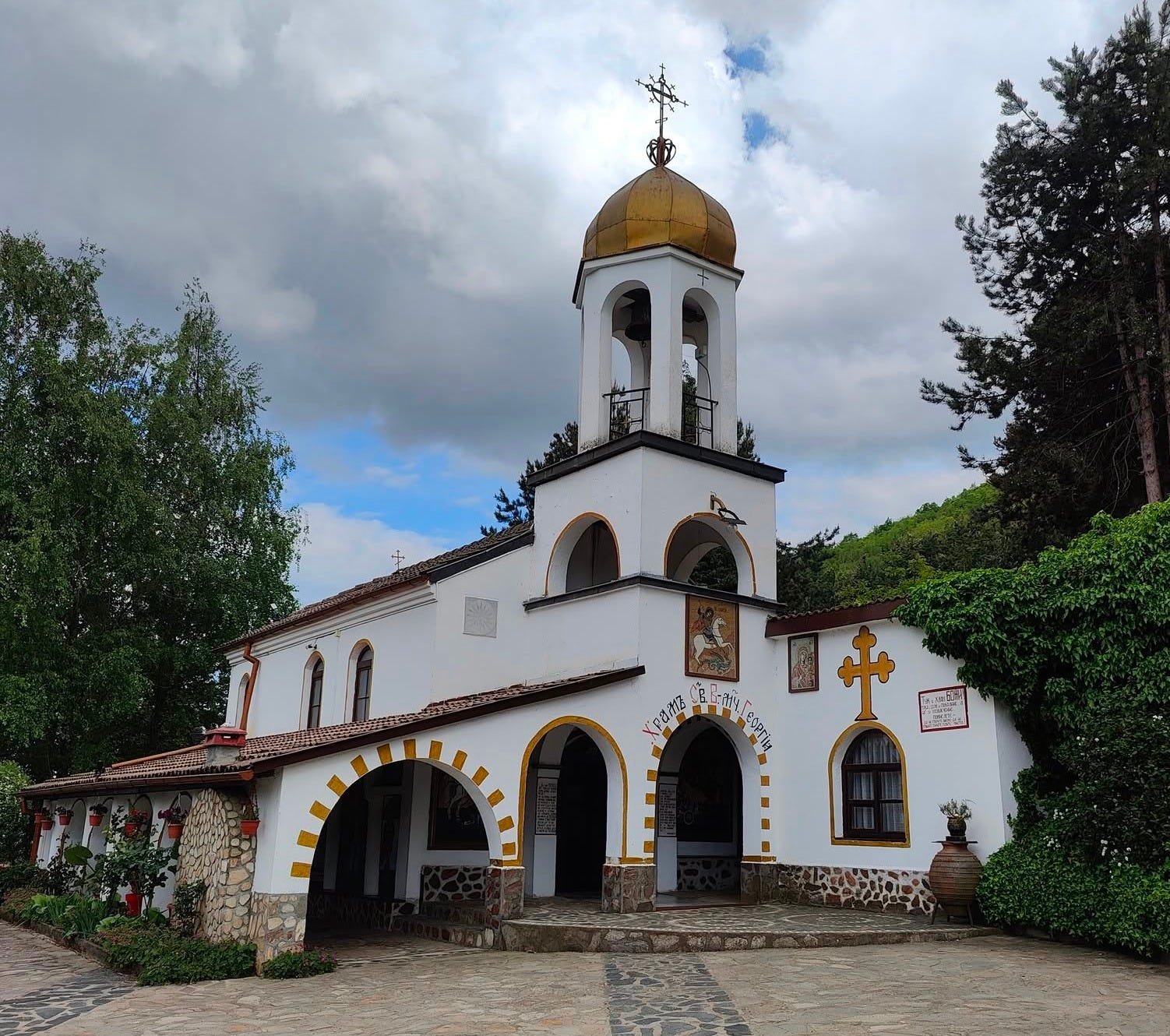
The border determines the fortunes of the village. It was the border that transformed most of the villagers and their ancestors into outcasts in the first place; it was the border that isolated the village and region when the traditional trade route south connecting them to the world was cut off; it was the border during the Cold War under extreme surveillance that entrenched that isolation; and now that the border has largely disappeared, more physically if not mentally, that has released the village to the outside world. The outside world… that reminds me of something…
Wait!
Biljana!
I almost forgot about my cousin Biljana, over on the other side of the other nearby border.
What am I doing here basking in the attention of being an attraction? Finding her and her family after all was one of the two reasons why I’m on this Balkan odyssey. Stiga! I need to get over the border into Macedonia post-haste. No more distractions. It’s time to enter a country at war…
Read on in Part 3 here
p.s. There are so many more stories, characters and history about this village to tell. I’ll have to come back to it in future posts.



.jpg)






.jpg)












.jpg)







.jpg)







_logo.svg.webp)


_(52052470251)_(cropped).jpg)
















_(8249451687).jpg)