It’s the end of July 2001. I’ve arrived back to Vancouver, Canada, in a thud. I had been briefly based here, if you could call it that, and in true Vancouver summer style, it was pouring with rain and a temperature of 14 degrees Celsius. Yes, the Vancouverians on the plane didn’t expect anything less after their return from sunny Europe.
Going through Customs, of course I had to be stopped. The usual interrogation questions start.
- Where have you been?
- I’ve been in Bulgaria and Macedonia via London
- How long were you there for?
- Most of this month.
- What was the purpose of your trip?
- I had to find my relatives who had been ethnically cleansed in the war there, and then I had to make arrangements so that my auntie can have an operation to have a tumour removed from her stomach.
You know – the usual.
Already I could see the red lights flashing in the heads of the Canadian customs officials. I mean, how many times have they heard those excuses? OK, I wasn’t being 100% honest here… but I was no idiot to be blatant enough to tell them that the “arrangements” were actually having to provide bribe money – because THAT’S the suspicious bit.
Before I knew it, my huge backpack was being ripped wide opened and all its contents spilling out to be thoroughly inspected. OK, little naïve me was wondering at first why this was all happening. After all, I had been telling, granted, mostly the truth. But then it dawned on me. A step back, a small dose of empathy and getting out of my Balkan box, I took stock of what I had declared. That’s when it occurred to me… wow, my story must sound mighty dodgy… and that’s when it dawned on me: they think I’ve done a drug run. That’s why they’re checking all my stuff with a fine-tooth comb. Looking back, I don’t blame them!
So I let them go do their intense search knowing very well that they’re not going to find anything spicy. Let’s consider it training for them.
After what seemed an eternity, the Canadian customs officials realised based on my relatively relaxed demeanour that I was being honest and so they stopped. And you have to appreciate the sincerity of the Canadians – they apologised (of course, they’re Canadian) and flat out admitted to me that my story did honestly sound too far-fetched to be true. I said that I wish it had been like that.
So here’s what happened to me in 25 years ago in July 2001…
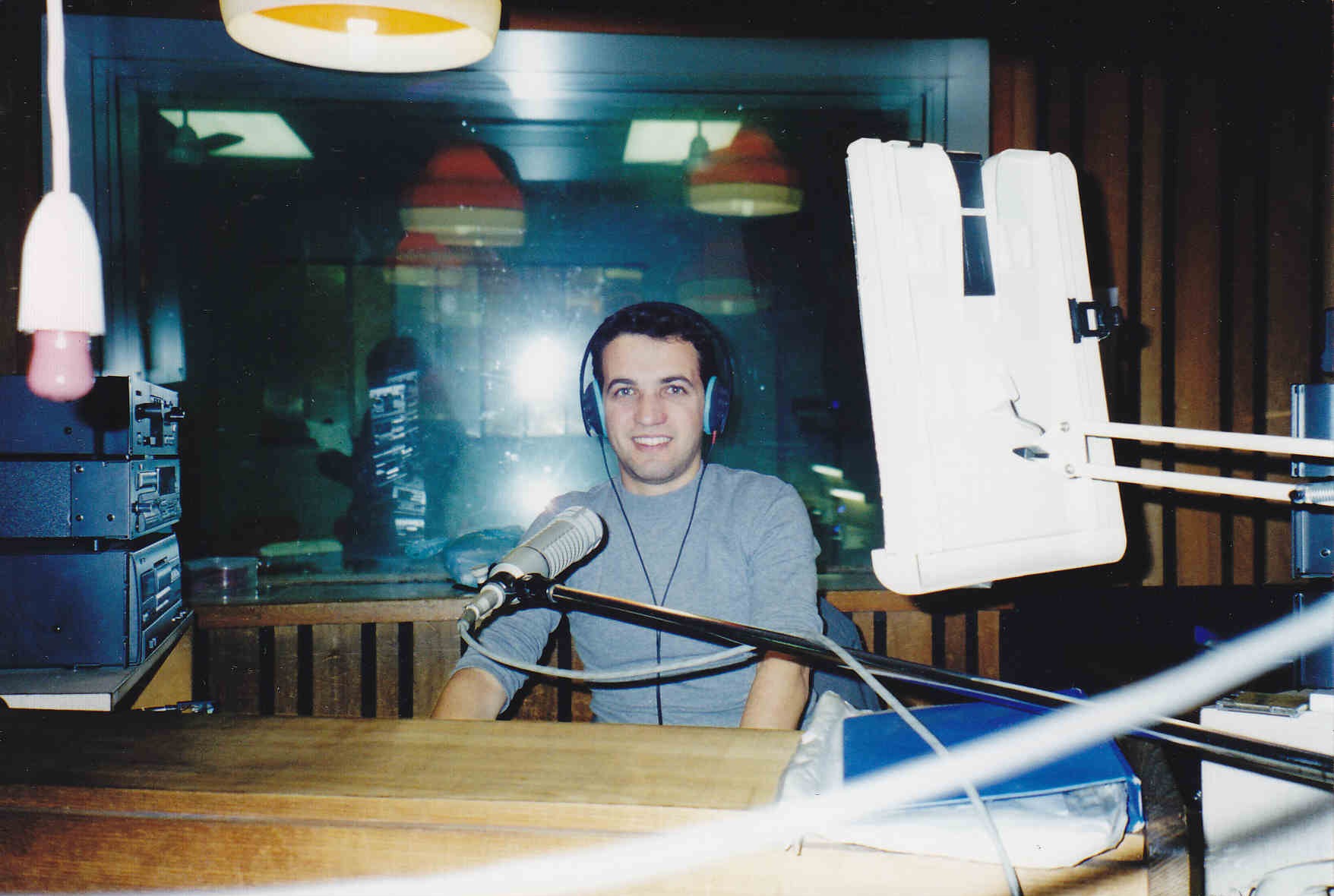
In my final instalment of Tales from Ethnic Radio, I detailed my final six months presenting a Macedonian radio program in Australia. I had left the program in June 2001 to pursue an opportunity to be based in Vancouver, Canada, taking elderly North Americans on guided trips around the world. During those preceding six months, I had been reporting about the armed conflict that had broken out in Macedonia. This conflict had a personal element for me – the last time I had heard from my cousin Biljana and her family was when in March 2001, a day after returning home from hospital where she had given birth to her second child, she and her family decided that they needed to escape the enroaching frontline, grabbed a few sentimental items, locked the door on their house and fled… and that no-one in my family in Australia heard from them after that.
It was now late June 2001. I had been in Vancouver for two weeks, totally bewildered at what I had put myself in. Also, I couldn’t believe that you couldn’t smoke in nightclubs, which was a major red-line for me at the time, and let’s not talk about the puritanical Canadian drinking laws. The tour company had told me that they needed at least another month to decide whether to take me on, which was a bit of a kick to the teeth, and so I was at a bind. Did I really want to be in smoke-free Canadian suburbia for the next month waiting for what seemed like something that was not going to happen?
Meanwhile, my parents were frantically contacting me from Australia reminding me that for more than 3 months we haven’t heard anything from Biljana and her family. Likewise, we hadn’t received any letters from the relatives in Macedonia and every time we’d make a phone call, we’d be greeted with silence. So my mother wondered would it be possible if I can just pop over to Macedonia and go find her? Because it’s just easy like that.
At the same time, my Bulgarian cousin Anna-Maria was also frantically contacting me. Yet again she needed my help, except this time it wasn’t for me to help her migrate to Australia. Her mother (my auntie) needed to leave her village in nowhere, central Bulgaria and go to Sofia for another operation. “Another operation?” I asked my cousin in shock. “I didn’t know that she had any operation beforehand”. Her response: “I didn’t tell you because I didn’t want to worry you”.
“So what’s the situation and how can I help?” I asked.
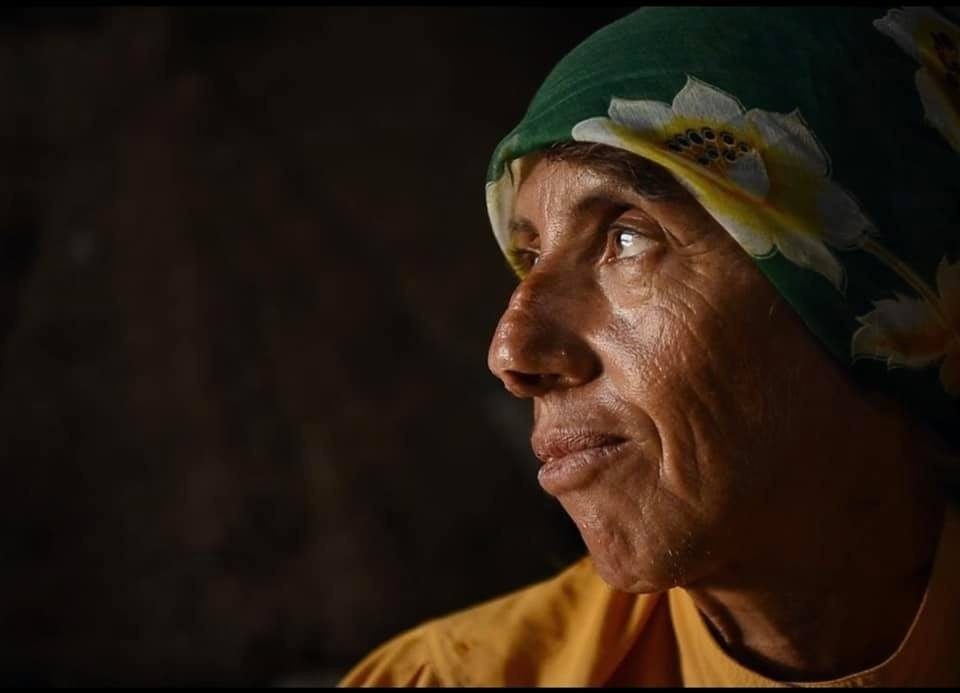
What had happened is that two years before, my auntie had some stomach pains. Now, in true Balkan villager style, she soldiered on totally ignoring the pains until she couldn’t even stand up anymore. Having been forced to fend for herself pretty much all her life, which in turn made her into the fiercely independent and stoic woman she is, she wasn’t going to let a little, or severe, pain defeat her – who else would feed her chickens, the pig, tend to her constantly juicy tomatoes… Still, the pains did get the better of her, so off she went, reluctantly and with much muttering, to the doctor’s. No, this was more serious. Off then to a specialist, who found that my auntie had been lumbering around with a huge stomach tumour, possibly for years! An operation was necessary. My auntie, just as naïve as me, had full faith in the Bulgarian health system and dutifully turned up for her operation, went under anaesthesia and came out the other side all fine… or so she thought.
Not long afterwards, the stomach pains returned. This time it must have been something different. Perhaps she just ate something off or strained herself when grabbing the jars she uses for pickling each winter from the top shelf. No, the pains persisted. So, two years later (!) she went to another doctor, who too referred her to a specialist and found that she had a stomach tumour… the same one as before! It just hadn’t been removed.
What? She was in hospital two years before to have the tumour removed. Why was it still there?
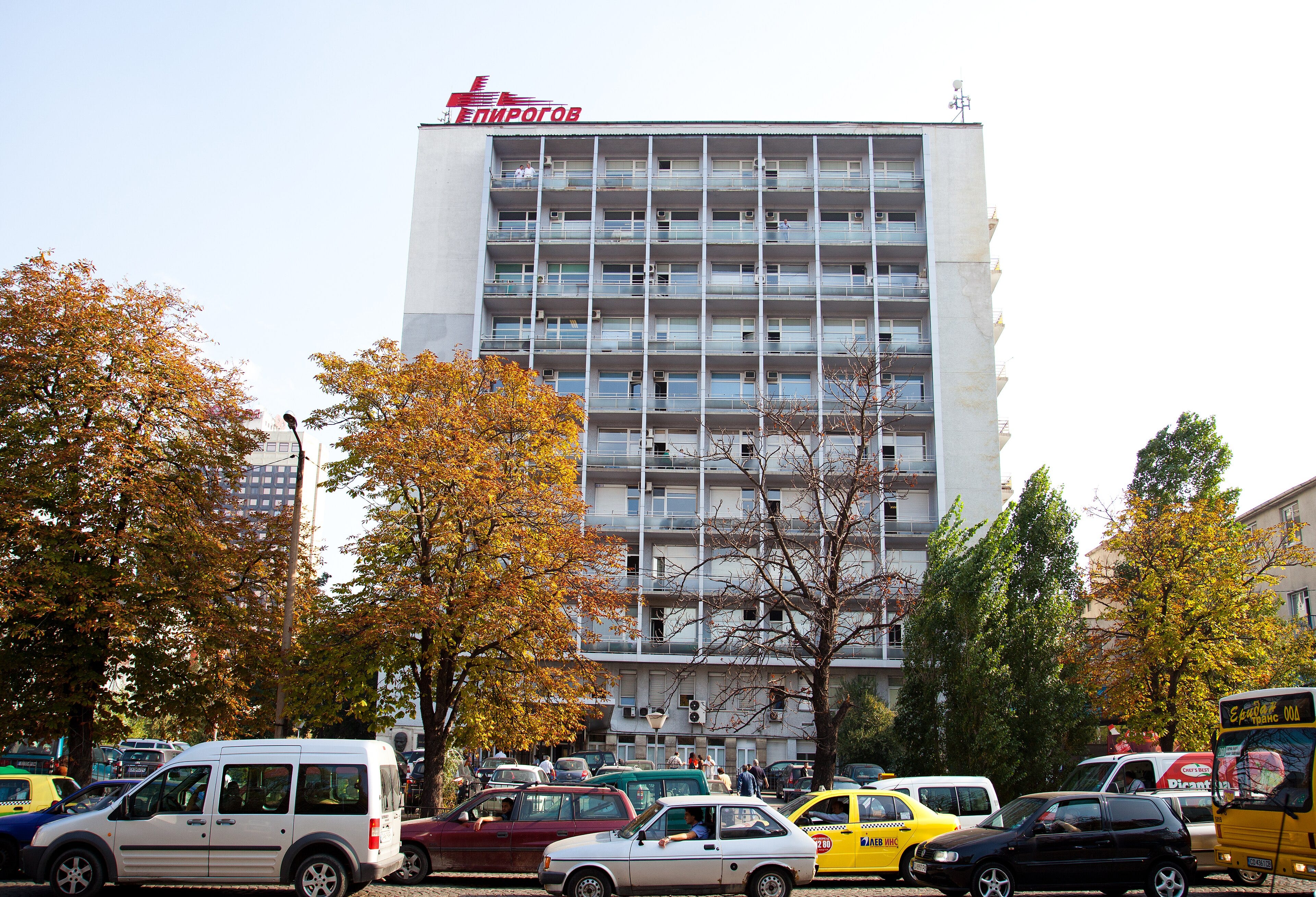
Well, at the time (and still to a major degree) to make sure that an operation was done in Bulgaria (and wider Balkans), let alone properly, it was the practice to, let’s say, augment the doctor’s wages with a little more money. Healthcare professionals in Bulgaria and all throughout central and eastern Europe were, and still are, heavily underpaid and overworked, particularly in the crumbling public health system in provincial areas. During communist times, health was considered a “caring” profession, so it was very much the domain of women, and subsequently not as well remunerated as more male-dominated fields. That legacy continues to a degree, and with such prospects, it’s no surprise that many of the region’s doctors, nurses and specialists have been lured to higher paying roles and better working and living conditions on offer in western Europe (particularly Germany). The hospital in the depressed post-industrial apocalypse of a town near my auntie’s village looks from the outside it was set on fire and closed ages ago. But no, it’s operating… barely.
My cousin Anna-Maria, who is an amazingly shrewd and astute person, was living in capital Sofia at the time, where much of Bulgaria’s best health facilities were (and still are) located. Using her wide network of carefully cultivated contacts, she was able to get her mother admitted to one of Bulgaria’s most reliable hospitals to have the operation done properly this time. There was just one catch – she needed an extra US$300 to have it done properly. Anna-Maria did not have that type of money on her, so she pleaded with me whether I could get my parents to fund this. I answered her prayers and said I can provide the dosh and even hand it to her personally. I knew there was no point asking my parents, even though they had more means to stump up the bribe money. But there were two things from the past that would’ve made my parents weary. First, my mother was not impressed when in 1988, in the dying years of communism, Anna-Maria wrote an angry letter to our grandfather in Australia demanding that he immediately send over US$200 so that she could buy digital calculator from Corecom, the chain of stores in communist Bulgaria where rare and much-prized western goods of all sorts could be purchased for hard currency only (Anna-Maria ended the letter stating “I know you got the money"!”). One to hold a grudge, my mother never forgot that. The second aspect: when in 1991 my grandparents cabled US$500 via a bank in Bulgaria to my uncle, the money (conveniently) disappeared. Had they not got their Australian bank to trace the payment on time, then with the payment deemed “unclaimed”, the Bulgarian bank would’ve taken the money for itself. Dodgy! I personally going to Bulgaria with the cash was the only way that this transaction at the time could be done successfully.
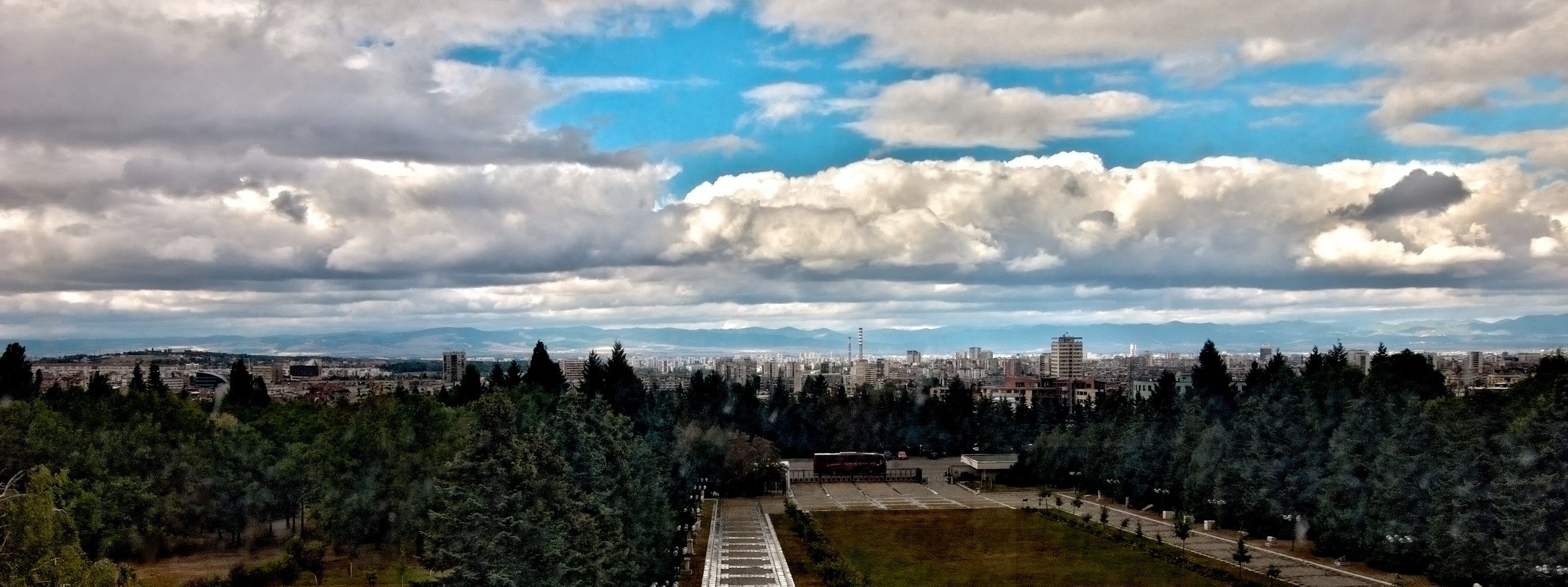
And so I went. I got on the first flight I could to Sofia from Vancouver, which meant flying via London Gatwick, spending the night nearby at a friend of a friend’s place and then flying on the British Airways (BA) flight the next day to Sofia.
That BA flight to Sofia was… interesting. It was clear that an overwhelming majority of the passengers were Bulgarian. Even though it was summer, this was at a time before Bulgaria was considered a reliable holiday destination for British tourists or the home to many foreigners seeking cheap properties and lower living costs. With no inflight entertainment for the three-hour flight, the BA flight attendants knew how to keep the Bulgarians occupied – ply them with free booze. That drinks trolley was going up and down that aisle like you wouldn’t believe, so those flight attendants certainly worked their shift that flight. Now, unlike the eastern European stereotype many people to the west of Vienna hold, Bulgarians (and Balkan people in general) actually don’t usually drink to excess – which is considered very poor form if you do in public (that changes behind doors away from prying eyes and public judgement). So the mood in the plane was very congenial; everyone was having a wonderful time chatting amongst themselves. When in Rome, or Sofia for that matter, I got into the spirit and started talking with the two women behind me. They were Bulgarians who had migrated to the USA — one lived in Portland, Oregon and the other in Seattle, Washington. And with me flying in from Vancouver, British Columbia, we made up the rainy West Coast trifecta. After chatting for a bit, the two women said “you’re fun; we’re sitting next to you” and so they moved to my row. They sensed that I hadn’t spoken in Bulgarian for a while, so they filled me in with the latest Bulgarian slang. One term they taught me was pich, meaning “good-looking person”, to which I asked if there’s a female form for this (cheeky!). Let’s just say that if you know, you know… hehe.
Arriving into Sofia, I immediately contacted my cousin Anna-Maria excited to be seeing her. However, a bombshell – she regretfully informed me that due to “circumstances”, I couldn’t stay with her, so I had to quickly find someone else to stay that evening, which I did – a cheap and cheerful hotel near the centre of Sofia above a mehana (a traditional Bulgarian tavern). Fine, they had the chalga music playing into the early hours, but with my jet lag, it didn’t matter.
My auntie’s operation had been delayed by a few days, or weeks, or a month. Who knows? In any case, I was a free agent. What to do then while I wait? With my cousin Anna Maria unavailable, I decided to call my cousin in the southwest of Bulgaria, the region where our grandfather came from, just to say hi. He had no idea I was in Bulgaria. Now, I wasn’t expecting anything but in true Balkan hospitality-style, the first thing he instructed me to do is come down and visit them immediately. No ifs, no buts. And so I did!
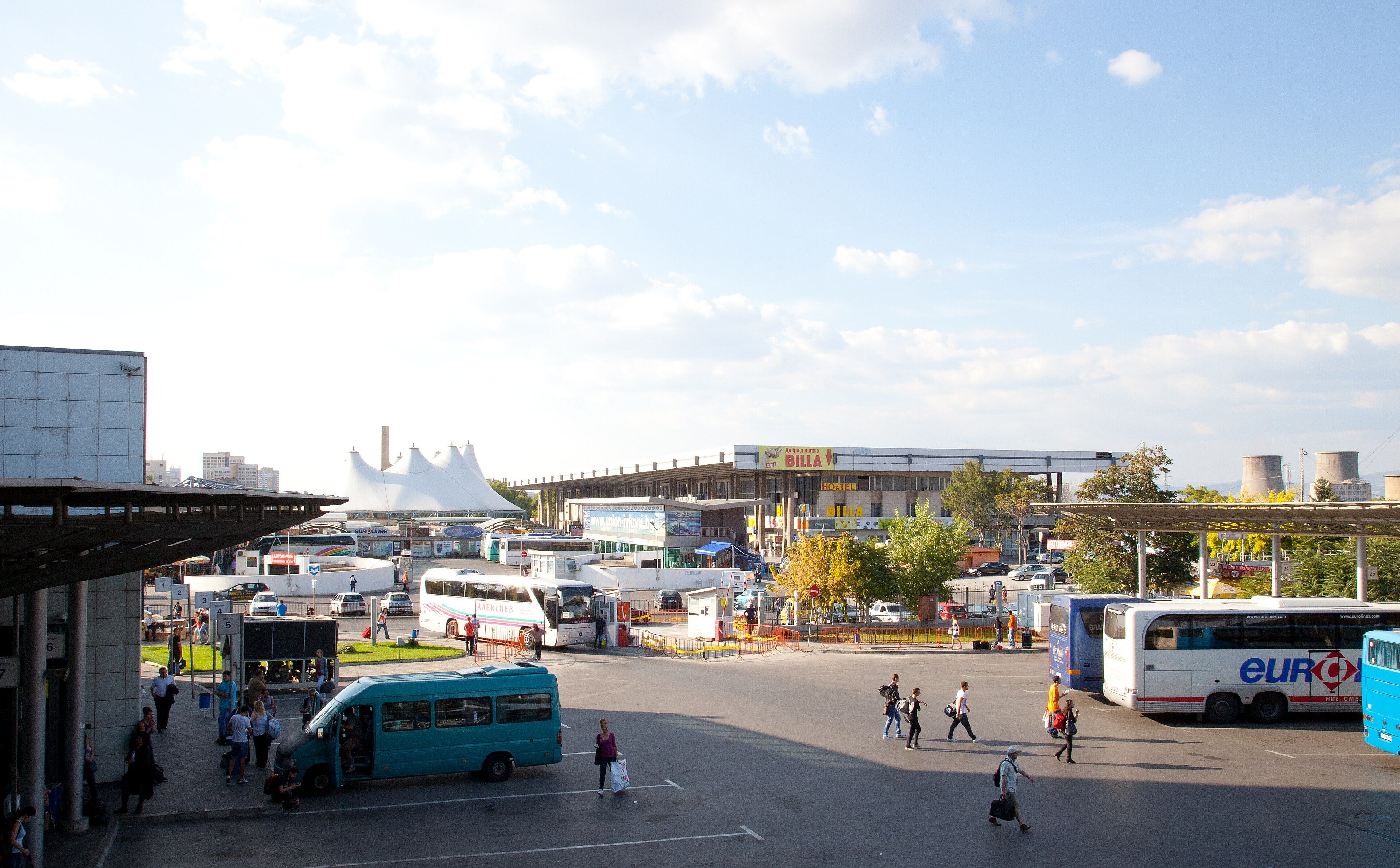
Off to the Sofia bus station, where bought the ticket for the 4 pm bus to Gotse Delchev. At the time, Sofia’s main central “bus station” was symbolic of its transition to capitalism – a ramshackle and very dusty patch across the road from Sofia’s 1970s soc-mod railway station, full of old western buses bought cheaply on the second-hand market from Germany, often still with the German signage on them. That bus with “Hauptbahnhof” on its destination display is actually going to Pernik.
My cousin and his family, including my uncle and auntie, warmly greeted me when I arrived in Gotse Delchev, which of course meant that a shot of their homemade rakia was waiting for me. They hadn’t seem me for four years, so there was much to catch up on. My cousin, who shares the same name as our joint grandfather, immediately apologised to me that because of the nature of his work with the electricity company, plus running the most successful café in the village (named “Australia” in honour of our grandfather) he couldn’t do the typical Bulgarian hosting thing by controlling every aspect of my stay. Instead, he seconded me to some of the other twenty-somethings in the village, most of them unemployed, who gladly and enthusiastically ushered me into their tightknit group as if I’d lived in the village all my life like them. I was now part of the village fabric and dynamic. Mind you, a lot of the time was spent smoking cigarettes and gossiping… but not all the time. But I had a role immediately carved out for me, one that would garner me a lot of attention. As what my cousin’s wife told me, I’m an atraktsiya – an “attraction”. How come? Well, first some history.
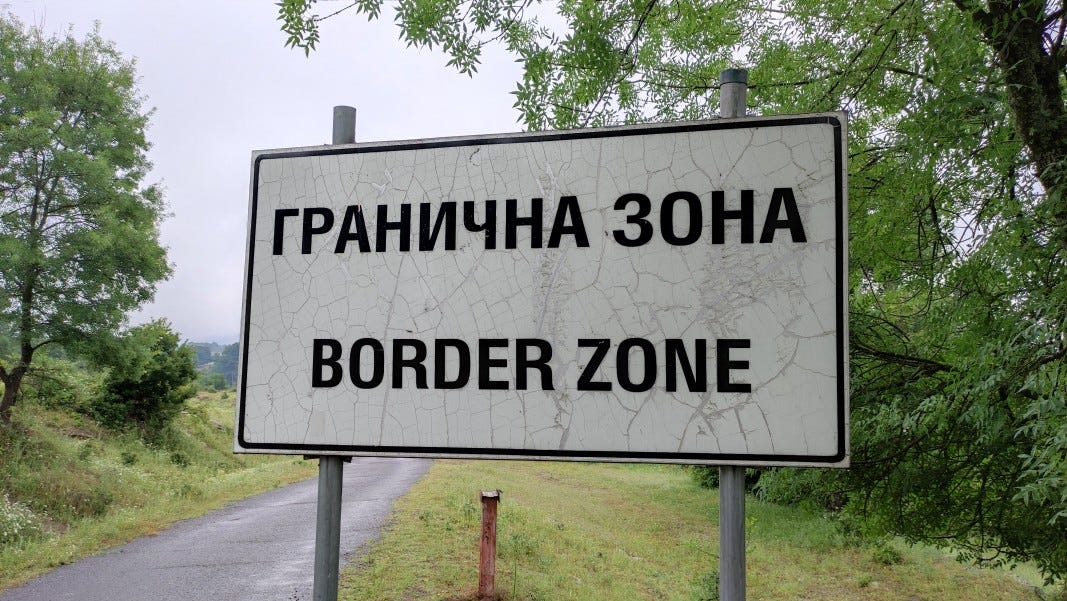
The village where my uncle and his entire immediate family lived in had nothing to do with any ancestral. My uncle (and his sister – the one with the stomach tumour) had ended up in this village located less than a kilometre from the main town they had been born in, by no fault of their own. After my grandfather, a police officer for the communist authorities at the time, had been arrested in 1947, during the height of Stalinist oppressions in the early years of Bulgarian communism, for having passed on intel to an illegal Macedonian irredentist grouping, his wife and two infant children were very ceremoniously kicked out of their nicely located and appointed apartment in what had been the town’s prosperous but now emptied Jewish quarter. They were to serve as an example to everyone in town to know what are the consequences of operating outside the confines deemed acceptable for the new “dictatorship of the proletariat”. By virtue of their father’s actions, these infants were labelled “enemies of the people”, a title that was to hang over them for the next few decades. Fearing retribution by association, none of their relatives could help these people, so my grandfather’s (first) wife had no choice but to go to this neighbouring village, which essentially was a dumping ground for people deemed politically unreliable by the communist authorities. I should heavily point out that these “enemy” labels were often not placed on these people on truly ideological grounds – these were more often convenient covers for people to get back on personal foes usually based on petty grudges often dating from previous generations – the main reason why my grandfather refused to go back to Bulgaria even after the fall of the communism. It’s part and parcel of the social politics that make up life in Balkan provincial towns. The reason why this village became the dumping ground was that it was located just inside the granichna zona, the forbidden “border zone” straddling Bulgaria’s sensitive southern border with capitalist adversaries Greece and Turkey (and the main topic for Kapka Kassabova’s award-winning book Border). People living within the “border zone” were under greater surveillance, had their ID documents specifically denoted so they could be identified immediately as worthy of greater suspicion, and had to deal with arbitrary nighttime curfews and other restrictions on movement more so than other Bulgarian citizens. The added bonus for the authorities was that this village of outcasts was located within walking distance of the big town, they they could come in and do the degrading menial work such “enemies” were deemed solely fit to do, and return to their hovels that counted as their places of residence in the village before dusk. As the main (but not sole) cause for the “enemy” status for many of the villagers was the Macedonian Question, and having been treated poorly by the central Bulgarian authorities, the village in the region quickly became known as the “Macedonian village” – a reflection of the widespread espousal of a separate Macedonian identity of the villagers contrary to the mainstream policy (to this day) of modern Bulgaria, which sees Slavic-speaking Macedonians as ethnic Bulgarians.
This was an issue in 2001, where Bulgaria had now become supposedly a “free” country.
One everyday problem I was, erm, privileged (??) to experience in the village in 2001 was that it was under rezhim – the Bulgarian term for the rationing of services. In this case, water had been cut off to the village (and the neighbouring one) for 23 hours a day. Apparently, that dreaded of all communist-era and also French-origin terms was happening – remont, i.e. “repairs”, though it always seems that these are protracted, designed to be as inconvenient as possible and, if at all completed, shoddily done, rendering them functionally unnecessary. Again, a cover for other, usually more sinister, reasons.
The hour when water would turn on would happen very arbitarily, but once water would be turned on, believe me, word spread quicker than a viral meme, and immediately everyone would rush home, have a shower and fill up as many tubs with water that they could. It certainly trained me to behave the exact same way when anything remotely resembling such a rezhim occurs in my building in London.
As to what was the real reason for this rezhim, along with many of the other aspects of life in this village I was to observe and partake in, they’re in Part 2: how the villagers and what they deemed an atraktsiya were set to change immensely very soon after, plus local vs national politics, music, dreams, faith, attitudes, brown bears, nightlife… and the only gay in the village!
















.jpg)






_logo.svg.webp)










.jpg)













_(8249451687).jpg)