_(8249451687).jpg)
What's the obvious sign of a lazy translation from English into any other language?
The overuse of anglicisms!
What's an anglicism, you might ask?
An anglicism is a word or construction borrowed or adapted from English by another language.
📃 Something stood out to me recently when reading a Macedonian package leaflet – that's the leaflet that always comes with a medicine, detailing all the warnings and instructions. Quite often these package leaflets have their original versions in English and are then translated into other languages. The main instruction given to translators of these package leaflets is they use language the general public can understand.
So here's an example of the text in this package leaflet:
Превенција на релапс на диареја е лимитирана
(Prevencija na relaps na dijareja e limitirana)
Now, not knowing Macedonian but understanding English (or, for that matter, a Romance language), you probably get a good idea of what is being said here. But would your average Macedonian-speaker fully understand this, let alone use such anglicisms?
Absolutely not!
For all four terms here: prevention, relapse, diarrhoea and limited, there are more common Macedonian words in use: спречување, рецидив, пролив, ограничена. And yet, instead of using them, whoever translated this vital information took the easy option of tweaking the original English terms to appear Macedonian.
This is something that happens A LOT in translation from English to many languages worldwide, and not just in package leaflets. While the translation is technically correct, the whole purpose of conveying information in a form understandable to the target audience has been lost. Ultimately, this is a fail, especially when important health information like this needs to be communicated.
Let's face it – no-one is impressed by this use of anglicisms.
💡 So my tip is if translating from English into other languages, unless in widespread usage, best steer away from anglicisms and go for the vocab people speaking the target language are guaranteed to understand.
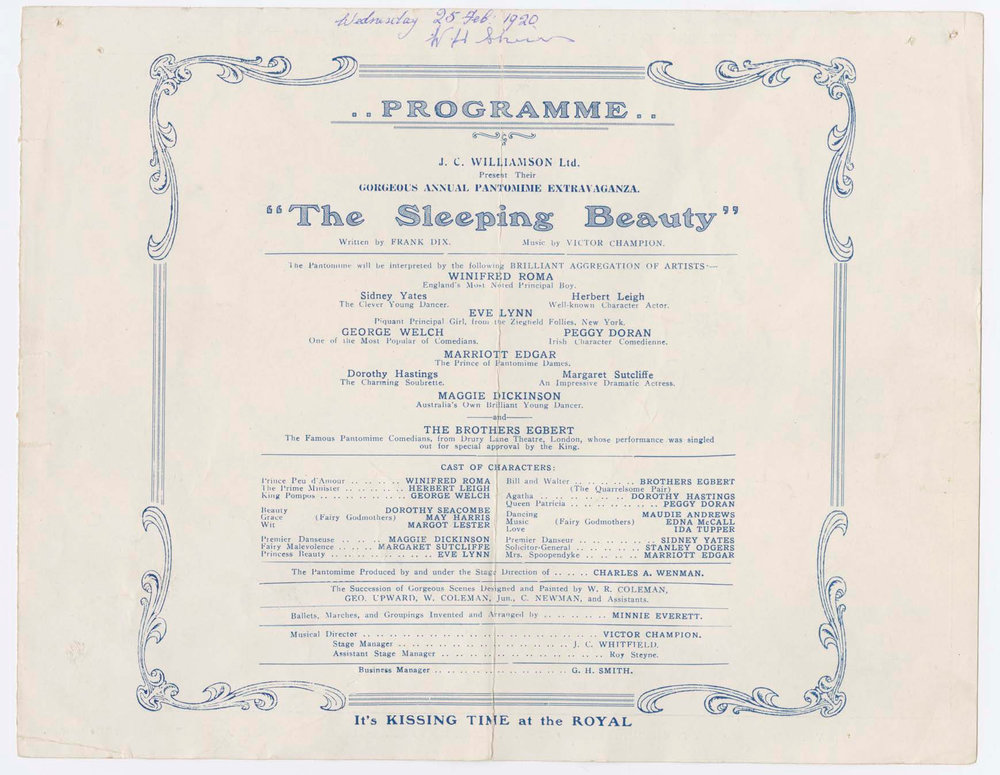
Photo credit: The U.S. Food and Drug Administration, Public domain, via Wikimedia Commons











.jpg)









.jpg)














.jpg)






.jpg)














_logo.svg.webp)






_(52052470251)_(cropped).jpg)



































_(8249451687).jpg)