.jpg)
In the evening of 8th September 35 years ago, members of the Macedonian community in Adelaide, Australia spontaneously gathered at their local hall to celebrate what was history in the making – the holding of a referendum in the then Yugoslav republic of Macedonia asking the populace whether they would want their country to become an independent country and, here’s the clincher, renegotiate its status within some possible new Yugoslav federation. As what happens with so many referendum questions, they’re worded in such a way so as to manufacture a particular result, and given that whether you wanted Macedonia to separate from an already disintegrating and Serb-dominated Yugoslavia (hence why we were starting to call it euphemistically as “Serboslavia”) or not, then it was a foregone conclusion. Nevertheless, it was something we never expected to see ever happen – Macedonia becoming its own independent country. No longer would Macedonians be hidden behind a “Yugoslav” façade; one that was quite convenient for some of our opponents. From now there would be no denying, or so we thought, that there was a county called Macedonia with Macedonians living in it. 8th September 1991 was already being billed as the “Third Ilinden”, giving it the same significance as the two other prior important events in Macedonia’s quest for nationhood, both having occurred on Saint Elijah’s Day (Ilinden in Macedonian), which on the Julian calendar observed by the Macedonian Orthodox Church is on 2nd August. The first Ilinden was a popular and, as was always described prior to 1991, socialist uprising against Ottoman rule; the second being the proclamation of a Macedonian republic within the newly formed Federative People’s Republic of Yugoslavia also on 2nd August, in 1944. We were so full of excitement and optimism that better days were on their way. Little did we know that for the next 35 years, and running, rather than having independence affirm our distinct identity and name, we would spend all that time having to constant prove our very existence.
But this isn’t a story about Macedonia’s 35 years of “independence”. This is a story about how big things can come from the most unsuspecting of places, and for hardly anyone where this big thing originated to know of it. And that there are people behind these big things, and some of them are in turmoil.
That night at the Macedonian Hall in Adelaide, as well as all throughout the world where Macedonians were gathering to celebrate the coming of a golden age of independence, there was one song that was sung over and over. It had been released the year before, capturing the zeitgeist in Macedonia and served as the soundtrack to Macedonia’s independence movement. That song is one that practically every Macedonian knows. It’s called Biser Balkanski i.e. The Pearl of the Balkans.
Valandovo, Macedonia. It’s the final weekend of May 1990. Yugoslavia as a single federation is already staring down its violent abyss. With the visible fracture on ethnic lines at the League of Yugoslav Communists Congress in January that year resulting in a Slovene walkout, and the introduction of multiparty politics, the federation of Southern Slavs was in its dying stages. Macedonia, one of the poorer southern Yugoslav republics, didn’t have the same impetus as the more developed northern republics to want to seek independence, but with the ship sinking like it was, it seemed there would soon be no choice but to eventually bow out. In any case, the atmosphere in Macedonia was growing ever more tense and suspicious of how much the Serbs and their nationalism encouraged under Slobodan Milošević were becoming more dominant in terms of politics and culture.
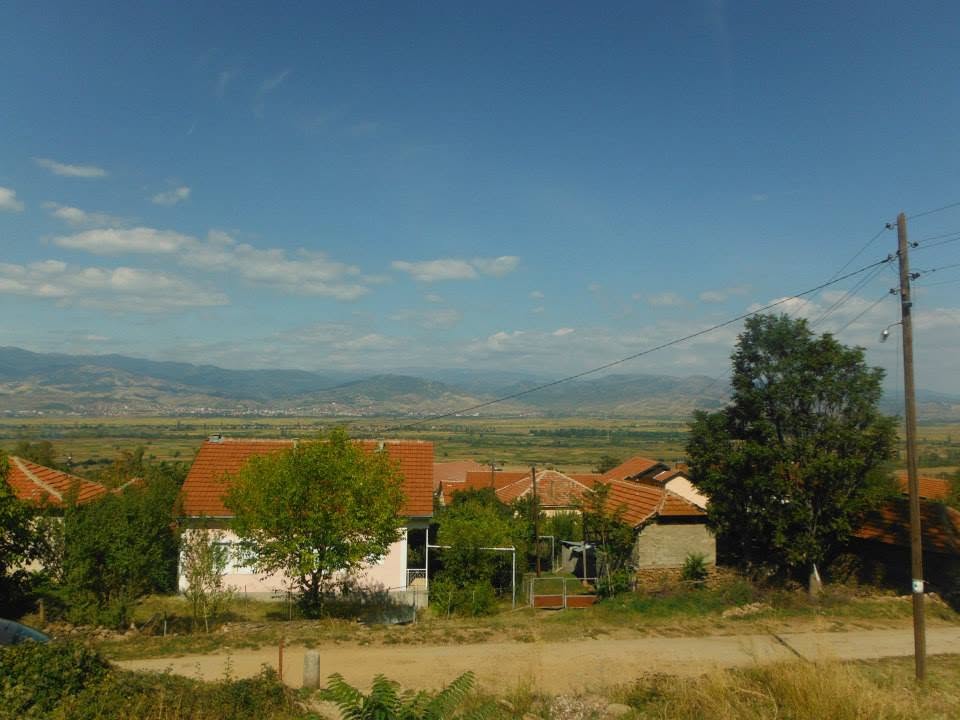
Valandovo had been the venue of an event – an annual song contest of newly composed Macedonian folk songs – founded primarily in response to this perceived, growing Serb cultural dominance. Given that for most of socialist Yugoslavia’s existence there was no record label in Macedonia – all of Yugoslavia’s major recording studios and record labels were based in Serbia, Croatia and Bosnia, these labels then set the trend as to what would be recorded and what wouldn’t. By the 1980s, profit had supplanted ideology as the driving force for what was recorded, so with its smaller population and therefore market, it appeared Macedonian music, and much of Macedonian pop culture, was being sidelined. To counter this, in 1985 Macedonian singer and musician Janko Uzunov decided to organise a song contest (of the likes Yugoslavia had a grand tradition in holding – Italy’s San Remo being the template) in his hometown of Valandovo to revitalise the Macedonian (neo-folk) music scene, giving singers, musicians and song composers a much needed platform. The Valandovo Folk Fest quickly established itself to be Macedonia’s prime neo-folk music event, launching many a singer’s career, and after over 40 years is still going strong. The songs at the initial Valandovo Folk Fests featured were performed with the accompaniment of the “Folk Orchestra” of Radio Skopje, an orchestra comprising primarily of western acoustic instruments – no keyboards or synthesizers then, and with the occasional “oriental” instrument such as the kanun or guest appearance by a gajda (Macedonian bagpipes, though this instrument can be found all over Europe, northern Africa and western and southern Asia). The songs, all newly composed but done in an urban folk style developed over the previous decades, would mainly be about topics covered in Macedonian and wider Balkan folklore – love, family, humour – but the occasional Macedonian patriotic song was also performed in the early years, sticking to sentimentality and never straying into what the Yugoslav authorities deemed as “nationalistic”. To please the authorities and downplay any accusations of promoting Macedonian nationalism, amongst the first songs performed at the first Valandovo Folk Fest in 1985 was Tatkovino, Jugoslavijo (Fatherland Yugoslavia). Come 1990, and with the mood in Macedonia, just like in the rest of Yugoslavia, having become more tense and independent-minded, singer Goce Nikolovski appeared on the Valandovo stage with a song called Biser Balkanski, an ode to Macedonia, proclaiming the land to be the “Pearl of the Balkans”. The lyrics of the song went straight into topics that could have had someone arrested previously – claiming that there is only one Macedonia and that it stretched all the way to the Aegean Sea (i.e. Greece) and the Pirin mountains (in present-day Bulgaria). People in the audience started crying hearing the song, Goce Nikolovski and his dancers were given a standing ovation and unison clapping and, needless to say, the song went on to win the contest outright. That summer all through Macedonia all you could hear was Biser Balkanski. The song was immediately adopted by the nascent but growing Macedonian independence movement as its anthem, and has since attained the status of an alternative anthem for Macedonia and Macedonians wherever they are in the world.
But hardly any Macedonians know where the song originated, but I do. I’ll let you in on the secret…
The person who wrote the lyrics was singer, musician, lyricist and writer Branko Gjorgjievski.
And where did he write this anthemic song?
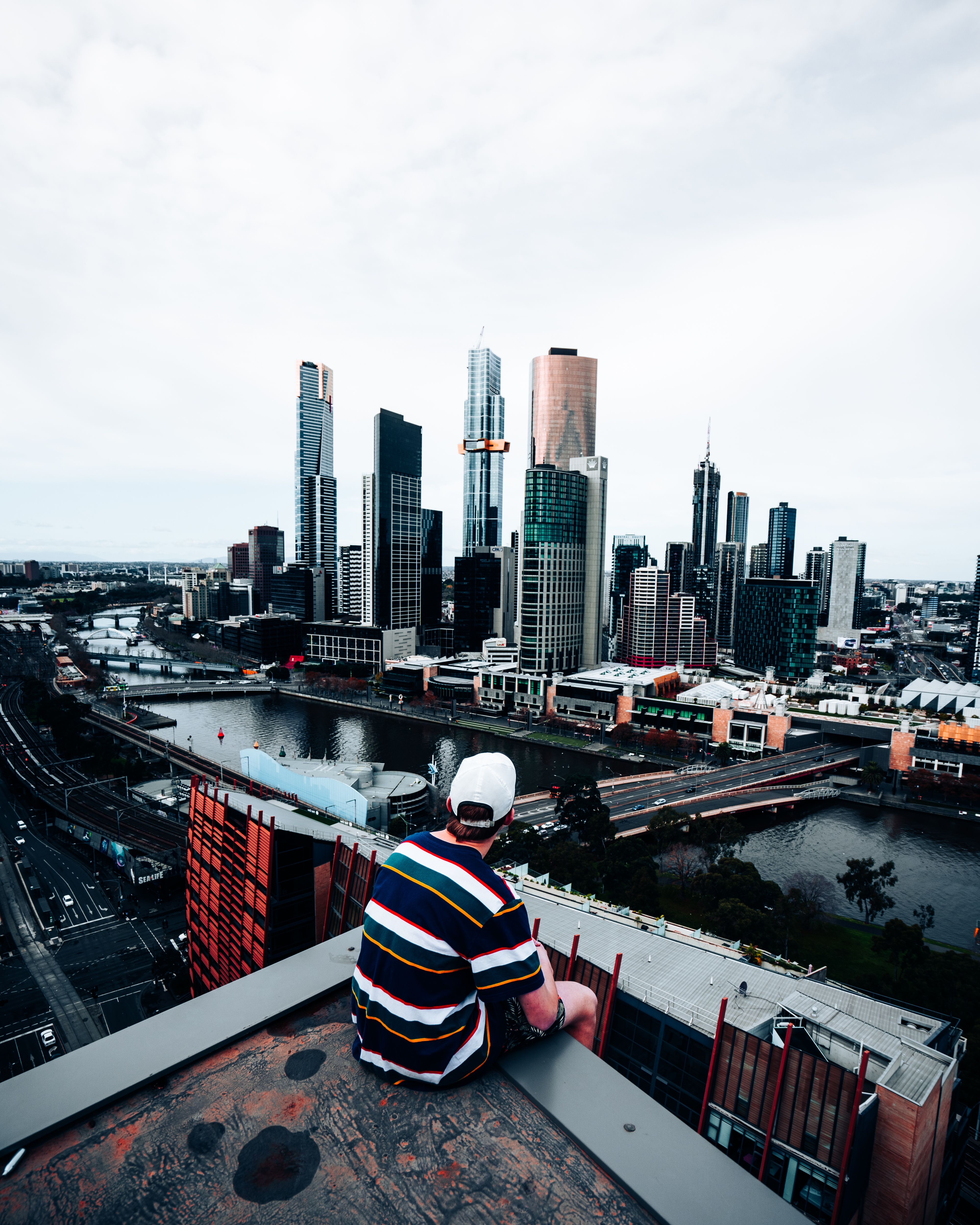
In the kitchen of his home at the time on Days Road, Angle Park, in the northern suburbs of Adelaide, Australia. Here’s what Days Road looks like these days…
Yes, in the midst of mundane Australian suburbia. I doubt anyone living on this road would know that their neighbourhood was where not just this but a number of Macedonia’s most emblematic and well-known songs were written.
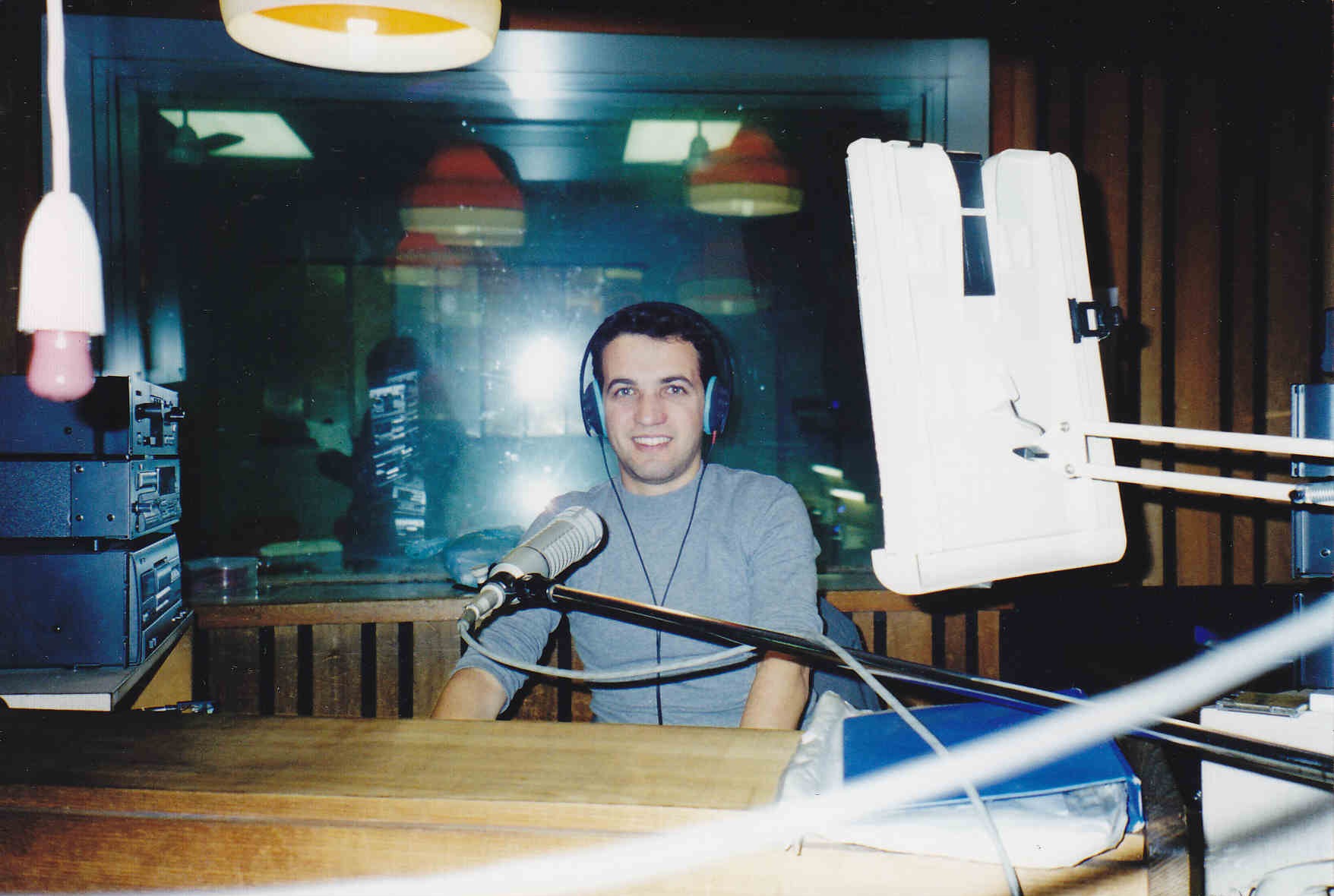
Branko Gjorgjievski migrated from Yugoslav Macedonia to Australia in 1981 and settled in the city of Adelaide, where his brother Petre lived. Disclaimer: Petre was married to my mother’s second cousin (this is Macedonians for you – two degrees of separation!) who herself had grown up a few hundred metres down the road where Biser Balkanski was penned. The brothers had been born in Drachevo, once a small town with rich folkloric traditions, now a suburb of the Macedonian capital Skopje. Petre Gjorgjievski had been a professional multi-instrumentalist and dancer with Skopje’s premier Macedonian dance folk ensemble Tanec, performing along with world-famous Macedonian choreographer and dancer George Tomov. For most of the 1980s, Petre was the teacher and choreographer of the Sloboda Macedonian dance ensemble in Adelaide (yes, my siblings and I were members), whereas Branko was the teacher at the weekly Macedonian school.
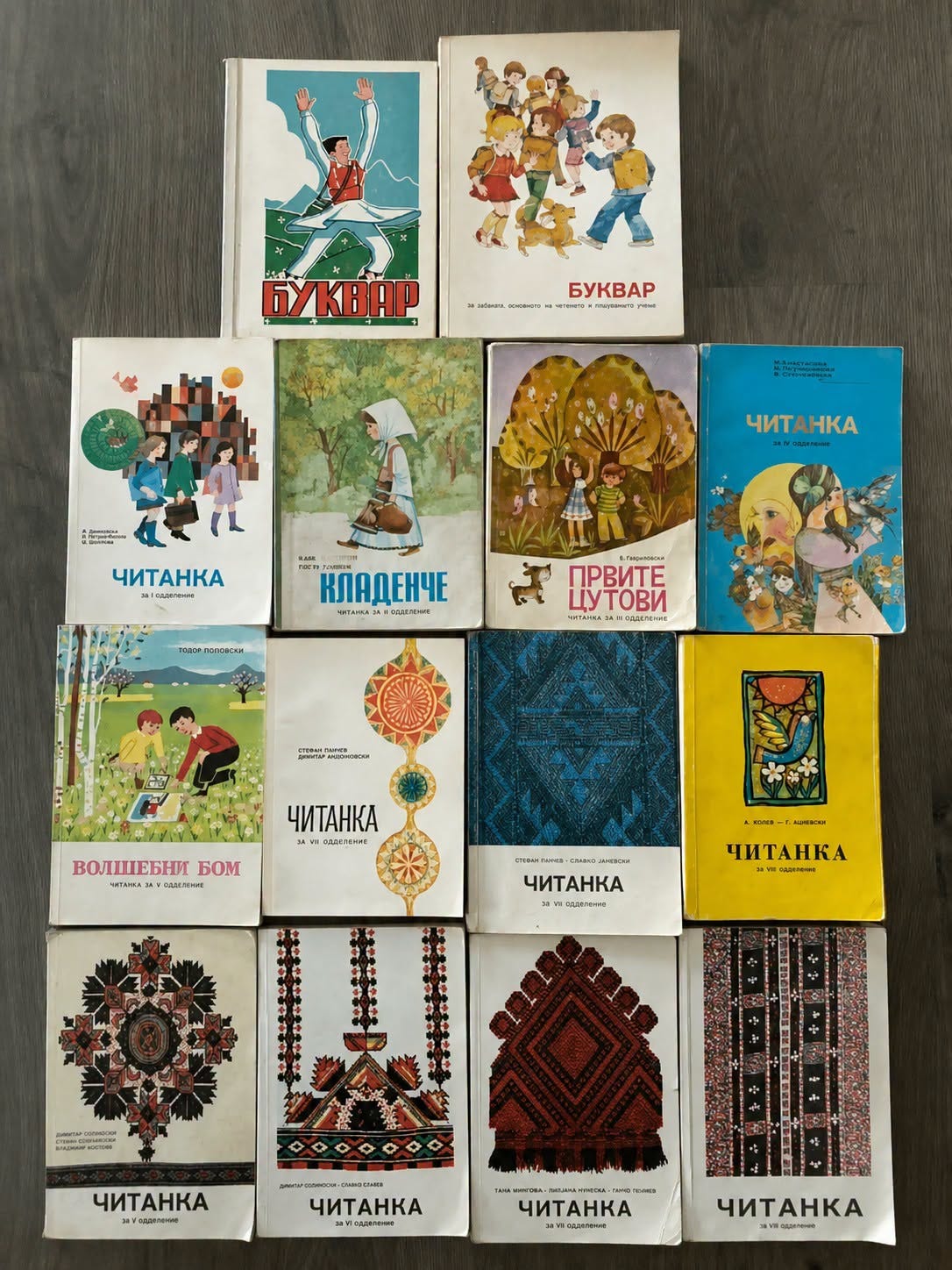
Branko was my first Macedonian language teacher and was instrumental in teaching me the Cyrillic alphabet. I still remember the time when my father dropped off my sister and I at the Macedonian class. It was a Friday evening and, honestly, my sister and I had no idea what was happening. When we entered the class, we saw all of the students – all of them very familiar faces. My first reaction is why didn’t they tell us before that they were all doing Macedonian classes on Fridays. The lesson that day was learning the letter L, i.e. Л, and everyone in the class (except my sister and I as the newbies) had to read the short text from our primers featuring words with the new letter L. The text was titled Ние сме смели (Nie sme smeli), meaning “We are Brave”. But us kids, nearly all of us having English as our primary language, thought it was hilarious as smeli is pronounced exactly the same as the English smelly, so in our cross-switching minds, we read it as “we are smelly!” Branko allowed me to take the primer home with me, and figuring out that at this rate it’s going to take a year of classes to get through all 31 letters of the Macedonian Cyrillic alphabet, I didn’t have the patience to wait, so by the following Friday I had learnt all the letters by myself. My lifelong infatuation in the Cyrillic alphabet was born.
The Gjorgjievski brothers also had their own music band, having a monopoly on Macedonian music performance in Adelaide at the time. The band occasionally would try out new songs Branko had composed to the Adelaide Macedonian audience at events. Some of these went on to become emblematic hits. One of these songs composed in that kitchen in the suburbs of Adelaide, and one that is guaranteed to be sung or played at any Macedonian diaspora celebration, or particularly at gatherings for ethnic Macedonian refugees, and their descendants, from 1946-49 Greek Civil War, is Kade ste Makedonchinja (“Where are you, our Macedonian children”). This is what Gjorgjievski had to say about the song for the Skopje daily Nova Makedonija for the 30th anniversary of Macedonian independence in 2021:
- In Adelaide, where I had been living for some time, there are many Macedonians who had fled from Aegean Macedonia (the part of Macedonia within Greece, ed.), and in my daily interactions with them I got to know of their fate, which moved me emotionally. It was not difficult for me to channel this feeling into a chorus and a song. I’m humbled to know that my song “Kade ste, Makedonchinja” broke the barriers surrounding what had been classed up to then as “nationalist songs”, and in fact these songs only referred to Macedonia by its ethnographic borders.
The song was first officially performed at Valandovo Folk Fest 1987 by Aleksandar Sarev, a Macedonian singer who himself had been a child refugee from the Greek Civil War, so it was autobiographical. The song was about the 30,000 child refugees, mostly ethnic Macedonian, who on the orders of the Greek Communist Party leadership evacuated children ages 2 to 14 from guerilla war zones to protect them from bombings, particularly of napalm. The children, often in groups of up to 70, led by a “mother”, usually a young woman aged around 18, would wander through the mountains to avoid capture or being targeted by bombs to reach the Yugoslav border, where they’d be loused, bathed and then transported to camps all throughout the Eastern Bloc and as far away as Tashkent in Soviet Uzbekistan. In Greece, the right-wing Royalist government called this operation To paidomazoma “the kidnapping”, portraying this evacuation as totally involuntary and against the will of the local population. As these children were deemed to have been sent for communist indoctrination and training to come back and wage armed conflict against the Greek government, most are still blacklisted from entry into Greece, despite almost 80 years having past and the remaining survivors being in advanced age. This song was composed to coincide with the 1988 gathering in Skopje reuniting these “children” (by then they were in their forties and fifties), where this song became the event’s anthem. While Macedonian officials now will avoid mentioning these refugees and their plight as this could draw ire from Greek officials, that the song survives as a popular anthem ensures that this tragic historic event, as well as the existence of these refugees and their often sad fate, will remain etched in the minds of Macedonians.
- Branko Gjorgjievski performing his song Kade ste Makedonchinja at the 50th Anniversary Gathering of Child Refugees, 1998
While Sarev as the singer was autobiographical, it was quite a different story when it came to Goce Nikolovski, the singer of Biser Balkanski.
Nikolovski was born in Skopje, Macedonia in 1947, but soon after his family moved to Niš, Serbia, where he lived for most of his life. Though Nikolovski’s mother tongue was Macedonian, his primary language was Serbo-Croatian. Nikolovski started his musical career in the early 1970s as a pop and rock singer fronting various bands in Niš, and later gaining some modest fame all throughout Yugoslavia with his singles in Serbo-Croatian and Macedonian. In the late 1980s Nikolovski started appearing at the Valandovo Folk Fest, singing neo-folk love songs in Macedonian and gaining a renewed fame for himself centred in Macedonia. But while he was following the neutral line as expected when in Yugoslavia, when he was outside of the country, particularly when performing for a Macedonian diaspora audience, his repertoire took on a more “patriotic” nature.
It was in 1987 and my family was listening to the Friday evening broadcast of the Macedonian radio program in Adelaide when we heard this new song recorded in Sydney by Goce Nikolovski. With the opening lyrics saying may anyone forcing any Macedonian to give up who they are end up burning in flames and appealing Macedonians to “not give up our name” pre-empting what soon was to be a live issue and international dispute with Greece, this song displayed an assertiveness up to then uncharacteristic for Macedonian songs of this nature. This signalled to my family, and young teenager me, that things were about to change dramatically. That Goce Nikolovski would later in 1990 take on and sing Biser Balkanski was not a surprise. After his win at Valandovo, and having also recorded another song, also originally composed and recorded in Australia, about the arrest and show trial of post-war Macedonia’s first premier Metodija Andonov Chento, Nikolovski followed up at the 1991 Valandovo Folk Fest with a song dedicated to the opening of the new central cathedral church of the Macedonian Orthodox Church in Skopje. This song, Zapejte site angeli too entered the canon of “independence songs” and is often performed with Biser Balkanski back-to-back.
By this time, with Macedonia in a patriotic fervour with its proclamation of independence from Yugoslavia, and having gained his massive popularity on the back of these patriotic songs, the Macedonian public’s expectation was for Nikolovski to continue with releasing anthemic patriotic song after another. However, Nikolovski did state how his first love when it came to music was for pop and rock love songs, so by 1992 he attempted steering his Macedonian music content back in this direction. Unfortunately, this didn’t work out well for him, and despite his attempt in trying to repeat his success with Biser Balkanski with another patriotic song at the 1994 Valandovo Folk Fest, he couldn’t re-establish the same level of popularity as before. Nikolovski soon after reduced his public appearances in the Macedonian music scene, stopped recording new material, all the while still based in Serbia. Though, it wasn’t his drop in popularity that was the main cause for his withdrawal; it was another aspect to Nikolovski he had been forced to hide the whole time – his chronic and pathological depression.
It was a complete shock when the sensational news came out the first time (we know of) Nikolovski attempting to die of suicide in his home in Serbia. As is often the case when we don’t know the true person behind the celebrity façade, people innocently question why would someone who has established themselves and appear to have everything life can offer to have such inner turmoil and despair that they’d want to be dead? Of course, these being the Balkans, mental health issues are something to be ashamed of and never discussed, especially so for men, so his first (public) suicide attempt was promptly forgotten. However, it was somehow fateful when in December 2006 Macedonian media outlets reported Goce Nikolovski’s dead body had been found in his house by his son. Nikolovski had shot himself in the head. He left a note explaining why he did what he did, but talk of this is still conveniently muted.
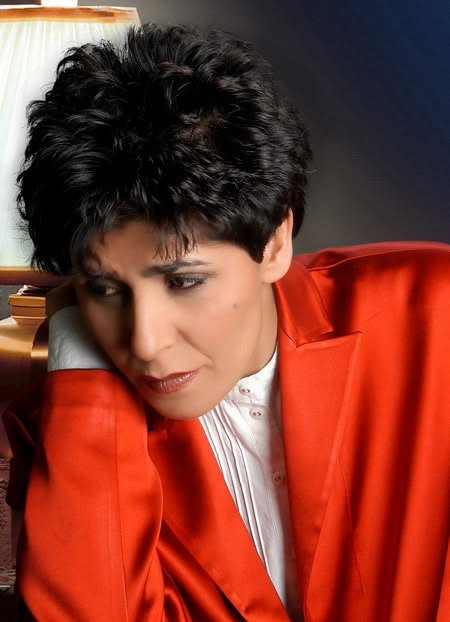
In the leadup to the 35th anniversary of Macedonian independence, there has been a string of lavish concerts and celebrations romanticising that day in September 1991. Macedonia’s biggest stars having been appearing with names such as Jose Carreras and singing songs, including Biser Balkanski, such as here with 2012 and 2016 Macedonian Eurovision entrant (and genuinely wonderful person) Kaliopi. The clips have been flooding Macedonian social media these past few days.
Never once at these concerts, nor in the media or in general conversation, does the country’s official name of “North Macedonia” ever get mentioned – it’s always “Macedonia”. Now Macedonians could say this is out of independent defiance, but honestly it’s out of a numb blindness of the reality - a blissfulness of unawareness that beyond their Macedonian bubble, most of the rest of the world has no idea of Macedonia or Macedonians, a fact I’ve personally encountered many times when brandishing my Macedonian passport on my travels. Prior to independence, Macedonians were “Yugoslavs” and now, despite what the Prespa Agreement might say, they’re often referred to as “North Macedonians” – essentially a geographic and not an ethnic marker. Pretending otherwise, as is the case in Macedonia, is not going to change that. Independence should have solidified our existence, but instead we continue to be questioned and doubted. That’s not taking into account that for many Macedonians, their standard of living still remains below that of socialist Yugoslav times, and considering the economic turmoil 1980s Yugoslavia was in – oil shortages, hyperinflation, bankruptcies, etc. – to have not improved from the already low baseline is a damning account of what these past 35 years have achieved. The euphoria and optimism we had 35 years ago, whether at the main square in the centre of Skopje or at the Macedonian Hall in Adelaide, has unfortunately not lived up to expectations. At least we’ve survived.
As can be seen with this history of these songs, you just never know where something originated or can end up. Like how Branko’s neighbours had no idea that in his kitchen he was writing the lyrics for songs that became and are the biggest hits in his home country, who knows what your neighbours or anyone humble person in your vicinity could you have done, are doing or end up doing. Like the wife of one of my father’s best friends, who later revealed she used to be a secretary for Salvador Allende and had escaped Chile in spectacular fashion, or the frail old woman I met at a bus stop one time who gave me a vivid account of when she was a young guerilla fighter in Greece, or that annoying girl in my photography class in Year 9 who, like Branko Gjorgjievski, became a highly rewarded lyricist, only that her songs are known worldwide and sold millions (yes, you know them, but I’ll keep quiet as to who this person is). Likewise, we also often don’t know if these people are like Goce Nikolovski and could be trapped within living anguish. Goes to show there are hidden, and not-so-hidden stories, accomplishments and suffering happening within your midsts, no matter how unremarkable or mundane it may seem.
Photo right of Adelaide's suburban sprawl: Michael Coghlan from Adelaide, Australia, CC BY-SA 2.0, via Wikimedia Commons








_(8249451687).jpg)


.jpg)










.jpg)







.jpg)










_logo.svg.webp)



_(52052470251)_(cropped).jpg)






.jpg)


















.jpg)