What’s the story with smiling, or lack thereof, in the Balkans? And is a smile really a sign of happiness… or are they actually just laughing at you in disguise?
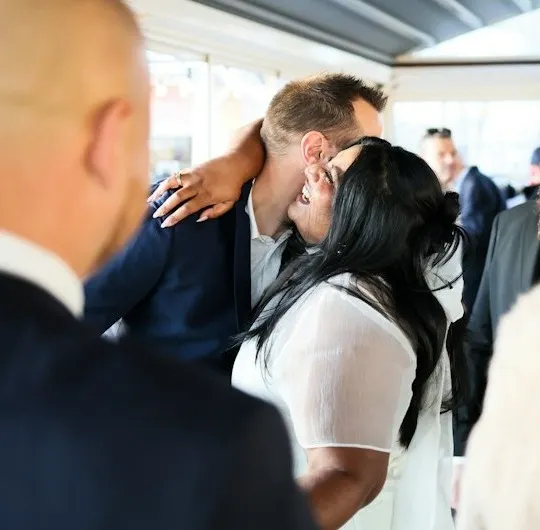
After going through the dos and don’ts of kissing and hugging in the Balkans, now let’s get into smiling. Because in the Balkans, you may be overdressed with a smile.
Let’s start with a story, and for comparison sakes, it takes place in the country I was born and raised – Australia.
In 2022 there was controversy with Australian of the Year, Grace Tame. This time it had nothing to do with her advocacy for greater rights for sexual violence victims. Oh no, Grace’s ‘heinous crime’ according to some was not smiling when having her photo taken with the (then) Australian Prime Minister, Scott Morrison. By doing so, she was apparently ‘childish’ and ‘immature’.
This incident prompted me of the polar opposites in smiling cultures between Australia and Southeastern Europe. Had this scenario taken place in the Balkans, it would’ve been the Prime Minister who would’ve been criticised for behaving like an idiot at an official ceremony.
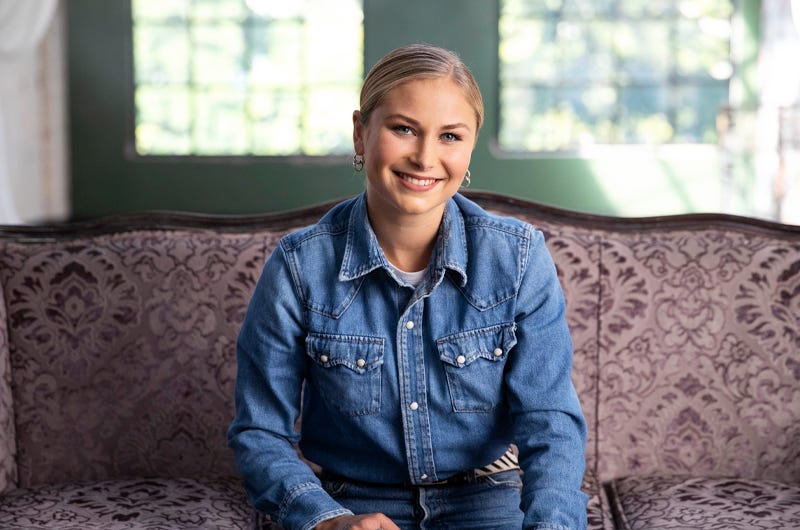
Australians are a smiley lot, much due to the positive attitude encouraged in Aussie culture: ‘don’t be a sook and buck up’. The huge amounts of Australian sunshine do make people naturally happier. Smiling in photos is de rigueur (‘say cheese!’) While most of this positivity is genuine, the flip side is that it masks many mental health problems, something that has garnered more awareness in recent years in Australia, such as the ‘R U OK?’ anti-suicide campaign. It’s to a degree that Aussies are now being told that ‘it’s OK to feel sad’.
Living in London, I find it generally not to be much of a smiling city, so it was a bit of a shock for me when Brits would tell me that I ‘smile a lot’. Actually, I found out once I got one job in the City because the bosses had found having one smiley Aussie in each department ‘cheered everyone else up’ and raised productivity. There I thought it was based on merit and skill, and not the pearly whites.
However, when it comes to smiling, it’s a bit of a different story in Southeastern and Eastern Europe, where life is, how do I put this… tougher.
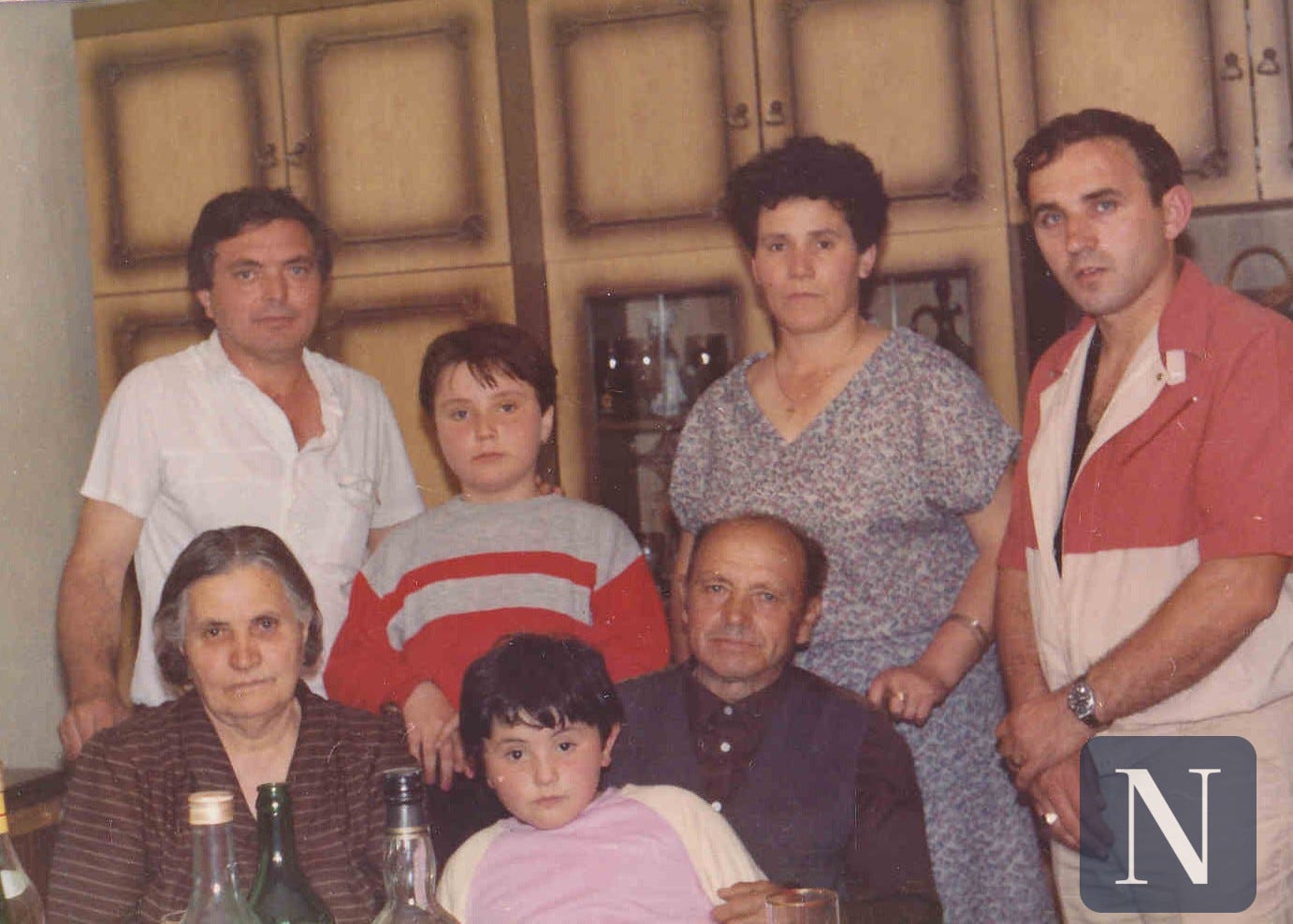
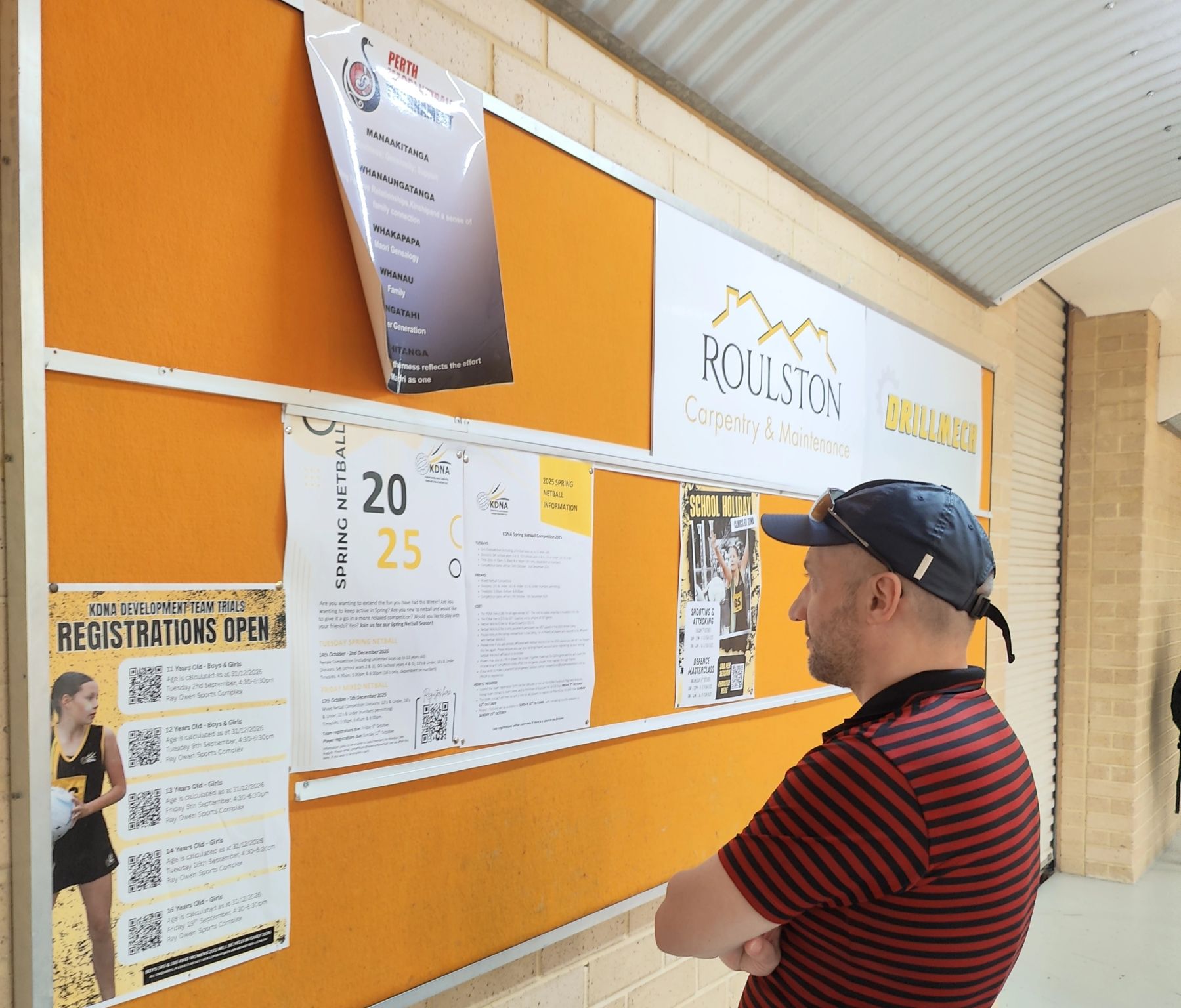
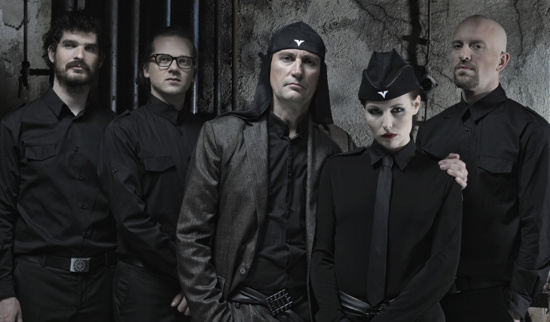
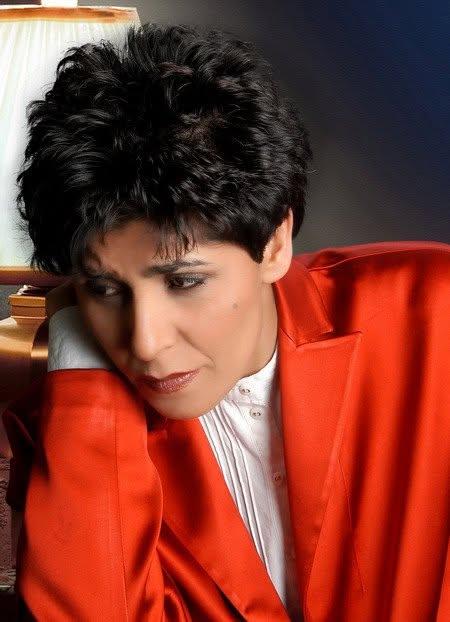
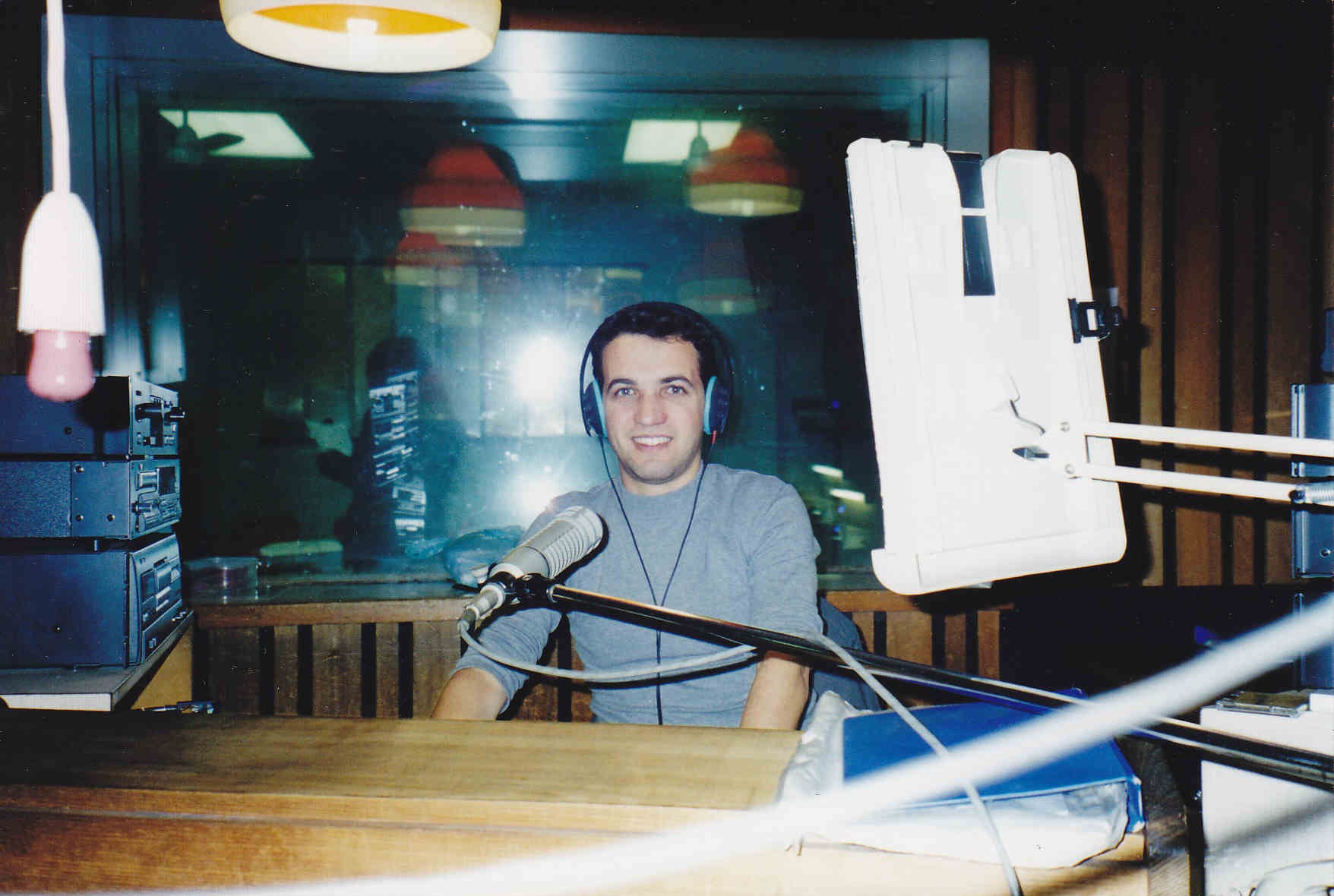
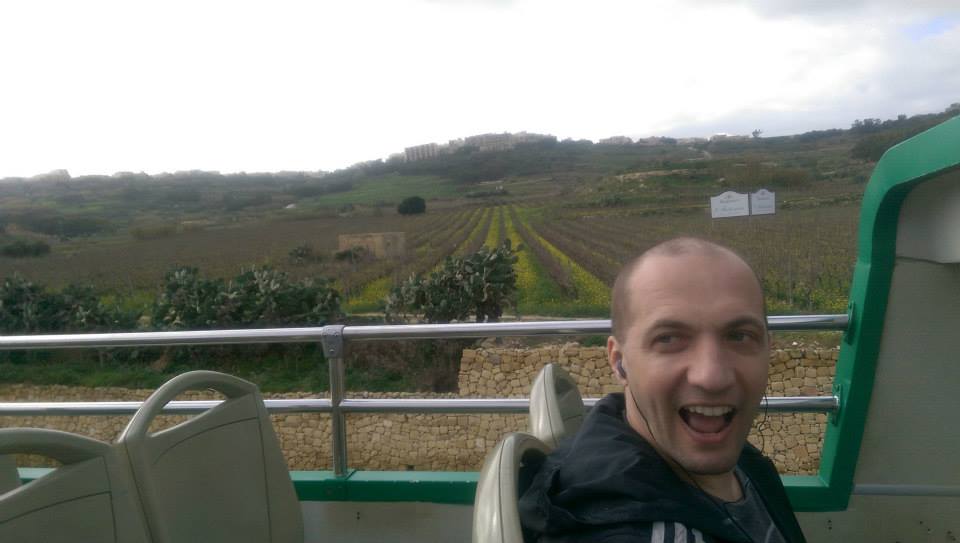
Humans go with the flow. If one person starts laughing or crying, soon enough everyone else in a crowd will too. Same goes when arriving in the Balkans. Give me five minutes from the airport and then , there’s no excitement showing on my face. Gone is my Australian smiley disposition and straight I go into a look that instantly ages me by at least a decade. Out comes the “Balkan smile”. It looks a bit like this…

By the way, the photo above was taken a decade ago!
Go to online reviews for countless businesses and eateries in tourist hotspots all throughout the Balkans and there’s an aspect regarding customer service that pops up so often to the point of a cliché – why aren’t the staff smiling? It’s this, and often this alone, that gets irate western tourists threatening to ‘give zero stars if they could’ because of this perceived shortcoming in attitude and appearance.
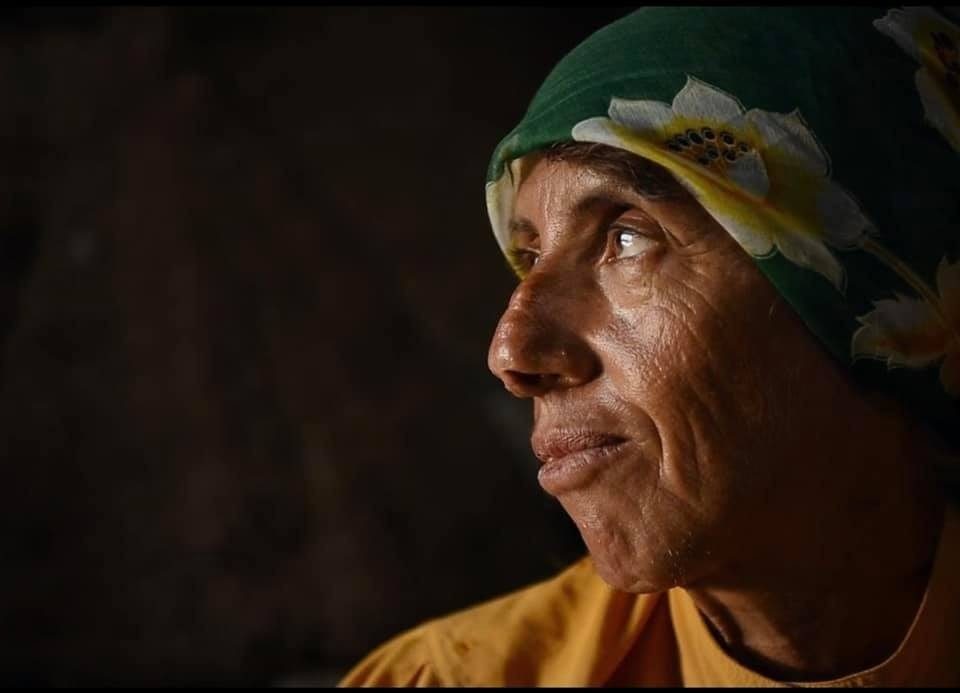
Recently I read how one westerner living in Bulgaria claimed victory in getting an old local woman to smile after she spoke to her in (her broken and accented) Bulgarian. But was this old woman’s smile really a sign of appreciation this westerner understood it to be?
And then I had the time when I returned a hire car to a local operator also in Bulgaria. When the guy in the rather questionable surroundings of his office was smiling at me when I handed back the keys, I sensed something was not right. Now if you’re from the west, you’re probably wondering what’s the problem? Shouldn’t his similing be a sign of job satisfaction and good customer service? As it turned out, my Balkan instincts were right about that smile.

Here are some pointers about smiling, or not, in the Balkans:
- A constantly smiley demeanour for no particular reason except for being generally happy means one thing: lights on, no one’s home – only crazy fools smile all the time (how many times my grandmother told me this!). Balkanites often point to the very smiley ways of people from North America in particular to be the most obvious sign of their perceived ‘stupidity’.
- Work and official ceremonies are deemed serious matters, so smiles then are off-limits. This applies to people in the service industry throughout Southeastern and Eastern Europe as a whole, and is the main reason why so many people from western countries see Eastern Europeans as ‘grouchy’. Hence all those poor customer service reviews.
- But depending on the circumstances, if an otherwise bore of a person in a customer service role starts to smile a bit too much at you, it’s more likely because they know something important that you don’t know… or because they just scammed you. That was the case with that hire car company. While I was not looking, they creatively added some ‘scratches’ to the car that I had driven, giving them grounds not to return the €400 damage deposit – which explains why the hire car fee had been so cheap to start off with. With the final touches done and the mafia-adjacent looking guy knowing that their racket had pulled off their near foolproof scam once again, he was gladly celebrating his ill-gained windfall right in my face.
- In most cases, when in a place of worship, don’t smile. Again, most religious matters are treated as something serious and solemn. I’m still traumatised from the yelling I got when at about 11 years old I had the audacity to smile throughout an Orthodox Church service – refer to the first point.
- Smiling is mainly reserved for genuine displays of affection to people the person knows well. Smiling otherwise at a stranger can be considered to be rude, overtly friendly or even interpreted as making an advance.
- Smiling is also associated with something being funny – the terms ‘smiling’ and ‘laughing’ in many European languages (including French, Spanish, Greek…) are either the same, related or cognates. So it’s common for Eastern Europeans to ask ‘what’s funny?’ in a stern way if you’re smiling in what they deem to be an inappropriate situation. When that westerner woman spoke in Bulgarian, the old woman most likely smiled because she thought it was funny to hear Bulgarian being spoken like that in a weird foreign accent.
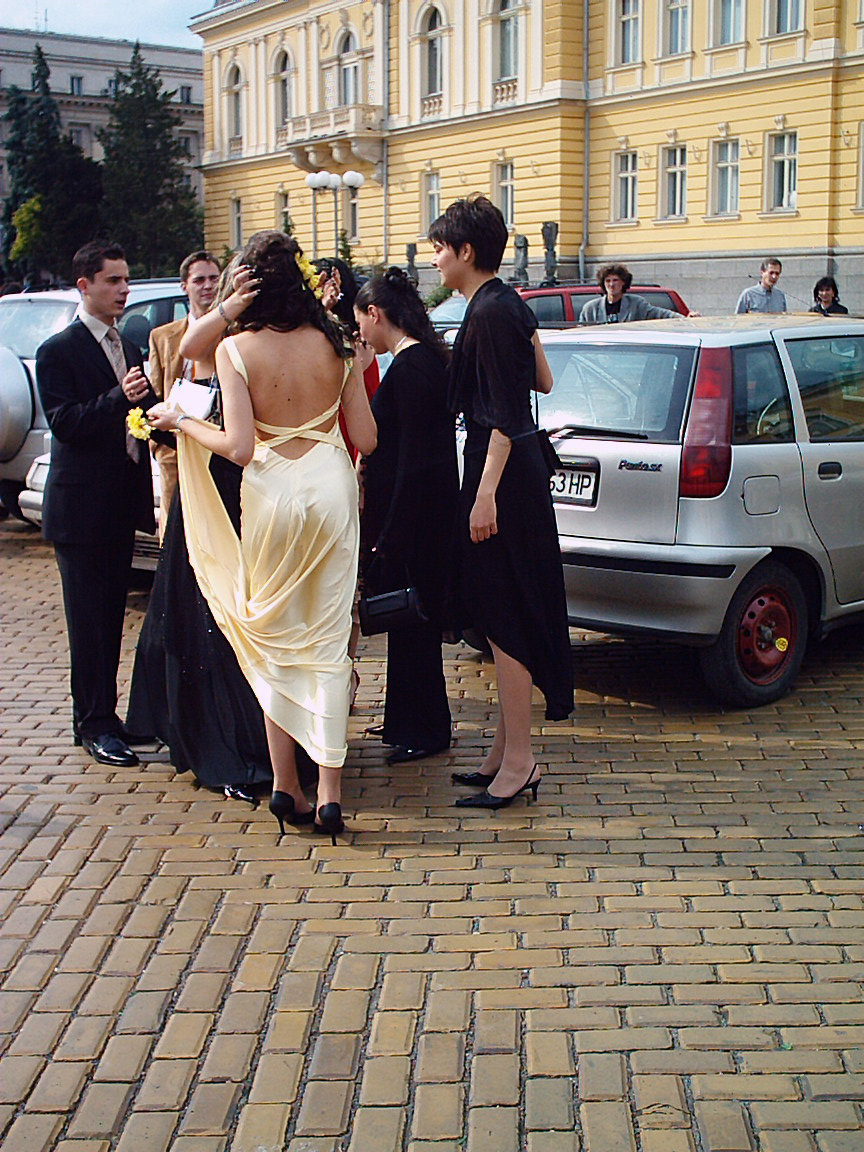
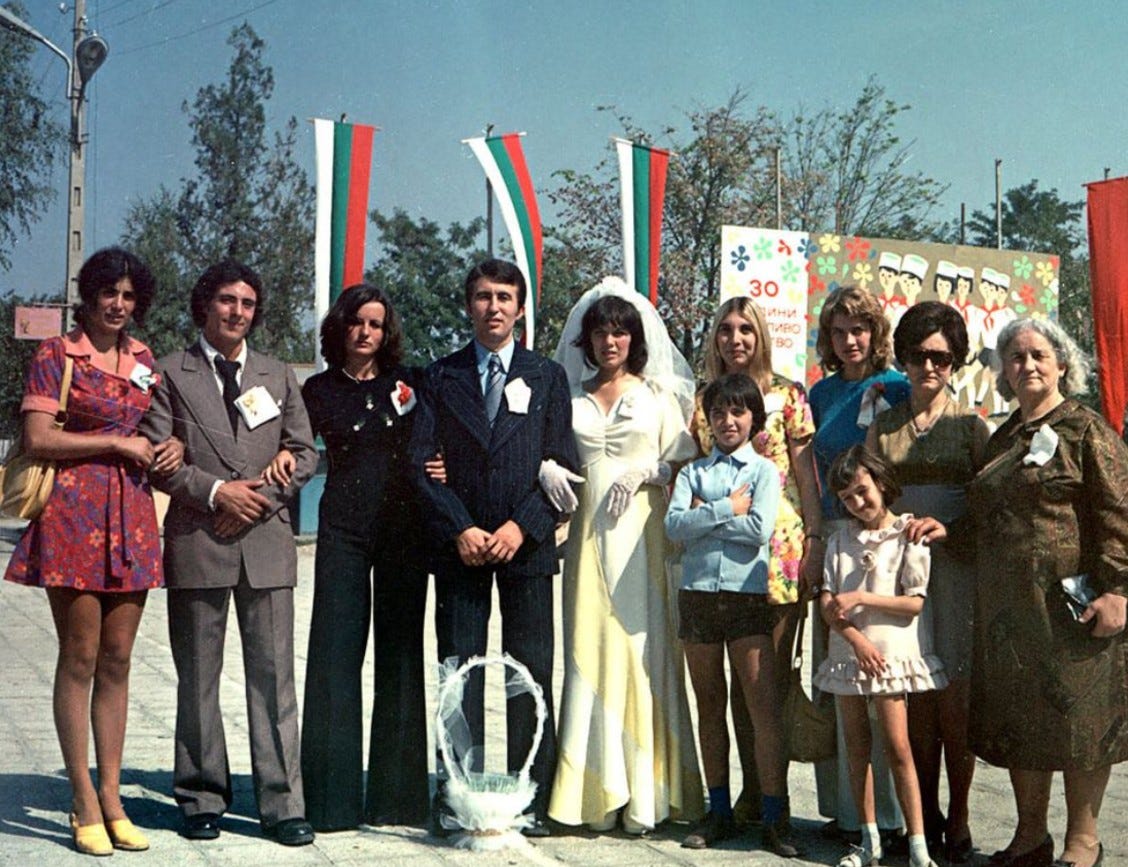
- Even in the most joyous of occasions, people in the Balkans often either don’t smile or, at most, have a slight grin not showing much teeth when having their photos taken, as photo-taking is also considered a ‘serious’ matter. Smiling in photos and showing off a perfect set of teeth is such an American thing that it was one of the first giveaways of the US-centric nature of AI when first released. AI-generated images would have people from all around the world and at all times in history sporting the American camera smile. Honestly, just the mere motion of a camera towards a whole group of otherwise joyous and merry Balkan people can get them stone-faced within a blink, though this is now changing.
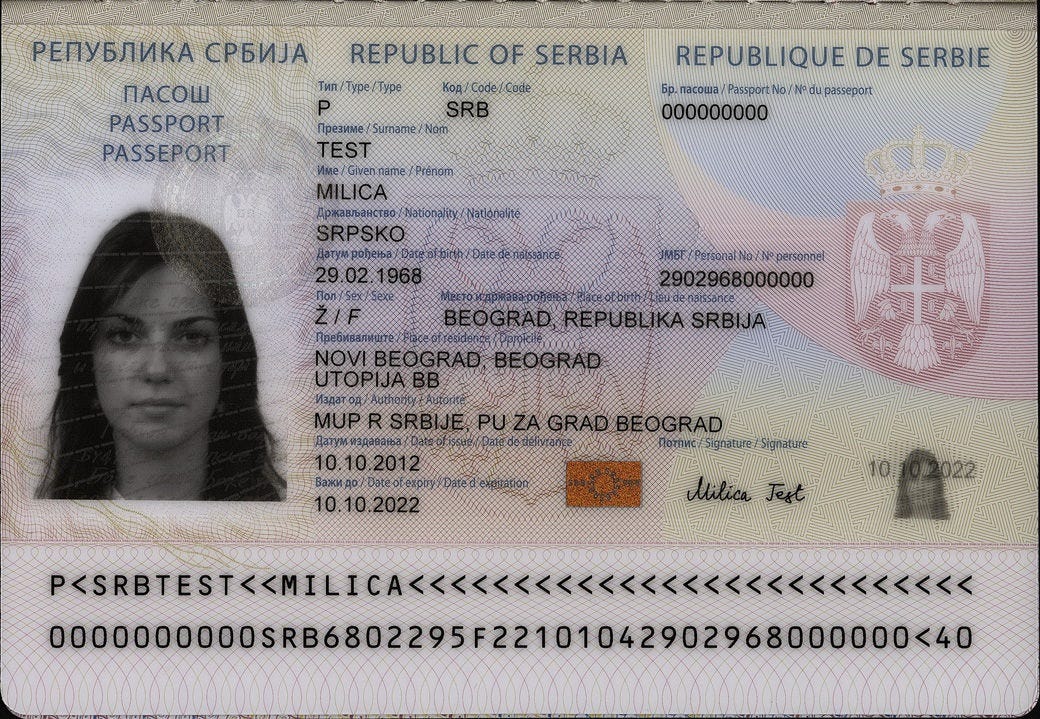
Thinking about photos, due to biometrics, nowadays it’s the rule for people not to smile for passport photos, so you can imagine how difficult that is for Australians as this goes against their natural instinct when it comes to photography. That means every time I get my Macedonian passport renewed (the photo is taken at the passport office), the officials always tell me off for smiling too much. One time it took 6 takes until a non-smiling photo was deemed acceptable by the passport staff. I look so sad in my Macedonian passport that I’m surprised I’m allowed into countries with it. But then again, as my cousin in Macedonia says, you know you’ve passed a passport office because you can see all the people crying looking at their horrible photo of themselves in their new passports.
You might say smiling in your passport photo is frowned upon!
That reminds me of this old Russian joke: What do you call a tiny, sad photo album with just one ugly picture?
A passport.
Coming up… why do some Balkan peoples, especially the Bulgarians, shake their head to say “yes”?
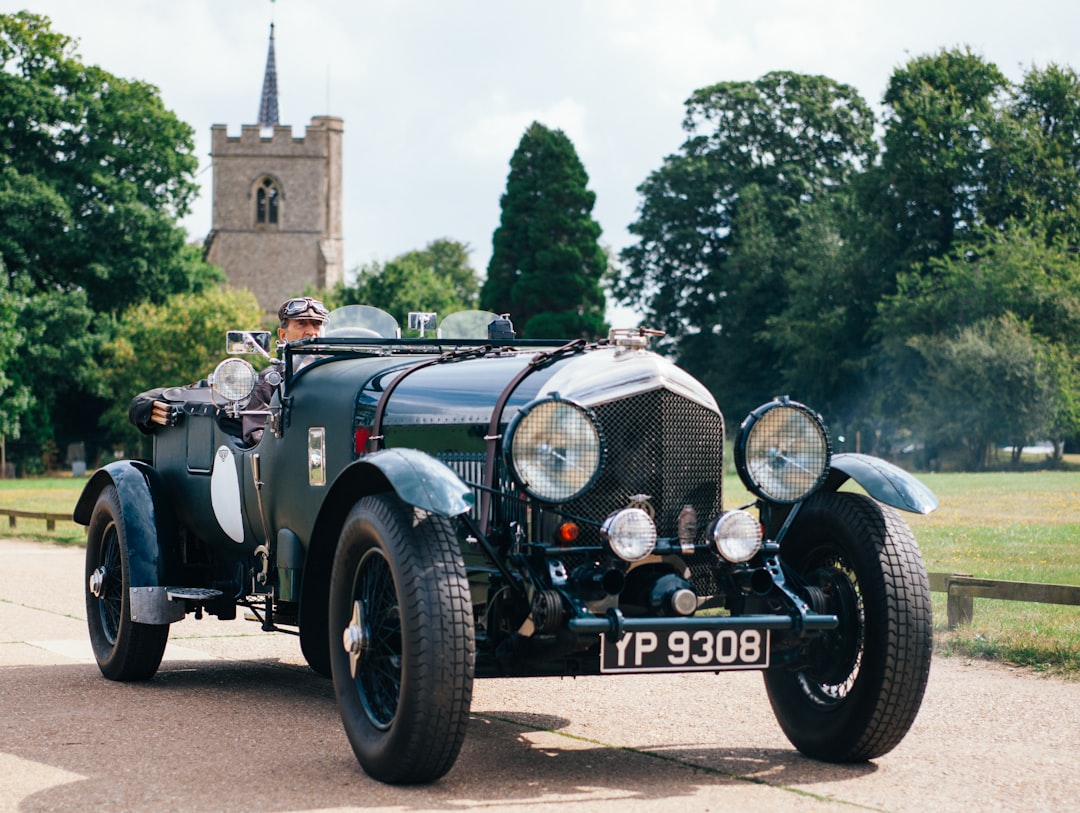
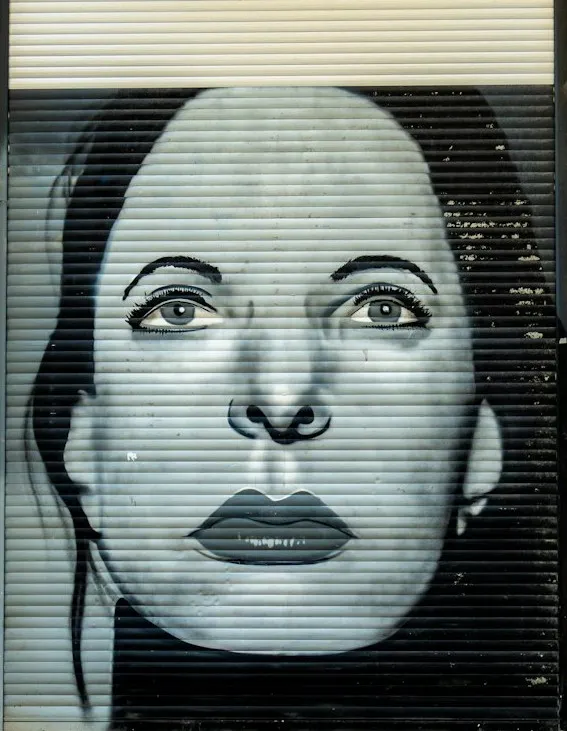
Photo right: Artwork of Marina Abramovic with a Balkan smile, Belgrade, Serbia, by Nikola Johnny Mirkovic on Unsplash