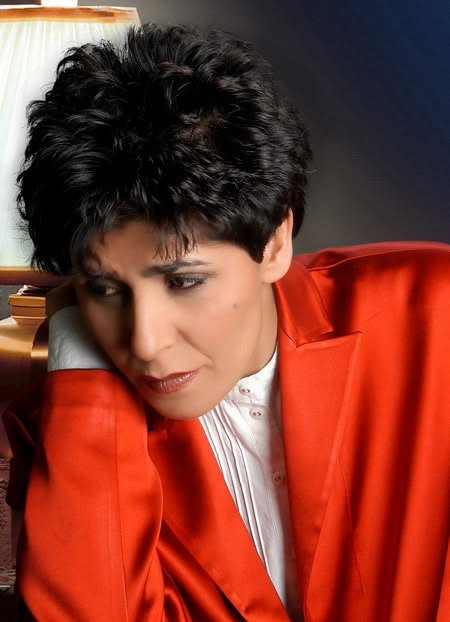
Sad to announce that legendary Macedonian folk singer Kostadinka Palazova passed away on 28 January 2026 aged 86. Palazova was the primary voice in keeping the singing traditions alive of her native Bojmija region (covering the area along the Vardar/Axios river from Gevgelija to Bojmica/Axioupolis and Gumenidja/Goumenissa), Macedonia.
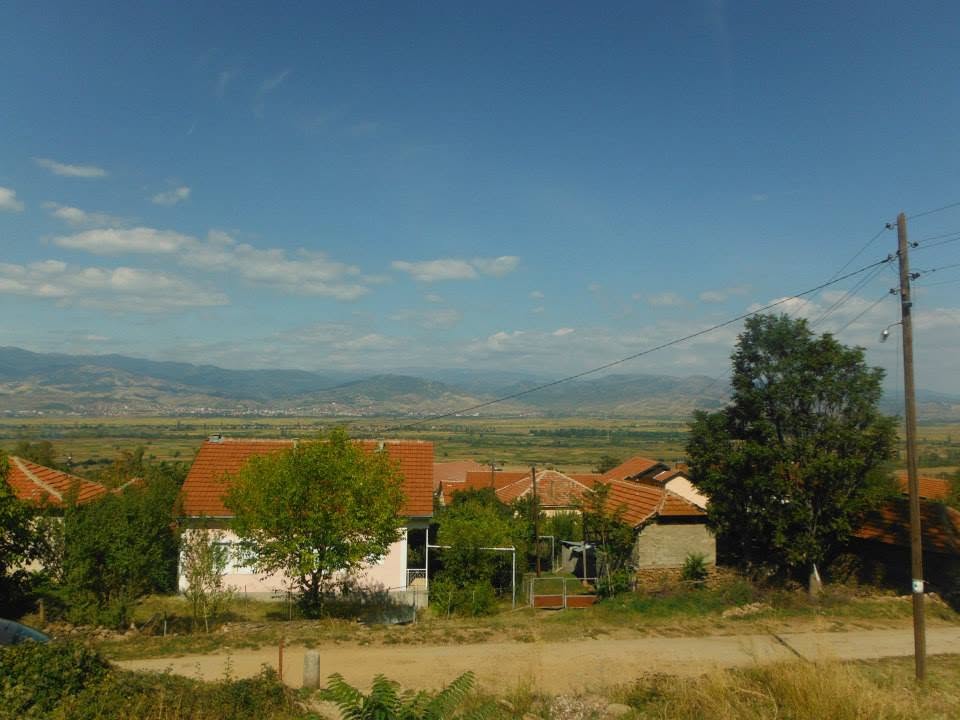
Kostadinka Palazova was born in the village of Seovo (Idomeni), now in Greece, in 1939. At 9 years of age, Palazova’s family were ethnically cleansed from their village during the Greek Civil War and sought refuge over the border in Gevgelija (then in Yugoslavia). From there, her family were sent to Djakovo, Serbia, where she finished her early education. Palazova later resettled in (Yugoslav) Macedonia in the village of Zubovce near Gostivar. She worked in bookkeeping, as well as as a teacher in the village of Sretkovo, Gostivar for 4 years, and then as a teacher in Simnica, where she met her husband. She continued as a teacher at the Bratstvo i Edinstvo Primary School for about 20 years.
She started singing at an early age, having been in choirs in Gevgelija and Djakovo. Her first appearance on TV Skopje was in the 1960s when she won first place in the popular Вие пред микрофон (“You in front of the microphone") show singing "Врни се врни либе Мариче” (Come back, Mariče my love"). This launched her singing and recording career spanning 60 years.
As was the practice at the time, Palazova would often be invited to do live singing sessions on Radio Skopje, which gave her the opportunity to showcase the rich repertoire of Macedonian folk songs from her native Bojmija region, which otherwise the Greek authorities ruling over most of the region had banned from public performance. One of the region-specific songs she performed at these sessions was an obscure and rather judgemental ditty only sung by girls in private in Bojmija about another girl called Sofka from the village of Kriva/Griva. Sofka had brought great shame to her family by having become unknowingly pregnant from engaging in pre-marital sex. This song much later gained major popularity all throughout Macedonia and beyond as “Софка на татко” (“Daddy’s Darling Sofie”). As was revealed in a recent documentary about this song, Sofka’s youngest daughter said that her mother first heard of this song mocking her from a “radio broadcast from Yugoslavia”, so most likely from this Radio Skopje broadcast.
Palazova went on to record many Macedonian folk songs that have since become standards, including "Филка мома моле Бога" (“Filka Prays to God”) "Сношти отидех, џанам" (“Last Night I Set Off, My Darling”), “Едно малој моме” (“A Little Girl”) and “Тапан чука мила мамо” (“A Drum is Beating, My Dear Mother”) – featured in the clip. Palazova also sang many songs in praise of Macedonian national hero Gotse Delchev, who was from the same region as her.
It was thanks to Palazova that the song and folk traditions of this region of Macedonia now in Greece have been kept alive. May she rest in peace and her voice be heard. Вечна слава!


_(8249451687).jpg)











.jpg)














.jpg)







.jpg)










_logo.svg.webp)




_(52052470251)_(cropped).jpg)





.jpg)