Halloween offers us more than just a sugar rush – it’s a wonderful, living example of how traditions, old and new, mix in new environments. It’s more than just a mixing of spirits… of the surreal kind that is, but rather a blend of diverse cultural influences and histories that have made it into what it is now.
Before we get beyond the cobwebs and witches hats, let’s get to the nitty gritty of what is Halloween?
Ask many Australians, or for that matter most people around the world, what is Halloween and they’ll describe it in its current form originally brewed and concocted in the cultural cauldron that is North America – dress-up costumes, treat-or-treating, spooky decorations – imagery Australians have gained primarily from US TV and film over the decades. It’s looks like fun for the kids… and for the kids at heart. But it’s these direct US links to the celebration where many, particularly older, Australians take particular umbrage. Bah humbug! (Yes, I know that’s for Christmas, but you get the drift.)
Most Australians, however, have little to no idea of the true Celtic origin of Halloween. The scary holiday’s roots lie in the form of the ancient Celtic festival of Samhain, a ceremony marking the end of harvest and the advent of winter. You could say Samhain was the original Night of the Living Dead when the boundary between our world and the afterlife would blur.
Fast forward a few centuries, with Christianity embraced and/or imposed in Britain and Ireland, the holiday underwent a rebrand. 1st November became All Saints’ Day, and its eve All Hallows’ Eve, i.e. Halloween, where the existing local customs for Samhain were coopted and adapted rather than erased. These included the use of seasonal produce (pumpkins) and symbols and figures representing the scary unknown of the dark underworld.
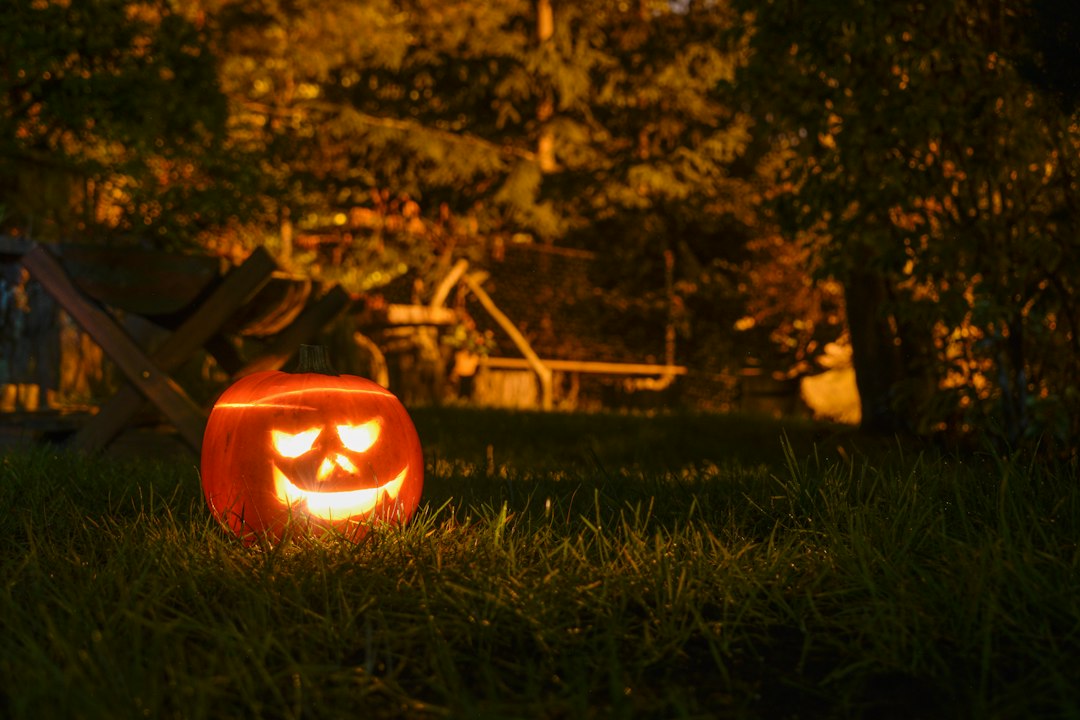
Traditionally, Australia and most other countries that now form the Commonwealth (Canada being a major exception) have not celebrated Halloween that much. This is often attributed to the social conservatism of the 19th century Victorian era, which saw Halloween celebrations progressively muted throughout the British Empire. By the late 19th century, Halloween had became mainly a middle-class celebration with polite dress-up parties focusing more on love and match-making than ghouls. However, by the 1910s it was considered a bit gauche for adults to dress up in costumes, ushering Halloween’s move to be more for children.
With its anti-Catholic undertones, Bonfire Night on 5th November increasingly became the focus for celebrations in Protestant-dominant areas over the Catholic- and pagan-associated Halloween – a pattern also applied through the Empire, Australia included.
But there was another, very important factor why Halloween didn’t catch on in Australia, as well as New Zealand and South Africa – being in the Southern Hemisphere, where the seasons are reversed, the symbolism of Halloween as a harvest festival heralding the start of the cold season and long dark nights is completely lost. The end of October for Australia is when the long hot days of the upcoming burning summer start. Pumpkins, the main symbol of Halloween, are in season in the middle of autumn, which in the Southern Hemipshere is in April. You can buy pumpkins (usually Kent) year-round in Australia though.
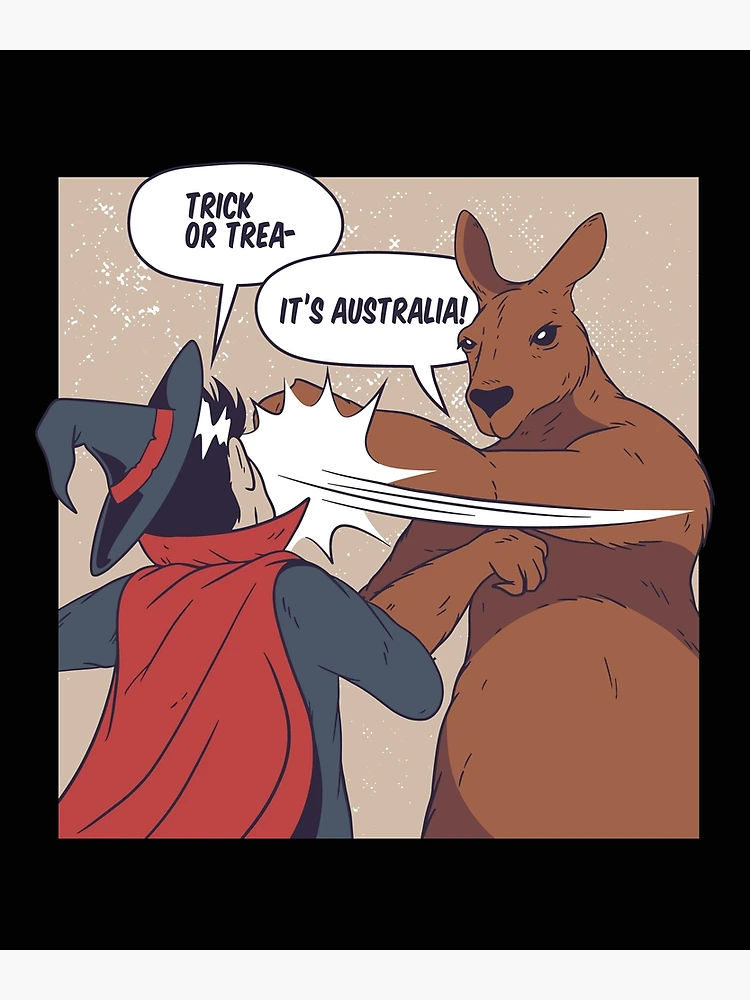
Irish and Scottish immigrants brought Halloween to North America, where the eerie mixed with the entertaining to transform and evolve into the community and family event it is today. Despite this, contempt for US pop culture on account of its supremacy is where Australians get most hot and bothered about modern Halloween celebrations. Particularly from older generations who never knew of the practice when they were children, many Aussies feel very strongly against trick-or-treating. The meme below with the slapping kangaroo, or the (obviously fake) clip of a security camera capturing a kangaroo dealing with Halloween decorations in its own somewhat predictable way, go viral on Australian social media around this time of the year, are an expression of this feeling. Many Australians also claim the commercial side of Halloween to be another cynical ploy by corporations to ‘scam more money from us’. While there are many other aspects of US culture that many Australians object to, it’s Halloween that seems to raise the most ire.
But things are changing…
Like with Christmas, over the past two decades Aussies have been adapting Halloween to fit in with the Australian environment, seasons and vibe. Seeing that the end of October usually has good weather, more Aussie suburban streets have adopted trick-and-treating as a great pretext to hold a street party and use the opportunity to meet the neighbours they otherwise have no contact with (such is the isolating nature of Australian suburbia).
By tweaking Halloween this way to one that best uses the start of the long twilight of fine late-spring evenings, it’s really starting to take off in Australia. Plastic, reusable pumpkins are on sale (no alternative, more season-appropriate vegetable has been put forward as yet), and more Aussies are decorating their houses and yards with elaborate spooky decorations, not unlike the growing Australian trend for outdoor Christmas decorations.
Halloween festivities also make up for the void left after Bonfire Night was progressively phased out with the banning of the unlicensed public sale and use of fireworks in Australia from the mid-1970s onwards.
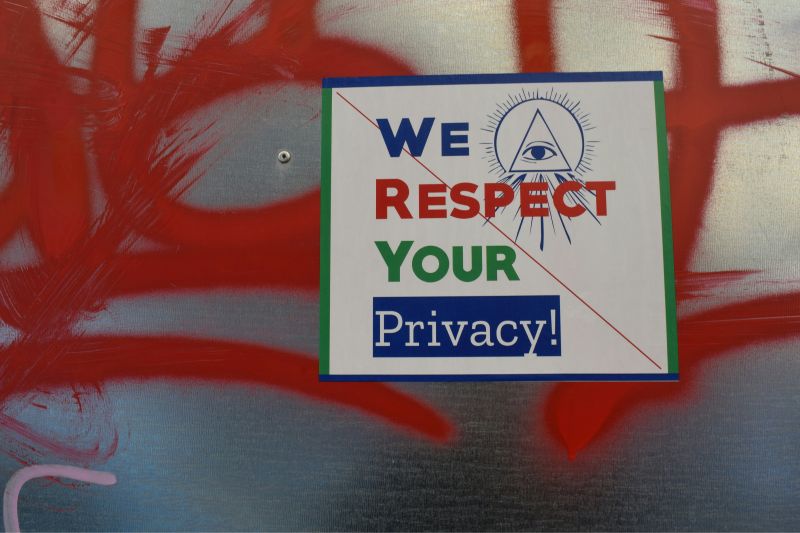
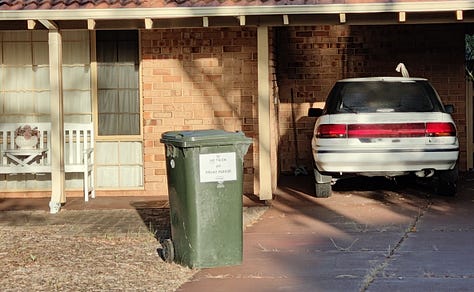
The suburb where my sister lives in is known throughout Perth as the best and most organised for trick-or-treating, attracting many costume-clad children and teenagers from other parts of the city. While this was started as a parent initiative to encourage community spirit, it’s not surprising given the traditional sentiment in Australia that not everyone in the suburb on board with this trick-or-treating, with the more vocal critics going as far to say we’re not bloody Yanks. As can be seen in the picture below, those who don’t wish to partake will make it quite clear, either by having a sign up on their wheelie bin or not having any Halloween decorations up.
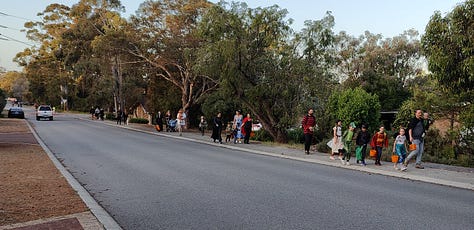
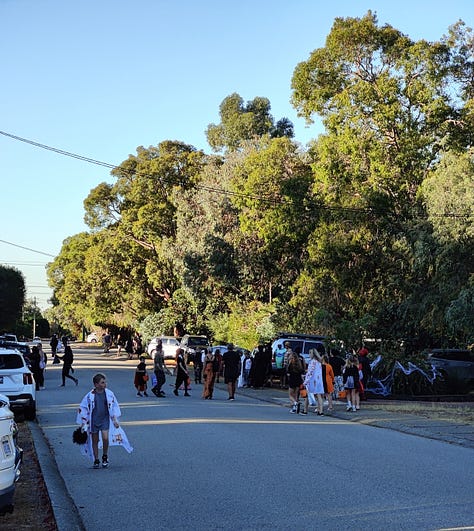
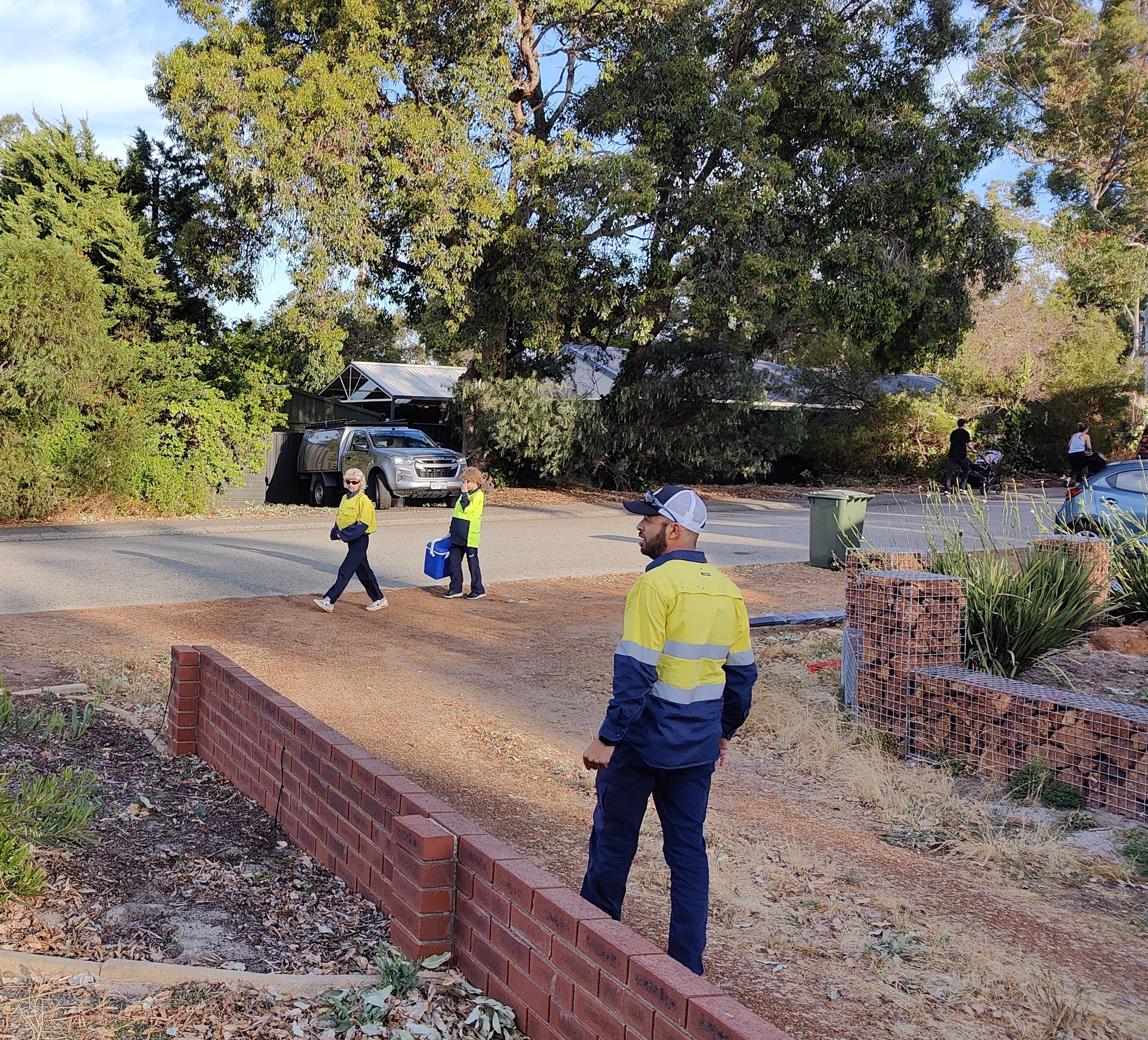
It’s very much a family event, with the children and (often) the parents in fancy dress. And please hand extra lollies to the guys below for dressing up in the most Perth way possible – as FIFO workers in hi-vis!
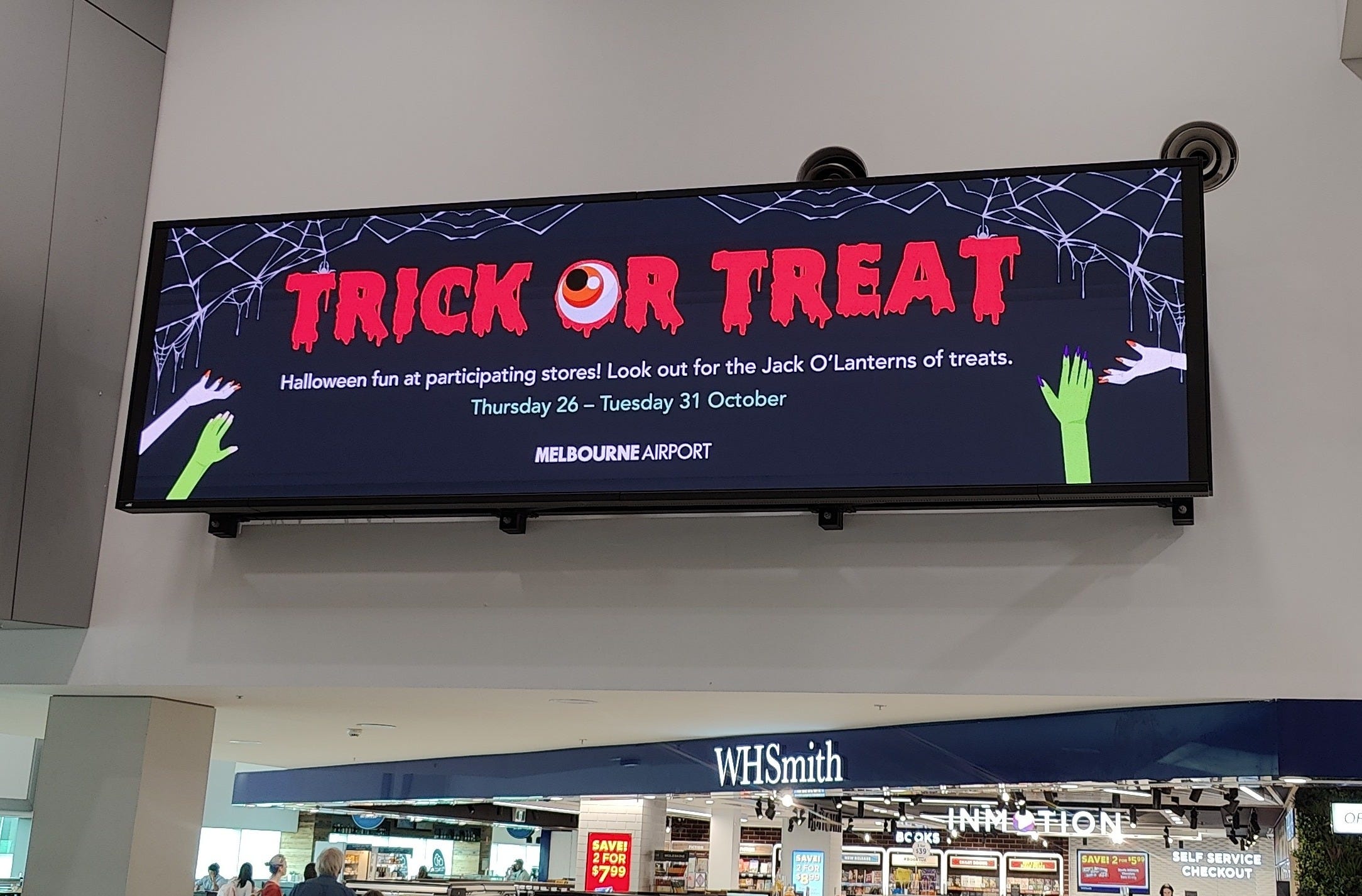
Only an isolated number of suburbs in each Australian city as yet have trick-or-treating like this, but this is expanding each year as more Aussies who have grown up comfortable with the practice are more open to participating in it. And while Australian marketing in the past would not go too much into Halloween, that’s now changed, where even trick-or-treating is now sellable, as evident with this ad below taken at Melbourne Airport in 2024.
In any case, as passions can still be high, and it’s not a clear-cut generational divide that determines whether anyone is for or against it, it’s still best advised to tread carefully when talking about Halloween, and especially trick-or-treating, with Aussies.
All this doesn’t mean that Halloween has been a complete non-event in Australia. While subdued compared to other festive events, for decades Halloween for Australians has meant dress-up parties with your friends, ghoul-themed club nights and special screenings of your favourite horror movies. Boo!
From Mexico’s Día de los muertos, Slovakia’s Dušičky to China’s Hungry Ghost Festival, similar celebrations exist worldwide. Here, we see how Halloween that was first conjured up in Britain and Ireland and then remixed in North America is now finding its own way in Australia. It’s a wonderful example of how cultures are living beasts that absorb, adapt and apply. I’m giving it a few more years, when the tables tip to a majority of Australians liking Halloween, when we’ll see even more local Aussie elements appearing in this now global celebration.
Happy Halloween! 🎃
Right: Pexels photo by Matheus Lara