Australia, it turns out, has a lot about dreams. The word does an unusual amount of work in the national vocabulary, stretched across registers that have almost nothing in common with each other beyond the five letters they share. There’s the sacred and ancient sense, the aspirational and increasingly out-of-reach sense, the satirical and Olympic sense, and the flatly dismissive sense aimed at anyone getting ideas above their station. Let’s have a squizz at how Australia does “dreaming”…
“He’s dreaming”
I live in London. So too does my sister and her husband. We’re all born and bred in Australia, and after decades now living in the UK, we still speak in identifiably Australian accents. My sister and her husband have an 8-year-old son. He’s a born and bred Londoner speaking with a modern accent linguists call Standard Southern British English. Honestly, for this Aussie, that accent my nephew has can sound rather posh, so as I’ve said to his mother, I wonder whether at times I need to bow or something whenever he talks.
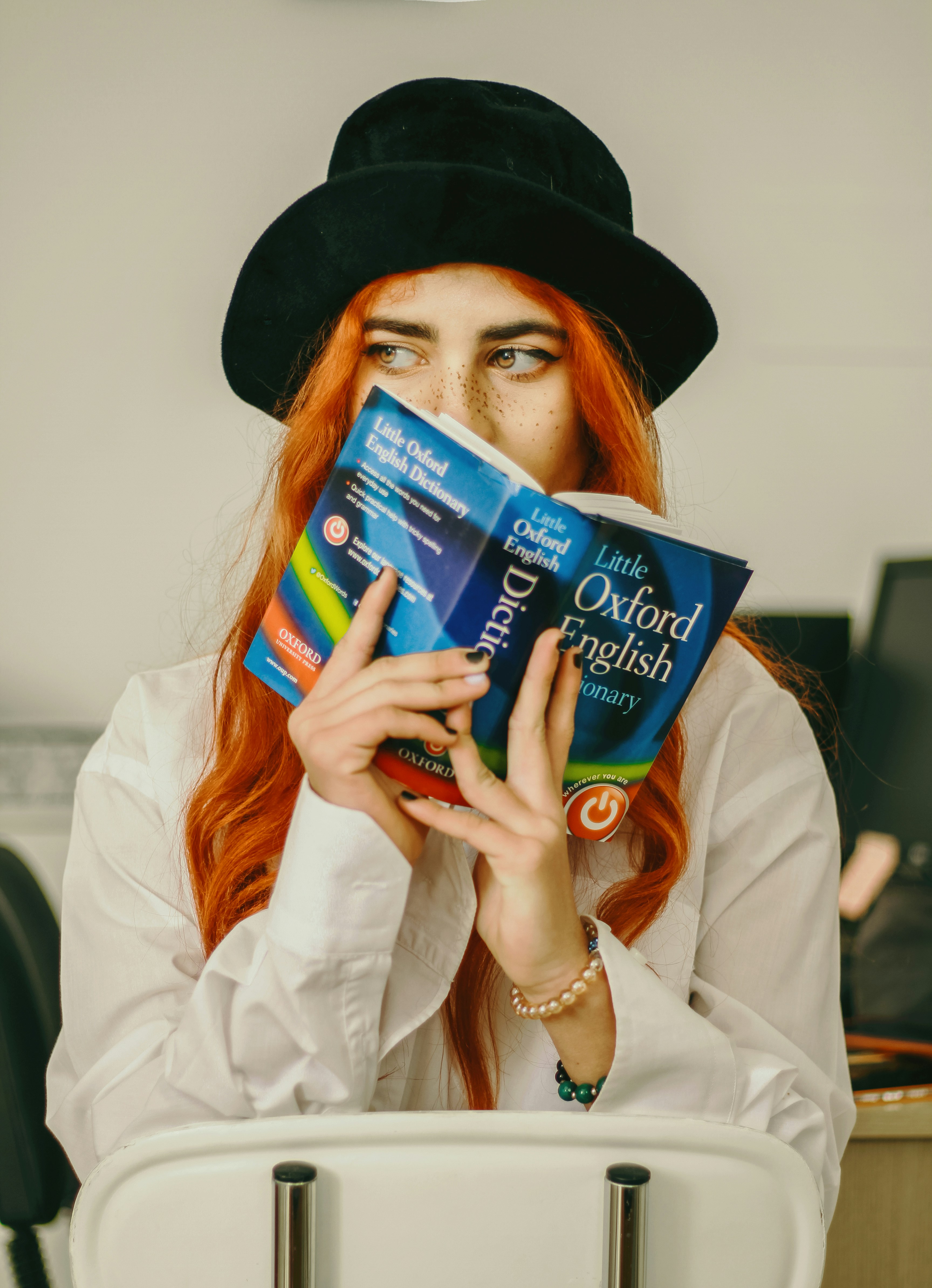
My nephew also loves reading, so the other day when I was over visiting, he read to me the rather wordy book he has from his UK school. His reading skills are impressive, if I do say so. Reading through the text, though, there was one phrase that stood out…
“Oh, he’s dreaming!”
That’s strange! That triggered an immediate thought – don’t tell me the book my nephew is reading is Australian? Or is this phrase also in UK English (as many so-called ‘typical’ Australian phrases are)?
So I grabbed the book from my nephew and looked to see where it had been published.
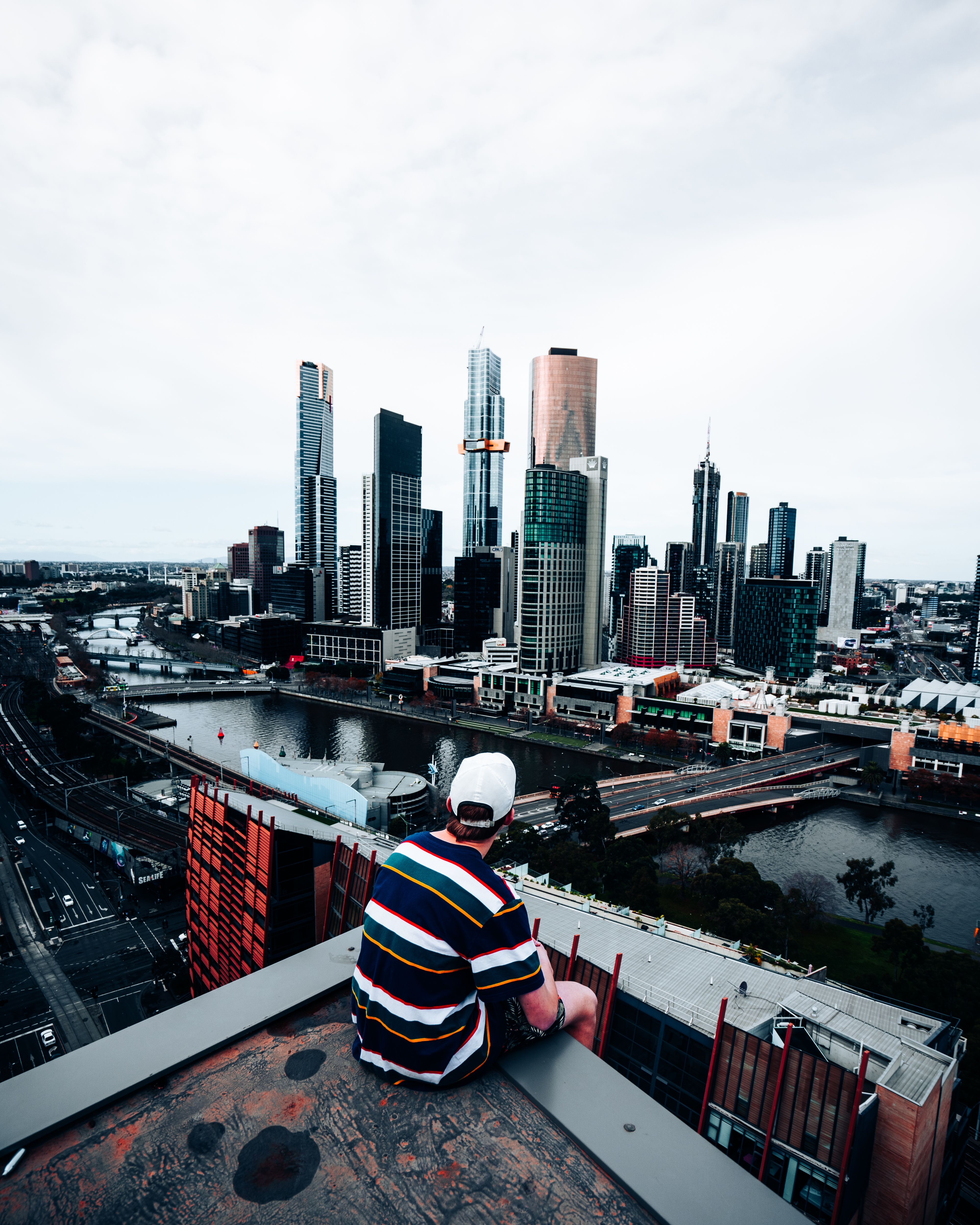
Lo and below… it was Australia! In 2013. And not just anywhere in Australia but in the suburb where our brother lives in Melbourne. What a coincidence!
So I shouted out to my sister, who was in the kitchen at the time: “Oy, did you know that your son’s reading book from school is Aussie?”
- “Really, what makes you think that?”
- “Well, it because it says so on the second page, but the text also says ‘he’s dreaming’ twice in it.”
My sister had no idea the book was Australian. There was nothing else to give that away. To be honest, the illustrations strangely had a North American vibe to them. But considering the nature of our education systems, the sheer amount of children’s books written by British people for British children, and the underlying ‘prejudice’ people in any Anglosphere country, let along the UK, have against other forms of English not standard to theirs (particularly towards US English), it was surprising that my nephew’s school or the English primary school curriculum would have a book in Australian English on their list.
So why is “he’s dreaming” Australian? Surely, as a straightforward children’s book, here it was referring to a male seeing a series of events or images in his mind when sleeping, or the noun “dream” in that it’s “something that you very much want to happen in the future but with a very small probability of occurring” e.g. “he’s dreaming [of playing at the World Cup]”.
Context didn’t fit either of those, but the Australian meaning of the phrase certainly did.
So what does it mean in Australia?
It means a lot like anyone saying “dream on” to express scepticism regarding someone’s demands or expectations.
When Australians say that “someone’s dreaming”, always with a negative and/or snarky tone, that means “a person’s expectations, demands or offers are completely unrealistic, outrageous or detached from reality.” Essentially, as a response it means “no way”.
Example:
- I want you to fix this problem by tomorrow morning!
- Oh, you’re dreaming! (i.e. “no chance in hell”)
While the phrase has been in use in Australia for decades, it’s most well-known as the stand-out catchphrase from the classic 1997 Australian comedy film The Castle. The film’s primary character, Daryl Kerrigan, who’s fighting for his home as the bank tries to buy it to build a new airport expansion, responds with variations of the line “Tell him he’s dreaming” pretty much every time he’s presented with an offer.
Since then, the phrase has become entrenched as one of the quintessential Australian sayings, often appearing in lists of Aussie slang visitors to Australia must know. The phrase appears in numerous memes and clips, and even media bylines – a quick search on the net can find them easily.
Taylor Swift even gave it her influential seal of approval. In her 2024 Eras Tour at the end of We Are Never Ever Getting Back Together Again, one of the dancers would say something very local meaning “no way”. So it was a no-brainer that at her Sydney concert they got one dancer to say “Tell him he’s dreaming”.
The Dreaming
There’s another unique Australian meaning for “dreaming”. Actually, it’s the oldest Australian thing out there: The Dreaming.
The Dreaming (also called “Dreamtime”, though many anthropologists and Indigenous commentators prefer “the Dreaming” since “Dreamtime” can wrongly suggest a fixed past era) is the closest English rendering of concepts that exist across Australia’s First Nations, with each nation having their own term – Tjukurrpa for the Aṉangu people of the Western Desert; Altjeringa for central Australia’s Arrernte people. There is no single, pan-Aboriginal “Dreaming” and interpretations vary considerably between First Nations; the English umbrella term flattens what is, in practice, a set of related but locally specific cosmologies.
Broadly, the Dreaming refers to the period in which ancestral beings shaped the land, creating physical features such as water courses, rock formations (such as Uluru and Kata Tjuta) and other natural phenomena, as well as establishing the laws, social structures and ceremonies that govern a given people’s life. Crucially, the Dreaming is not understood as confined to a remote mythological past in the way western “creation myth” framing might imply. It’s an ongoing reality that coexists with the present, accessed and renewed through ceremony, song, dance and the telling of stories tied to specific sites “in country” (the traditional territory and custodians of that particular First Nation).
Many Aussies, especially those educated from the mid-1970s onwards, would have been first introduced to the Dreaming through some select Dreaming stories told to them at primary school; the Rainbow Serpent being the most well-known out of them all. I was fortunate that the deputy principal at my primary school had lived for a decade in the far north of South Australia amongst the Aṉangu people and spoke fluent Pitjantjatjara, so he would occasionally treat us children by telling us Dreaming stories first in Pitjantjatjara and then in English.
“Secret women’s business”
Knowledge of the Dreaming is frequently restricted by gender, age and ceremonial status within a community, with some stories or details reserved for initiated men or women only. This has practical implications for how the Dreaming can be discussed by outsiders: published accounts of specific stories are often partial by design, reflecting what custodians have deemed appropriate for public sharing, rather than incomplete reporting.
The most controversial instance where this happened was in South Australia in the 1990s, when most Australians first found out about the term “secret women’s business”. Plans were announced about replacing a cable ferry service with a bridge to Hindmarsh Island as part of a marina project. Many local residents, environmental groups and local First Nation leaders at the time opposed the plans.
In 1994, a group of local Ngarrindjeri women elders claimed the bridge site was sacred for reasons that couldn’t be revealed, i.e. “secret women’s business”. This claim meant the imposition of an immediate 25-year moratorium on any bridge works. “Secret women’s business” then became the core of intense legal battles. Some Ngarrindjeri women disputed the claims and a royal commission later ruled that “secret women’s business” had been fabricated. The Australian federal government intervened and enacted legislation forcing the bridge to be built and completed by 2001.
That year, a civil case in the federal court reignited the debate. Rejecting the developers’ claims for damages, Justice John Von Dousa said he wasn’t satisfied the claims of secret women’s business had been fabricated. The Ngarrindjeri and their supporters took the decision as vindication and many organisations apologised. It took until 2010 for the South Australian government to accept this Federal Court decision. Over 30 years later and the Hindmarsh Island Bridge Controversy has conveniently dropped from living memory, but the scars from the underlying racism involved in the dispute are still there and have now been channelled into art.
One lasting legacy of the affair is the inclusion of “secret women’s business” and variants of it (“secret men’s business” etc.) as a part of the wider Australian lexicon. It colloquially refers to subjects, serious issues or dilemmas the group referenced (in this case, women) would prefer to discuss solely with people in their group and not with others or, more literally and frivolously, as a secret solely for certain ears.
Example:
All the women have gathered in the lounge room to discuss something. One of the men called out asking “what are you all talking about?”
- “Secret women’s business, if you need to know. Now rack off!”
The Great Australian Dream
You’ve probably heard of the American Dream, which is more concerned with the abstract notion that upward social mobility in general is achievable for all. Australia too has, or had, a dream – The Great Australian Dream. In Australia’s case, its “dream” is generally shorthand for a particular postwar aspiration: home ownership, typically a detached house on a quarter-acre block, in the suburbs, with a Hills Hoist and a brick barbie in the backyard and a Holden car in the driveway. It took shape in earnest after World War II, as government policies such as “populate or perish”, returned-serviceman housing schemes and rapid suburban expansion around Australia’s biggest cities: Sydney, Melbourne, Adelaide, Brisbane and Perth, made owner-occupied housing attainable for a much larger part of the Australian population than ever before.
The phrase carries a particular ideological weight: home ownership as the marker of stability, respectability and independence, rather than simply a roof over one’s head. It’s bound up with a specific image of the nuclear family, and the suburban block as private domain contrasting with the cramped terrace housing or rental tenancy associated with Australian inner-city living pre-WWII. It set the physical tone for Australia’s very high standard of living. It also, less comfortably, sat alongside a longer history of land and home ownership being denied or made structurally difficult for First Nation Australians and, initially, anyone not born in Australia or the Empire.
By the 1990s, the term increasingly appeared with an ironic or wistful edge, as house prices in major Australian cities have already started to outpace wage growth, pushing the detached-house-on-a-block version of the dream out of reach for many younger Australians. It also was a monicker associated with the cultural straight-jacket representative of dull, conformist and ultimately demoralising Australian suburbia. As what Patty Stacker, a naïve, young, cultured-accent-speaking 1960s Australian female character Kath and Kim’s Gina Riley created in 1994, once mockingly said of the “Great Australian Dream” for women: it’s the three M’s – marriage, mortgage and menopause (“freak out”). Commentary now often uses “Great Australian Dream” specifically to question whether it’s still achievable or has it effectively become the “Great Australian Myth” for almost two generations of Aussies locked out of the housing market.
The Dream
“The Dream with Roy and HG“ was a nightly sports-comedy talk show broadcast on the Seven Network throughout the Sydney 2000 Olympics, hosted by the comedy duo Roy Slaven (John Doyle) and HG Nelson (Greig Pickhaver). Conceived as a two-hour informal nightly wrap to Seven’s Olympic coverage, it adopted a tonight-show format and broadcast live from Seven’s on-site studio in the Olympic Stadium at Homebush, with a small audience usually made up of athletes and their support crew, featuring interviews, competitions, a news segment with the medal tally, and filmed inserts of highlights.
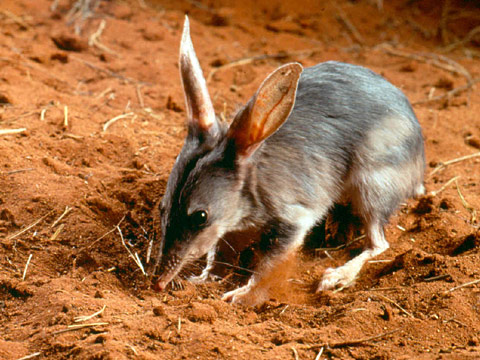
The show became one of the genuine cultural phenomena of the Games. It became one of the most popular events of the Olympics, with athletes from all competing nations queuing up to appear, and the gifts given to interviewees became some of the most sought-after collector’s items of the Games. Roy and HG were known for inventing absurd mock-serious terminology full of innuendo for sports, and for running gags such as slow-motion replays of Greco-Roman wrestling set to Barry White songs or mocking Australian sports commentators somewhat insecure need to use the most ridiculous of stereotypes to bag sports rival New Zealand. Central to the show’s appeal was Fatso the Fat-arsed Wombat (satirically referred to as the Battlers’ Prince), their unofficial alternative to the Sydney Games’ official mascots, who they took to calling “Olly, Millie and Dickhead”. Fatso’s popularity caused real friction with the Australian Olympic Committee, which initially tried to ban the character after Australian athletes began carrying Fatso onto the podium during medal ceremonies. Fatso has also been immortalised with a statue in front of Stadium Australia in Sydney.
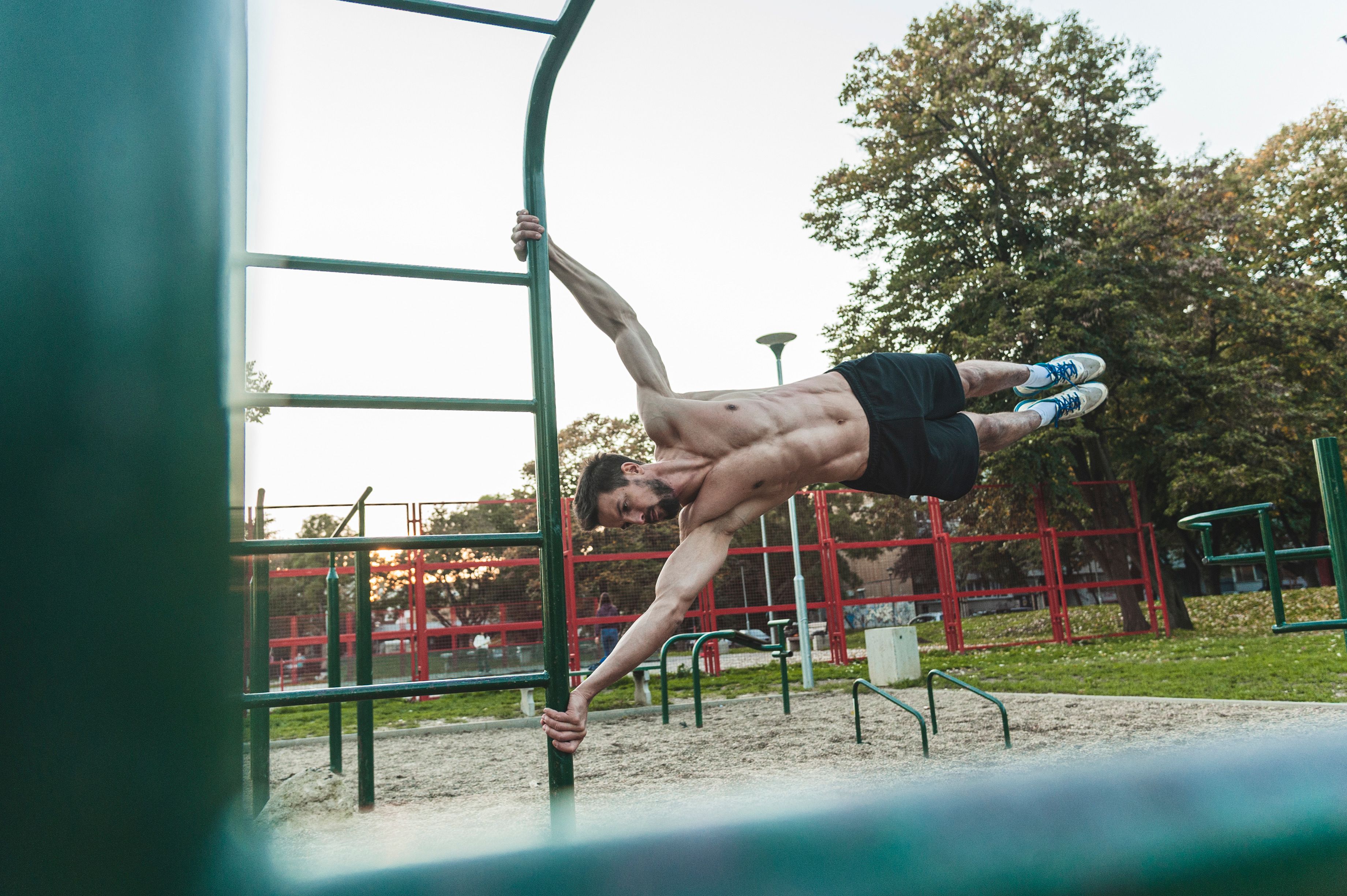
Roy and HG’s rugby-style jingoistic commentary, the main driver of their comedy, was one of the show’s signature bits. The pair became especially notorious for their commentary on the men’s gymnastics, having created on the spot their own highly suggestive terminology to describe various manoeuvres. Their terms drew from the Australian vernacular: “battered sav”, “hello boys”, “flat bags”, “Dutch wink”, “goose”, “crazy/spinning date”. The thing is these terms have stuck! Since then, at every Olympics you’ll always get a huge number of Aussies mention on the socials how they know these manoeuvres solely by Roy and HG’s unique names.
The show’s reach extended well beyond the studio audience. It reportedly kept around 19 million Australians up past midnight during the Games, drawn by Roy and HG’s commentary, especially their highlighting of lesser-watched sports. Honestly, it was must-see TV. At the end of the Games, Fatso was auctioned for charity; he was purchased by Seven Network CEO Kerry Stokes for AU$80,450. The format’s success led to several spin-offs, including The Ice Dream during the 2002 Salt Lake City Winter Olympics, The Cream during the 2003 Rugby World Cup and a return for the 2004 Athens Olympics. The original Sydney Olympics show won Most Popular Sports Program at the 2001 Logies (Australia’s Emmy awards)
Closing off the show each night was a clip featuring some of the songs submitted… and rejected… for the official 2000 Olympics theme tune. Trust me, many of them were truly dreadful. One in particular though, Go You Good Thing, has had much life after the 2000 Olympics and is guaranteed to be shown and replayed on Australian social media come Olympics time.
Put together, these four “dreams” trace something close to a national Australian sensibility. The Dreaming holds the oldest claim to the word – an ongoing reality binding people, ancestors and Country across tens of thousands of years. The Great Australian Dream borrowed the word’s aspirational register and pinned it to a quarter-acre block… but now looking increasingly aspirational in the wrong sense. The Dream with Roy and HG took the same word and turned it into two hours of pure Aussie fun sports-style, Fatso the Fat-arsed Wombat included, suggesting that nothing, not even an Olympic Games, is above reproach. And “he’s dreaming” sits as the perfect deflationary bookend – it’s the vernacular reminder that whatever lofty claims a “dream” makes for itself, an Australian audience reserves the right to call it out. Four dreams; four registers: sacred, aspirational, satirical, sceptical. Between them, not a bad shorthand for the Australian being. Go you good thing, put a gap in ‘em!

.jpg)




.jpg)

















.jpg)






_logo.svg.webp)



_(52052470251)_(cropped).jpg)






.jpg)











_(8249451687).jpg)