2026 World Cup grand finale on today, so I’d like to share a bittersweet World Cup memory.
Every World Cup fan has a favourite tournament of all time, and just like with favourite songs of all time, this invariably happens to be the one that happens around our late teens.
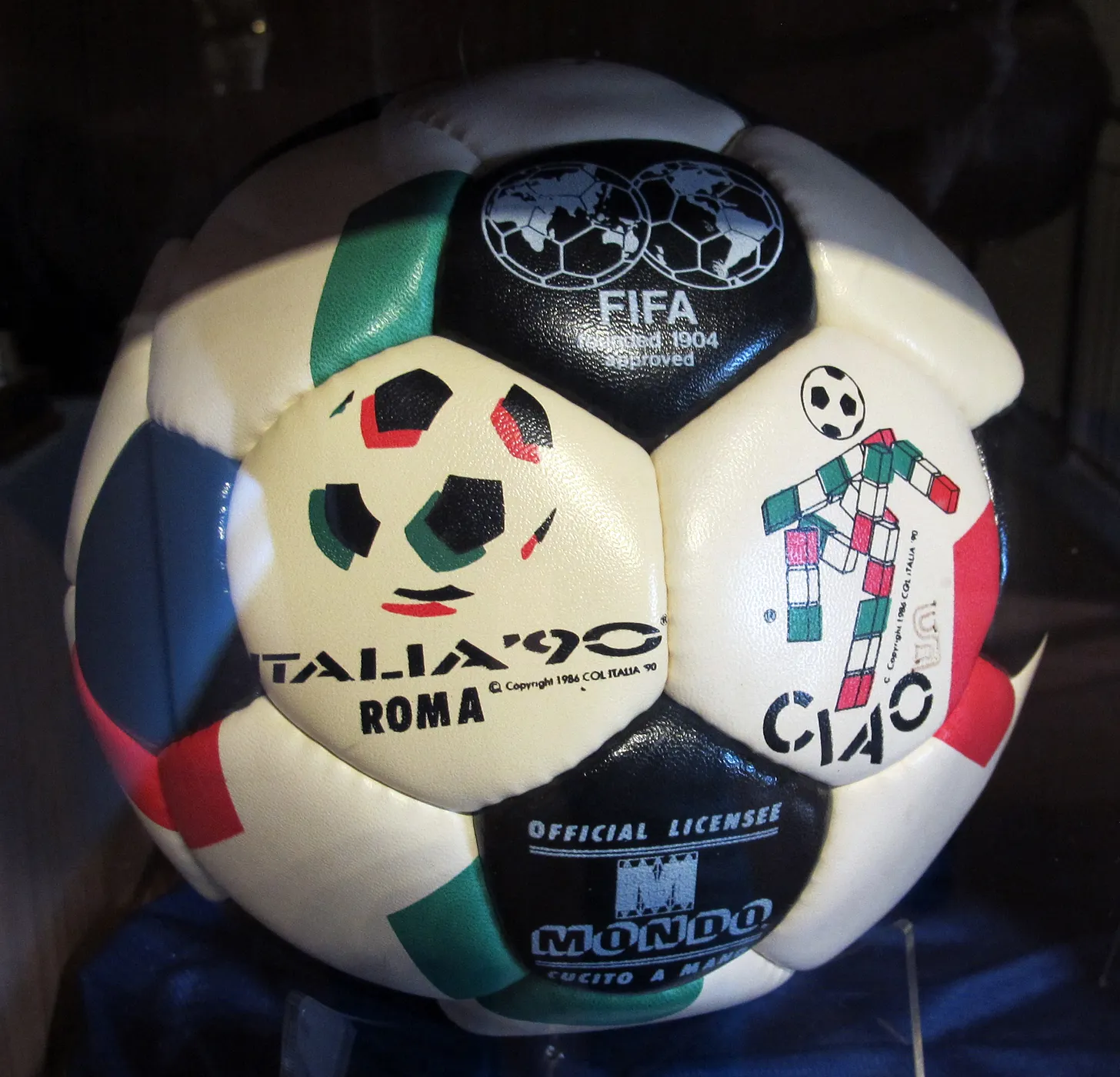
No exception for me – the 1990 World Cup has been my most favourite.
The broadcast in Australia would start just after midnight, so my siblings and I would be in full excitement waiting to see the matches way past our bedtimes. It was a party for us. I recall that Cathay Pacific was one of the main sponsors and they’d have these 5-second ads on SBS-TV.
The 1990 World Cup was also the last time that I truly felt any affection for the then dysfunctional Yugoslavia, the homeland of my father. From Australia I was cheering on the Yugoslav team in a passion that I hadn’t felt for in years.
But even the team’s politics-driven internal dynamics were a reflection of why by then I had been falling out with Yugoslavia.
As a child, I truly loved my father’s homeland. I fully identified with it, and I cannot begin to explain what joy it was to see a picture of an always smiling Tito whenever opening the textbooks we’d get from Yugoslavia.
The most proud I was for Yugoslavia was when it hosted the 1984 Winter Olympics. That opening ceremony was the best and you can’t convince me otherwise! But I felt that something was wrong. It’s crazy to say, and this spins ex-Yugoslavs out whenever I tell them this, but I remember watching the closing ceremony and had a premonition – that this was the beginning of the end. Even looking back, that’s pretty heavy for a child to have such a feeling.
Unfortunately, that premonition turned out to be true.
With post-Tito Yugoslavia becoming increasingly centralised, it seemed to many of Yugoslavia’s minor ethnicities that everything was being homogenised into a Serbo-Croatian-based “Yugoslav” monoculture, a product of which was that people who had Serbo-Croatian as their primary language were getting all the advantages.
That also seemed the case with the 1990 Yugoslav team.
Its first group match against the UAE saw Europe’s player of the year Darko Panchev, a Macedonian, score two goals for Yugoslavia. The Kobra (as Panchev was nicknamed) was biting!
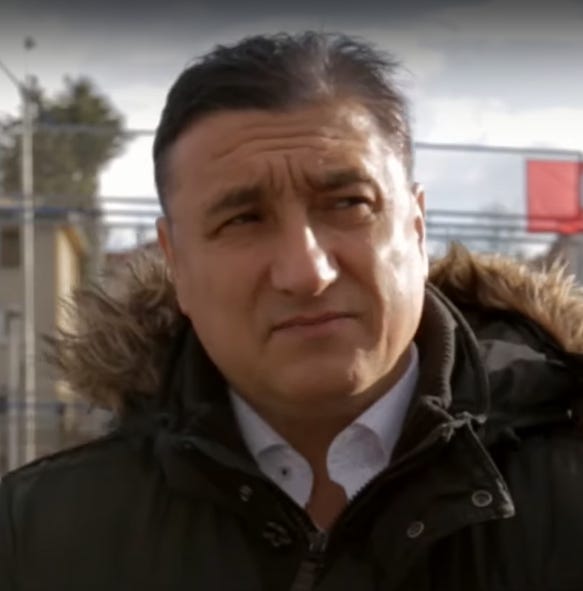
So what happened to Panchev for the rest of the 1990 World Cup?
He was on the bench the whole time! Yes, they didn’t get him to play at all, even when it mattered most.
But I didn’t give up hope for my Yugoslav team. Perhaps they were just saving him?
Yugoslavia made it all the way to the quarter finals, where it faced Argentina. Again, no Panchev. For the whole time during the match, I was shouting at the screen “get Panchev on the field!” But no, even when it went to penalties, Europe’s highest goalscorer that year was not called up… and Yugoslavia lost.
I was for certain that the reason that they didn’t get Panchev to play was that the Serbs and Croats who were running Yugoslavia at the time didn’t want a “Macedonian peasant” to take away the glory from the players of their ethnic kin.
This for me was a reflection of the patronising attitudes of the other Yugoslav republics towards Macedonia, and it made me want out. That was the final straw – my love for and connection to SFR Yugoslavia were gone.
In the decades that have passed, I’ve re-evalued my relation to the Yugoslavia of my childhood. I now focus on the many positive aspects from that time, which are easy to find considering what an unmitigated disaster it has been for most of ex-Yugoslavia ever since. It does make me thing though that had we not let ethnic-based competition get the better of us and, therefore, got Panchev on the field when Yugoslavia needed him most, then we wouldn’t be where we are now – lost.
Photo: 1990 Italia World Cup footbal. Credit: Sailko, CC BY 3.0, via Wikimedia Commons




.jpg)

.jpg)






















.jpg)







.jpg)












_logo.svg.webp)



_(52052470251)_(cropped).jpg)








.jpg)











_(8249451687).jpg)