Did you hear about the man who collects “old-timers”?
Or that Frank Sinatra has many “evergreens”?
Or the woman who was a rowing “recorder”?
Or how the best player on the field was the “goal man”?
And how one unfortunate person was a victim of “mobbing” in the workplace?
These are all actual examples of sentences I’ve seen in texts from various southeast European countries. Sounds a bit weird, right?
It’s because all the words in quotation marks in Southern Slavic languages are what are called "false friends" or “pseudo-anglicisms”.
A “false friend” is a word in a different language that looks or sounds similar to a word in a given language, but differs significantly in meaning.
A “pseudo-anglicism” is “a word in another language that is formed from English elements and may appear to be English, but that does not exist as an English word with the same meaning”.
False friends and pseudo-anglicisms exist in many languages. German and Japanese are the world cup winners for these, and true to form, they turned their weirdo fake English words into an export commodity (you’ll see).
The problem with these words, as the examples show, is that they sound quite odd when translated on face-value back into English.
So what do these examples actually mean?
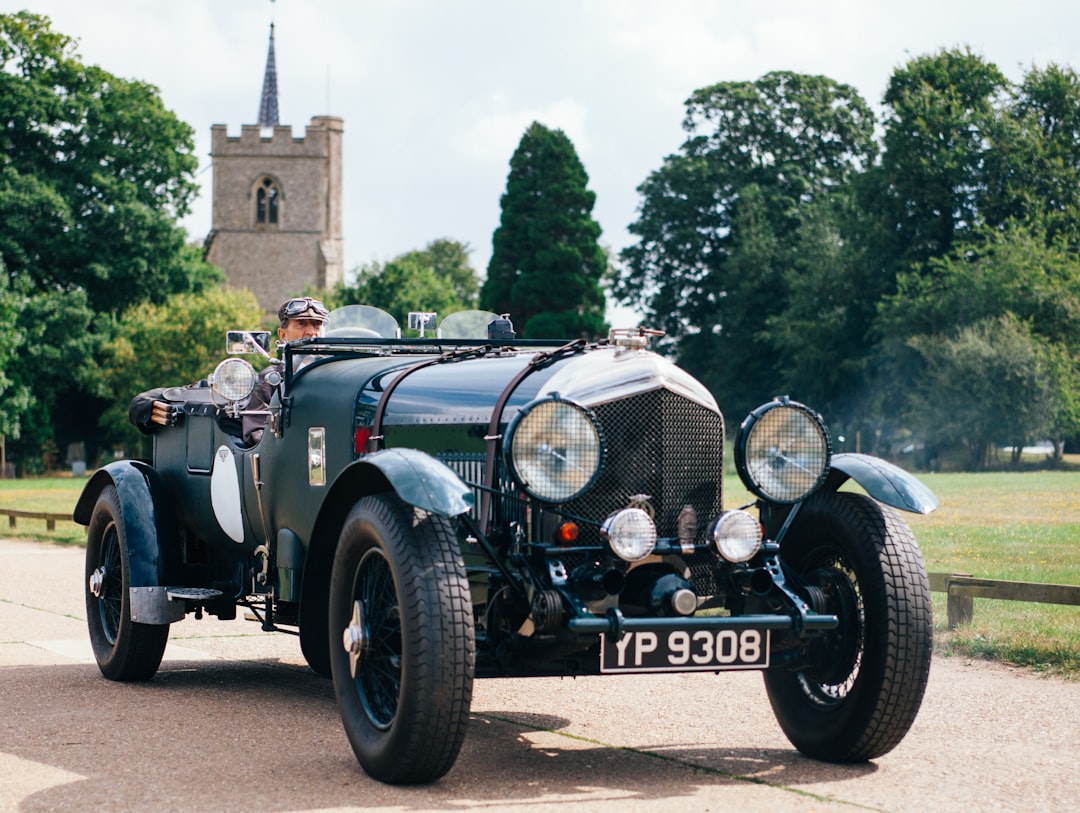
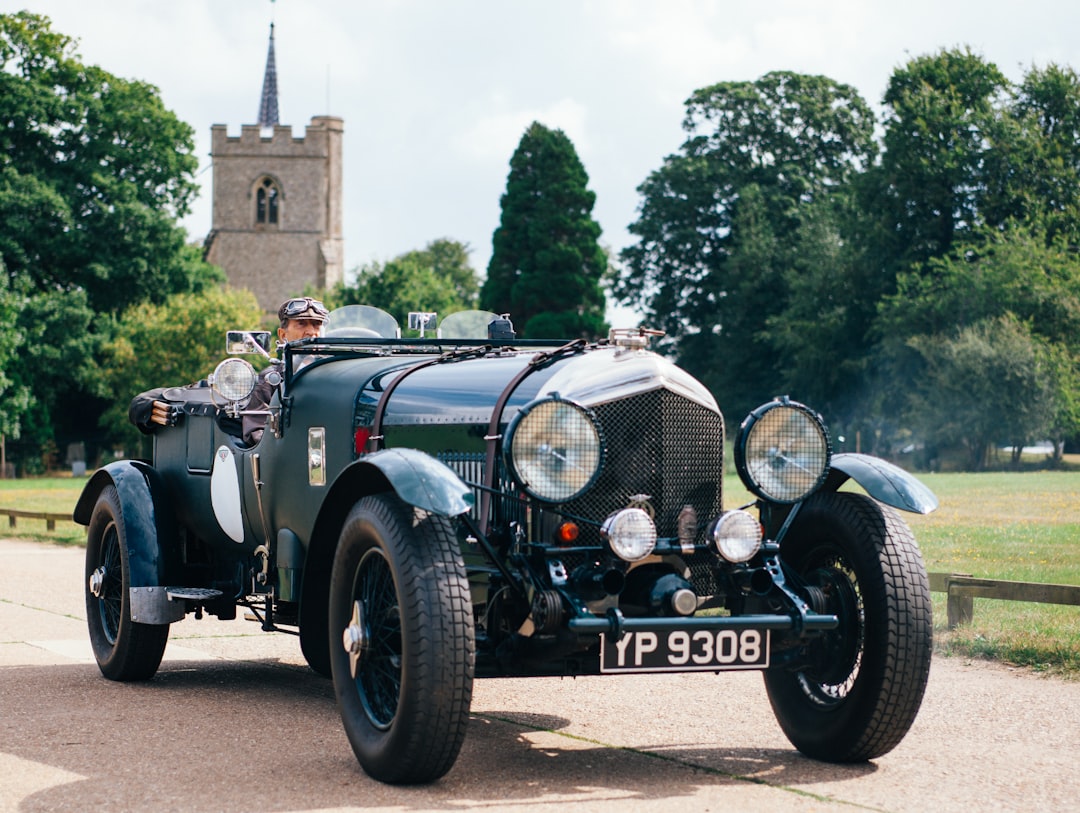
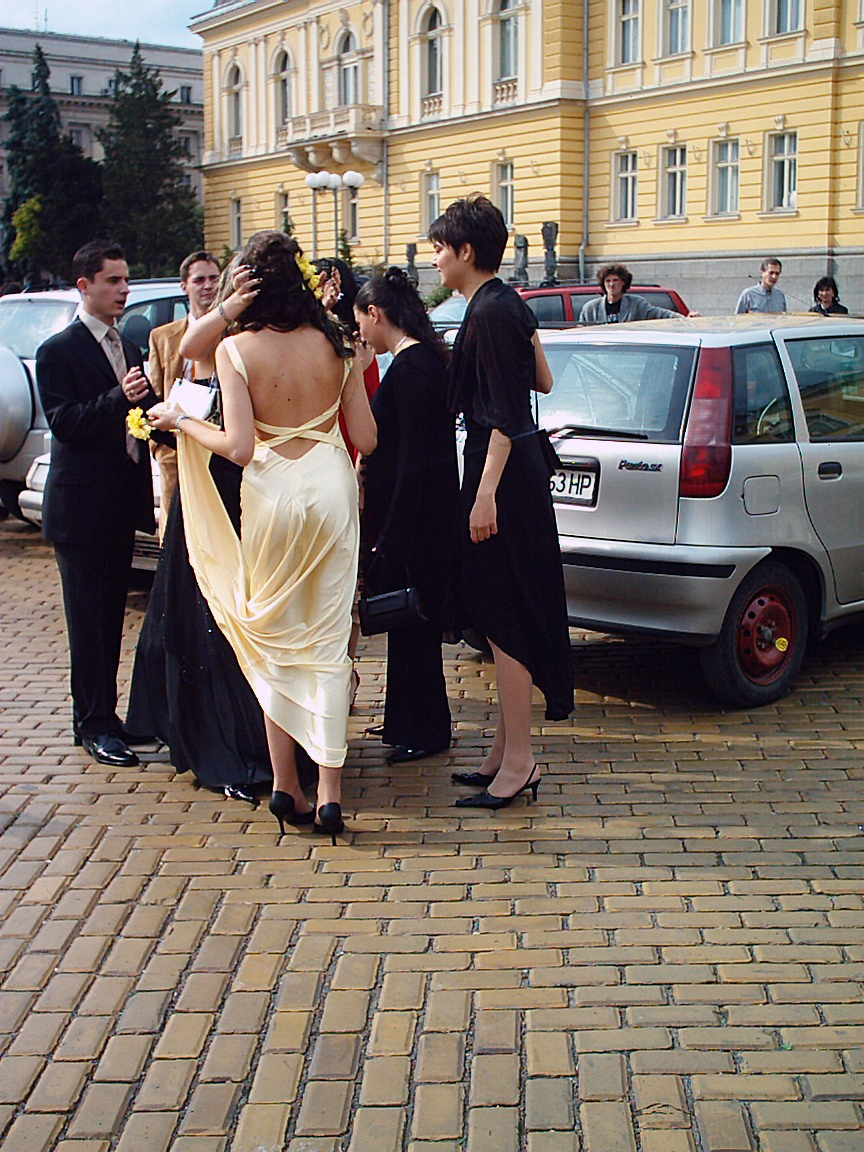
Oldtajmer (i.e. “old-timer”) is a “classic car” (generally) and a “vintage car” (more specific) and not American slang for an “old person”. A veteran car (around 20-30 years old) is known as “jangtajmer” (youngtimer). Both terms are German pseudo-Anglicisms. Actually, as the European classic car scene is now so centred in German-speaking countries, even some UK car enthusiasts have adopted the German “oldtimer” and “youngtimer” terms.
Evergrin (i.e. “evergreen”) is a “golden-oldie” or “classic” song or film and not a tree that keeps its green leaves in winter. This one is also from German.
Rekorder (i.e. “recorder”) is a record-holder, i.e. someone who holds a record (a best-ever performance, especially in a particular sport) and not a woodwind musical instrument or recording device.
Golman (i.e. “goal man”) is a “goalkeeper” or “goalie” and not a man who is focused on goals. This is an indigenous Yugoslav pseudo-anglicism.
Mobing (i.e. “mobbing”) does not mean “to crowd around someone or into a place in an unruly way” but translates generally as “bullying”. It was Swedish psychologist Heinz Leymann who coined the term “mobbing” specific for gang bullying in the workplace, and some psychologists in the Anglosphere are advocating the term’s usage. Otherwise, most English speakers know this as “workplace bullying”.
Strip in ex-Yugoslavia does not mean someone disrobing or a tape. Instead, it’s “comics” or “animation” (coming from “comic strip”). But watch out because “striptiz” (i.e. striptease”) means what it means in ex-Yugoslavia as it does in English.
Kasting (i.e. “casting”) actually means “audition”, where otherwise the casting is done. The word gained greater prominence in the early 2000s when pop-idol shows (otherwise known as “kasting-shou”) started in the Balkans. Related to this is the simultaneous phenomenon of “rijaliti” i.e. “reality”, meaning solely “reality TV show”. And we know how much “rijaliti” there is on these “reality” shows.

Bulgarian has its own false friends and pseudo-Anglicisms. Here are four for you…
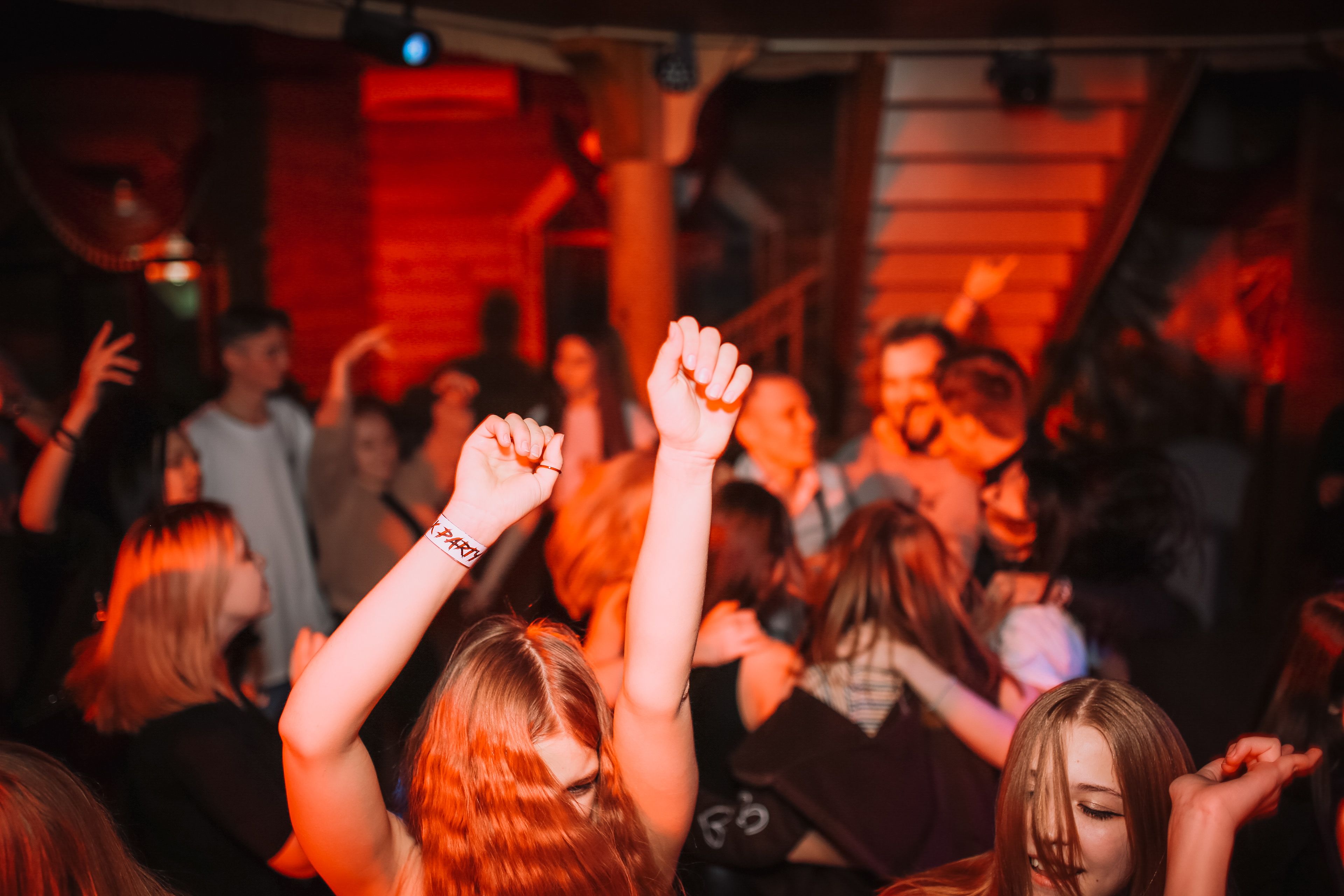
Дансинг (”Dansing” i.e. Dancing)
When groovy Bulgarian hoofers say they want to take you to the “dancing”, they mean the “dance floor”. Interestingly, when Dancing with the Stars was on Bulgarian TV, it was called Денсинг старс (“Densing Stars” i.e. Dancing Stars) to avoid any confusion.
Джендър (“Djender” i.e. Gender)
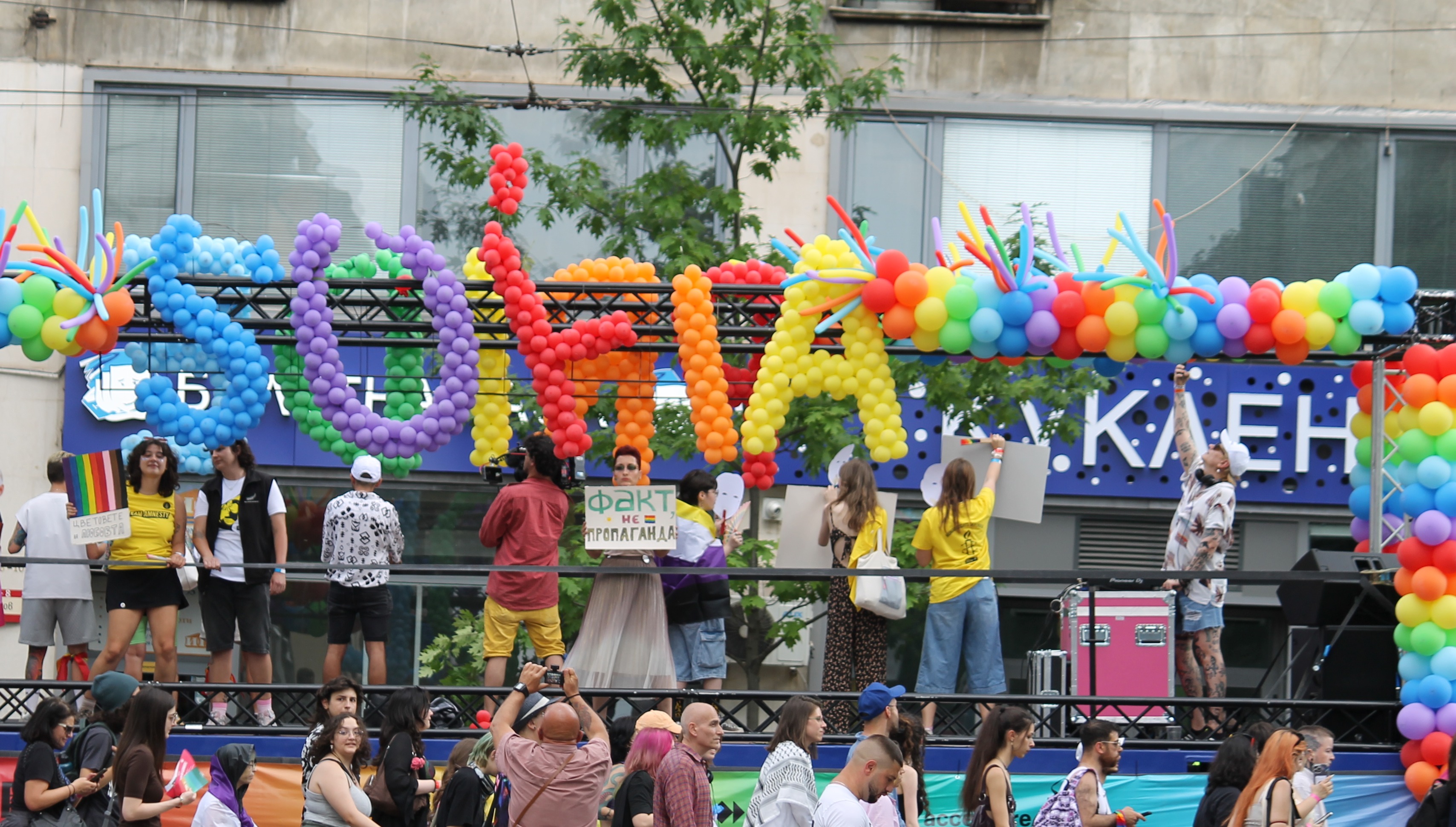
Strictly speaking, “gender” should only be used in Bulgarian as an adjective just like you would in the original English (i.e. “джендър идентичност” – “gender identity”). However, in colloquial Bulgarian speech and on social media, “gender” has transformed into a pejorative term initially for “transgender person” but now has expanded to denigrate anyone who does not conform to the strict gender roles in force in mainstream Balkan society (similar to “queer” in English).
Лейбър (”Leyber” i.e. Labour)
A term widely used by Bulgarians in the UK for what otherwise is a “labourer”. How come the final “-er” fell off is not clear but it could be a slight corruption of how Bulgarians hear and interpret the way many English people pronounce “labourer” (“lay-buh-ruh” or “lay-bruh”).
Бус (“bus”, rhymes with “puss”)
You’re at a bus station in Bulgaria on the way to some provincial town. Your “bus” is apparently already at the platform waiting for you. But when you arrive at the departing bay, all you can see is a van or a minibus. Well, that’s your “bus” because that’s what the word means in Bulgarian. If you were expecting a bigger vehicle fitting 50 people, then that’s an “avtobus” or colloquially “reis” (pronounced like “race”).

But let’s go further afield and go into a Russian shop. Count the false friends…
Last weekend, I had a major craving for сырки (”syrki”) – frozen curd snacks, usually coated in chocolate, and highly addictive food of the gods. These Eastern European sweet snacks are perfect for hot weather. So off I made a beeline to the nearby “ex-Soviet” shop to grab a few.
Delicious! Chocolate-covered syrki. Like mini-cheesecakes.
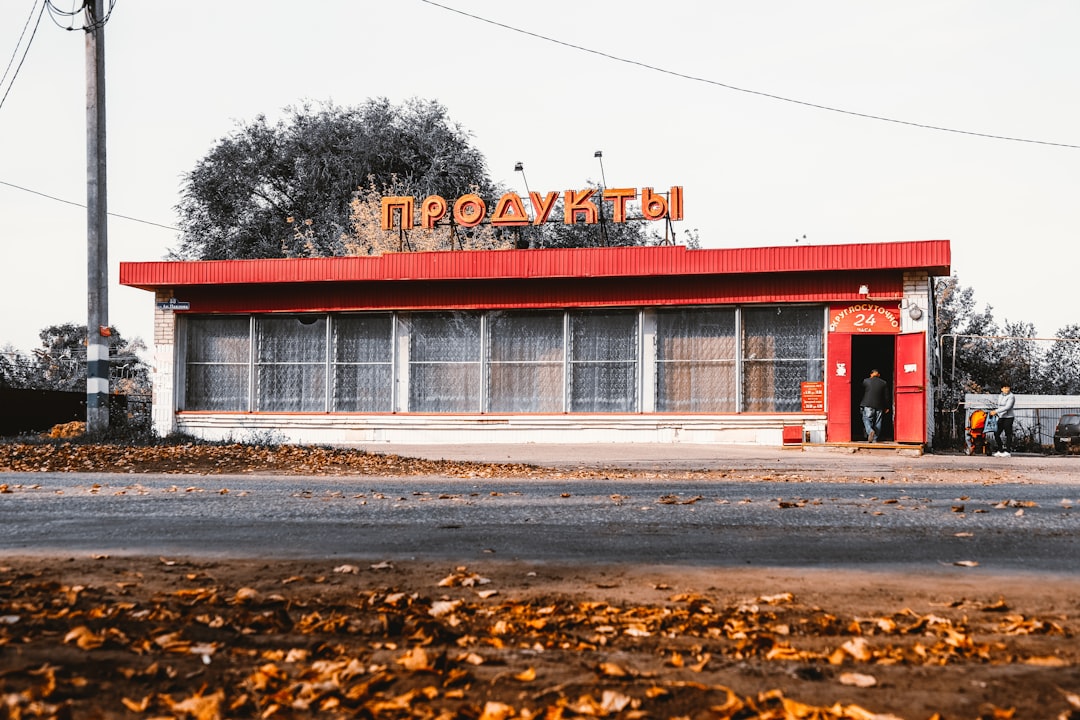
It was a pleasant day to go walking, which was no problem as there is no паркинг (“parking” – car park or parking lot) to take a машина (“mashina” – a car, not a machine) there. The shop has loads of продукты (“produkty” – “products” but meaning “groceries”) even папмерсы (“pampersy” – the generic name for “disposable diapers/nappies” in many languages) and скотч (“scotch” – no, not whiskey but adhesive tape).
Going to the counter to pay, the cashier will always ask if you need a пакет (“paket” – no, not a packet or package but a plastic shopping bag). However, as a regular shopper who’s в курсе (“v kurse” – literally “on course” but meaning “in the know”), I brought my own шоппер (“shopper” – a tote bag). At least they didn’t try to ап-сейл (“apseyl” i.e. “upsale”). And it was a bit hard to hear what the shopkeeper had to say as the latest Russian бэнгер (“banger” – a hit song) was playing loudly.
A “shopper” or a “packet”?
That made sense, didn’t it?




.jpg)


















.jpg)







.jpg)











_logo.svg.webp)



_(52052470251)_(cropped).jpg)












.jpg)















_(8249451687).jpg)